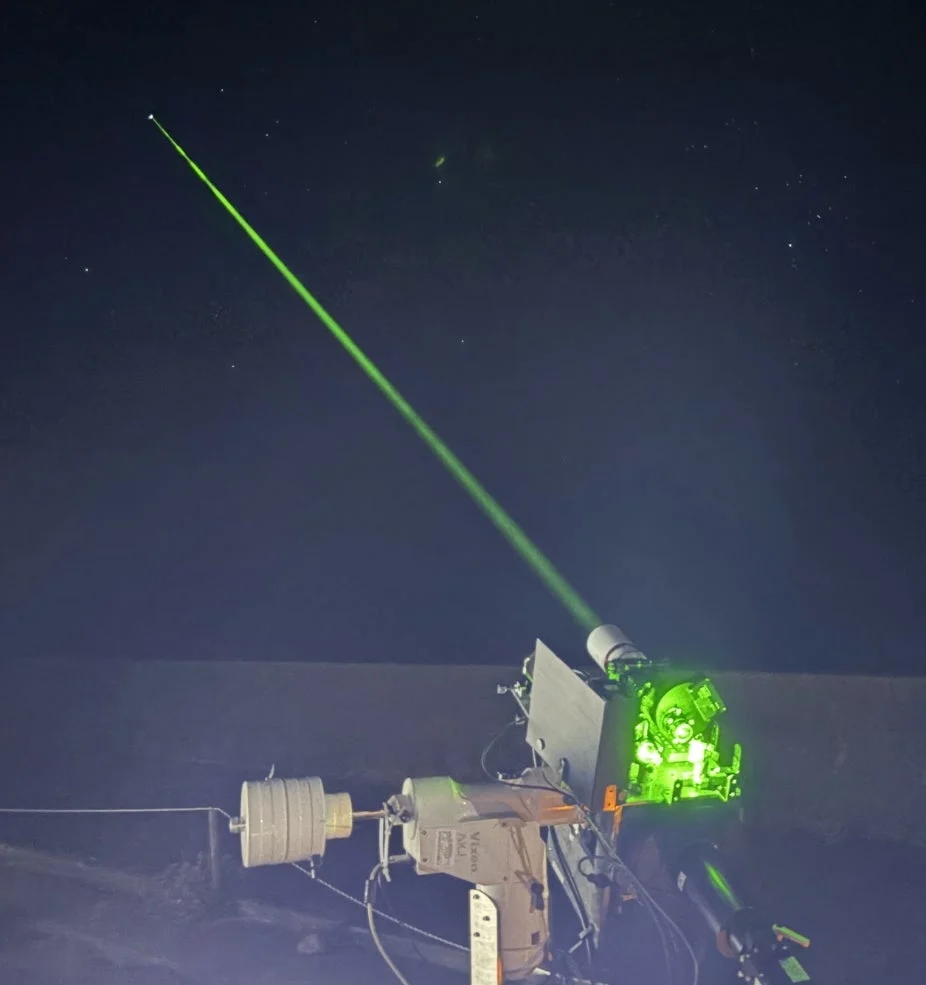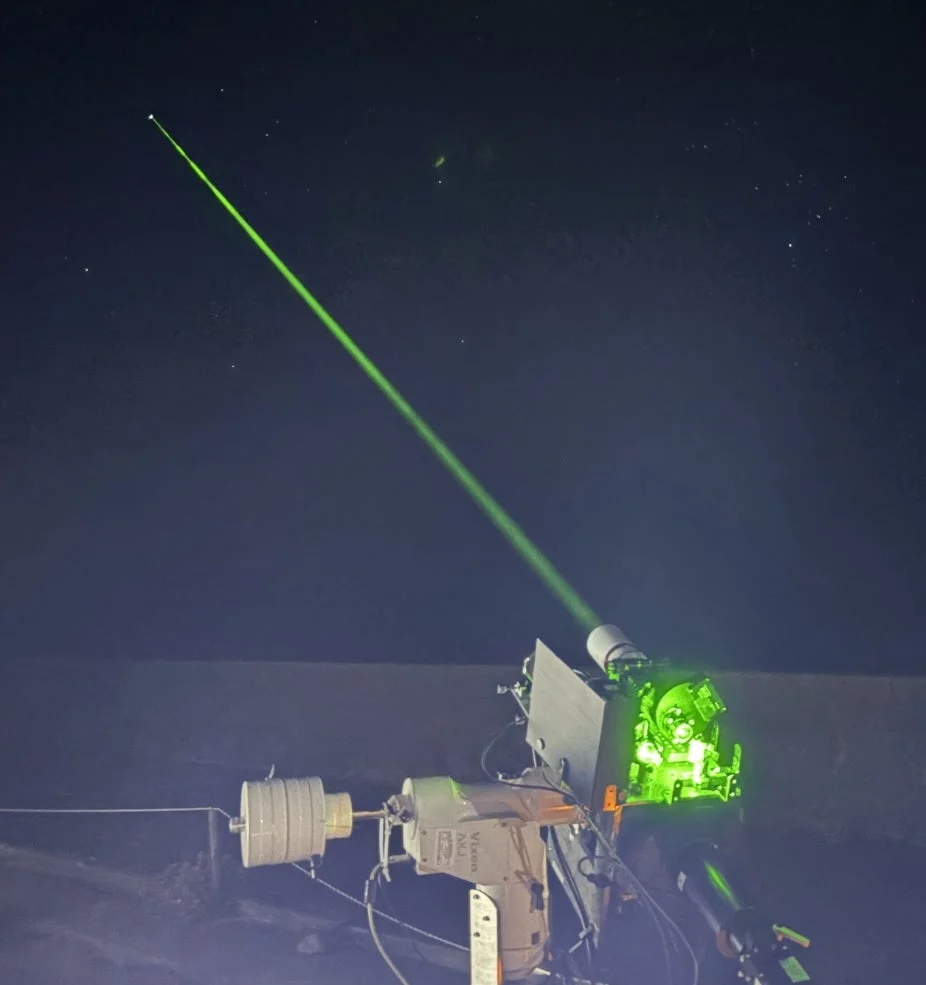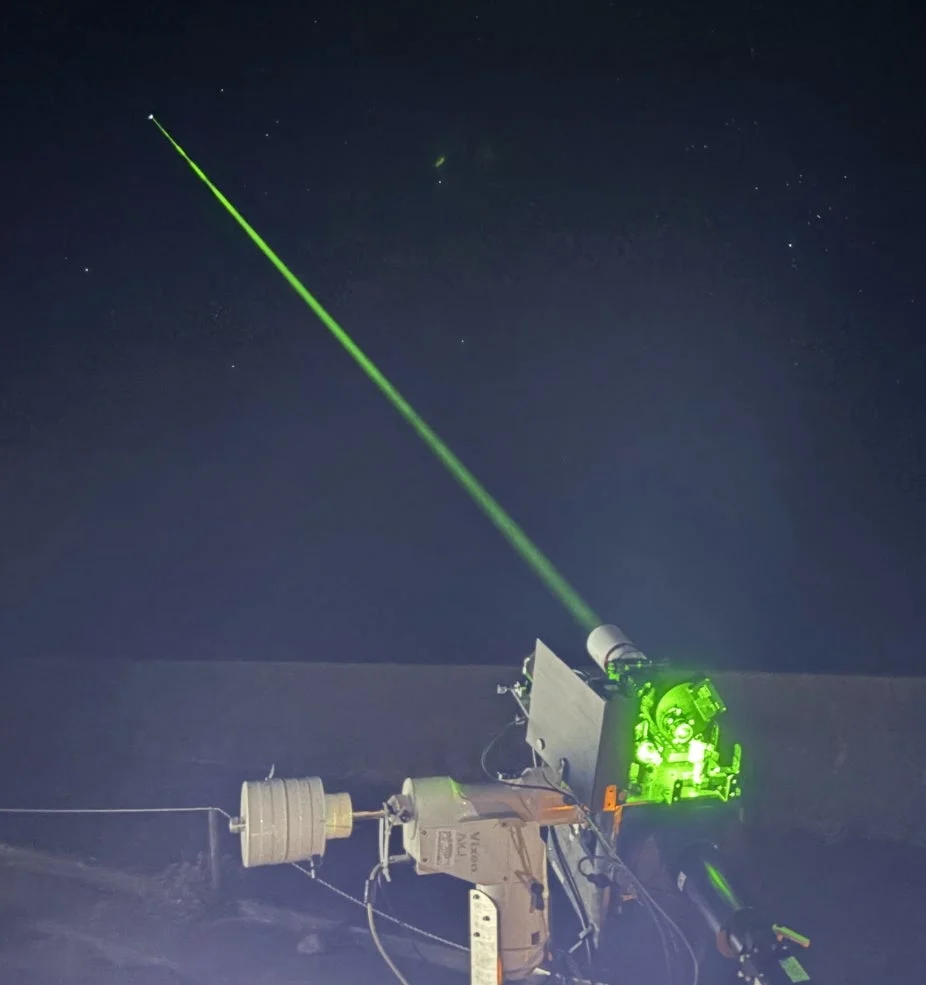
In a landmark development for the space infrastructure sector, Toronto-based Kepler Communications has officially announced the commencement of commercial operations for its next-generation optical data relay network. This transition from a development phase to a fully operational, global service marks a pivotal shift in how commercial and government entities handle space-to-ground data transmission. Following the successful deployment of its initial tranche of satellites via a SpaceX Falcon 9 "Twilight" rideshare mission this past January, Kepler is now providing real-time connectivity to a growing roster of mission-critical clients.
The deployment of this constellation represents more than just a technological upgrade; it signals the maturation of laser-based communications in orbit—a capability long sought after to bypass the limitations of traditional radio frequency (RF) links.
The Technological Architecture: A New Standard for Space Connectivity
At the heart of the Kepler network is an IP-based architecture equipped with high-speed optical inter-satellite links (OISLs). Unlike traditional constellations that require a satellite to be in direct line-of-sight with a ground station to download data, Kepler’s optical relay allows satellites to transmit information to one another in orbit at the speed of light. This data is then routed to the ground via a dedicated gateway, effectively eliminating the "latency gaps" that have historically plagued Earth Observation (EO) and Intelligence, Surveillance, and Reconnaissance (ISR) missions.
The constellation is specifically engineered for high-bandwidth, low-latency requirements. By utilizing optical terminals, Kepler can handle massive data packets—such as high-resolution imagery or synthetic aperture radar (SAR) feeds—without the bottlenecks associated with the increasingly congested RF spectrum. Furthermore, the onboard computing capabilities allow for edge processing, meaning data can be analyzed or filtered while still in orbit, significantly reducing the volume of information that needs to be downlinked to terrestrial stations.
Chronology of Deployment: From Concept to Orbit
The path to commercial viability has been a calculated, multi-year process for the Kepler team.
- Foundation Phase: For several years, Kepler operated as a pioneer in small-satellite data services, testing the viability of space-based mesh networking and refining the hardware necessary for reliable laser communication.
- January 2026 – The Twilight Launch: The most critical inflection point occurred on January 11, 2026, when SpaceX’s Falcon 9 Twilight rideshare mission successfully delivered the first tranche of the new optical constellation into low-Earth orbit (LEO). This launch validated the hardware design and the inter-satellite communication protocols.
- In-Orbit Testing: Following the launch, the company spent the subsequent months performing rigorous on-orbit testing. This involved calibrating the optical terminals to lock onto one another with precision while traveling at thousands of miles per hour, as well as testing the IP-based routing protocols that allow for seamless handoffs between nodes.
- Commercial Activation: With the network stabilized and performing within expected parameters, Kepler formally opened the service to its global customer base, signaling the end of the prototype era and the beginning of a revenue-generating, mission-critical utility.
Official Perspectives: Leadership on the Milestone
Mina Mitry, co-founder and CEO of Kepler Communications, framed the announcement as the realization of a long-term strategic vision. "Reaching commercial operations at scale is a defining milestone for Kepler," Mitry stated in the official announcement. "Over the past several years, we’ve demonstrated what’s possible with optical networking in space. Today, we’re delivering on real-time mission needs while laying the foundation for the next generation of space operations."
The sentiment within the company is one of disciplined optimism. By moving from "what’s possible" to "what’s operational," Kepler is positioning itself as a foundational layer in the burgeoning space economy. The leadership team emphasizes that this is not merely an incremental improvement; it is a fundamental shift that empowers government and commercial users to treat space assets as an extension of their terrestrial IT networks.
Supporting Data: Capacity, Resilience, and Future Growth
The current constellation is only the prologue to a more ambitious roadmap. Kepler’s technical roadmap highlights a significant leap in throughput by 2028. The company intends to scale its network capacity through:
- Next-Generation Terminals: Future iterations of the constellation will feature optical terminals capable of supporting data rates up to 100 Gbps. This bandwidth is critical for the next wave of high-fidelity sensors and AI-driven satellite applications.
- Strategic Partnerships: Kepler is already positioning itself to support high-profile international programs. Notably, the company is slated to support the European Space Agency’s (ESA) HydRON (High Throughput Optical Network) program. This collaboration underscores the confidence international space agencies have in Kepler’s technical standards.
- Diversified Launch Manifest: The company’s expansion plans are bolstered by a robust launch schedule. Beyond the reliance on SpaceX, Kepler has secured a dedicated launch with Rocket Lab, ensuring that they can deploy specialized hardware and replace older nodes with surgical precision.
Strategic Implications for the Space Sector
The activation of this network has profound implications for multiple industries, particularly in the realms of defense and Earth observation.
1. The Real-Time Intelligence Revolution
For defense and intelligence agencies, the latency of data delivery is a matter of strategic urgency. In conflict scenarios, an image captured by a satellite is only as valuable as the time it takes to reach the commander on the ground. By enabling real-time relay, Kepler’s network ensures that ISR assets provide actionable intelligence the moment a scene is captured. This "instant-on" capability is likely to become a standard requirement for all future defense-contracted EO constellations.
2. The Commercialization of Space Data
Beyond the defense sector, commercial companies—such as agricultural monitoring firms, environmental monitoring agencies, and infrastructure insurers—require consistent data streams to manage their operations. Kepler’s IP-based architecture allows these firms to integrate satellite data directly into their existing cloud-based workflows. It effectively removes the "space-to-ground" barrier, making satellite imagery and telemetry as accessible as data from a local server.
3. Space Domain Awareness (SDA)
As the number of objects in orbit increases, the need for Space Domain Awareness becomes acute. Kepler’s network is uniquely positioned to act as a monitoring layer, providing constant, real-time data on the position and behavior of other space assets. By using their own optical relay, they can track debris and satellites with far higher temporal resolution than ground-based radar or optical telescopes, which are often hindered by weather or geographic limitations.
4. Resilience and Redundancy
The modern geopolitical climate has made space assets vulnerable to various forms of interference. A distributed, optical mesh network is inherently more resilient than traditional hubs. If one node or ground station is compromised, the mesh network can dynamically reroute data through alternate paths, ensuring that critical data packets reach their destination. This survivability is a primary driver for the government interest in the Kepler platform.
Conclusion: A New Era of Connectivity
Kepler Communications has successfully navigated the "valley of death" that often claims space-tech startups—the period between promising a technology and proving it can function as a reliable utility. By successfully launching and activating its optical relay constellation, the company has proven that the future of space communications is not in the skies, but in the connections between them.
As the company looks toward its 2028 expansion, the focus will undoubtedly shift toward integration and scale. With the HydRON program and other high-capacity missions on the horizon, Kepler is cementing its role as the backbone of the space internet. For the commercial, scientific, and defense communities, the message is clear: the space-to-ground bottleneck has been broken, and the real-time era of orbital operations has officially begun. The industry now waits to see how the rest of the market will adapt to this new standard of high-speed, persistent, and secure space connectivity.