By Technology Desk
Thursday, September 17, 2026
In a significant leap forward for mobile satellite communications, Kymeta Corporation has announced that its flagship flat-panel terminal, the Kestrel u5, has officially received certification for compliance with rigorous European railway standards. This milestone clears the path for the company to launch high-stakes connectivity trials with some of the continent’s most prominent rail operators. As the rail industry shifts toward digitalization, the Kestrel u5 is positioned to solve the perennial problem of "dead zones" and inconsistent high-speed data access that has long plagued passenger rail services and freight logistics.
Main Facts: The Kestrel u5 Technical Edge
The Kymeta Kestrel u5 is not merely an antenna; it is an integrated, electronically steered flat-panel terminal engineered specifically for the harsh environments of high-speed rail. Unlike traditional parabolic antennas, which are bulky, prone to mechanical failure, and often struggle with the vibration and aerodynamic drag of trains, the u5 utilizes Kymeta’s proprietary meta-materials technology.
Key technical specifications of the terminal include:
- Simultaneous Multi-Link Capabilities: The unit supports concurrent uplink and downlink transmissions, ensuring that critical data packets—ranging from passenger Wi-Fi traffic to real-time train telemetry—are processed without latency.
- Orbital Flexibility: A standout feature of the u5 is its agile switching capability. While it provides primary connectivity through Low-Earth Orbit (LEO) constellations, it offers an add-on capability to switch seamlessly to Geostationary Orbit (GEO) satellites. This redundancy ensures "always-on" connectivity, even in remote regions where LEO satellite density may fluctuate.
- Environmental Robustness: Designed to withstand extreme temperatures, moisture, and electromagnetic interference, the terminal is built to last in the high-vibration environment of locomotive rooftops.
Chronology: The Road to Certification
The journey to the current certification was a deliberate, multi-year process characterized by exhaustive testing and validation.
- Q1 2025: Kymeta initiates the hardening of the u5 design to meet the specific mechanical and safety requirements of the European rail sector.
- Q4 2025: Initial bench-testing and laboratory simulations commence under the supervision of TÜV Rheinland to identify potential gaps in compliance.
- Mid-2026: Field prototypes are mounted on stationary rail carriages to assess signal stability against overhead catenary wires and tunnel transitions.
- September 2026: TÜV Rheinland officially issues the certification of compliance for EN 50155, EN 45545-2, and EN 50121 standards.
- Late September 2026 (Upcoming): Kymeta prepares to initiate active connectivity trials with European rail operators within the next 60 days.
Supporting Data: Why Certification Matters
The rail industry is governed by some of the most stringent safety regulations in the transportation sector. To operate on European tracks, any hardware must prove that it will not interfere with signaling systems, that it is fire-resistant, and that it can withstand the extreme mechanical shocks associated with high-speed travel.
The certification granted by TÜV Rheinland covers three critical pillars:
- EN 50155: This standard dictates the electronic equipment used on rolling stock, ensuring the hardware can handle the input voltage fluctuations and harsh environmental conditions typical of a train’s power grid.
- EN 45545-2: This is the paramount fire protection standard for railway vehicles. It ensures that in the event of a failure, the terminal will not contribute to the spread of fire or emit toxic smoke.
- EN 50121: This standard governs electromagnetic compatibility (EMC). It is vital because modern trains are dense with sensitive electronic signaling and braking systems; a satellite terminal that leaks electromagnetic noise could, in a worst-case scenario, disrupt a train’s safety systems.
By meeting these standards, Kymeta has effectively removed the "compliance barrier" that has previously prevented many satellite providers from entering the rail market.
Official Responses: A Strategic Milestone
Following the announcement, Kymeta CEO Manny Mora addressed the significance of this development, emphasizing the transformation of the passenger experience and the operational integrity of rail systems.
"For too long, rail connectivity has been constrained by inconsistent coverage, limiting both the passenger experience and critical operational capabilities," said Mora. "With the TÜV certification, the terminal can now perform exactly as intended, delivering a new kind of secure, always-on connectivity to the rail industry. We aren’t just talking about better Wi-Fi; we are talking about the ability for rail operators to manage freight in real-time, monitor engine health via satellite, and provide a seamless digital office environment for commuters at 360 kilometers per hour."
Industry analysts suggest that Mora’s focus on "operational capabilities" is the key to Kymeta’s business model. While passengers demand high-speed internet for entertainment, rail operators prioritize the ability to transmit diagnostic data from train sensors back to central hubs to predict maintenance needs—a process known as condition-based monitoring.
Implications: The Future of High-Speed Transit
The implications of this certification extend far beyond the European continent. As Kymeta prepares for a full-scale rollout, several trends emerge regarding the future of global transit.
1. The Death of the "Dead Zone"
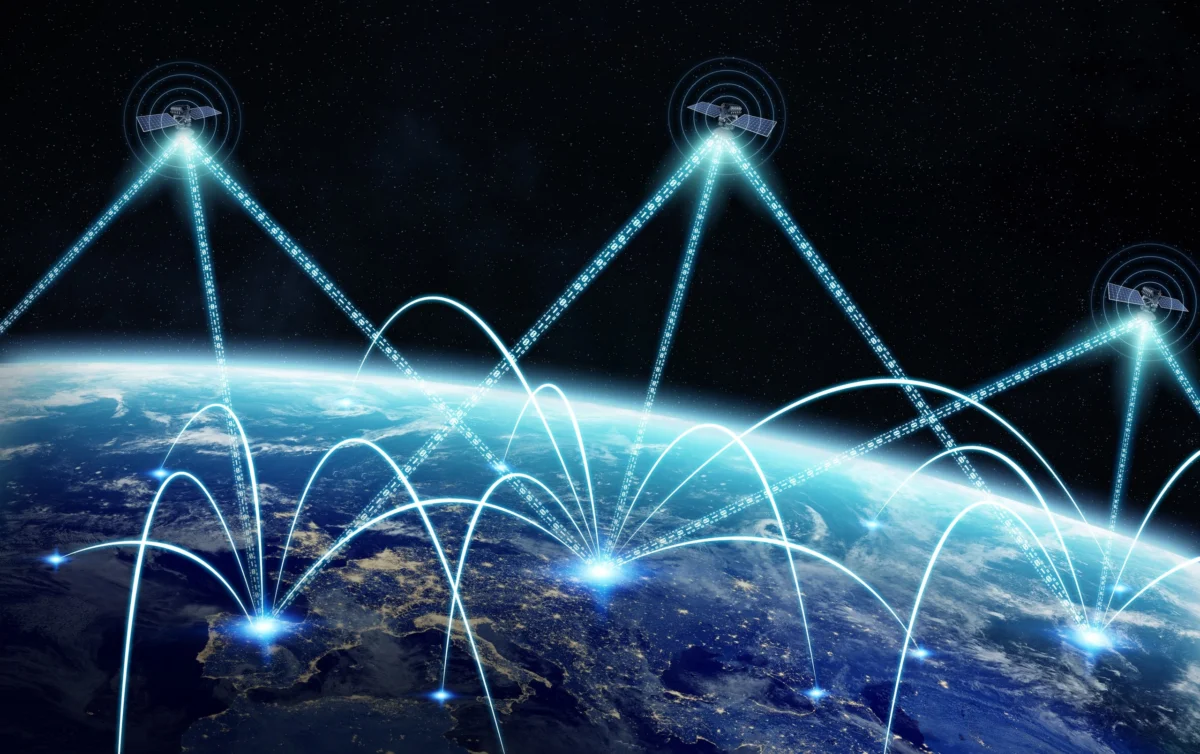
Historically, trains passing through mountainous terrain or dense forests have suffered from massive cellular gaps. By utilizing a hybrid LEO/GEO satellite network, Kymeta’s terminal ensures that the train remains connected regardless of the distance from the nearest cell tower. For international lines that cross borders, this provides a unified connectivity experience that cellular roaming cannot currently match.
2. High-Speed Performance Benchmarks
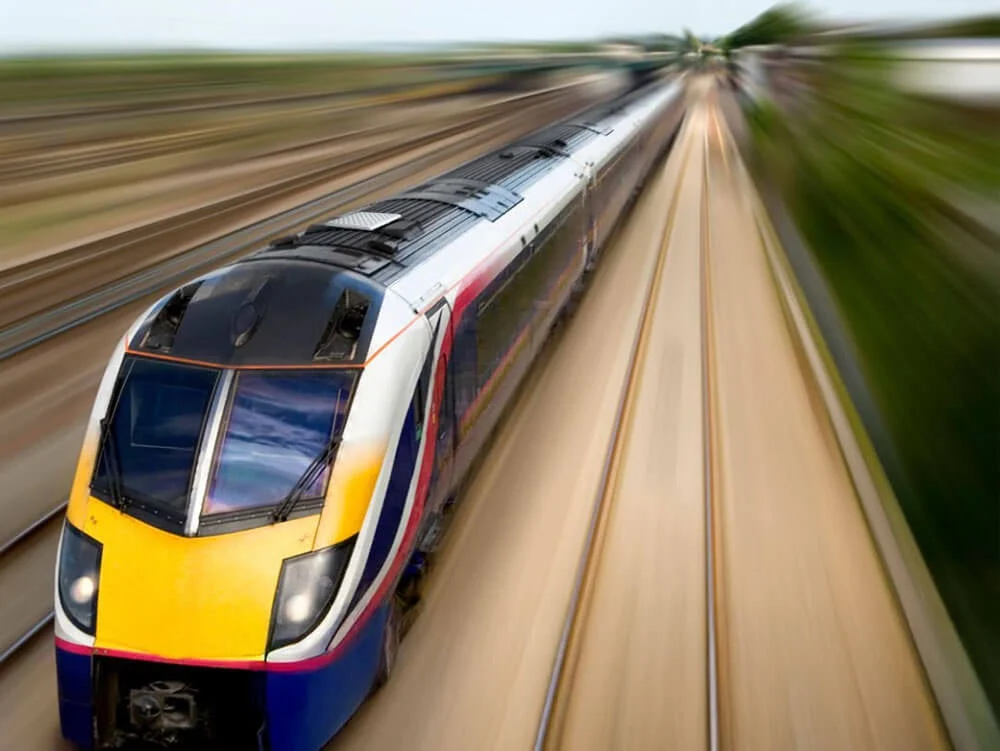
The upcoming trials, which will involve assessments at speeds up to 360 km/h, are designed to prove that the terminal can maintain a stable handshake with LEO satellites despite the massive Doppler shifts and signal handovers required at such velocity. If successful, this will validate satellite communication as a viable primary carrier for high-speed rail (HSR) networks globally, potentially replacing expensive fiber-optic trackside infrastructure.
3. Economic Impact for Rail Operators
Rail operators currently spend millions on trackside base stations. If a satellite-based solution like the Kestrel u5 proves robust, operators could significantly reduce capital expenditure (CapEx) on trackside infrastructure. Furthermore, real-time data transmission allows for "just-in-time" freight logistics, increasing the efficiency of the rail supply chain and potentially shifting cargo from roads to rail, which is a major goal for European climate initiatives.
4. Global Scalability
With the European certification in hand, Kymeta is well-positioned to apply for similar certifications in North America and Asia. The rail industry is historically conservative, often relying on legacy systems for decades. However, the move toward "Smart Trains"—which rely on real-time data for autonomous braking and traffic management—necessitates a high-bandwidth, high-reliability pipe. The Kestrel u5 provides that pipe.
Conclusion: A New Era of Mobility
As we look toward the final quarter of 2026, the rail industry stands at a technological crossroads. The integration of Kymeta’s Kestrel u5 is more than a hardware upgrade; it is a fundamental shift in how transport networks communicate.
The next 60 days of trials will be closely watched by stakeholders ranging from telecommunications providers to government transportation ministries. If the Kestrel u5 can maintain its performance standards under the grueling conditions of high-speed European travel, it will likely become the industry gold standard. For the passenger, the goal is a future where the train is as connected as the office or the home. For the rail operator, it is a future where the entire fleet is visible, manageable, and secure, regardless of its location on the map.
Kymeta has set the stage; now, the hardware must prove itself on the tracks. Given the rigorous validation provided by TÜV Rheinland, the foundation for a successful rollout appears more solid than ever.