In an era where the boundary between consumer hardware and network infrastructure has blurred, a new front has opened in the battle for digital privacy. LG Electronics USA, a global leader in the home appliance market, announced this week that it will begin a systematic purge of smart TV applications that convert users’ televisions into "always-on" residential proxy nodes. This decision follows a scathing investigative report revealing that nearly half of the apps available on LG’s webOS platform were essentially functioning as silent gateways for unknown third-party internet traffic.
The initiative, while framed as a commitment to user experience, highlights the growing tension between monetization strategies for app developers and the fundamental security expectations of consumers who—rightfully—view their televisions as appliances, not as server infrastructure.
The Genesis of the Problem: When Your TV Becomes a Gateway
The controversy erupted in early July when cybersecurity firm Spur published a comprehensive analysis of the smart TV ecosystem. The research sought to quantify the prevalence of residential proxy software development kits (SDKs)—small pieces of code that, once integrated into an app, allow a third party to route their own web traffic through the user’s home IP address.
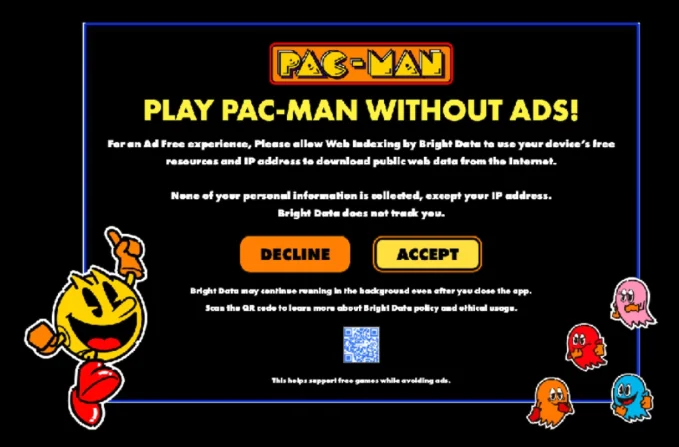
The findings were alarming. Spur discovered that more than 42 percent of applications hosted on the LG webOS app store contained these proxy SDKs. A similar, though less severe, trend was observed on Samsung’s Tizen OS, where over 25 percent of apps were found to contain comparable components. These apps ranged from innocuous utilities, such as file managers and screensavers, to popular casual games like Pac-Man.
How the Proxy Model Functions
At its core, a residential proxy network allows commercial entities—often those involved in data scraping, market research, or SEO monitoring—to mask their traffic as coming from a legitimate home connection. This is highly coveted because it bypasses the automated filters and blocks that websites often place on known data-center IP addresses.
The developer receives a payout for "renting out" the user’s bandwidth, while the proxy provider profits from selling access to these residential exit nodes. For the consumer, however, the trade-off is often obscured behind a wall of "Terms of Service" jargon that few, if any, users read before clicking "Agree."
Chronology of a Security Crisis
- Early July 2026: Researchers at Spur publish an in-depth report exposing the massive footprint of residential proxy SDKs in the smart TV market.
- July 2, 2026: KrebsOnSecurity highlights the report, bringing mainstream attention to how apps are leveraging home network bandwidth without clear consumer awareness.
- Mid-July 2026: Following inquiries from security researchers and the media, LG Electronics USA acknowledges the severity of the issue and initiates an internal review of its app store.
- July 20, 2026: LG Senior Vice President John Taylor issues a formal statement, confirming the company will suspend non-compliant apps.
- July 22, 2026: Bright Data, the primary proxy provider identified in the research, issues a defense of its practices, citing independent audits and strict consent protocols.
Supporting Data: The Scale of the Intrusion
The data provided by Spur paints a picture of an industry that had become complacent regarding the security of the "Internet of Things" (IoT). According to the report, the prevalence of these SDKs is not a bug; it is a feature designed to extract value from idle devices.
Prevalence of Proxy SDKs by Ecosystem
- LG (webOS): ~42% of apps surveyed contain residential proxy SDKs.
- Samsung (Tizen OS): ~25% of apps surveyed contain residential proxy SDKs.
The technical impact is significant. A television, unlike a PC, is rarely configured with the sophisticated firewalls or traffic monitoring tools necessary to detect when its network interface is being hijacked. Furthermore, the longevity of these devices means that a user might have a "proxy-enabled" app running in the background for years, unknowingly exposing their home network to potential misuse or scrutiny by third parties.
Official Responses: A Clash of Perspectives
The corporate response to the findings has been a mixture of reactive policy changes and defensive assertions of industry standard practices.
LG Electronics’ Stance
John Taylor, Senior Vice President at LG Electronics USA, was unequivocal in his correspondence with industry observers. "A residential proxy network is not an intended use for LG smart TVs," Taylor stated. He confirmed that the company is actively collaborating with developers to strip these SDKs from existing applications. "If this option is not removed, these apps will be suspended," he added, noting that the company’s review of the webOS ecosystem is "well underway."

The Defense from Bright Data
Bright Data, which the Spur report identified as the provider behind a majority of the proxy SDKs found on these devices, defended its business model as a pillar of a "transparent internet."
In a statement provided to the press, the company emphasized that its network relies on user consent. "Every peer opts in through a dedicated screen and receives value in return," the company noted, adding that they subject their practices to independent audits, such as those conducted by PwC. They argue that their "Know-Your-Customer" (KYC) processes ensure that only legitimate businesses and researchers use their platform, and that they deploy technical safeguards to prevent proxy users from accessing the internal networks of the TV owners.
Implications: The Risks Beyond the Screen
While companies like Bright Data argue for the legitimacy of their operations, security experts remain skeptical. The core issue, according to Trevor Sutter of Spur, is the lack of "meaningful transparency."
1. The Consent Fallacy
A one-time pop-up notification during app installation is a poor vehicle for informed consent. In a household setting, a TV is often used by multiple people, including minors. A child or a guest might inadvertently "opt-in" to a proxy network without understanding the long-term security implications for the home’s internet connection.
2. Network Integrity
When a television acts as an exit node, it becomes an entry point for traffic that the homeowner does not control. While proxy providers claim they prevent "lateral movement" (the ability to probe other devices on the same Wi-Fi), the presence of unauthorized, encrypted, or obfuscated traffic on a home network is inherently antithetical to good security hygiene.
3. The "LG Ecosystem" Question
LG’s recent reputation has been further complicated by unrelated incidents. Earlier this week, the YouTube channel Gamers Nexus revealed that certain high-end LG monitors were silently pushing McAfee antivirus software to users via Windows Update without prior approval. This, coupled with the proxy SDK issue, has created a perception that LG is prioritizing third-party partnerships over the autonomy and security of its users.
Conclusion: A Turning Point for Smart Home Security?
LG’s decision to purge residential proxy SDKs marks a rare, proactive step toward consumer protection in the smart home space. However, it also underscores the fragility of modern device ecosystems. As apps become more complex and developers seek new ways to monetize, the burden of security often falls on the manufacturer to act as a gatekeeper.
For the average consumer, the lesson is clear: the "smart" devices in their living rooms are no longer passive entertainment units. They are complex computers capable of participating in global data networks. While the removal of proxy SDKs is a victory for digital hygiene, users should remain vigilant. In the future, the ability to audit one’s own hardware—or at least having a manufacturer that does so—may be the most important feature of any smart device.
As LG moves forward with its clean-up, the industry will be watching to see if other manufacturers, particularly those managing their own proprietary OS environments, follow suit. Until then, the "smart" in smart TV remains a double-edged sword: a convenience for the viewer, and a potential liability for the user.