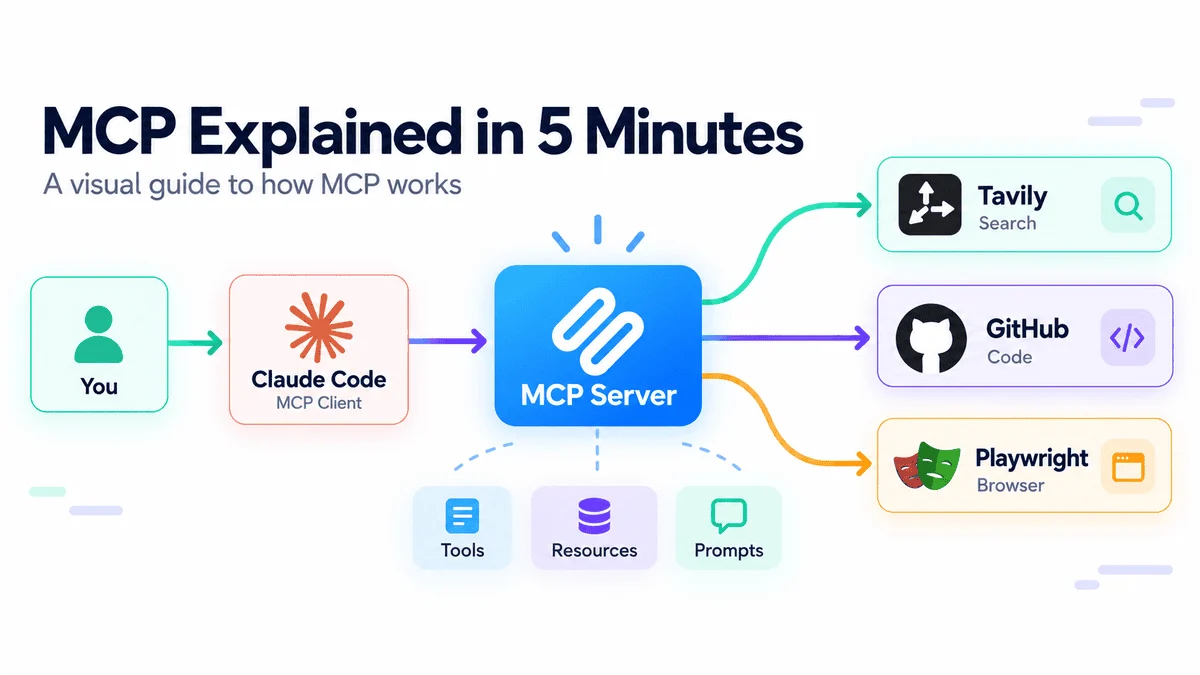
In the rapidly evolving ecosystem of artificial intelligence, a quiet revolution is taking place. While the public remains captivated by the shifting capabilities of Large Language Models (LLMs)—from reasoning benchmarks to multimodal generation—the true frontier of AI utility lies in "agency." For an AI to be truly useful, it must move beyond generating text and begin interacting with the complex, fragmented digital environments where we work. Enter the Model Context Protocol (MCP).
MCP has rapidly become the industry standard for connecting AI agents to external data and tools. By providing a universal language for AI applications, MCP is solving the "integration bottleneck" that has historically hampered the development of autonomous agents. This article explores the architecture, implementation, and future implications of this transformative protocol.
1. The Main Facts: What is MCP?
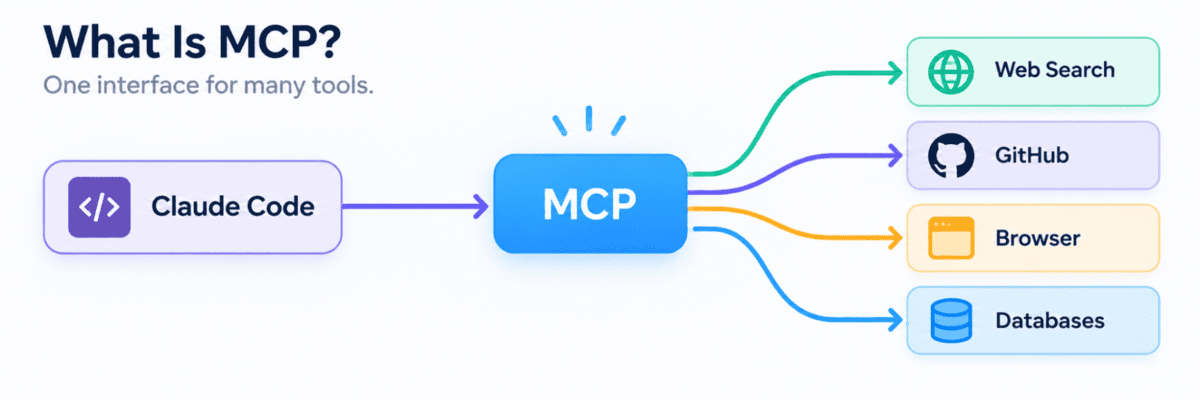
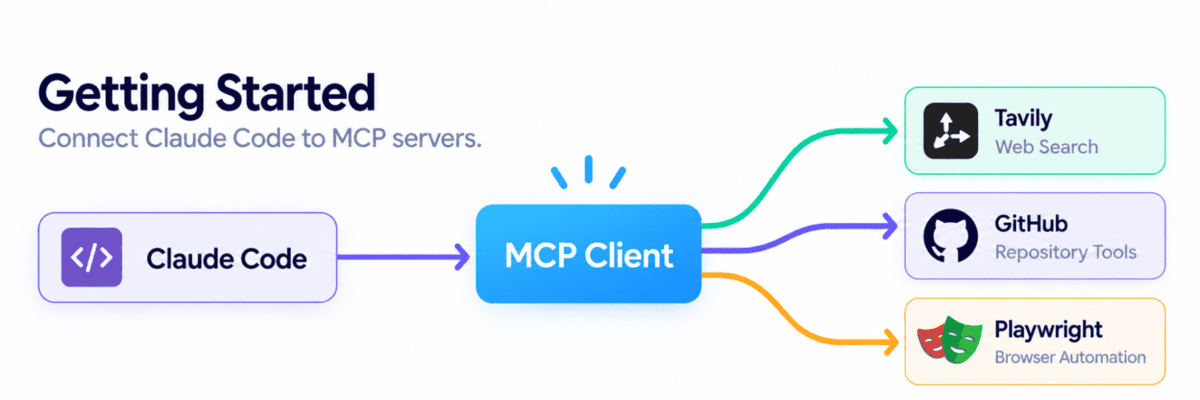
At its core, the Model Context Protocol is an open-standard communication framework that enables AI applications (hosts) to interact with external systems (servers). Before MCP, every developer building an AI agent faced a daunting task: they had to write custom code to connect their AI to every single database, API, or software repository they wanted it to use. If a developer wanted their agent to read from GitHub, search the web via Tavily, and run tests via Playwright, they had to build three distinct, brittle integrations.
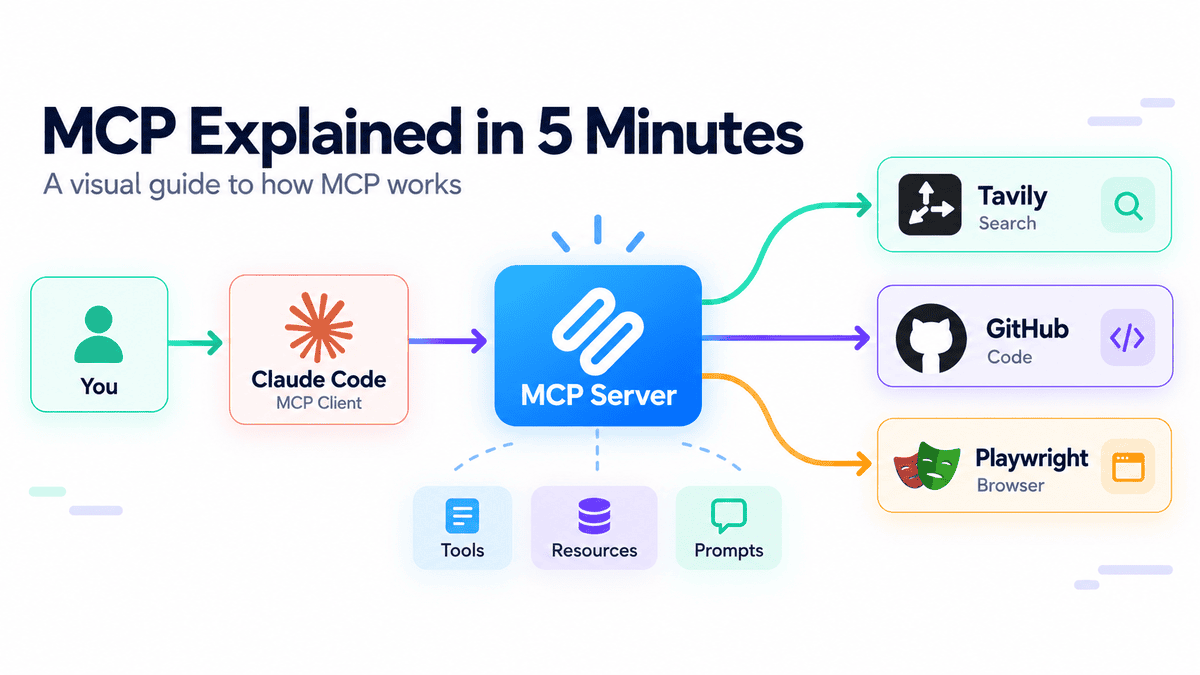
MCP changes this by standardizing the interface. When an AI application connects to an MCP server, it does not need to know the specific technical implementation of the service. Instead, it discovers the capabilities offered by that server through a standardized discovery mechanism.
Key Components of the MCP Architecture
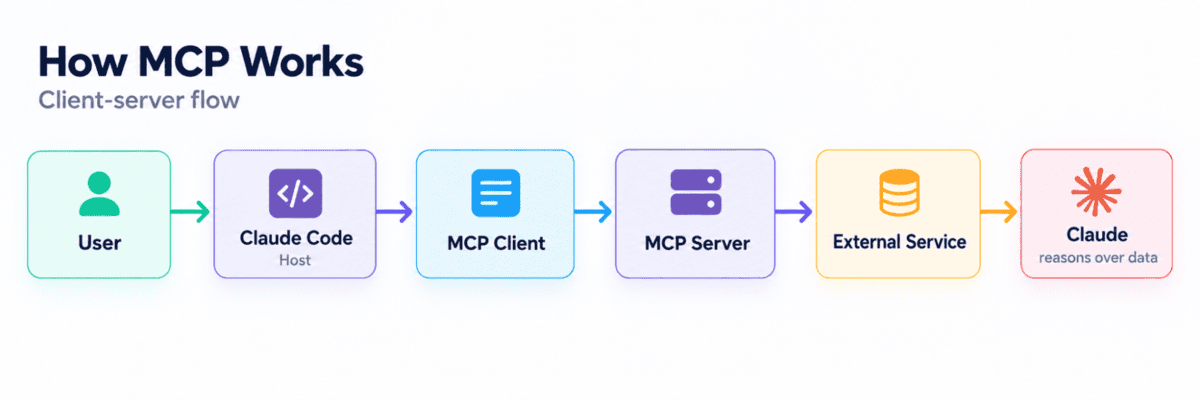
To understand the mechanics, one must distinguish between the four primary actors:
- The Host: The AI application (e.g., Claude Code, Cursor, or an IDE plugin) that initiates the conversation.
- The Client: The component within the host that manages the lifecycle of the connection to an MCP server.
- The Server: The bridge that exposes specific capabilities (tools, resources, or prompts) to the host.
- The Transport: The mechanism used for communication, typically utilizing JSON-RPC over standard pipes or HTTP.
By separating the "reasoning" (which happens in the LLM) from the "execution" (which happens through the MCP server), the protocol ensures that the AI remains modular and highly scalable.
2. Chronology: The Evolution of Agentic Standards
The journey to MCP began with the realization that LLMs were becoming "bottlenecked" by their lack of access to real-time, private, or complex enterprise data.
- Early 2024: The industry struggled with proprietary, closed-loop tool-use implementations. Developers were forced to choose between vendor-specific ecosystems, leading to "integration lock-in."
- Mid-2024: The initial draft specifications for MCP began circulating among major AI research labs. The goal was to create a "USB-C port for AI"—a universal connector that would work across any model and any tool.
- Late 2024 (The Launch): The official release of the MCP specification marked a turning point. For the first time, organizations could build one server and have it work across multiple AI-powered IDEs and chat interfaces.
- July 2026 (The Stateless Shift): The latest specification (2026-07-28) introduced a shift toward statelessness. By removing the need for persistent session management, the protocol became significantly easier to deploy across distributed cloud environments, allowing for highly scalable, enterprise-grade AI agents.
3. Supporting Data: Practical Implementations
The power of MCP is best illustrated through its application in real-world workflows. Using Claude Code as a host, developers are currently deploying three primary types of MCP servers to transform their productivity.
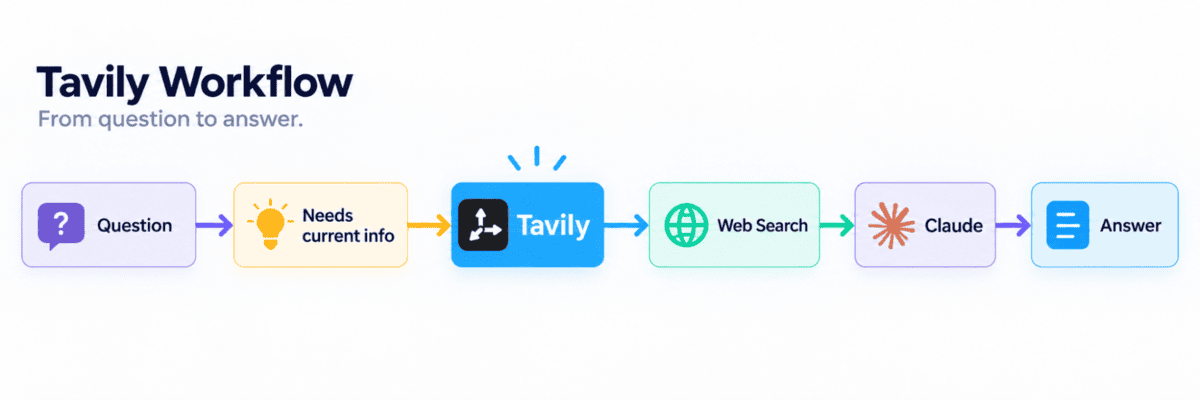
A. Tavily: Dynamic Research and Web Retrieval
LLMs are frequently limited by their training cutoff dates. The Tavily MCP server provides an agent with the ability to perform live web research. By connecting to Tavily, an agent can perform deep-web crawls, extract relevant research, and summarize findings in real-time. This replaces the need for manual copy-pasting of search results into a chat window.
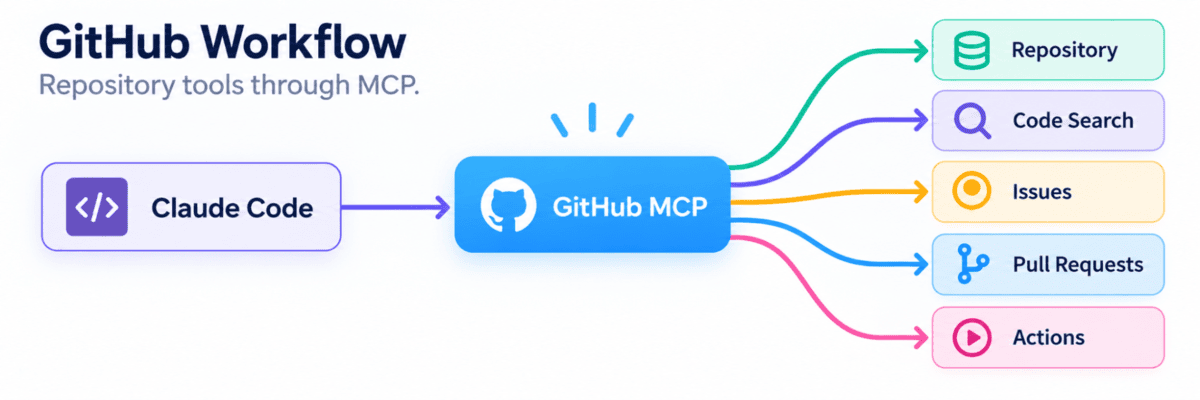
B. GitHub: The Repository Assistant
The GitHub MCP server is perhaps the most significant tool for software engineers. By authenticating via a Personal Access Token (PAT), an agent gains the ability to:
- Audit commits and pull requests.
- Search across massive codebases for deprecated functions.
- Manage issues, assign labels, and summarize project roadmaps.
- Perform code reviews that consider the context of the entire repository.
C. Playwright: The "Eyes" of the Agent
When APIs are unavailable, browser automation becomes necessary. Playwright allows an AI to interact with the web as a human does: clicking buttons, filling forms, and navigating complex dynamic applications. By providing the AI with structured accessibility snapshots, Playwright ensures the model can "see" and interact with UI elements reliably.
4. Official Perspectives and Security Paradigms
Industry leaders have emphasized that MCP is not a replacement for APIs, but a standardized wrapper. The security model of MCP is built on the principle of "least privilege."
When an MCP server is configured, the user defines the scope of its access. Because the protocol is transparent, users can inspect exactly what tools are being exposed to the model. In a corporate environment, this is critical; it allows IT departments to authorize an MCP server to access a specific staging database without giving the AI broad access to the production environment.
The recent shift to a stateless protocol has further enhanced security. Because requests do not rely on long-lived, stateful connections, the risk of session hijacking or "context poisoning" in a multi-tenant environment is significantly reduced.
5. Implications for the Future of Work
The rise of MCP signals a transition from "Chat-based AI" to "Agentic AI."
The End of Siloed AI
In the past, if you wanted an AI to summarize your emails, read your Jira tickets, and update your Salesforce CRM, you needed three different custom-built plugins. With MCP, you can simply run three servers and connect them to one unified host. This creates a "network effect" where the more tools that adopt the MCP standard, the more powerful every AI agent becomes.
Production-Grade Agents
For businesses, the implication is that AI can finally be integrated into existing software stacks. The stateless nature of the 2026-07-28 specification means that enterprise IT teams can host MCP servers in Docker containers or serverless functions (like AWS Lambda), allowing for auto-scaling AI operations that can handle thousands of simultaneous requests.
The Developer Experience
For developers, MCP is a productivity multiplier. It allows for the creation of "composable AI." You no longer need to be an expert in the underlying API of a complex legacy system; you only need to build an MCP wrapper for that system, and the AI will handle the rest of the interaction logic.
Conclusion: A New Standard for Digital Interaction
The Model Context Protocol has moved quickly from a theoretical concept to a foundational layer of the AI stack. By abstracting the complexity of tool integration, it has empowered developers to move past the novelty of text generation and into the era of true functional agency.
Whether you are a developer looking to integrate your codebase with an autonomous agent, or a business leader looking to automate complex workflows, understanding MCP is no longer optional—it is essential. As the ecosystem matures and more tools become "MCP-native," we are witnessing the construction of a global, interconnected intelligence layer that will fundamentally change how we interact with the digital world.
How to get started:
If you are currently using tools like Claude Code, the first step is to explore the available server directory. Use the /mcp command to see what is running on your local machine, and experiment by adding one of the official servers—like GitHub or Tavily—to see firsthand how a standardized protocol can transform your daily workflow. The future of AI isn’t just about better models; it’s about better connections. And with MCP, those connections are finally becoming a reality.