The security architecture of Europe is facing its most precarious moment since the height of the Cold War. A new, sobering intelligence assessment released by the Danish Defence Intelligence Service (DDIS) has sent shockwaves through Western capitals, warning that Russia is shifting its strategic posture toward more frequent, dangerous, and potentially kinetic actions against NATO member states.
While the DDIS report stops short of predicting an imminent, full-scale invasion of the Alliance, it paints a harrowing picture of a "gray zone" conflict that is rapidly escalating. According to the document, the Kremlin is expected to intensify its hybrid campaign—ranging from crippling cyber-attacks on civilian infrastructure to direct, albeit limited, military provocations—as it seeks to test the resolve and cohesion of the Western alliance.
The Core Assessment: A New Era of Hybrid Aggression
The nine-page DDIS assessment, which provides an updated outlook on the deteriorating security landscape across Europe, is explicit in its warning: Russia is not merely engaged in a conflict in Ukraine; it is actively weaponizing its relationship with the West.
"DDIS assesses that Russia will intensify its hybrid war by carrying out more frequent attacks against the West and NATO, with greater consequences for the targeted countries than in the past," the report states. These are not intended to be mere inconveniences. The intelligence agency highlights that these hybrid maneuvers are designed to "cripple societal functions," utilizing a combination of sophisticated cyber warfare and physical sabotage.
Perhaps most alarming is the report’s assessment regarding the threshold of conflict. While the risk remains categorized as "low," the likelihood of Moscow launching a "limited military attack" against one or several NATO nations is statistically increasing. This, the report suggests, could manifest as isolated, long-range strikes on infrastructure deemed vital to the Western support chain for Ukraine.
The DDIS provides a chilling insight into how Moscow might attempt to provide plausible deniability for such an act: "In this situation, Russia might claim that the weapons only struck NATO territory because they were jammed by Ukraine." This tactical obfuscation is a hallmark of the Kremlin’s current doctrine, aimed at creating hesitation within the NATO Article 5 consultation process.
A Chronology of Escalation: From Rhetoric to Reality
The warning from the Danish intelligence community does not exist in a vacuum; it is the culmination of a string of unexplained and increasingly brazen incidents that have plagued European security over the past year.
- Late 2023 – Early 2024: A rise in cyber-attacks targeting logistics hubs and energy infrastructure across the Baltic states and Poland.
- Summer 2024: A series of fires and explosions at defense-related industrial facilities across Europe. While many remain officially under investigation, security analysts have pointed to a pattern of coordinated sabotage.
- September 14, 2024: The most glaring example of recent military brinkmanship occurred in the Baltic Sea. A Russian frigate fired flares at a Danish military helicopter. The DDIS has labeled this the "most serious" example of Moscow’s increasingly aggressive attitude toward NATO militaries patrolling the region.
- Late September 2024: Following a surge in suspicious incidents at production plants, the Aerospace, Security & Defense Industries Association (ASD) of Europe issued a formal appeal to its member companies. The association urged an immediate increase in vigilance, calling for unprecedented cooperation between private industry, national governments, and intelligence agencies to harden the defense supply chain against physical and digital infiltration.
Supporting Data: The Anatomy of the Threat
The DDIS assessment provides a data-driven look at why these threats are emerging now. The Russian state has moved into a "permanent war footing," characterized by:
- Weaponized Infrastructure: Russia is increasingly targeting "dual-use" facilities—sites that are essential for both civilian life and military sustainment. By attacking these, Moscow aims to erode public support for continued aid to Ukraine.
- Long-Range Provocation: The use of precision-guided long-range weaponry as a signaling tool has become more frequent. The goal is to demonstrate that no part of the NATO periphery is safe from Russian reach.
- The "Slow-Burn" Sabotage: Rather than a single catastrophic event, the strategy appears to be a "death by a thousand cuts." By creating a constant state of low-level alarm, Moscow hopes to exhaust the intelligence and security resources of NATO member states.
Official Responses and Strategic Countermeasures
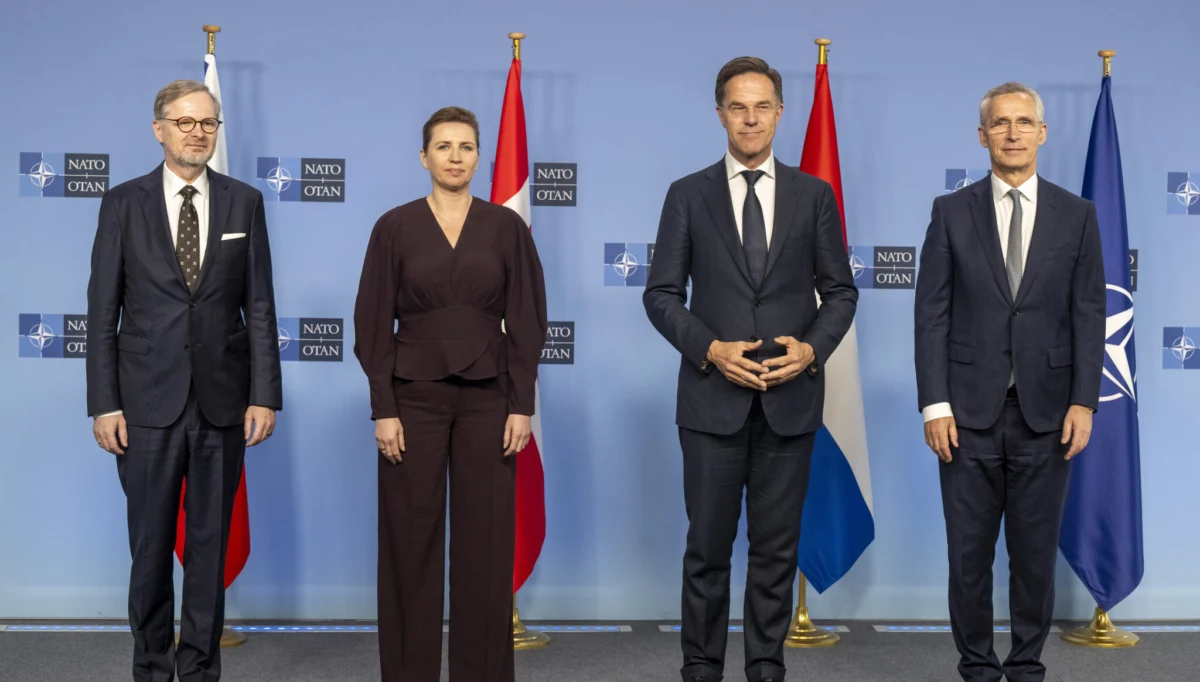
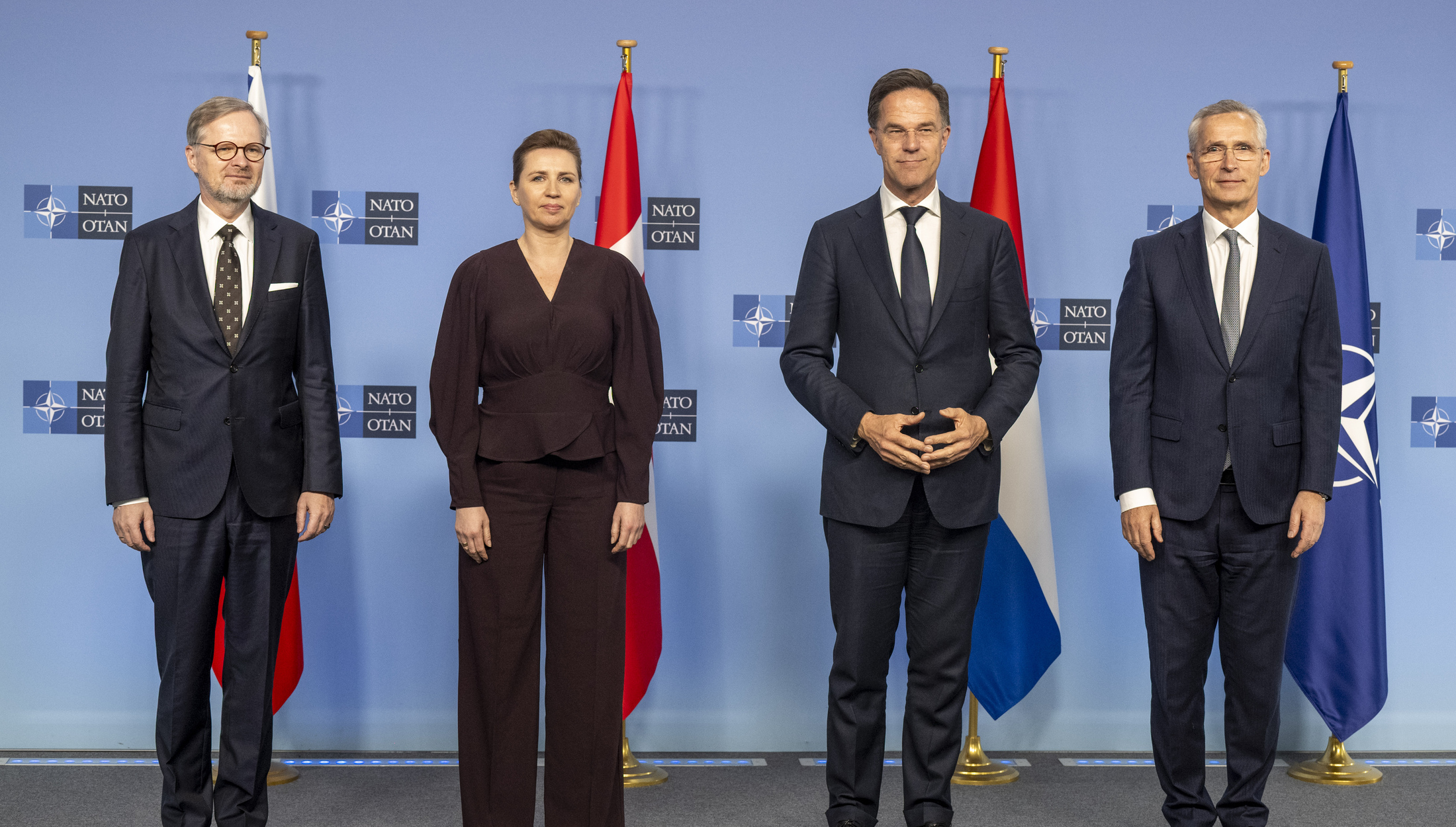
The reaction from NATO leadership has been one of calibrated concern. Secretary General Jens Stoltenberg, frequently meeting with the heads of government from Denmark, the Netherlands, and the Czech Republic, has emphasized that the Alliance’s primary objective remains deterrence.
"We are watching these developments with the utmost seriousness," a NATO official stated on the condition of anonymity. "The alliance is adapting its posture to ensure that hybrid threats are met with the same level of unity and resolve as conventional ones."
In response to the ASD’s warnings earlier this month, European governments have begun to quietly bolster security at key defense production sites. This includes increased surveillance, stricter vetting of facility contractors, and the deployment of advanced electronic warfare suites to detect and jam unauthorized drones or communication devices near sensitive locations.
There is also a renewed push for intelligence sharing. The DDIS report itself is a product of increased cooperation among Nordic and Baltic intelligence services, who have realized that an attack on one is effectively a probe of the entire region’s security architecture.
Implications: The Limits of the Kremlin’s Ambition
Despite the dire nature of the DDIS findings, the report offers a crucial nuance that serves as a reality check for policy analysts. The intelligence branch found "no indication" that the Kremlin is currently planning an "outright invasion" of a NATO state.
The assessment provides a significant operational metric: Even if Moscow were to decide on a full-scale assault, it would require a minimum of six months of massive military build-up and logistical preparation. Such a mobilization would be impossible to hide from satellite reconnaissance and human intelligence networks.
Furthermore, the assessment offers a stark look at the reality of the war in Ukraine. It concludes that "there is no prospect" of Russian forces accomplishing any significant breakthrough on the Ukrainian front within the next six months. This stalemate, while tragic for Ukraine, acts as a temporary ceiling on Russia’s ability to project force elsewhere.
The Strategic Dilemma
The central implication for NATO is clear: Russia is playing a game of risk-management. By keeping the conflict in the "gray zone," Moscow avoids the immediate trigger of Article 5 while simultaneously imposing high costs on its adversaries.
The coming months will be a test of the Alliance’s resilience. As winter approaches and energy demands increase—providing new opportunities for Russian cyber and hybrid pressure—NATO will need to demonstrate that its unity is not merely a diplomatic platitude but a functional deterrent.
The DDIS report serves as both a warning and a call to action. The era of assuming that the Russian threat was contained within the borders of Ukraine is over. For NATO, the new frontier is not just a line on a map, but the critical infrastructure, industrial capacity, and societal stability of its member nations. The challenge ahead will be to defend against these hybrid threats without falling into the trap of escalation that the Kremlin is so clearly attempting to bait.