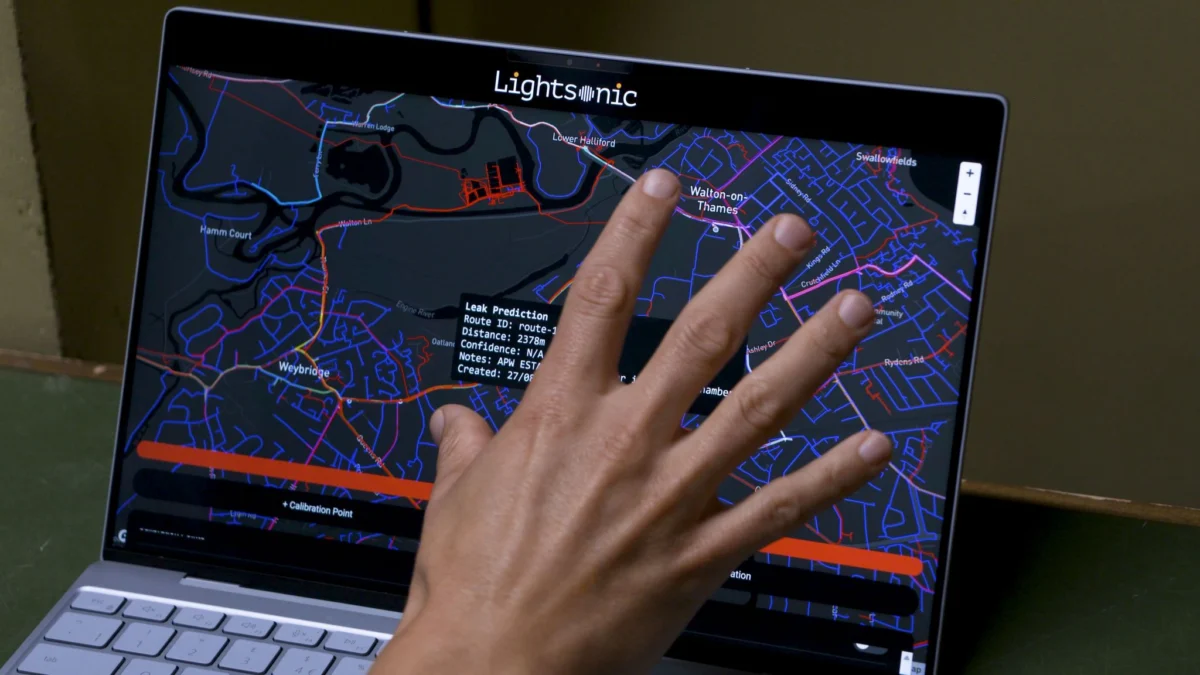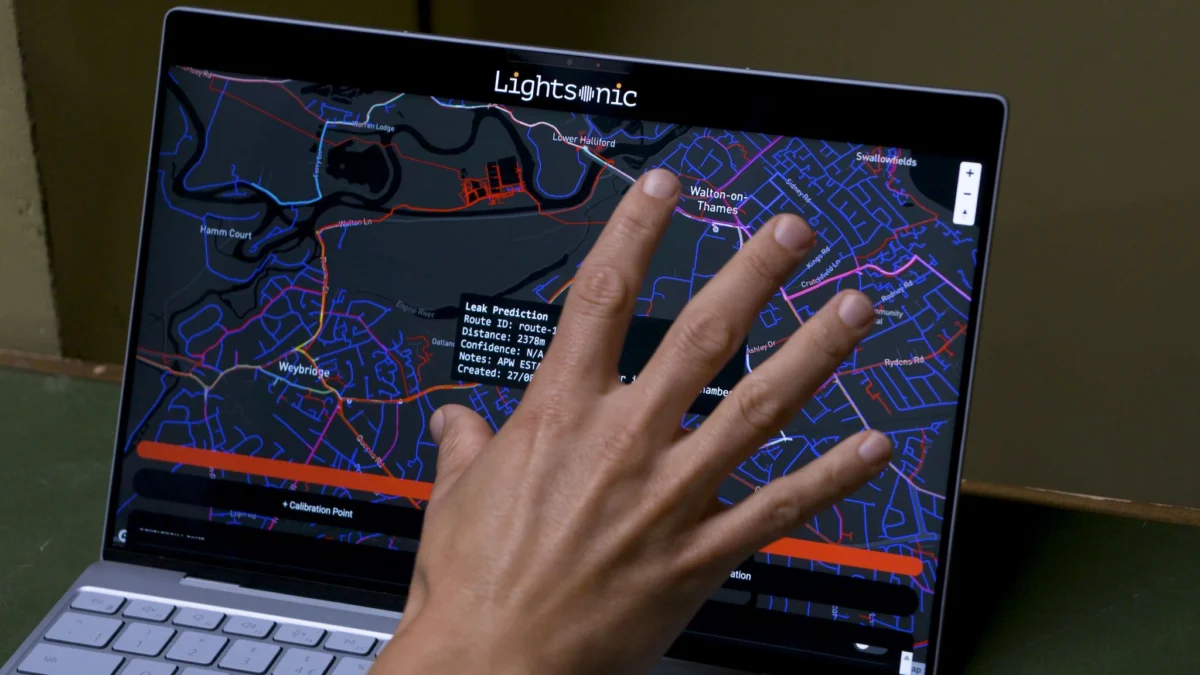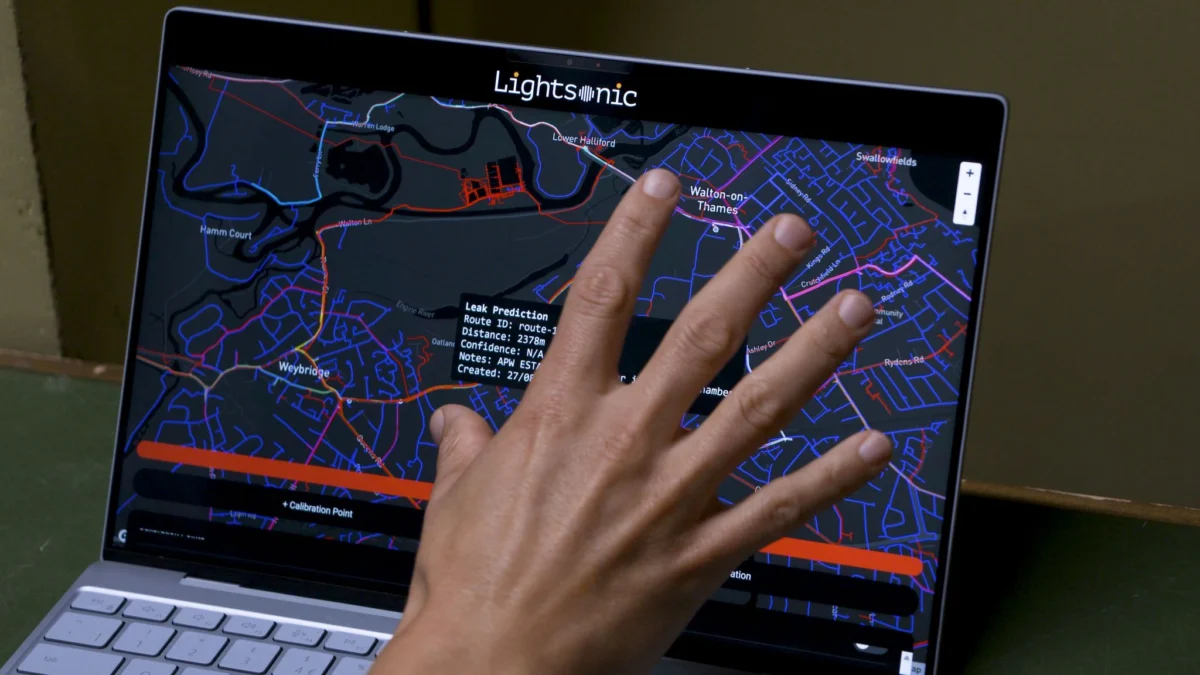
In an era defined by climate volatility and aging municipal infrastructure, the UK is turning to an unlikely ally to preserve its most precious resource: the national fibre optic network. Southern Water, one of the United Kingdom’s primary water utility providers, has officially announced a strategic partnership with Lightsonic, a sensing technology firm. The goal is to deploy advanced acoustic sensing units across Openreach’s extensive fibre optic grid, creating a subterranean "nervous system" capable of pinpointing water leaks with unprecedented precision.
This initiative marks a pivotal shift in how utility companies approach maintenance, moving away from reactive, manual leak detection toward a proactive, data-driven, and scalable monitoring framework. As the UK grapples with record-breaking temperatures and persistent water scarcity, the integration of telecom infrastructure and utility management offers a glimpse into the future of the "Smart City."
The Scale of the Challenge: 2.6 Billion Litres Lost Daily
The urgency behind the Southern Water-Lightsonic partnership is rooted in a staggering statistic: the UK’s aging pipe network loses approximately 2.6 billion litres of treated water every day. This "non-revenue water"—water that is processed and pumped but never reaches a customer—represents both a massive financial burden for utility companies and a significant environmental concern.
For years, the industry has relied on traditional acoustic loggers, manual inspections, and subterranean surveys to identify leaks. These methods are notoriously slow, expensive, and often inaccurate, as they require technicians to physically locate sounds that are frequently masked by traffic noise or deep-soil attenuation.
In the face of a warming climate, where the UK is experiencing record-breaking heatwaves and frequent hosepipe bans, the status quo has become untenable. With recent plans for critical infrastructure, such as new reservoirs, facing significant regulatory and political delays, utility companies are under intense pressure from the regulator, Ofwat, and the public to stem the tide of leakage through innovation rather than just capital-heavy construction.
Chronology of Innovation: From Pilot to Deployment
The path to this partnership was not instantaneous. It began with rigorous testing to ensure that sensitive fibre optic signals could be used as high-fidelity diagnostic tools without interfering with broadband traffic.
- March 2024: Openreach, Lightsonic, and Affinity Water launched an initial series of pilot projects. These trials were designed to test whether the acoustic vibrations generated by a leaking pipe could be detected through the thin glass strands of a fibre optic cable buried nearby.
- Summer 2024: Following the success of the initial trials, the data proved that the "acoustic footprint" of a leak—the subtle vibration caused by pressurized water escaping a pipe—could indeed impact the optical signal within a fibre cable.
- September 2025: Having proven the efficacy of the system over 650km of test networks, Southern Water officially signed a partnership to expand the deployment.
- Current Status: The technology has already demonstrated a track record of success, saving over 4 million litres of water per day across the initial test zones.
The Mechanics of Acoustic Sensing: Turning Broadband into a Diagnostic Tool
The genius of the Lightsonic solution lies in its "passive" nature. Rather than installing thousands of new, battery-powered sensors across a city—which would require immense capital expenditure, road closures, and maintenance—Lightsonic leverages the existing, sprawling reach of the Openreach fibre network.
How It Works
- Proximity: Openreach’s fibre network often runs in conduits parallel to water mains.
- Vibration Detection: When a pipe develops a leak, the high-pressure jet of water creates specific acoustic vibrations. These vibrations travel through the surrounding soil and physically shake the fibre optic cable.
- Signal Impact: This movement, while microscopic, creates a measurable, distinct impact on the optical signal—a phenomenon known as Distributed Acoustic Sensing (DAS).
- Analysis: Lightsonic’s proprietary algorithms process these signal disturbances in real-time, filtering out ambient noise (such as trains or heavy vehicles) to isolate the exact frequency of a leak.
- Prioritization: The utility company receives a prioritized map of leak locations, allowing repair crews to be dispatched precisely where they are needed, rather than searching blindly.
According to Lightsonic’s internal data, this technology is capable of detecting 1.2 million litres of water leaks per day for every 100km of network covered annually. This is a game-changer for utility companies that have previously struggled to allocate repair budgets effectively.
Official Responses: A Synergy of Utilities
The partnership has been hailed as a landmark example of cross-sector collaboration. By viewing infrastructure as an interconnected ecosystem, both the telecom and water sectors are finding ways to maximize the utility of existing assets.
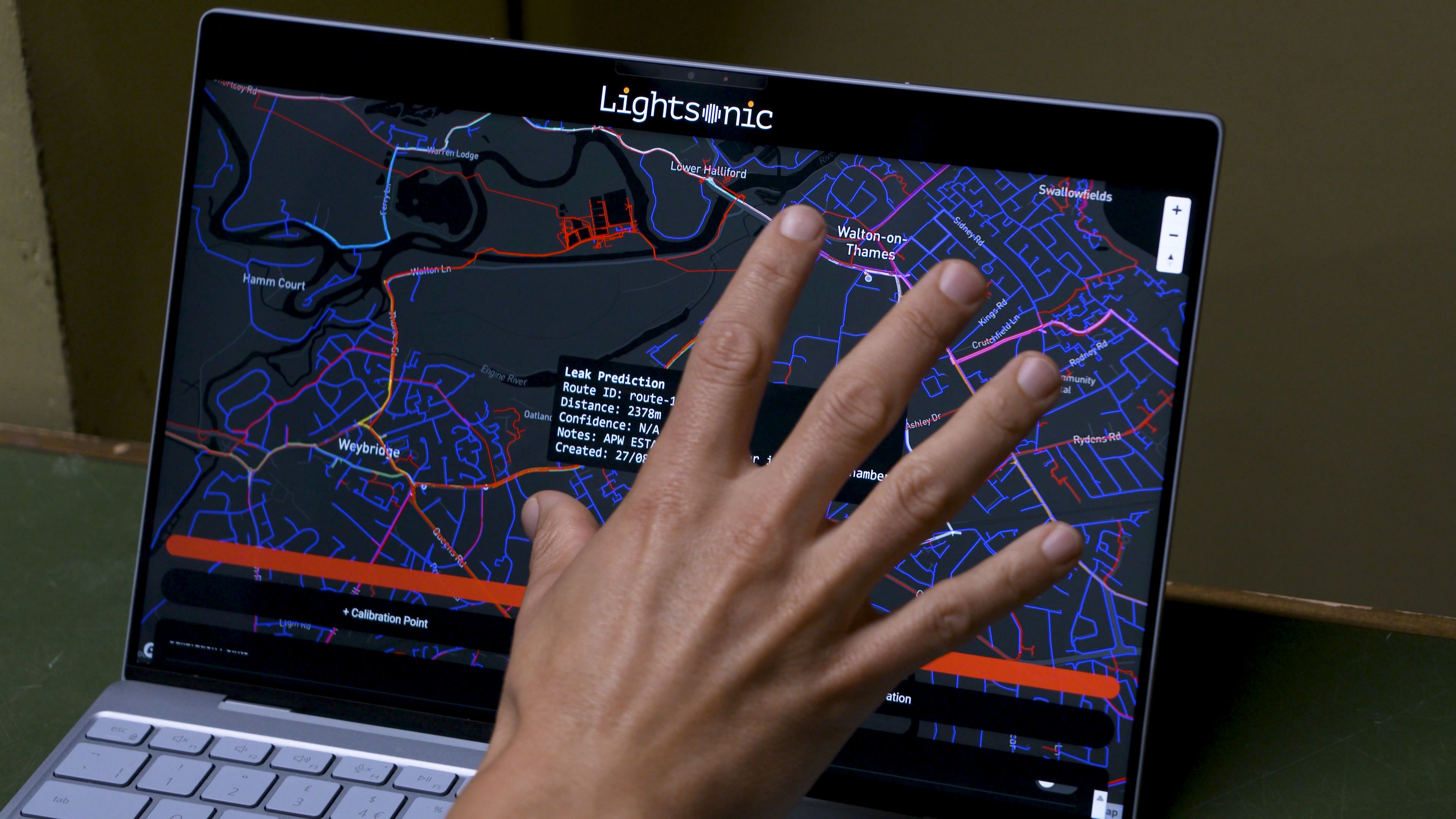
Tommy Langnes, CEO of Lightsonic, highlighted the convergence of multiple pressures. "Ageing infrastructure, leaking networks, and mounting climate pressure are converging, causing major water stress," Langnes stated. "By utilizing existing fibre optic infrastructure, we have a solution that can be quickly and effectively scaled across the UK. The industry needs a quick and comprehensive response, and that is what we offer."
From the perspective of Openreach, the project represents a evolution of the "broadband" mandate. Trevor Linney, Director of Network Technology at Openreach, noted: "The results of our existing pilots with Lightsonic show that our new full-fibre infrastructure can deliver value far beyond broadband. It could prove to be a real game-changer in solving real-world challenges like water conservation. Combining Lightsonic’s technology with the reach of Openreach’s Full Fibre network makes continuous utility monitoring genuinely scalable, without the cost and disruption of building a separate sensor network."
Implications for the Future of UK Infrastructure
The implications of this technology extend far beyond the immediate reduction of water waste. The deployment marks a fundamental change in the "Smart City" philosophy.
1. Cost Efficiency and Capital Reinvestment
By avoiding the need for a proprietary sensor network, water companies save millions in hardware and installation costs. These savings are not merely operational; they provide a fiscal runway for companies to reinvest in replacing the very pipes that are failing. As leaks are repaired, the structural integrity of the network improves, creating a virtuous cycle of maintenance.
2. Environmental Resilience
With the UK’s water security becoming increasingly precarious, the ability to conserve water is a matter of national interest. The combination of rising global temperatures and record-breaking heatwaves means that every litre of water saved is a buffer against the next drought.
3. A Blueprint for Future Infrastructure
The success of this partnership provides a template for other utility integrations. If fibre can monitor water, can it also monitor gas pipeline integrity, bridge structural health, or seismic activity? The potential to turn the national fibre grid into a massive, passive environmental sensor array is immense.
Conclusion: A New Era of Resource Management
As the UK moves toward a more digital-first society, the integration of fibre optic sensing into the water sector serves as a powerful reminder that the most innovative solutions are often found in the convergence of existing technologies.
While the challenges of climate change and crumbling infrastructure remain formidable, the Southern Water and Lightsonic partnership demonstrates that the path forward lies in efficiency, data, and collaboration. By turning the veins of our digital world—the fibre optic cables—into the eyes and ears of our utility networks, the UK is taking a significant step toward a more sustainable and secure future. As this technology scales, it may well become the gold standard for water management worldwide, proving that in the race against climate-induced water stress, the best tool is already buried beneath our feet.