
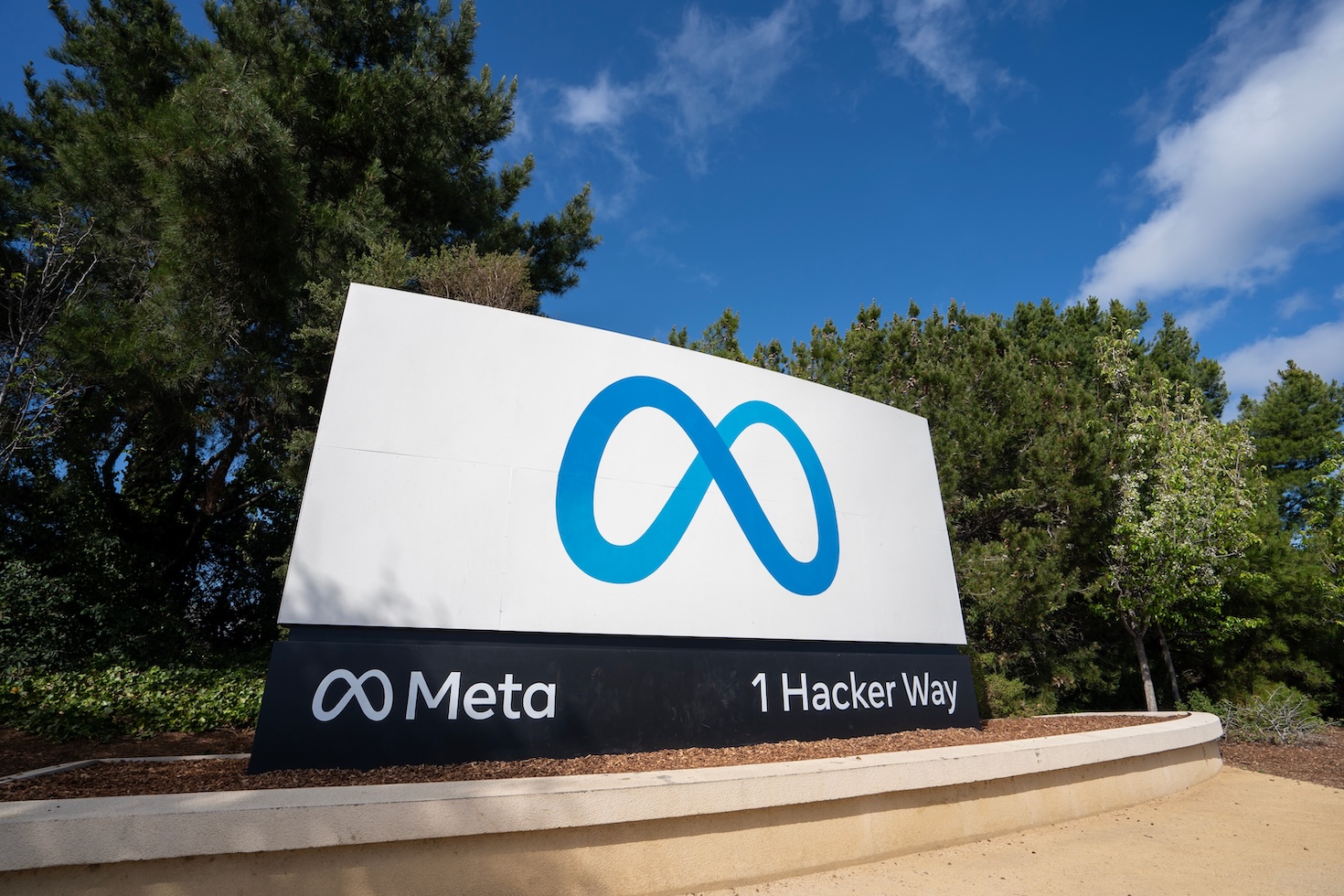
In a landmark shift for the technology sector, Meta has become the first of the major cloud-computing giants to openly acknowledge that its ambitious 2030 net-zero targets may no longer be feasible. Following a year of explosive growth driven by the insatiable energy demands of artificial intelligence, the social media titan has signaled a formal re-evaluation of its climate timelines, effectively decoupling itself from the "stay-the-course" rhetoric maintained by its peers at Microsoft, Google, and Amazon.
This admission, contained within the company’s 2026 Meta Sustainability Report published on November 19, marks a sobering reality check for the tech industry. As the race to build out the infrastructure for Large Language Models (LLMs) and generative AI accelerates, the physical footprint of the digital revolution is increasingly clashing with the decarbonization mandates set by corporate boards at the start of the decade.
The Collision of Ambition and Infrastructure
When Meta initially outlined its path to net-zero, the "operating environment" looked fundamentally different. Executives envisioned a future characterized by steady, manageable growth, a rapid decline in the cost of renewable energy, and a predictable transition toward a decarbonized power grid. Instead, the industry has been blindsided by a "perfect storm" of technological and systemic hurdles.
Rachel Peterson, vice president of data centers at Meta, and Blair Swedeen, global head of net zero and sustainability, articulated the challenge in the report’s introduction. "The pace of artificial intelligence expansion has outstripped those expectations," they noted. Beyond the sheer volume of electricity required to train and deploy AI models, the company is grappling with stalled clean energy deployments. Chronic bottlenecks in the form of interconnection queues—where new renewable projects wait years to be plugged into the grid—and a sluggish supply chain for low-carbon construction materials have made Meta’s original milestones increasingly difficult to defend.
"We are re-evaluating our timelines, sequencing, and interim milestones—including the 2030 timeframe for our net-zero emissions goal and our near-term intensity targets—so our approach reflects current operating realities while keeping progress transparent year over year," the executives stated.
A Chronology of the Emissions Spike
To understand how Meta reached this crossroads, one must look at the trajectory of the last 24 months.
- 2020–2021: Meta solidified its 100% renewable energy procurement strategy, establishing a baseline that allowed the company to claim carbon neutrality for its operational electricity usage. These years were viewed as the foundation for a successful 2030 net-zero transition.
- 2023: As the generative AI boom began, the construction of "AI-ready" data centers surged. The demand for GPUs and high-performance computing hardware triggered an immediate, sharp uptick in Scope 3 emissions (indirect emissions from the value chain).
- 2024: The "AI buildout" reached a fever pitch. Power consumption began to decouple from renewable energy availability, as data center energy requirements began to outpace the local development of wind and solar capacity in specific regions.
- 2025: The current reporting period reveals the full extent of the impact. Meta’s emissions surged by double digits, forcing a public admission that the existing climate roadmap was insufficient to handle the unforeseen scale of the AI expansion.
- Late 2026: Meta officially announces the re-evaluation of its climate goals, becoming the first "Big Tech" firm to formally question the viability of its 2030 targets.
Supporting Data: The Scale of the Challenge
The 2026 Sustainability Report provides a stark look at the disconnect between corporate climate goals and operational reality. Meta’s net carbon footprint, which accounts for various contractual carbon-offsetting instruments, jumped by 45% in 2025, reaching 11.9 million metric tons of carbon dioxide equivalent (mtCO2e). When looking at location-based emissions—which ignore the "paper" offsets of renewable energy credits and look at the actual carbon intensity of the grid—the figure climbs to a staggering 21.7 million mtCO2e.
The primary drivers of this increase are two categories that reflect the massive capital expenditure required for AI:
- Purchased Goods and Services: Up 36%.
- Capital Goods: Up 58%.
These figures represent the massive manufacturing and logistics effort required to produce the servers, cooling systems, and specialized hardware necessary to run Meta’s proprietary AI models. Furthermore, while Meta has historically succeeded in reducing its operational emissions, the footprint from its electricity use skyrocketed by 38% between 2024 and 2025. This correlates directly with a 35% increase in total power consumption, illustrating that even with a commitment to 100% renewable energy, the sheer volume of power required for AI creates an unavoidable carbon wake.
Perhaps most concerning for investors and climate scientists alike is that Meta’s Scope 3 emissions are now more than 105% above their 2021 levels. This effectively renders the company’s original pledge—to keep Scope 3 emissions below 2021 levels by 2030—mathematically impossible under current growth patterns.
Industry Comparison: How the Tech Giants Stack Up
Meta is not alone in this struggle. The entire "Cloud Four"—Amazon, Google, Microsoft, and Meta—are grappling with the same fundamental conflict. In recent sustainability disclosures, every member of this group reported double-digit emissions growth:
- Microsoft: Reported a 25% jump in its footprint, largely attributed to the embodied carbon in the building materials and hardware for its expanding data center network.
- Google: Disclosed an 18% year-over-year increase, explicitly citing the heavy energy weight of AI and the technical challenges of optimizing for efficiency in a period of rapid scaling.
- Amazon: Posted a 16% increase, a figure that includes the complexity of its global e-commerce and logistics network alongside its massive AWS data center operations.
While these companies have faced intense pressure to justify these increases, most have maintained their commitment to 2030 net-zero targets. Microsoft, for instance, has pivoted toward aggressive carbon removal investments, while Amazon has introduced new carbon-intensity metrics for its electricity usage. Meta’s departure from this script—by signaling a "re-evaluation" rather than a "doubling down"—marks a significant inflection point in corporate ESG (Environmental, Social, and Governance) strategy.
The Implications of a "Realist" Climate Policy
Meta’s decision to move toward a "realistic" timeline carries profound implications for the tech industry and the global transition to green energy.
1. The Death of the "Easy" Net-Zero Narrative
For years, tech companies have relied on renewable energy credits and power purchase agreements (PPAs) to achieve net-zero status while their actual energy demand soared. Meta’s admission signals that these accounting maneuvers are no longer sufficient to mask the physical reality of grid expansion. It suggests that the industry is hitting a "hard limit" where digital growth and decarbonization are, for the moment, fundamentally at odds.
2. A Shift in Regulatory Expectations
By publicly questioning its 2030 timeline, Meta is likely attempting to get ahead of the scrutiny from investors and climate regulators. By being transparent about the "operating realities," the company may be looking to set a more credible, albeit slower, benchmark that avoids the risk of being accused of "greenwashing" later in the decade.
3. The Need for Grid Reform
Meta’s focus on "interconnection and permitting queues" is a direct appeal to policymakers. The company is essentially arguing that it cannot meet its climate goals without a massive overhaul of the electrical grid. This could lead to a new phase of corporate advocacy, where Big Tech companies move from being mere buyers of renewable energy to active lobbyists for the modernization of national power infrastructure.
4. Technological Efficiency as the New ESG Metric
If the 2030 timeline is pushed back, the primary metric of success will likely shift from absolute emissions reductions to carbon-per-compute intensity. Meta and its peers will be under immense pressure to prove that their AI systems are becoming more efficient at an exponential rate, even if the total power draw remains high.
Conclusion: A Pivot, Not a Retreat
Meta’s announcement does not represent a abandonment of climate responsibility, but rather a pivot toward a more pragmatic, long-term strategy. The era of assuming that tech growth could be cleanly decoupled from emissions growth through simple market-based solutions is coming to an end.
As the company prepares to "share where this work lands" regarding its revised milestones, the tech sector will be watching closely. Whether Meta’s move is viewed as a failure of leadership or a courageous embrace of reality will depend on what the company chooses to prioritize next. In the race for AI supremacy, the battle for the grid has only just begun, and the climate goals of yesterday are proving no match for the computational demands of tomorrow.