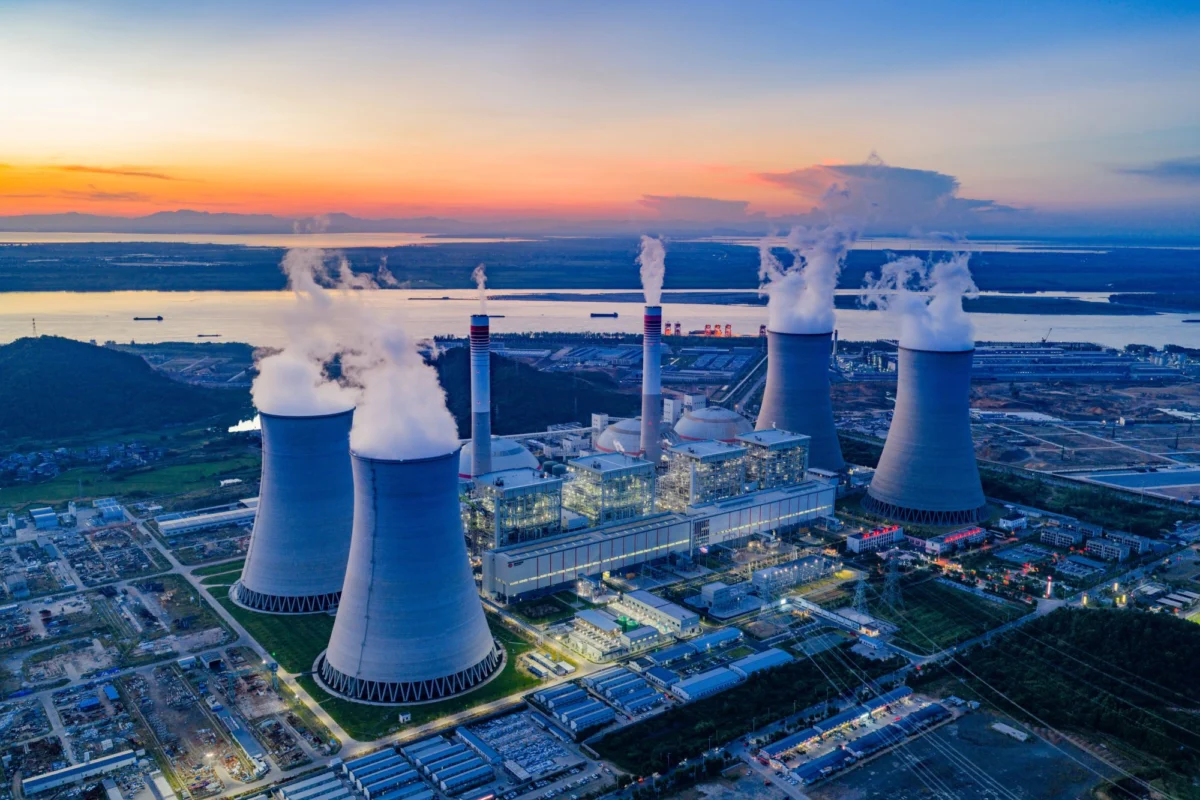
Every time a user prompts an AI model like ChatGPT or Claude, a complex, invisible chain of events is triggered. Miles of fiber-optic cables hum with data, thousands of high-performance GPUs flicker in massive, climate-controlled warehouses, and vast amounts of electricity are consumed to generate a response in seconds. While the computational efficiency of these models is often touted, the environmental reality is far more granular and, until recently, dangerously overlooked: AI’s physical infrastructure relies on land and water resources that place an immense, often unquantifiable strain on natural ecosystems.
A pioneering new service from the Colombian biodiversity firm Terrasos is now attempting to solve this "invisibility" problem. By creating a mechanism that links AI usage to the restoration of cloud forests, the initiative aims to move the conversation beyond carbon footprints and into the realm of nature-positive accountability.
Main Facts: A New Frontier in Corporate Responsibility
The core challenge of AI-driven environmental degradation is the lack of geographical specificity. When a company uses AI, it is virtually impossible to pinpoint which specific data center processes the request, what local ecosystem that facility impacts, or how that impact is distributed across the global supply chain.
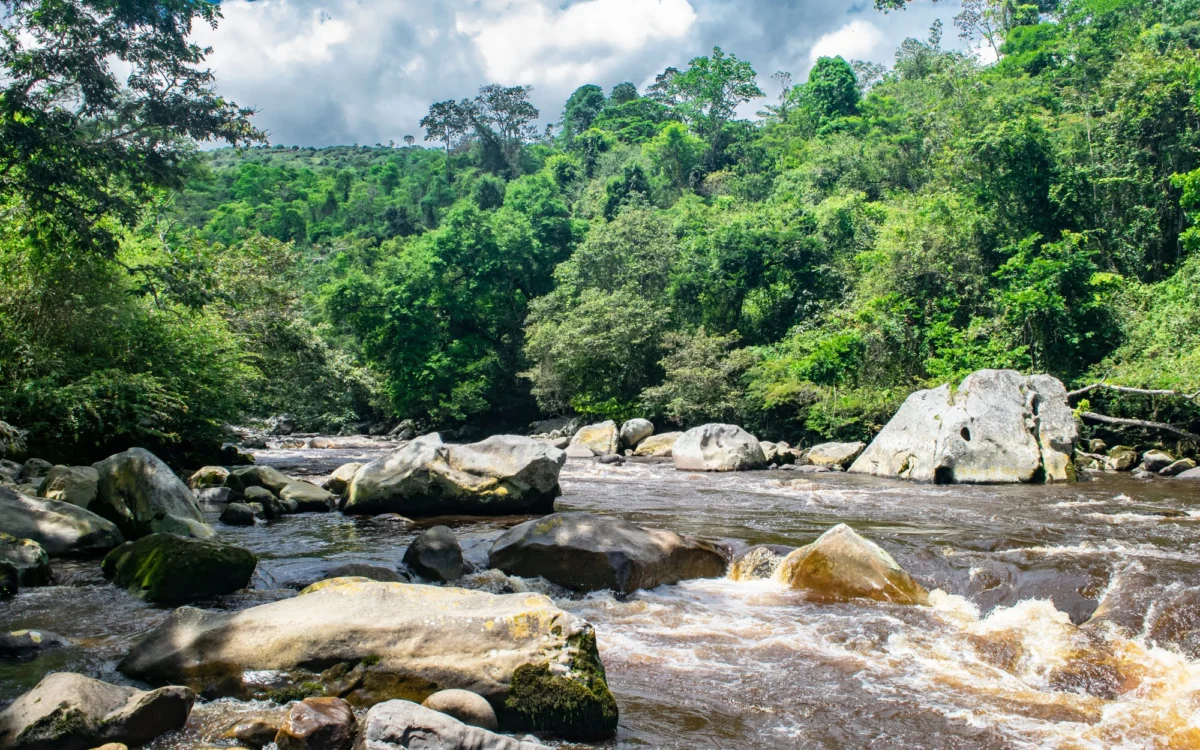
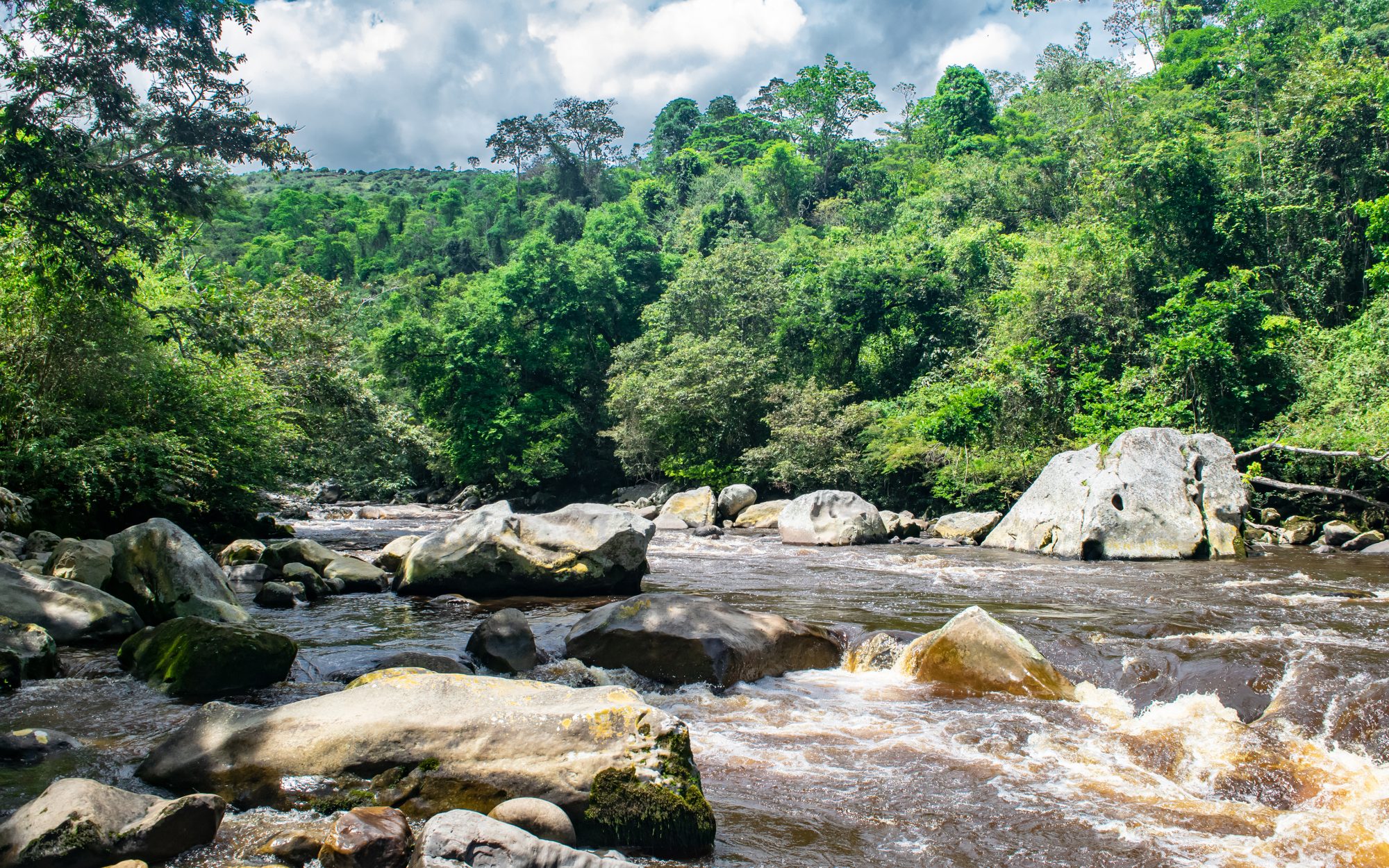
Terrasos, a leader in the biodiversity credit space, has launched a service designed to address this friction. The Taskforce on Nature-related Financial Disclosures (TNFD)—the global body setting standards for how organizations report their relationship with nature—has become the first major user of this service. The TNFD recently purchased biodiversity credits to account for the environmental impact generated by the AI used in the production of its latest annual report. The revenue from these credits is being directed toward the conservation of vital Colombian cloud forests.
Unlike carbon markets, where companies seek to "offset" a specific amount of emissions with an equivalent reduction elsewhere, the Terrasos model frames these credits as a "contribution." This distinction is critical: it avoids the ethical and technical pitfalls of claiming that a forest in South America "neutralizes" the energy consumption of a server in Northern Virginia.
Chronology: The Evolution of the Tebu
The development of the "Tebu" (the name for the credit unit provided by Terrasos) represents a pivot in how environmental services are valued.
- Pre-2023: The Compliance Foundation. Terrasos initially built its reputation within the Colombian compliance market, working primarily with energy and infrastructure companies mandated by law to mitigate their environmental impacts.
- Early 2024: Identifying the AI Gap. As generative AI became ubiquitous, the Terrasos team identified a growing anxiety among corporate clients regarding the "nature-blindness" of their digital infrastructure.
- Mid-2024: Developing the Framework. The team developed a three-stage process to measure the impact of AI compute power on ecosystems, settling on the assumption that data centers, by their sheer scale, inherently displace tropical forest habitats.
- Late 2024: The TNFD Pilot. The TNFD engaged with Terrasos to pilot the service, utilizing the credits to account for the AI-assisted drafting of its annual report.
- Current Status: Scaling to Industry. With the TNFD project complete, Terrasos is now moving toward broader adoption, including high-profile partnerships with corporations like the Brazilian cosmetics giant Natura, which seeks to protect the specific ecosystems from which it sources raw materials.
Supporting Data: Why AI Demands Nature-Positive Metrics
The environmental toll of AI is rarely captured in ESG reports. While greenhouse gas emissions from data centers are increasingly tracked, the nature impact—water consumption for cooling, the land footprint of server farms, and the mining of rare earth minerals—remains largely opaque.
According to Terrasos, the methodology for calculating "Tebus" relies on proxy metrics. Because the firm cannot definitively track a single query to a specific geographic point, they apply a conservative, high-impact assessment. They assume that the energy and physical infrastructure footprint of AI compute is, at its baseline, a contributor to tropical forest loss.
This is not a perfect science, but it is a radical improvement over the status quo, which effectively assigns a "zero" impact value to the nature-related costs of software services. By quantifying the "proportional impact" of AI usage, the model allows companies to move from a mindset of "minimizing harm" to one of "net contribution."
Official Responses: Navigating the "Offset" Trap
The terminology surrounding these credits is perhaps the most sensitive aspect of the project. Mauricio Serna, Terrasos’ country manager for Brazil, is explicit: these are not offsets.
"Claiming a Tebu as an asset similar to a carbon credit would be problematic," Serna says. "We don’t know where the impact is being produced, and we are not compensating with a like-by-like ecosystem."
Serna points out the absurdity of trying to create a direct offset for digital activity: "It is impossible at present to know which data center executed a given AI query. Even if that were known, it would be impractical to find and fund a nature project in the exact same ecosystem to ‘cancel out’ that specific compute event."
Instead, the Terrasos model treats the purchase as a contribution to nature protection. This is a nuanced but profound departure from the "net-zero" narrative that has dominated corporate environmentalism for decades.
Martin Stuchtey, a former senior partner at McKinsey and a prominent voice in the valuation of natural systems, views this shift with optimism. "The voluntary carbon market is centered on the idea that the harm comes before the good," Stuchtey explains. "By framing nature credits as a contribution rather than a compensation, we open up the possibility of a ‘nature-positive’ approach. We are not trying to cancel out the past; we are trying to fund the regeneration of the future."
Implications: The Future of Digital Stewardship
The implications of this model are twofold: they challenge the tech industry to acknowledge the physical reality of their virtual services, and they provide a path for the voluntary biodiversity market to scale.
1. The Tech Industry’s "Nature-Positive" Pivot
For tech giants—who are currently racing to build larger data centers to meet the demands of Large Language Models (LLMs)—this framework provides a new layer of risk management. As regulators and NGOs tighten their scrutiny on nature-related impacts, companies that can prove they are contributing to ecosystem restoration will have a distinct competitive advantage in both brand equity and regulatory compliance.
2. A New Model for Biodiversity
The broader market is already taking note. While the initial focus is on AI, the framework is scalable. Natura’s interest in the service suggests that companies with direct supply chains are looking for ways to link their consumption to the health of the biomes they depend on. If successful, this could turn the "biodiversity credit" into a standard line item in corporate sustainability budgets, right alongside renewable energy certificates.
3. Ethical Considerations and Future Challenges
However, critics warn that "contribution" models must not become a form of "green-laundering" where tech companies pay a small fee to avoid addressing the underlying inefficiency of their hardware. For the Terrasos model to succeed, transparency is paramount. The metrics used to calculate the proportional impact of AI must be refined as the industry learns more about the specific geographic footprints of hyperscale computing.
Furthermore, there is the challenge of "additionality." Are these funds truly restoring forests that would have been destroyed otherwise, or are they simply protecting land that was never at risk? The credibility of the entire market hinges on the robustness of the monitoring and verification systems that Terrasos puts in place.
Conclusion
The marriage of artificial intelligence and biodiversity conservation is, at first glance, an unlikely one. Yet, as our digital lives become increasingly inseparable from our physical environment, the need for a bridge between the two has never been more urgent.
By refusing to call their credits "offsets," Terrasos and their partners are signaling a maturity in the sustainability space. They are moving away from the accounting tricks of the past—which promised "neutrality"—and toward a future of active stewardship. The TNFD’s decision to adopt this model is a significant signal to the financial world: the digital revolution has a cost, and it is time we started paying it back to the natural world.