HALIFAX, Nova Scotia — As the political landscape in Washington D.C. shifts ahead of the new congressional session, a high-stakes confrontation is brewing between Capitol Hill and the world’s most prominent aerospace company. Senator Chris Coons (D-Del.), a key voice on foreign policy and defense appropriations, has issued a sharp warning: the federal government will soon investigate why critical satellite internet services provided to Ukraine have been subject to unexplained, intermittent disruptions.
The dispute centers on "Starshield," the specialized, military-grade iteration of SpaceX’s Starlink satellite constellation. For Ukraine, this technology has served as the backbone of its communications, intelligence gathering, and drone warfare operations against Russian forces. However, recent reports of service outages and bandwidth throttling have sparked a firestorm of concern regarding national security, corporate autonomy, and the reliability of American-backed military infrastructure.
The Core Conflict: A "Personal Toy" or Strategic Asset?
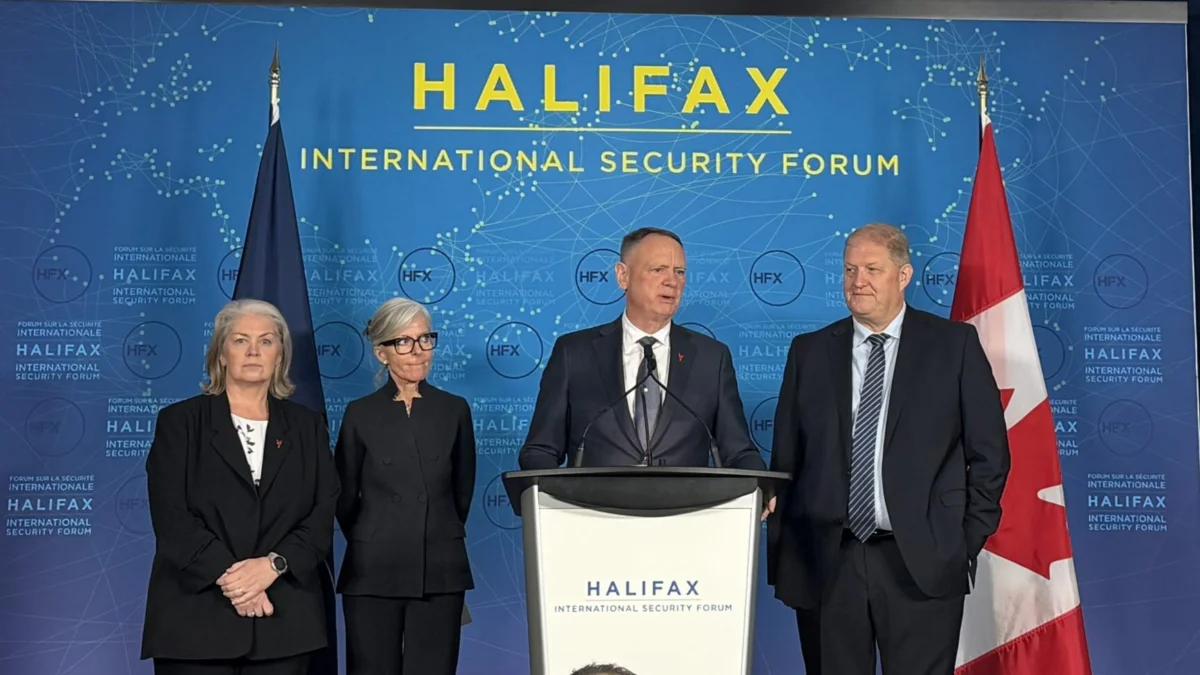
During a panel at the Halifax International Security Forum, Senator Coons did not mince words regarding the operational instability of Starshield. Addressing an international assembly of defense ministers and security experts, Coons characterized the erratic nature of the service as a direct threat to Ukrainian lives and a blow to American credibility.
“Look at Starshield being turned on and off,” Coons stated. “It is killing civilians. It is undermining the world’s confidence in the United States as a supplier of key security equipment. These are services paid for by American taxpayers under contract. This is not Elon Musk’s personal toy.”
The Senator’s remarks signal a pivotal moment in the relationship between the Pentagon and private sector defense contractors. With the U.S. government footing the bill for essential communications infrastructure in active conflict zones, lawmakers are increasingly questioning whether a private corporation should possess the technical power to dictate the flow of tactical information on a foreign battlefield.
Chronology of Disruptions
The reliability of Starshield has been a fluctuating variable throughout the war, but recent months have seen a marked increase in technical volatility.
- October 2026: Ukrainian officials reported a sudden, widespread failure of the Starshield network. The outage was not merely a technical glitch; Kyiv attributed the loss of connectivity to the subsequent failure of critical drone defense missions, which resulted in significant military and civilian casualties.
- Late October 2026: Following international outcry and diplomatic pressure, Ukrainian officials confirmed that service had been largely restored, though the exact cause of the initial blackout remained shrouded in mystery.
- November 2026: Tensions flared anew as Ukraine reported that the network was again being hampered. Denys Sienik, Chargé d’Affaires for Ukraine, issued a formal statement on November 9, noting that "speed limitations" had been implemented specifically over occupied territories and the active contact line.
- Mid-November 2026: Sienik reported that speeds in these critical zones were being throttled to 100 mph (a proxy measure for bandwidth capacity), severely limiting the efficacy of drone interceptions. As of late November, Kyiv remains without a clear explanation from either SpaceX or the U.S. Department of Defense.
The Intersect of Geopolitics and Technology
The timing of these service degradations has drawn intense scrutiny from lawmakers, as they coincide with a major shift in U.S. foreign policy. Reports have surfaced that the administration of President Donald Trump recently finalized a deal with Russian President Vladimir Putin involving the importation of Russian diesel.
Concurrent with this economic pivot, the administration has reportedly pressured Ukraine to cease strikes on Russian oil refineries—a strategic tactic previously used by Kyiv to disrupt the Russian war machine. Whether the Starshield slowdowns are a byproduct of technical "geofencing" meant to enforce these political constraints, or a manifestation of corporate-level decision-making, remains the central question for Congress.
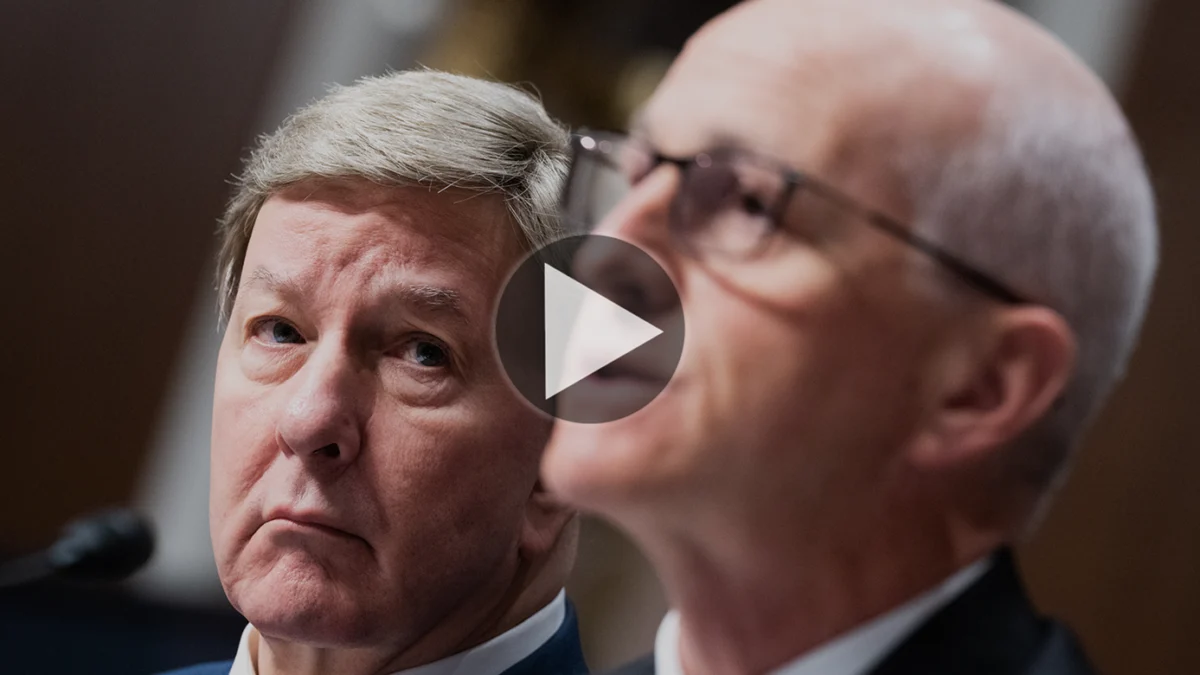
Representative Jim Himes (D-Conn.), who is slated to chair the House Intelligence Committee, has taken formal action. CNN reported that Himes dispatched a classified communication to Director of National Intelligence Jay Clayton, demanding a definitive accounting of the factors leading to the Starshield degradation. The move suggests that the inquiry will not be limited to the Senate; it is quickly becoming a bicameral mission to uncover the truth.
Official Responses and the "Power of the Purse"
To date, both SpaceX and the Pentagon have remained largely silent on the technical specifics of the outages. The U.S. Embassy has declined to comment on the current status of Starshield, leaving a vacuum of information that Senator Coons intends to fill.
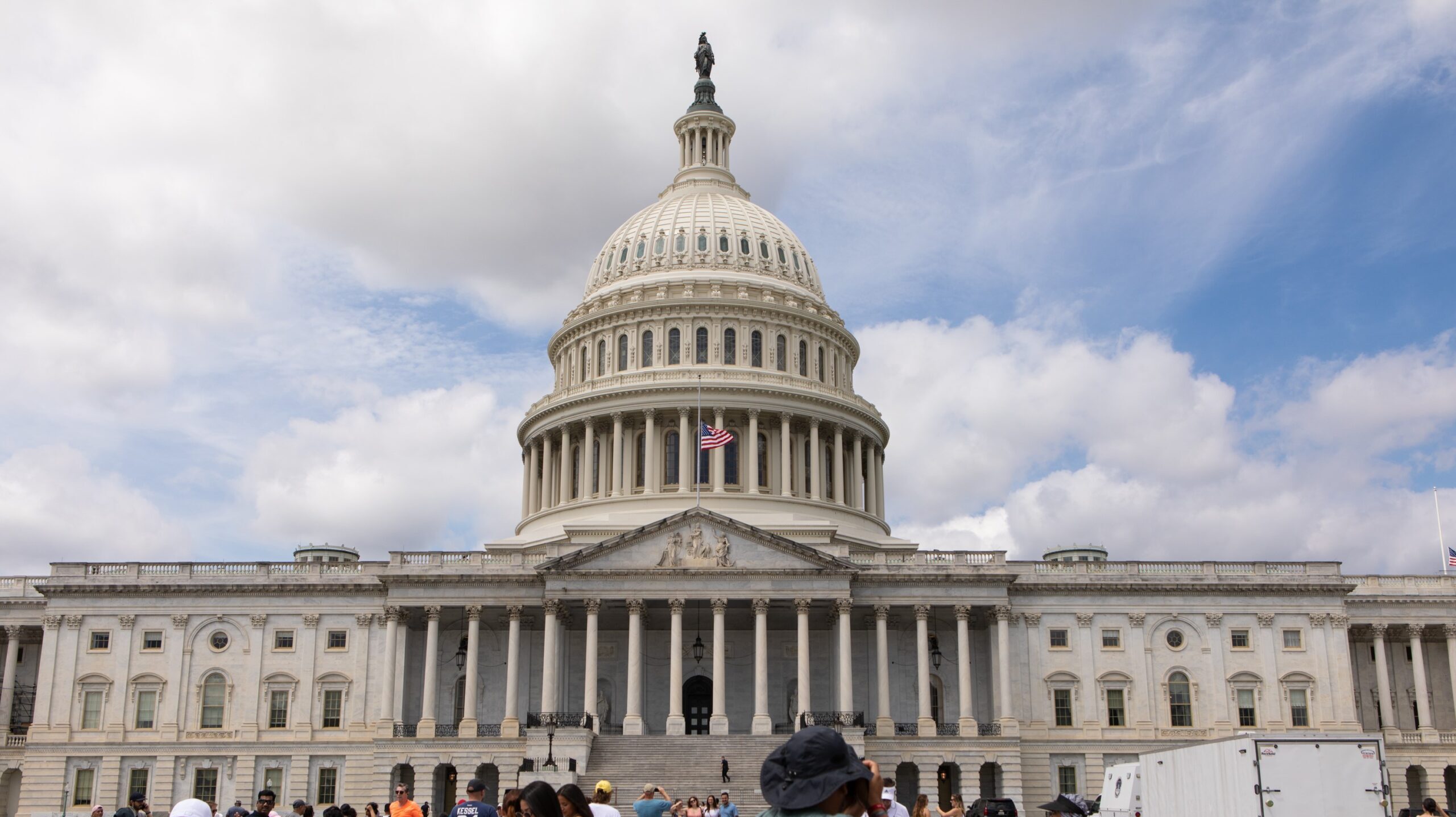
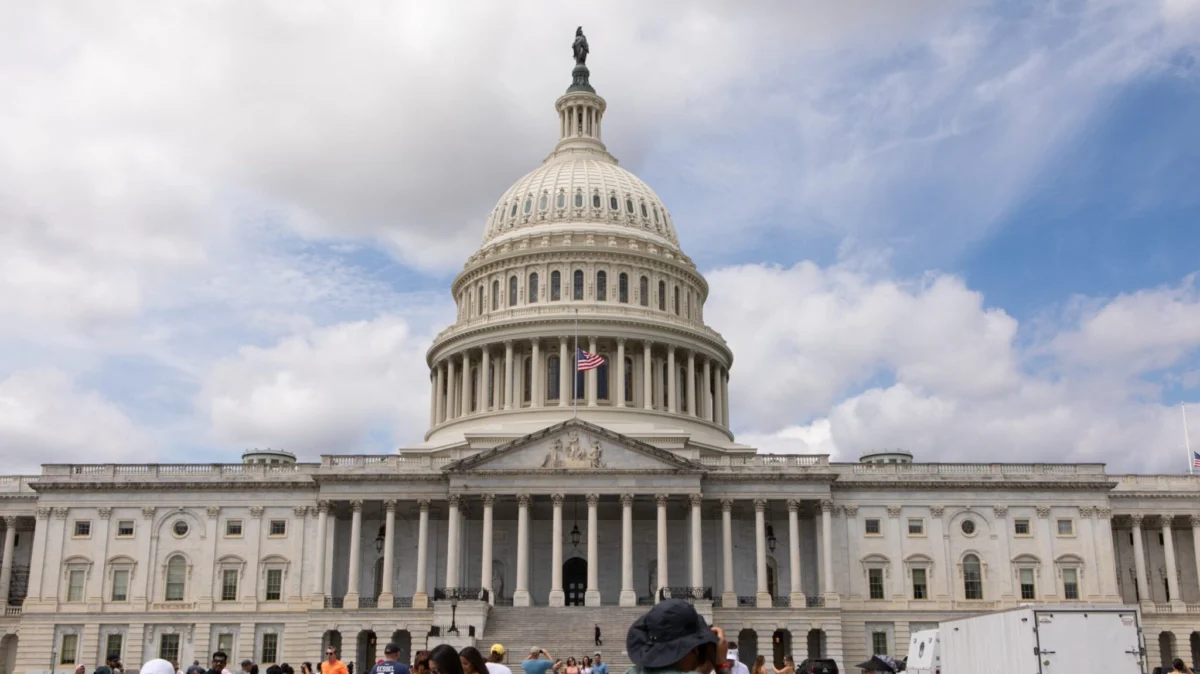
Coons, a senior Democrat on the Senate Appropriations defense subcommittee, is positioned to assume the gavel of the Senate Foreign Relations Committee. He has pledged that one of his first acts as chair will be to subpoena testimony regarding the Starshield situation.
“What the hell is happening?” Coons asked the Halifax audience. “Why is this being done? What are the consequences and the costs? And what does it say about our reliability in the future?”
The investigation, however, faces significant hurdles. Coons warned that while Congress holds the “power of the purse,” the executive branch—specifically the Office of Management and Budget (OMB)—retains the authority to shift funds and effectively bypass congressional intent. This administrative maneuvering could be used to shield the administration’s dealings from oversight or to impede continued support for Ukraine.
Implications: The Future of Private-Public Defense
The Starshield dilemma raises profound questions about the future of warfare in the age of commercial technology. As the military increasingly relies on "dual-use" technologies developed by private firms, the traditional boundaries of command and control are blurring.
1. Sovereignty and Corporate Influence
If a private entity can unilaterally restrict a nation’s ability to defend itself, the concept of national sovereignty is challenged. The reliance on a single provider for critical communications infrastructure creates a "single point of failure" that adversaries can exploit through diplomatic pressure or corporate lobbying.
2. Reliability of U.S. Security Guarantees
Allies of the United States are watching the Starshield situation closely. If the U.S. cannot guarantee the consistency of the technology it supplies, those allies may begin to seek alternative, domestic, or non-American providers for their defense needs. The perception of the U.S. as an unreliable partner could have long-term ramifications for NATO and other regional alliances.
3. The New Regulatory Framework
Congress is now likely to pursue a new regulatory framework governing the contracts between the Department of Defense and private satellite providers. This may include "service-level agreements" (SLAs) that explicitly prohibit the throttling of data in conflict zones and mandate transparency in the event of technical outages.
Conclusion: A Slow, Difficult Road Ahead
Senator Coons acknowledged that the path to accountability will be fraught with difficulty. In a political environment where the executive branch is seeking to minimize its commitments to the war in Ukraine, the effort to uncover the truth behind SpaceX’s operations will require sustained political will.
"We will see change," Coons told the assembly in Halifax. "It will not be as swift, as complete, or as easy as I think our pundits on television think."
As the new year approaches, the intersection of space technology, presidential diplomacy, and congressional oversight will define one of the most critical security debates of the decade. For the people of Ukraine, the stakes are not merely political; they are a matter of survival on the front lines, where the flick of a digital switch can mean the difference between defense and defeat. Whether the U.S. government can reassert control over the tools it purchases, or whether the era of "corporate warfare" has arrived, remains the defining challenge for the incoming Congress.