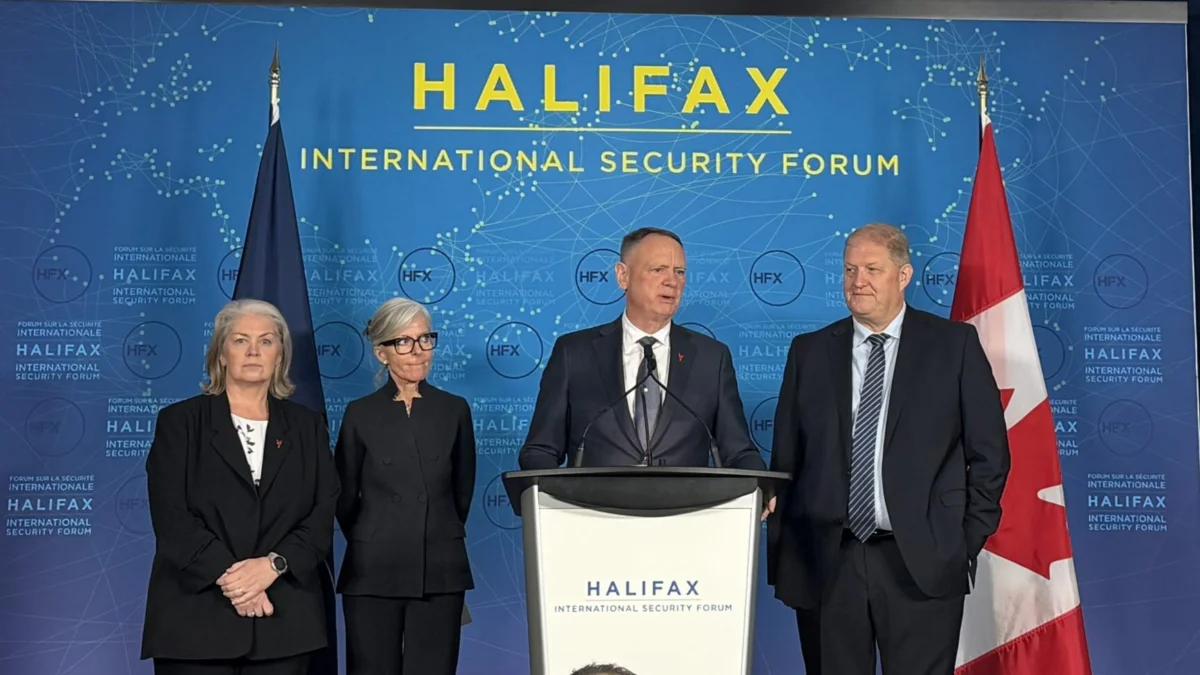
HALIFAX, Nova Scotia — The long-standing, seamless military partnership between the United States and Canada has entered a period of newfound uncertainty. As defense officials and global security experts gathered this week for the prestigious Halifax International Security Forum, the proceedings were overshadowed by a startling development from Washington: reports of a classified directive from U.S. Secretary of Defense Pete Hegseth that imposes new, restrictive conditions on the bilateral defense relationship.
While Canadian officials were quick to project a sense of stability, the revelation has sent ripples through the defense establishment, highlighting a growing divergence in industrial strategy and a cooling of diplomatic relations between the two North American neighbors.
The Core Conflict: A Secret Memo and Unanswered Questions
The controversy erupted late Friday when The Washington Post reported that Secretary Hegseth had issued a classified memo aimed at recalibrating the U.S.-Canada defense relationship. The memo, the contents of which remain undisclosed to the Canadian government, suggests a deliberate shift in how the Pentagon manages its northern neighbor.
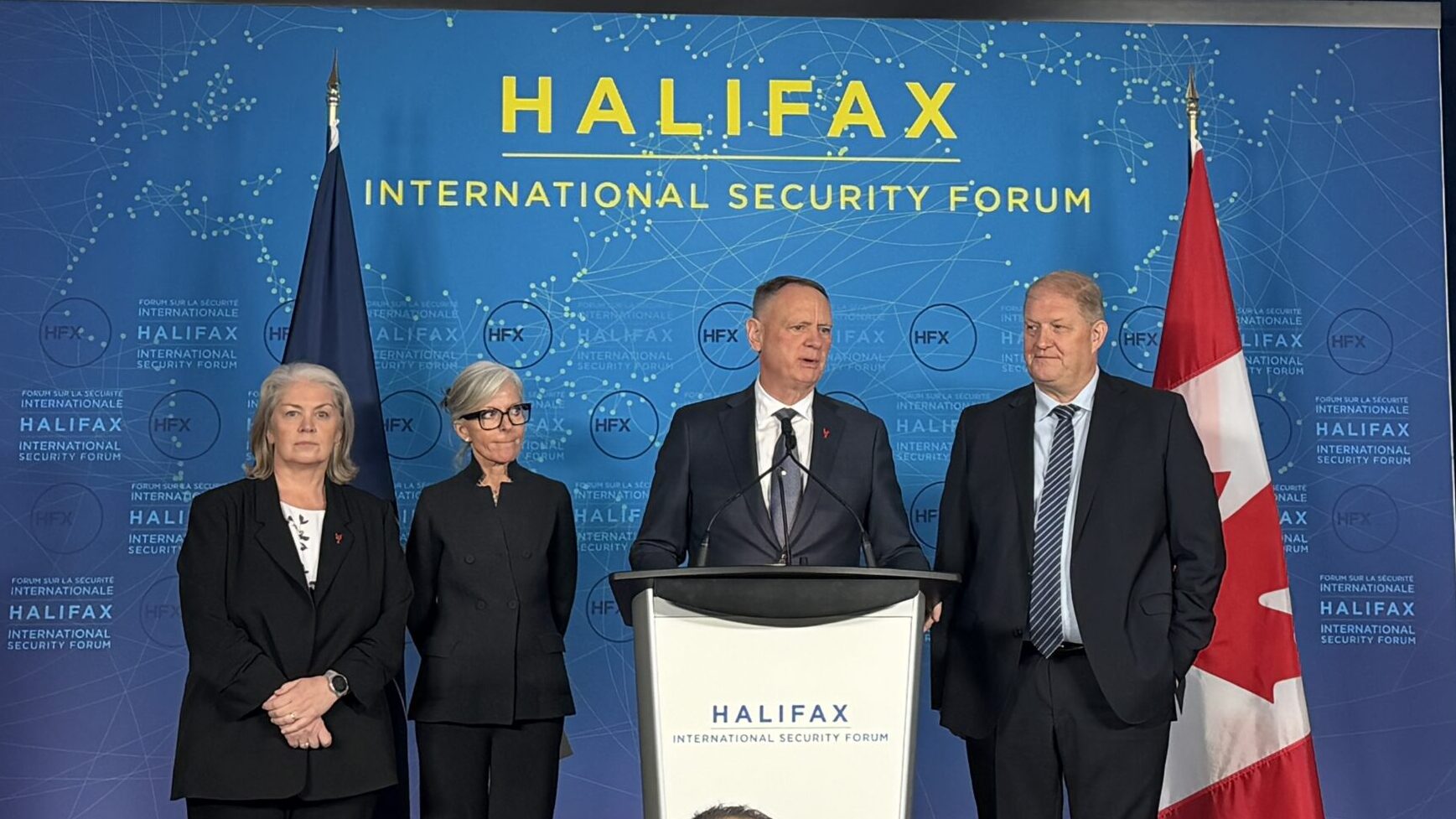
Canadian Minister of National Defence David McGuinty, speaking to the press on the sidelines of the Halifax forum, admitted that Ottawa was caught off guard. “It’s clear that there’s some sort of document we haven’t seen, not aware of the contents of it,” McGuinty stated. “But I can assure Canadians, and I can assure anybody who’s interested, that Canadian-American cooperation on defense, security, and intelligence continues.”
Despite the Minister’s reassurances, the existence of the directive points to a friction point that has been building for months. Analysts suggest that the move is not merely administrative but symptomatic of a broader protectionist turn in U.S. policy, occurring simultaneously with a bitter, ongoing trade dispute between the two nations.
Chronology of the Diplomatic Chill
The current tension is the culmination of several months of escalating policy shifts and strategic maneuvering:
- Early 2026: Canada signals a departure from its historical reliance on U.S. defense procurement, citing the need for greater industrial sovereignty.
- February 2026: New U.S. arm sales policies generate anxiety in Ottawa, as Canadian officials express frustration over opaque export requirements and supply chain bottlenecks.
- Mid-2026: Canada formally unveils its Security, Sovereignty, Prosperity Defence Industrial Strategy, aimed at building domestic production capacity in 10 "core" military sectors.
- November 20, 2026: The Washington Post reveals the existence of Secretary Hegseth’s classified memo, which effectively restricts "business as usual" for U.S.-Canada defense engagement.
- November 21–22, 2026: The Halifax International Security Forum becomes the stage for damage control, with Canadian officials asserting the strength of the alliance even as they confirm plans to move away from U.S. dependency.
Pentagon and Legislative Responses: Clarifying the "Guidance"
The Pentagon has been measured in its response, attempting to frame the memo as a strategic optimization rather than a diplomatic snub. Chief Pentagon Spokesman Sean Parnell characterized the directive as a mechanism to ensure that bilateral engagements "advance tangible U.S. defense objectives."
"The Department of War is prioritizing opportunities for bilateral cooperation that strengthens the defense of our Homelands and shared hemisphere, while supporting Canada’s ability to meet NATO obligations," Parnell stated. He explicitly noted that the guidance does not impact the binational North American Aerospace Defense Command (NORAD), intelligence sharing, or commitments within the NATO framework.
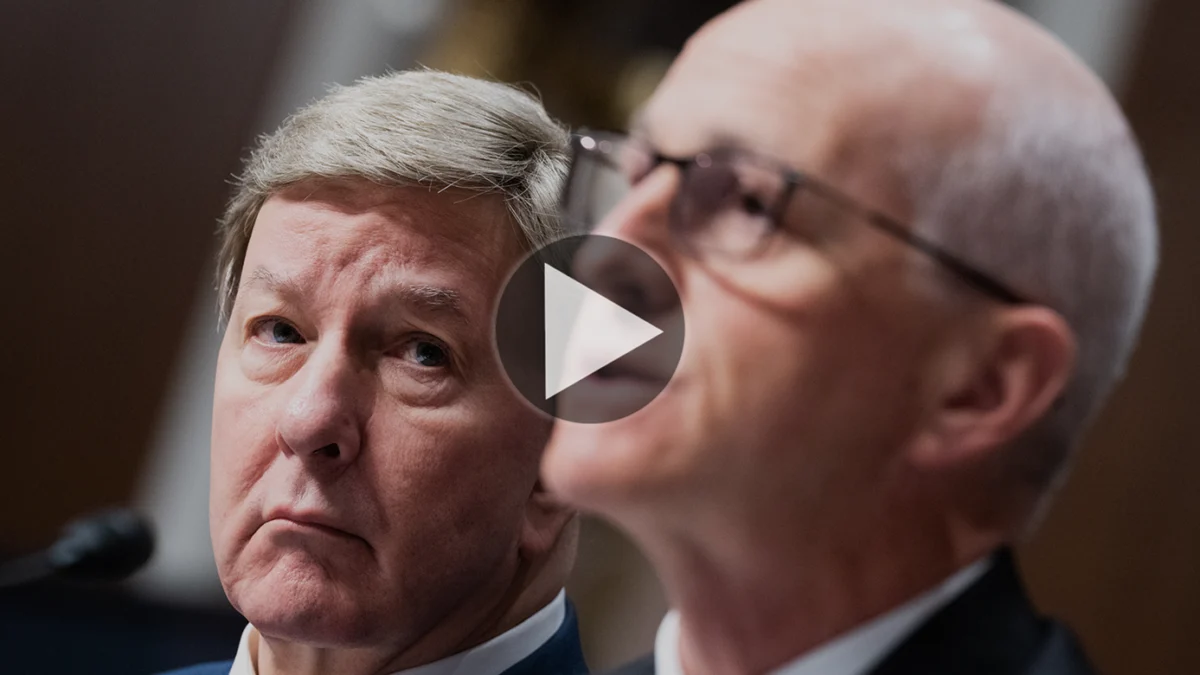
Seeking to lower the temperature, Sen. Mike Rounds (R-S.D.) provided additional context for American lawmakers. According to Rounds, the memo acts as a "gatekeeper" for administrative interactions. "It does limit general flag officer meetings to those that advance DoD objectives," Rounds explained. "They must request permission for Canadian think tank events or social engagements."
This bureaucratic "chilling effect" represents a significant departure from the historical ease of access that defined the world’s longest undefended border.
Implications: The Quest for Canadian Strategic Autonomy
The most striking aspect of the current situation is how the U.S. directive intersects with Canada’s domestic push to lessen its reliance on American military contractors. Minister McGuinty used his platform at the Halifax forum to make it clear that Canada is charting a new, independent course.
"We’d like to procure less from the United States when it comes to military hardware and produce more of our own here in 10 core areas," McGuinty told reporters. He outlined a tiered procurement philosophy:
- Domestic Production: Prioritizing Canadian-made solutions to secure supply chains and boost the national economy.
- Multilateral Partnerships: Seeking collaboration with "like-minded partners" outside of the U.S. sphere when domestic production is not feasible.
- U.S. Procurement: Only as a "third option."
This pivot is not merely a reaction to current politics; it is a long-term economic strategy. By investing in its own defense industrial base, Canada hopes to achieve the "sovereignty" mentioned in its latest defense white paper. However, critics argue that the Canadian military-industrial base may lack the scale to replace U.S. technology in the short term, potentially creating a "capability gap" during the transition.
Supporting Data: Investment in Innovation
As part of this shift toward self-reliance and global diversification, McGuinty announced at the forum that Canada is joining the NATO Innovation Fund. This move is designed to inject capital into the Canadian defense technology sector and foster a more robust startup ecosystem.
Canada’s commitment of $100 million CAD ($69.72 million USD) is intended to serve as a catalyst for local innovators. "For Canadian innovators, that means new investment, new partnerships, and access to international markets," McGuinty said. "For Canadian workers, it means good jobs in a growing industry, and for our armed forces, it means access to cutting-edge technologies and capabilities faster."
The fund, backed by over two dozen NATO allies, will allow Canada to plug into European and international defense networks, potentially lessening the impact of any "cooling" in its relationship with Washington.
The Road Ahead: Can the Partnership Weather the Storm?
The relationship between the U.S. and Canada has survived major geopolitical shifts before, but the current climate is uniquely complex. The combination of trade protectionism, the U.S. administration’s focus on "tangible objectives," and Canada’s overt desire for industrial independence creates a fragile equilibrium.
For Washington, the priority remains the security of the North American continent and the effectiveness of NATO. For Ottawa, the challenge is proving that it can be a reliable partner while simultaneously asserting its right to act in its own economic interest.
As the Halifax International Security Forum concluded, the prevailing sentiment was one of cautious observation. While NORAD operations and Five Eyes intelligence gathering remain the "ironclad" pillars of the relationship, the administrative friction introduced by the Hegseth memo serves as a warning: the era of automatic, unconditional alignment between the two neighbors is being replaced by a more transactional, and perhaps more complicated, reality.
Canada’s ability to successfully execute its new industrial strategy, while maintaining the trust of its most critical ally, will likely define the security landscape of North America for the remainder of the decade. The coming months will be a test of whether these two nations can navigate these new boundaries without compromising the defense of the hemisphere they share.