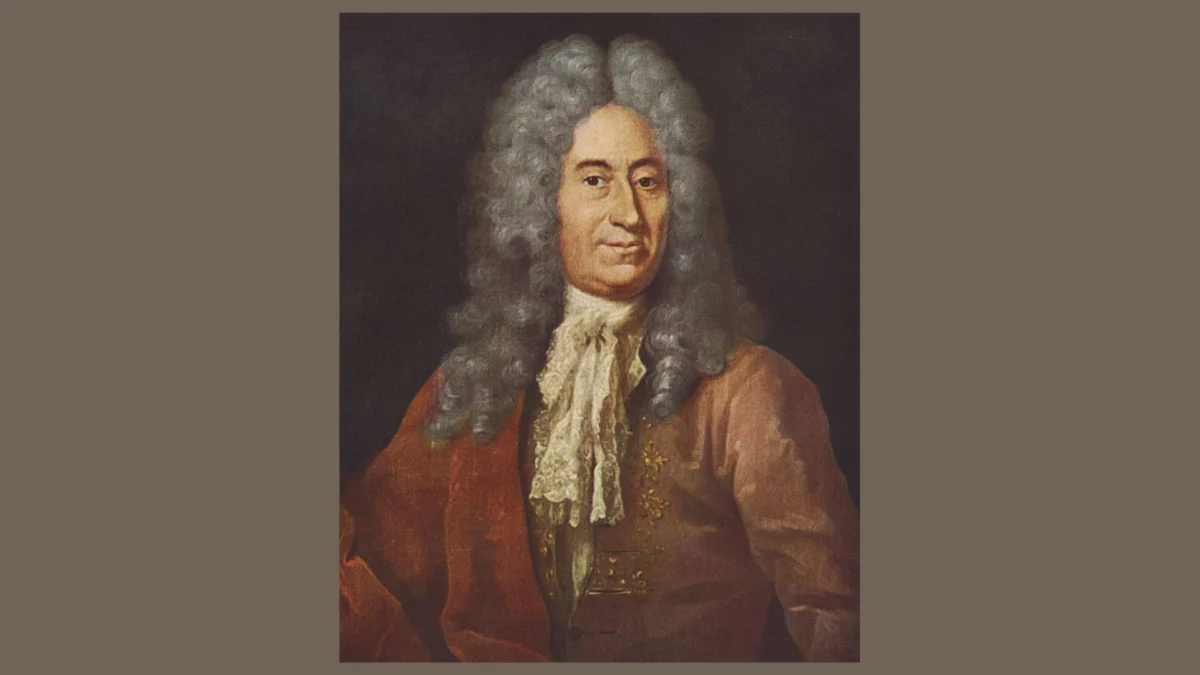
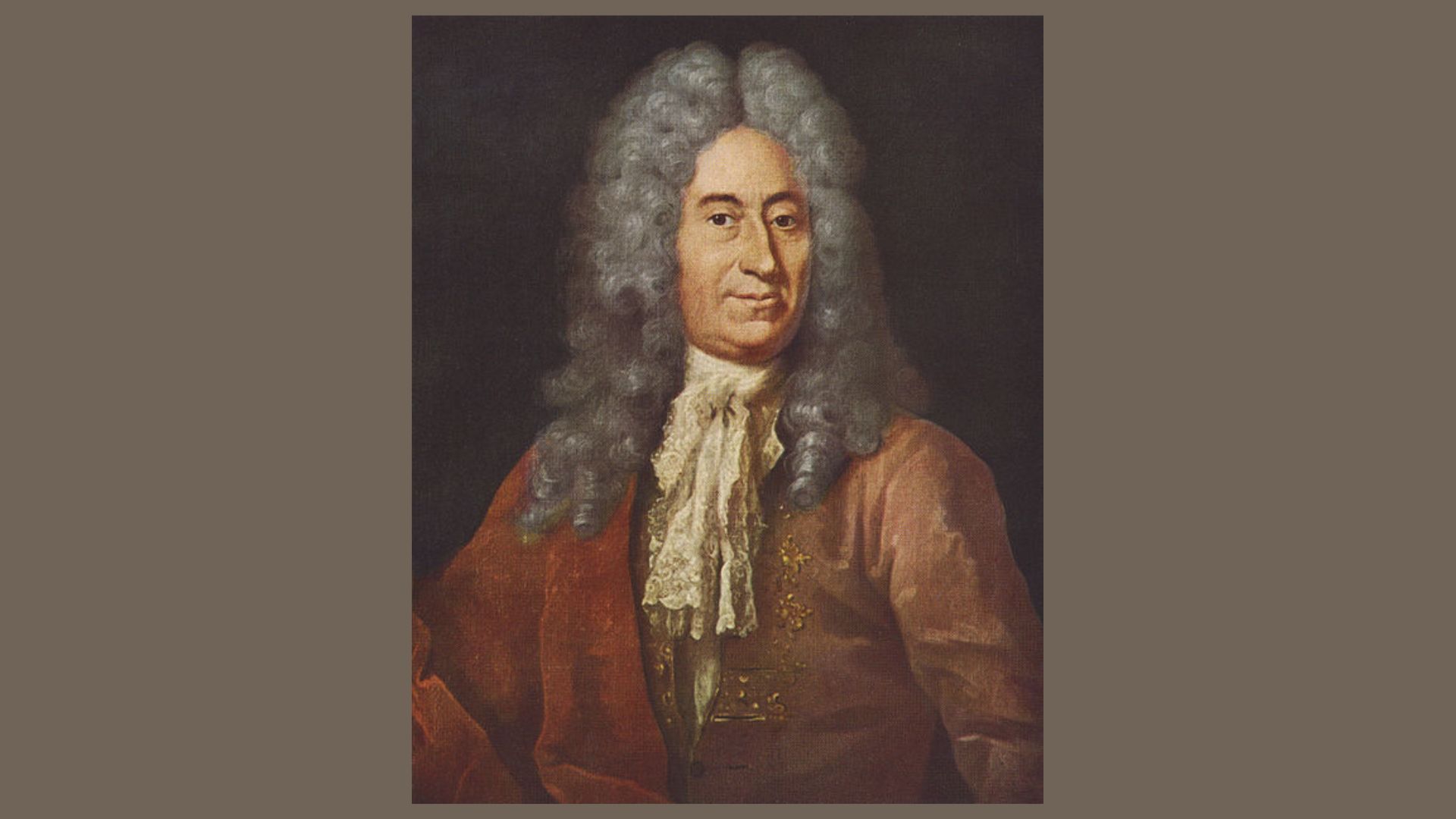
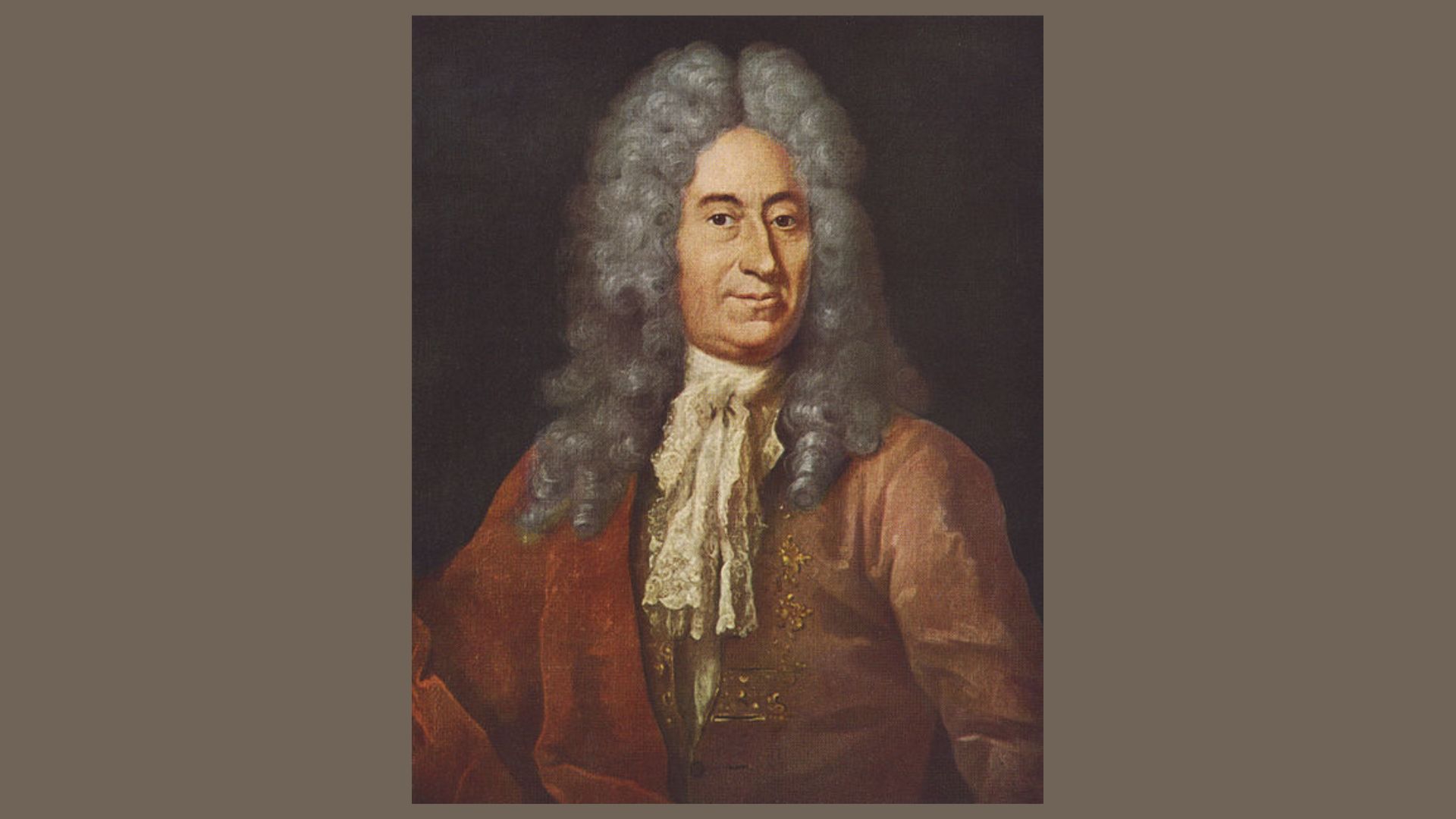
On November 21, 1676, the Royal Academy of Sciences in Paris bore witness to a declaration that would fundamentally alter the trajectory of human understanding. A Danish astronomer named Ole Rømer stood before the scientific elite to present a conclusion that seemed, at the time, bordering on the impossible: light, the very medium by which we perceive the cosmos, was not instantaneous. It traveled at a finite, measurable speed.
This discovery did more than just provide a numerical value to a physical phenomenon; it shattered the Aristotelian paradigm that had dominated natural philosophy for nearly two millennia. By proving that light possessed a speed limit, Rømer effectively bridged the gap between celestial mechanics and terrestrial physics, setting the stage for the scientific revolutions of the 19th and 20th centuries.
The Illusion of Instantaneity: A Historical Context
For centuries, the prevailing consensus among thinkers—from the ancient Greeks to the Renaissance scholars—was that light was an instantaneous phenomenon. Because the speed of light is so vast (approximately 300,000 kilometers per second), the human eye and the rudimentary instruments of the 17th century were incapable of detecting any delay in its travel.
Prominent figures, including René Descartes, argued that light was a mechanical pressure transmitted through an all-encompassing medium, and that this transmission happened without delay. Galileo Galilei had previously attempted to measure the speed of light by stationing two observers with lanterns on distant hilltops, but his efforts were frustrated by the limitations of human reaction time. To the 17th-century mind, the universe was a theater where the stage lights turned on the moment the switch was flicked. Rømer’s work would reveal that the stage was far larger, and the lighting system far slower, than anyone had dared to imagine.
Chronology of a Discovery: Tracking the Moons of Jupiter
Rømer’s breakthrough was not the result of a deliberate, focused attempt to measure light, but rather a serendipitous consequence of his efforts to solve the "longitude problem." In the 17th century, determining one’s exact position at sea was a perilous challenge, and many scientists looked to the heavens—specifically to the Jovian system—to provide a universal, reliable clock.
The Jovian Clock
In 1610, Galileo had discovered the four largest moons of Jupiter: Io, Europa, Ganymede, and Callisto. Io, the innermost of these Galilean satellites, was particularly useful because it possessed a relatively short orbital period of approximately 42.5 hours. Rømer, working under the guidance of Giovanni Domenico Cassini at the Paris Observatory, meticulously observed the eclipses of Io as it slipped into Jupiter’s shadow and reappeared on the other side.
The Anomaly
Rømer recorded these eclipses repeatedly over several years, expecting them to follow a strict, immutable schedule. However, he encountered a persistent, perplexing discrepancy. When the Earth was moving toward Jupiter in its own orbit, the eclipses of Io occurred slightly earlier than predicted. Conversely, as the Earth moved away from Jupiter, the eclipses lagged behind the expected schedule.
For years, Rømer agonized over these timing shifts. Was the clock faulty? Was Jupiter’s orbit irregular? Was there a flaw in his instrumentation? It wasn’t until he realized that the variance in timing was directly correlated with the distance between the Earth and Jupiter that the truth became clear: the delay was caused by the time it took for light to travel the additional distance across the solar system.
The Royal Academy Presentation
On November 9, 1676, Rømer made a bold prediction: he announced that the upcoming eclipse of Io would be delayed by ten minutes. When his prediction proved accurate, he presented his findings to the Royal Academy of Sciences on November 21.
He argued that the 22-minute discrepancy he observed over the course of the Earth’s orbit represented the time required for light to traverse the entire diameter of the Earth’s orbit around the sun. While his calculations were hampered by the lack of precise data regarding the actual size of the Earth’s orbit at that time, his conceptual framework was flawless. He had effectively demonstrated that light takes time to travel through the void of space.
Supporting Data and Verification
Rømer’s peers were initially skeptical. Cassini, his mentor, famously resisted the idea, as it contradicted his own earlier work on the subject. However, the elegance of the math was undeniable.
Modern Validation
While Rømer’s initial estimate for the speed of light was roughly 220,000 kilometers per second—a significant underestimate of the true value of approximately 299,792 kilometers per second—the methodology was sound. It would take nearly 150 years for further verification, most notably in 1849 when Hippolyte Fizeau utilized a rotating toothed wheel to measure the speed of light on Earth, yielding a result much closer to the modern standard.
The significance of Rømer’s data lies not in the precision of the digit, but in the paradigm shift. He transitioned astronomy from a descriptive science of positions to a physics-based science of propagation.
Implications for Modern Physics
The realization that the speed of light is finite serves as the bedrock for modern science. Its implications ripple through every branch of physics, from the way we perceive the history of the universe to the engineering of our modern digital infrastructure.
The Ultimate Speed Limit
As noted by contemporary scientists, the speed of light ($c$) acts as the universal speed limit. According to Albert Einstein’s Theory of Special Relativity, as an object with mass accelerates, its relativistic mass increases, requiring exponentially more energy to move faster. To reach the speed of light, an object would require infinite energy, rendering it impossible for anything with mass to reach or exceed $c$.
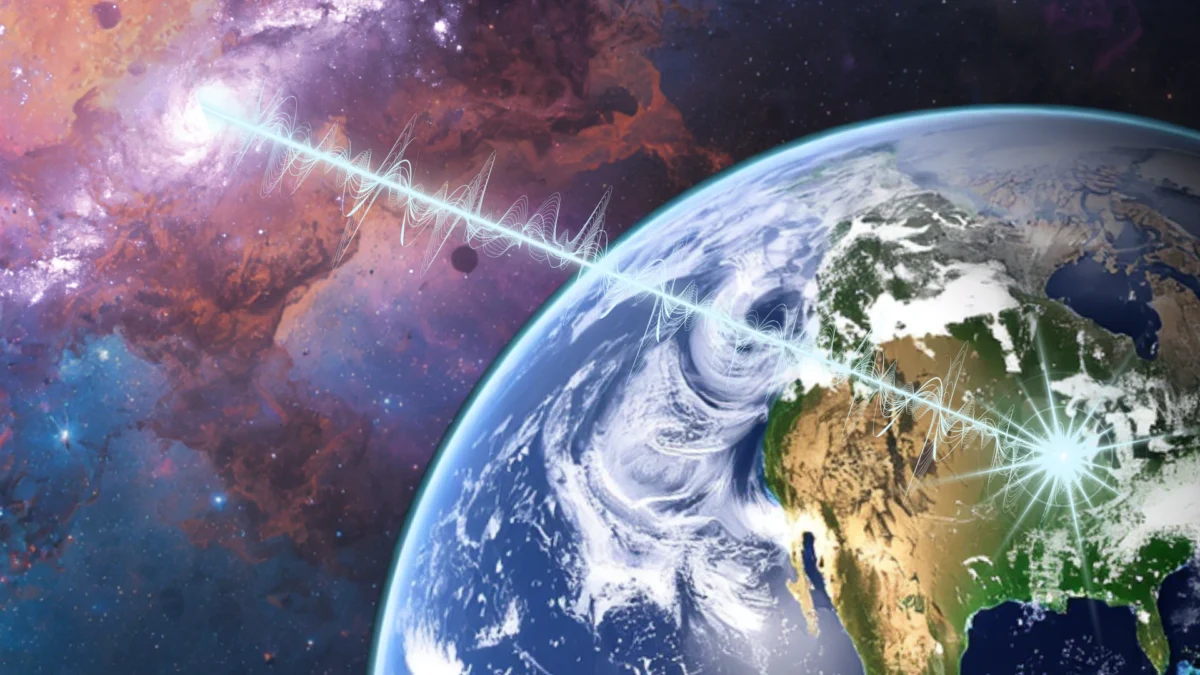
This "cosmic speed limit" defines the causality of our universe. Because information cannot travel faster than light, it dictates that we can only ever observe a finite portion of the cosmos—the "observable universe." When we look at the stars, we are quite literally looking into the past.
Technological and Scientific Foundations
Beyond theoretical physics, the finite nature of light is a practical constraint in our daily lives. In global telecommunications, the latency experienced in satellite communications is a direct result of the time it takes for electromagnetic signals to travel from the Earth to orbit and back. In GPS technology, the nanosecond-level accuracy required for navigation relies on our precise understanding of the speed of light, accounting for both its finite speed and the relativistic effects described by Einstein.
Conclusion: A Legacy of Light
Ole Rømer’s contribution to science is often categorized as a triumph of observational astronomy, but it was, at its heart, a triumph of human curiosity. By observing the flickering of a distant moon, he reached across the vacuum of space to touch the fundamental properties of light itself.
He turned the eyes of humanity away from the notion of an instantaneous, static universe and toward a dynamic, relativistic reality. Today, as we peer into the deepest recesses of space with the James Webb Space Telescope, we are looking at light that has traveled for billions of years to reach our mirrors. Every photon we capture is a testament to the fact that Rømer discovered not just a speed, but a timeline. He unlocked the secret that the universe is a narrative, and that light is the ink in which that history is written.