By Space & Defense Desk
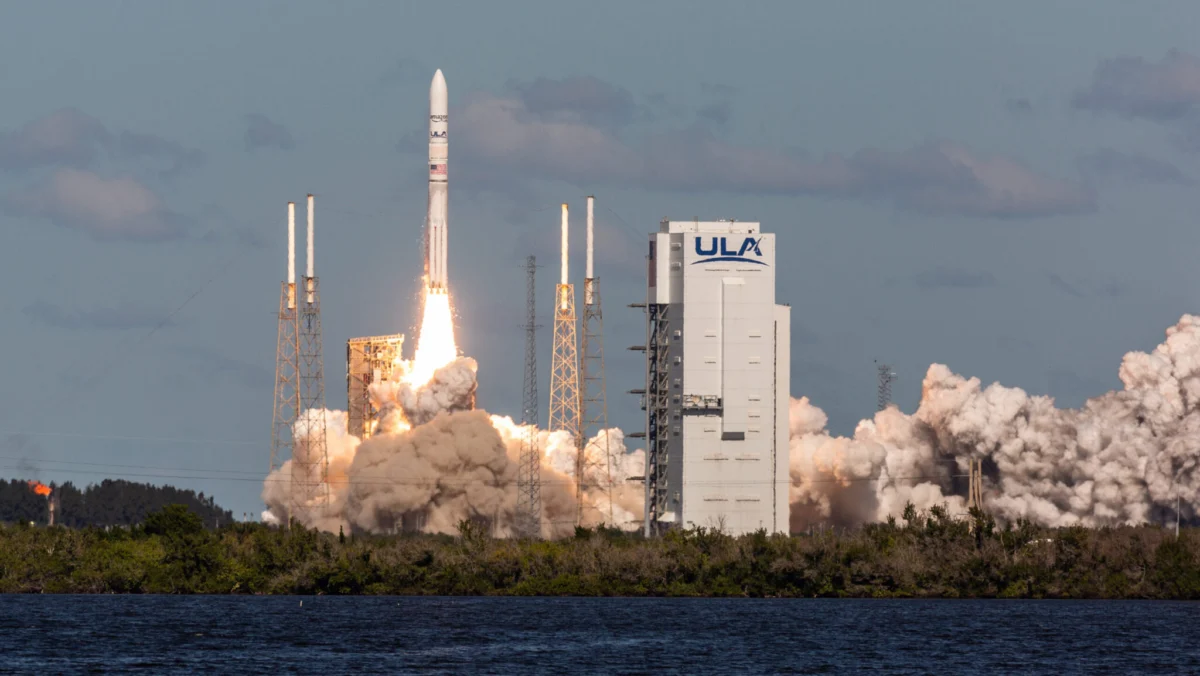
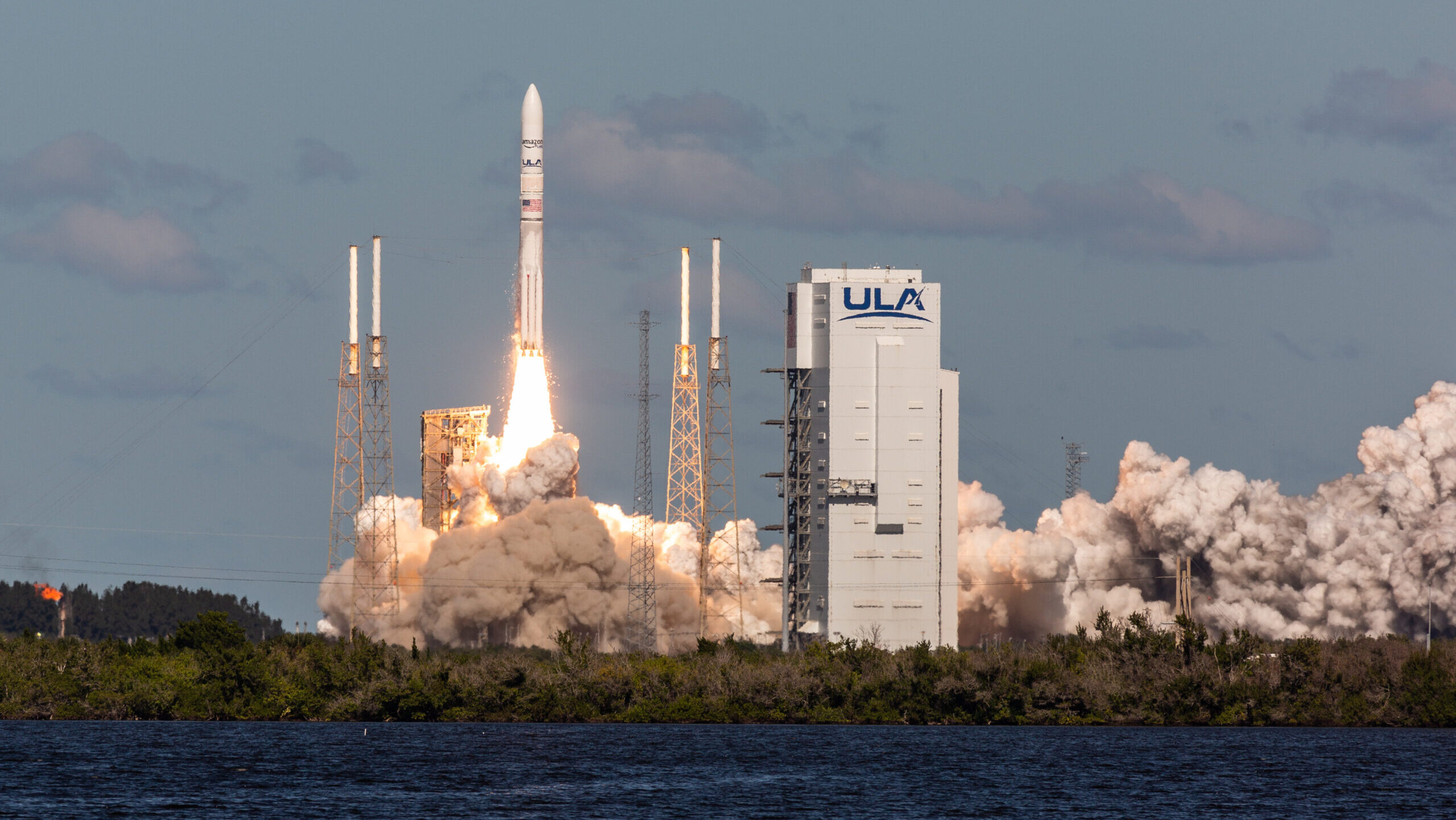
The United States’ ambitious goal to rapidly expand its space-launch capabilities has suffered a catastrophic setback. On Sunday, November 15, 2026, a United Launch Alliance (ULA) Vulcan VC6L rocket experienced a critical anomaly approximately 10 minutes into its flight from Cape Canaveral Space Force Station. The failure not only resulted in the total loss of 40 satellites destined for Amazon’s low-Earth orbit (LEO) broadband constellation but has also plunged the American launch sector into a period of acute uncertainty.
For the U.S. Space Force and the Department of Defense (DoD), the incident represents more than just a failed mission; it is a structural crisis. As the Pentagon pushes for a significantly higher launch cadence to meet national security requirements, the fragility of the domestic launch market has been laid bare. With the Vulcan grounded indefinitely and other competitors struggling with their own developmental hurdles, the nation’s reliance on SpaceX—a company that is simultaneously planning to sunset its primary workhorse—has reached a precarious apex.
The Chronology of the Failure
The mission, intended to be a routine deployment for Amazon’s Kuiper-like broadband network, began with a flawless liftoff from Space Launch Complex-41 at 09:00 EST. Everything appeared nominal during the initial ascent phase as the Vulcan’s two solid rocket boosters burned through their propellant. However, as the vehicle entered its second stage maneuvers, telemetry data indicated an abrupt interruption in performance.
- T+0:00 (Liftoff): The Vulcan VC6L clears the pad at Cape Canaveral, performing as expected through the "Max-Q" phase.
- T+2:30 (Booster Separation): Separation of the solid rocket boosters appears clean.
- T+9:45 (Anomaly Detection): Telemetry indicates an irregular pressure drop within the propulsion system of the second stage.
- T+10:12 (Loss of Vehicle): Mission Control confirms the vehicle has failed to achieve the necessary orbital velocity. The rocket and its 40-satellite payload are declared lost.
While ULA has remained tight-lipped regarding the specific mechanics of the failure, early analysis from independent aerospace observers suggests the issue originated within the booster stage. This is particularly concerning, as the Vulcan relies on the BE-4 engines—the same powerplants currently utilized by Blue Origin’s New Glenn rocket. If the failure is indeed engine-related, it threatens to create a "domino effect" of groundings across the U.S. launch industry.
Supporting Data: The Shrinking Launch Landscape
The vulnerability of the U.S. space sector is best understood through the lens of recent industry shifts. For the better part of three years, the Space Force has sought to diversify its launch provider pool to ensure redundancy. However, the data suggests that the "competition" is largely theoretical.
Current Status of NSSL-Authorized Providers:
- SpaceX (Falcon 9/Falcon Heavy): The current de facto monopoly. With the Vulcan grounded and New Glenn sidelined since its May 2026 launch pad explosion, SpaceX is the only entity reliably delivering national security payloads to orbit.
- United Launch Alliance (Vulcan): Recently grounded by the Space Force in February 2026 due to solid rocket booster performance issues. Sunday’s failure further extends this suspension.
- Blue Origin (New Glenn): Currently grounded following a catastrophic pad failure in May 2026. While the company claims the issue is being rectified, the lack of operational flight history makes them an uncertain hedge against the current crisis.
The economic reality is equally stark. In October 2026, the Space Force was forced to reassign six high-priority National Security Space Launch (NSSL) missions from ULA to SpaceX simply because no other options were available. The failure of the Vulcan on November 15 means that the Space Force’s "Phase 3 Lane 2" program—a $11 billion effort to boost launch frequency—is effectively stalled.
Official Responses and Expert Analysis
The mood in Washington is one of mounting frustration. Clayton Swope, deputy director of the Aerospace Security Project at the Center for Strategic and International Studies (CSIS), provided a sobering assessment of the situation.
"We can hope that whatever caused this problem gets fixed. We can hope that Vulcan, New Glenn and other medium-lift vehicles come online soon, but this is really the same place we have been for the last several years," Swope stated. "The launch bottleneck is real and set to get worse. If the issue is with the BE-4 [engine], that is a particularly thorny problem—for the Pentagon, for NASA, for Amazon and for anyone who needs a ride to space."
The Department of Defense has not issued a formal statement on the implications for specific military payloads, but officials have privately expressed concern that the "launch capacity gap" is widening. The Pentagon’s strategy was predicated on the assumption that three distinct providers would be competing by the end of 2026. Instead, it finds itself tethered to a single provider whose long-term strategy may not align with the military’s immediate needs.
Implications: The Starship Conundrum
Perhaps the most significant long-term threat to the current launch ecosystem is SpaceX’s own internal roadmap. The company has made extraordinary strides with its fully reusable Starship vehicle, successfully demonstrating the "catch" of its massive upper stage on November 14, 2026.
While this is a triumph for engineering, it creates a strategic headache for the U.S. government. SpaceX has already signaled that it intends to pivot its entire operations toward Starship by 2030, phasing out the Falcon 9 and Falcon Heavy—the very rockets that currently uphold the U.S. national security launch architecture.
"I don’t see a magic wand here," notes Martin Halliwell of New Space Capital. "The only thing that could happen is that somebody persuades Elon [Musk] to keep the Falcon 9 flying until there are viable alternatives. But the commercial sector is moving toward the next generation, and the government is struggling to keep pace."
The decision by SpaceX to stop accepting commercial orders for Falcon 9 flights after 2028 is a clear signal that the legacy platform has a finite lifespan. If the Space Force does not secure a replacement for the Falcon 9 before the retirement of the fleet, the U.S. may face a multiyear gap where it lacks the physical capability to launch its most sensitive intelligence, surveillance, and reconnaissance (ISR) satellites.
The Path Forward
As investigators sift through the wreckage at Cape Canaveral, the path forward for ULA and the broader industry remains murky.
- Investigation and Root Cause: The immediate priority is identifying the fault in the Vulcan’s propulsion system. If the problem is systemic to the BE-4 engine, Blue Origin’s development timeline for New Glenn will face a significant, if not fatal, delay.
- Space Force Contingency Planning: The Pentagon must now revisit its launch manifest. With the Vulcan off the table for the foreseeable future, the Space Force may be forced to pay a premium for "surge" capacity from SpaceX, further tightening the commercial market.
- Infrastructure Investment: There is a growing consensus that the U.S. needs more than just rockets; it needs more launch sites and more launch windows. A May 2026 Department of the Air Force (DAF) study concluded that a new, dedicated launch site is likely required to handle the volume of projected launches, yet funding and environmental hurdles remain.
For now, the American space program sits at a crossroads. The promise of a robust, competitive launch market has been sidelined by engineering failures and the sheer difficulty of mastering orbital mechanics. As the dust settles on the Florida coast, the reality is that for the U.S. military and the commercial satellite industry, the road to space has never felt narrower. The dependency on a single provider, despite that provider’s success, is now the defining challenge of the decade for American space power.