Executive Summary: The Dawn of a New Leadership
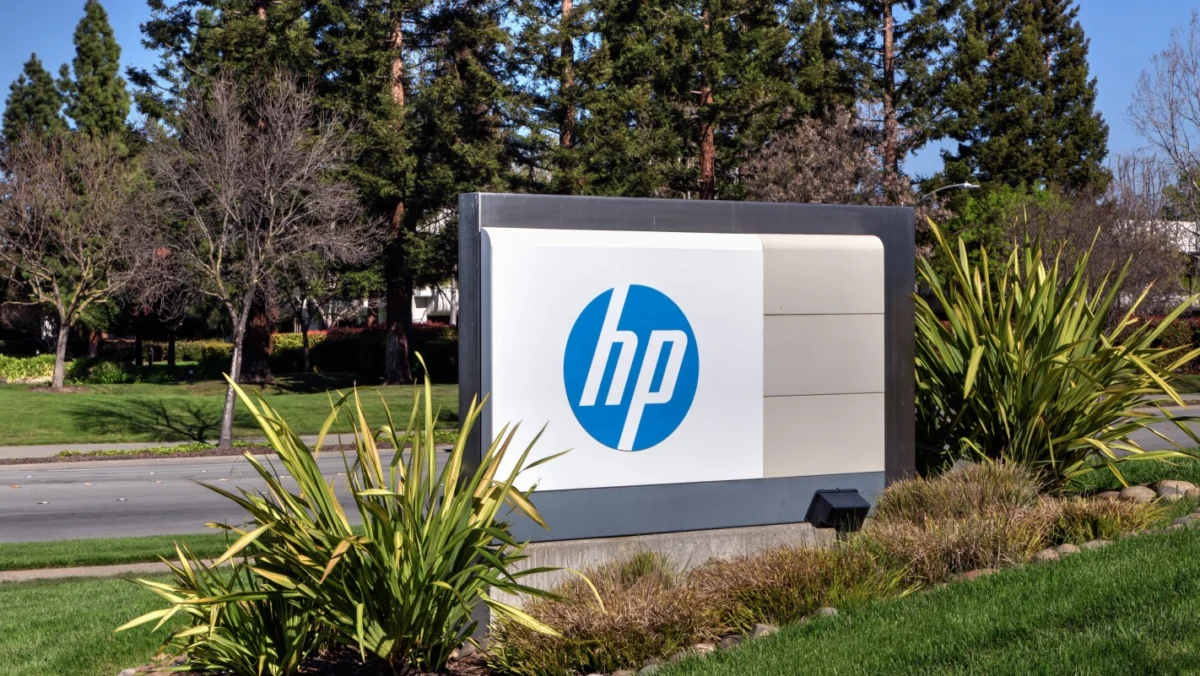
HP Inc. has officially concluded its exhaustive nine-month search for a new chief executive officer, announcing that Emma Walmsley, the former CEO of global pharmaceutical powerhouse GSK, will assume the role on January 4, 2027. Her appointment marks a significant pivot for the Silicon Valley veteran, as the company seeks to navigate a volatile period characterized by declining traditional print revenue, shifting PC market dynamics, and the relentless, transformative pressure of artificial intelligence.
Walmsley, a seasoned corporate executive with a history of executing high-stakes restructuring, inherits a company in transition. She will replace interim CEO Bruce Broussard, who stepped into the role following the high-profile departure of Enrique Lores to PayPal in early 2026. As she prepares to step down from her seven-year tenure on the board of Microsoft, Walmsley brings a unique pedigree of cross-industry expertise to a company that is currently grappling with how to integrate "AI at the edge" into its hardware-focused business model.
Chronology: From Pharmaceuticals to Personal Computing
The trajectory leading to this appointment was characterized by a period of strategic instability and internal reassessment.
- February 2026: Enrique Lores, the longtime HP leader who spent over 25 years with the firm, officially exited his role as CEO to take the helm at PayPal. This departure created a leadership vacuum that triggered a rigorous search process.
- February 2026 – Present: Bruce Broussard assumed the role of interim CEO. During this time, the board initiated an extensive global search to identify a successor capable of balancing HP’s legacy printing business with the aggressive innovation required to stay relevant in the AI era.
- December 2026: Walmsley is scheduled to conclude her seven-year tenure as a member of the Microsoft board, a move seen as clearing the path for her new responsibilities at HP while eliminating potential conflicts of interest.
- January 4, 2027: The official commencement of Emma Walmsley’s tenure as CEO of HP Inc.
- Post-January 2027: Bruce Broussard will transition to the position of Chair of HP’s Board of Directors, succeeding Chip Bergh, who will remain as a board member.
Supporting Data and Strategic Context
HP’s decision to hire an outsider with no direct history of leading a major hardware company is a calculated risk. Walmsley’s background at GSK (formerly GlaxoSmithKline) and L’Oréal provides a blueprint for what the board expects: discipline, operational efficiency, and a willingness to break institutional inertia.
The GSK Turnaround
During her tenure as CEO of GSK, Walmsley was credited with revitalizing the company’s financial health. Her most significant strategic move was the complex spin-off of GSK’s consumer healthcare division, which became Haleon. This operation not only unlocked value for shareholders but allowed the parent company to focus exclusively on biopharma. Investors are looking for similar structural "boldness" at HP.
The "Innovation-at-the-Edge" Dilemma
HP is currently facing a dual-pronged market challenge:
- Print Revenue Decline: The core printing segment, historically a massive cash cow for HP, continues to see a secular decline as organizations shift toward paperless environments.
- PC Component Costs: The rise of AI-integrated PCs has driven up hardware costs significantly. The market is demanding higher-end chips and advanced thermal management systems, which are pressuring margins.
Walmsley’s reputation as a leader who "courts confrontation" rather than surrounding herself with "yes-men" will be tested as she looks to potentially trim legacy operations or reallocate capital toward higher-growth AI software and hardware service models.
Official Responses and Corporate Philosophy
The transition has been met with optimism from the HP board, which emphasizes that the selection process was focused on identifying a leader who could handle "transformation at scale."
The Board’s Perspective
Chip Bergh, outgoing Chair of the Board, noted that Walmsley stood out among a crowded field of candidates for her specific blend of "clarity of strategic thinking" and her "people-first leadership approach." In his official statement, Bergh remarked: "We need a leader who can build on our innovation heritage and strengths to boldly shape the company’s future. Emma is a proven CEO with a track record of leading organizations at scale."
Walmsley’s Vision
In a LinkedIn statement following the announcement, Walmsley signaled a departure from traditional "tech-only" rhetoric, focusing instead on the intersection of human productivity and machine learning.
"Behind every innovation are the people who work to make someone’s day a little easier, their work more productive, their ideas possible," she wrote. "In an age of AI, I believe human leadership has never mattered more."
Her language suggests that she intends to position HP not just as a manufacturer of devices, but as an essential facilitator of the modern, AI-augmented workspace. This indicates a potential move toward stronger "as-a-service" business models, where hardware is bundled with software-driven productivity tools.
Implications: What to Expect from the Walmsley Era
Walmsley’s arrival heralds a period of likely organizational restructuring. Here are the key areas to watch:
1. Cultural Shifts
Walmsley is known for a rigorous, data-driven style of management. Employees at HP should anticipate a move away from legacy silos. Her history of spinning off divisions at GSK suggests she may not be sentimental about legacy business units that are not meeting growth targets.
2. The AI Pivot
The "AI at the edge" mention by the board is critical. This refers to the industry’s push to move AI processing from the cloud to the device itself (the PC). HP is well-positioned to lead this, provided it can successfully navigate supply chain constraints and hardware pricing. Walmsley’s experience with Microsoft’s board likely provides her with deep insight into the software-hardware integration required to win in this space.
3. Investor Expectations
Wall Street reacted with cautious optimism to the news. While she has never led a tech company, her tenure at GSK demonstrated a mastery of shareholder communication and capital allocation. The market will be watching her first quarterly earnings call in 2027 to see how quickly she moves to redefine HP’s long-term financial goals.
4. Leadership Succession
By elevating Bruce Broussard to Chair of the Board, HP is ensuring a sense of continuity. Broussard’s familiarity with the interim operations of the company will provide a necessary bridge for Walmsley during her first six months, allowing her to focus on high-level strategy while the board maintains oversight of the transition.
Conclusion: A New Chapter
The hiring of Emma Walmsley is a profound signal from HP. By selecting a leader from outside the traditional PC and printing industry, the board is essentially admitting that the status quo is insufficient. Walmsley’s success will not be measured by the number of units sold, but by her ability to successfully shepherd HP through a total transformation.
As she prepares to step into the office in January, the expectations are clear: HP must stop being defined by its history and start being defined by its future in a hyper-connected, AI-driven world. For Walmsley, this is the ultimate test of her career—a chance to prove that the same management rigor that revitalized a global pharmaceutical giant can be applied to the fast-paced, cutthroat world of consumer and enterprise technology.