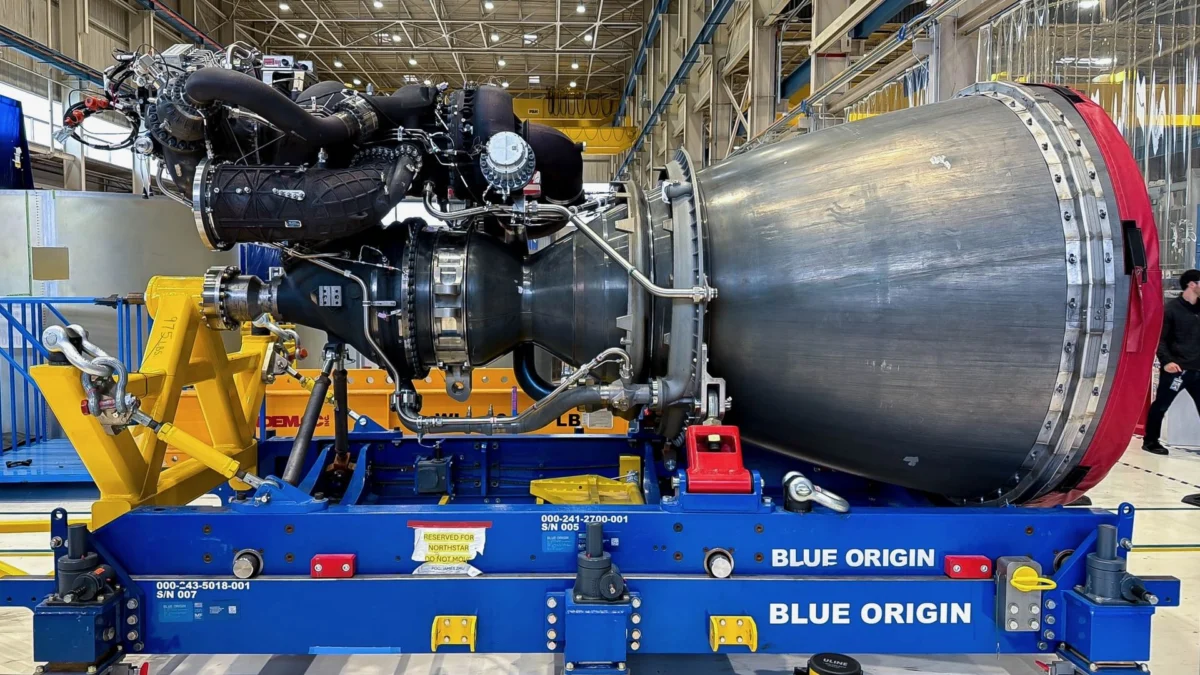
In a significant expansion of its aerospace capabilities, Blue Origin, the space company founded by Jeff Bezos, announced a major evolution for its flagship rocket, New Glenn. On November 5, the company officially unveiled the "GS3"—a sophisticated third stage designed to transform the heavy-lift vehicle from a standard orbital workhorse into a deep-space powerhouse. This strategic shift is aimed at broadening the rocket’s reach, enabling direct-to-geostationary orbit (GEO) deployments and facilitating ambitious lunar and planetary exploration missions.
The announcement signals a new phase for Blue Origin as it seeks to solidify its position in an increasingly competitive commercial spaceflight sector. By introducing the GS3, the company is not only addressing the evolving needs of its government and commercial clients but is also preparing to compete more aggressively for high-value contracts that require precise, long-duration orbital maneuvers.
A New Architecture: The GS3 Third Stage
The GS3 third stage is engineered to act as a precision space-tug, significantly enhancing the flexibility of the New Glenn launch system. While the rocket’s initial iterations focused on low Earth orbit (LEO) and geostationary transfer orbit (GTO), the GS3 provides the propulsion and maneuvering capability necessary to reach further into the solar system.
At its core, the GS3 is powered by a single BE-7 engine. This engine is a proven piece of hardware for Blue Origin, having been developed for the company’s "Blue Moon" lunar lander—a critical component of NASA’s Artemis program. By leveraging the BE-7, which is designed for the harsh, vacuum-rich environment of space and the specific demands of lunar surface operations, Blue Origin is creating a synergy between its launch vehicles and its landing systems.
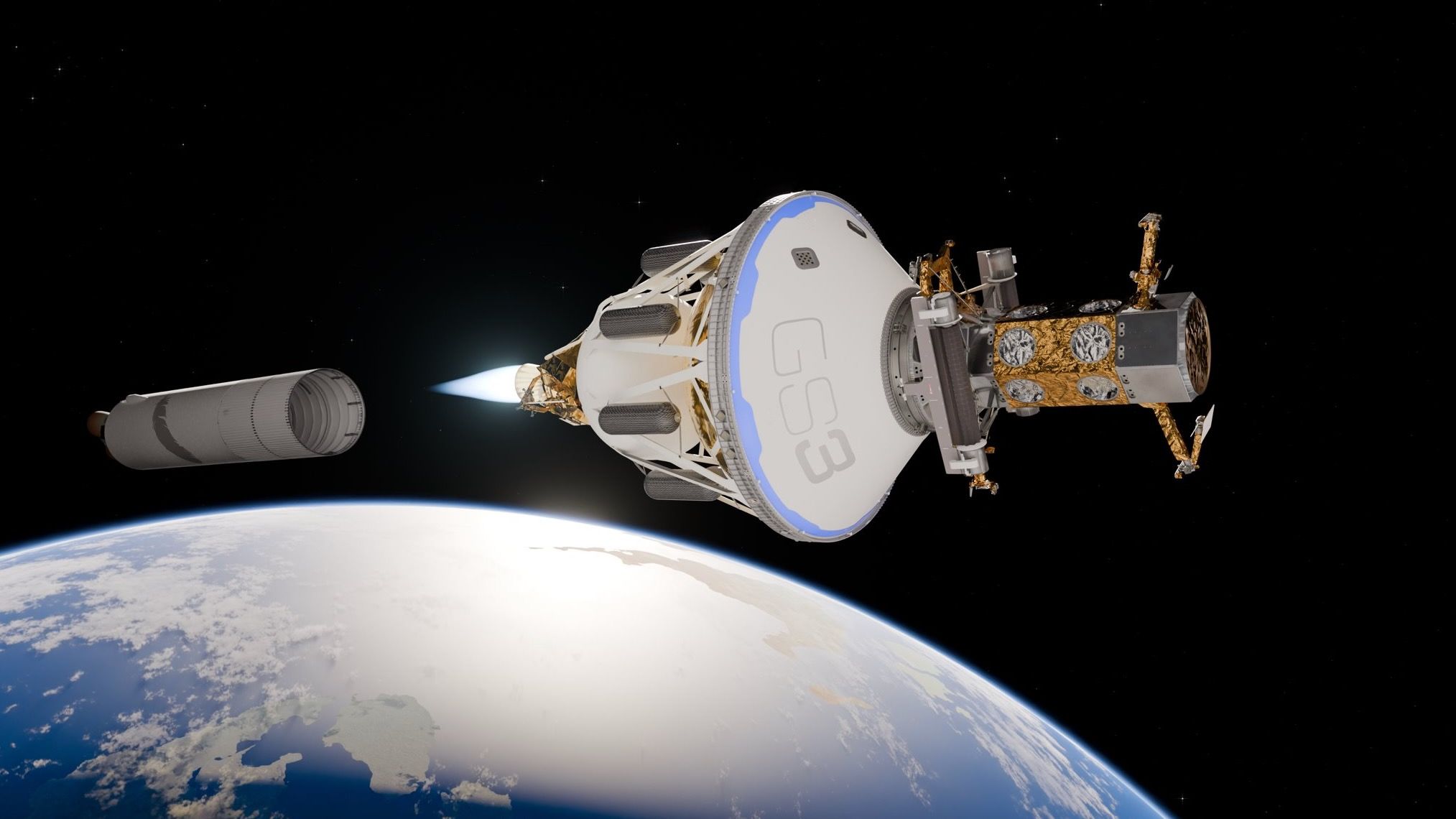
According to the company, the GS3’s primary advantage lies in its ability to deliver significant payload mass directly to trans-lunar injection (TLI). By handling the TLI maneuver, the third stage allows the spacecraft to reach the moon with more of its own fuel reserves intact, effectively preserving the payload’s propellant for crucial on-orbit operations or surface activities once it reaches its destination.
The Evolution of the New Glenn Fleet
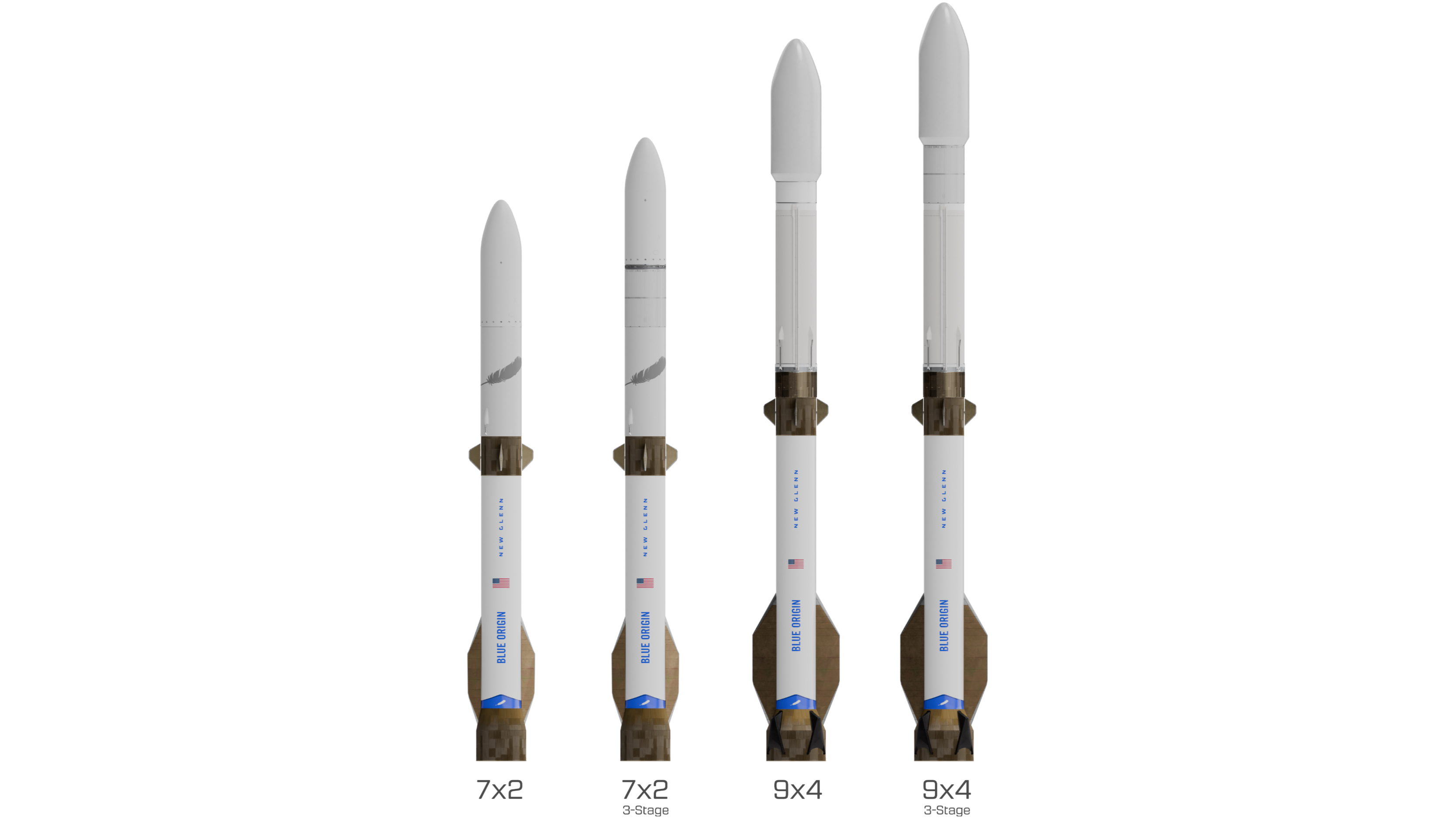
To understand the significance of the GS3, one must look at the current configuration of the New Glenn rocket. The standard "7×2" version—featuring seven BE-4 engines on the first stage and two BE-3U engines on the second stage—is a formidable machine, standing 322 feet (98 meters) tall. It boasts an impressive capacity, capable of lofting 14.3 tons (13 metric tons) to GTO and 50 tons (45 metric tons) to LEO.
However, Blue Origin’s ambitions have grown alongside the market’s needs. The company previously revealed plans for a "super-heavy" variant, the 9×4, which will scale up the architecture to include nine BE-4 engines on the first stage and four BE-3Us on the upper stage. This monster of a rocket, reaching nearly 400 feet (122 meters) in height, is expected to carry as much as 77 tons (70 metric tons) to LEO.
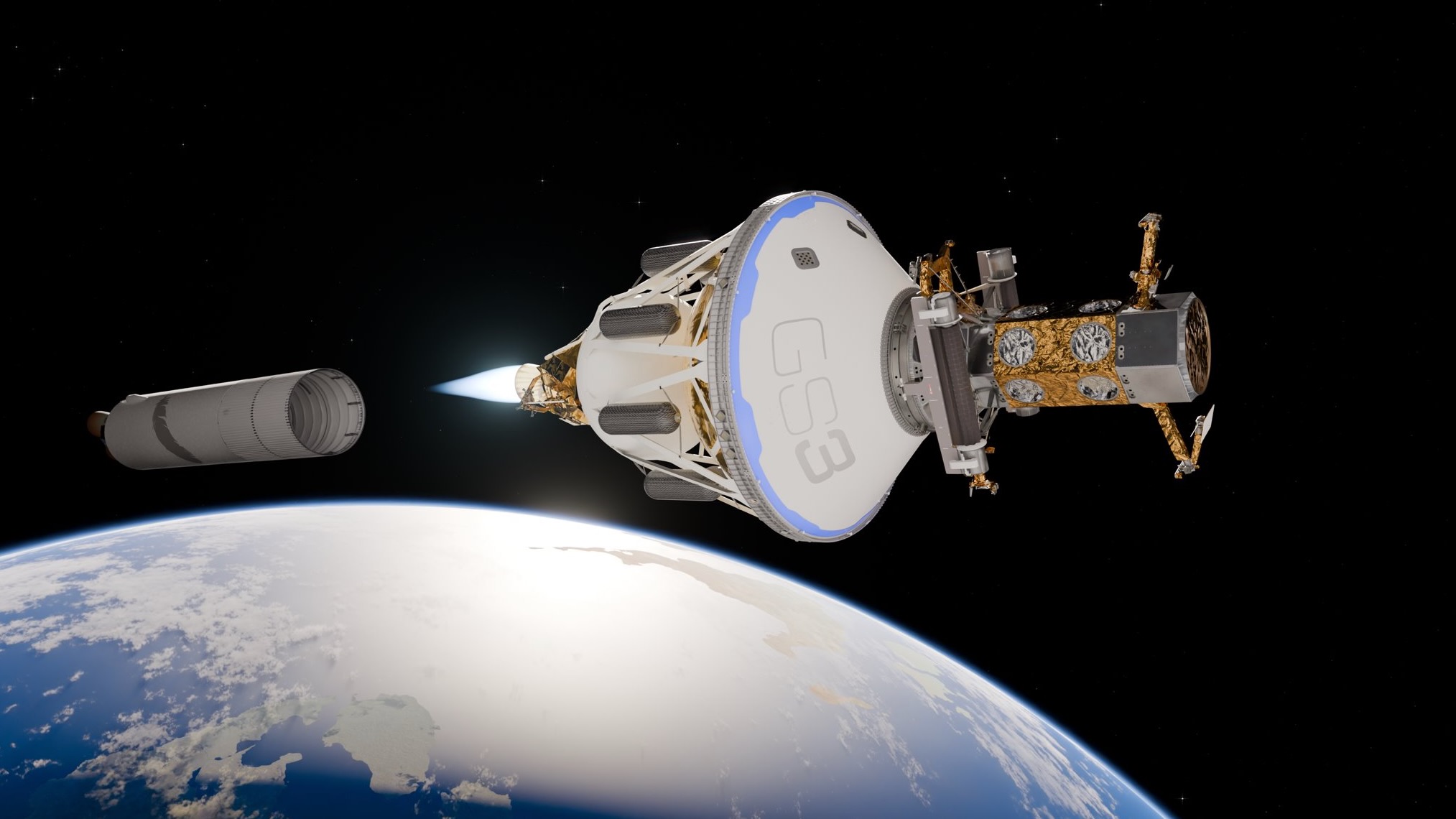
The addition of the GS3 third stage adds a layer of modularity to these configurations. Whether it is the 7×2 or the 9×4, the inclusion of a third stage transforms the New Glenn from a mere delivery truck into a capable deep-space transit system.
Chronology of Development and Challenges
The journey to this announcement has been marked by a mix of high-stakes successes and notable setbacks. New Glenn has completed three orbital missions, all utilizing the 7×2 configuration. The rocket successfully debuted in January 2025, followed by a second flight in November 2025 and a third on April 19 of this year.
However, the space industry is notoriously unforgiving. The third mission resulted in the loss of the AST SpaceMobile "BlueBird 7" satellite after the vehicle failed to insert the payload into its intended orbit. This failure was followed shortly by a ground-based disaster on May 28, when a New Glenn rocket exploded on the pad at Cape Canaveral Space Force Station during a routine pre-launch engine test.
The explosion necessitated an extensive cleanup and reconstruction effort at the launch site. While these repairs were ongoing, Blue Origin’s engineering teams were quietly advancing the development of the GS3, as well as the new "Northstar" engine. The resilience shown by the company in navigating these hurdles has been a focal point of industry discourse, as they look toward a fourth flight of the New Glenn later this year.
Supporting Data: The Northstar Engine
Alongside the GS3 announcement, Blue Origin surprised the industry by introducing "Northstar," a next-generation first-stage engine. Designed as a successor or high-performance alternative to the current BE-4, the Northstar engine utilizes the same liquid oxygen and liquid methane (methalox) propellant cycle but introduces significant improvements in manufacturing and efficiency.
The technical specifications provided by the company are striking:
- Mass Reduction: The Northstar is 30% lighter than the BE-4.
- Part Complexity: The component count has been slashed by 50%.
- Thrust Output: It generates 715,000 pounds-force, an increase over the 640,000 pounds-force produced by the BE-4.
Perhaps most impressive is the manufacturing efficiency. Blue Origin claims the engine can be assembled in less than a day, a testament to advancements in production technology. The speed of development—moving from program approval to testing in just 11 months—highlights a shift toward a more rapid, iterative development cycle that mirrors the approaches seen at competitors like SpaceX.
Implications for the Future of Space Exploration
The integration of the GS3 and the potential future use of the Northstar engine suggest a clear, long-term strategy for Blue Origin. By establishing a capability for sustained operations in cislunar space, the company is positioning itself as a vital partner for government entities and private enterprises alike.
The demand is already materializing. Blue Origin confirmed that an unnamed government customer has already booked a mission for the GS3-equipped New Glenn, with a targeted launch date of 2028. This mission will focus on cislunar space, confirming the strategic importance of the Earth-Moon corridor for both military and scientific interests.
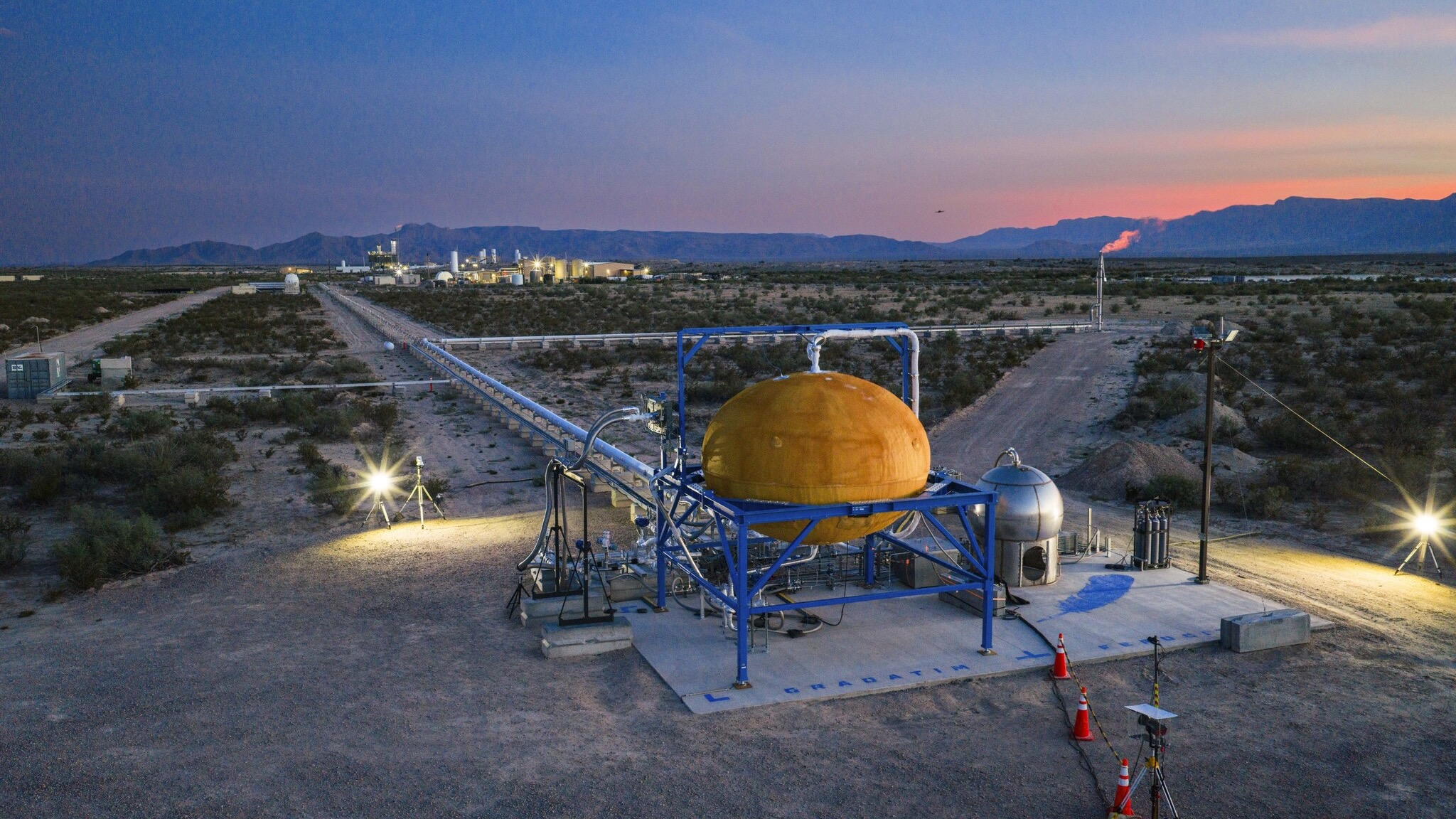
While Blue Moon lunar landers will not necessarily require the GS3 for their primary transit, the existence of this stage provides a logistical "backbone" for broader lunar infrastructure. It allows for the deployment of cargo, relay satellites, and fuel depots that could support a permanent human presence on the lunar surface.
Furthermore, the shift toward a more powerful and efficient engine like the Northstar may eventually lower the cost-per-kilogram for heavy-lift launches, a metric that remains the "holy grail" of the launch industry. If Blue Origin can successfully integrate these new technologies into the New Glenn manifest, the rocket will likely become a cornerstone of the next decade of space exploration, bridging the gap between LEO operations and true, deep-space colonization.
As the industry looks toward the end of 2025, the focus remains on the upcoming fourth flight of the New Glenn. For Blue Origin, this flight is not just about recovery; it is a demonstration that the company has evolved beyond its growing pains and is ready to deliver on its promise of an expanded, more capable, and more efficient launch architecture. Whether the market will see the GS3 in action by 2028 as promised remains the critical question, but the blueprint for a significantly more powerful Blue Origin is now firmly in place.