Introduction: The New Frontier of Network-as-a-Service
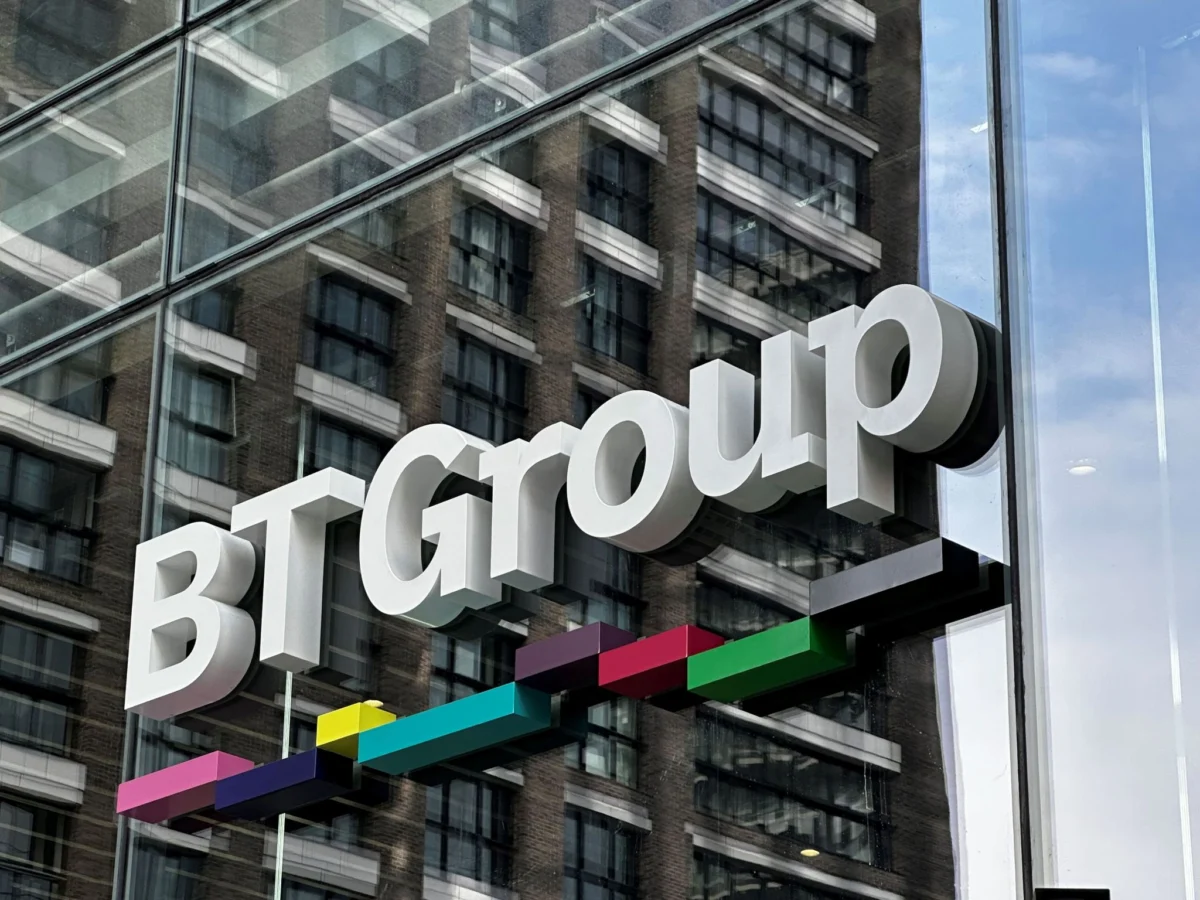
In an era defined by the rapid proliferation of artificial intelligence, autonomous digital workflows, and hyper-distributed cloud computing, the traditional enterprise network is undergoing a fundamental transformation. Recognizing that legacy architectures are increasingly inadequate for the demands of the modern digital landscape, BT International has announced a significant expansion of its Global Fabric network-as-a-service (NaaS) platform. By integrating a multi-vendor choice of Security Service Edge (SSE) solutions, BT is effectively redesigning the connectivity layer for multinational organizations, ensuring that the agility required for AI-driven innovation does not come at the cost of security or performance.
This strategic pivot positions BT as a central architect in the "AI-ready" network movement, offering a modular, cloud-centric environment that allows global enterprises to scale their digital operations with unprecedented precision.
The Strategic Shift: Why Global Fabric Matters
Addressing the AI Traffic Paradigm
The adoption of AI at scale has fundamentally altered enterprise traffic patterns. Unlike traditional human-centric traffic, which often follows predictable paths between users and centralized data centers, AI agents require constant, high-speed, and low-latency access to distributed data sets, cloud services, and specialized compute resources.
BT’s Global Fabric platform was engineered to address the inherent frictions in this new reality. As CIOs struggle to maintain visibility and control over complex, multi-cloud environments, Global Fabric offers a streamlined alternative. It replaces the "spaghetti" of disparate, third-party internet networks with a clean, cloud-centric architecture. By providing optimized connectivity directly into the security and cloud ecosystems of leading vendors, BT is eliminating the performance bottlenecks that typically plague legacy wide-area networks (WANs).
A Multi-Vendor SSE Ecosystem
The cornerstone of this announcement is the integration of SSE solutions from four industry titans: Cisco, Fortinet, Netskope, and Zscaler.
By offering a choice rather than a mandatory lock-in, BT empowers its customers to tailor their security posture to their specific regional requirements and existing vendor relationships. This modularity is a critical differentiator in a market where "one-size-fits-all" security often fails to meet the compliance and technical needs of a truly multinational corporation.
Chronology of Development: From Concept to Global Fabric
To understand the significance of this launch, one must look at the evolution of BT’s network strategy:
- The Foundation (The Pre-Fabric Era): Historically, BT provided robust, circuit-based connectivity. However, as the cloud migration accelerated, the need for a more dynamic, software-defined network (SDN) approach became clear.
- The Launch of Global Fabric: BT introduced Global Fabric as a brand-new network underlay, specifically designed to be "cloud-centric." It was built to move away from legacy hardware-heavy deployments toward a virtualized, as-a-service model.
- The Integration Phase: Recognizing that networking and security are inseparable in the cloud era, BT began the process of embedding security directly into the fabric of the network.
- The Current Expansion: With today’s announcement, BT has moved from merely providing the pipes to providing the pathways for secure, high-performance AI deployment. This integration is the latest iteration in a long-term roadmap aimed at simplifying the enterprise technology stack.
Supporting Data and Technical Architecture
Overcoming the "Internet Traffic" Bottleneck
In a standard SSE deployment, traffic frequently traverses multiple, unmanaged third-party internet networks. This "best-effort" routing often leads to packet loss, increased latency, and a degradation of user experience, particularly for AI agents that rely on real-time data processing.
BT’s Global Fabric resolves this by providing:
- Optimized Routing: Traffic is routed through strategic cloud locations, bypassing the unpredictable congestion of the public internet.
- Controlled Environment: The entire path—from the user or AI agent to the cloud application—is managed within a single, controlled, and highly visible environment.
- Proactive Management: Because the underlay is a single, unified fabric, BT can monitor, manage, and remediate issues in real-time, providing an SLA-backed experience that standard internet-based SSE deployments cannot match.
Official Perspectives: Industry Analysis and Corporate Strategy
The Analyst View: Enabling Trust at Scale
Yash Jethani, Principal Analyst at ISG, underscores the necessity of this convergence. According to Jethani, the primary challenge for modern enterprises is "enabling trust at scale."
"Global enterprises increasingly require a cloud-delivered operating model that provides resilient connectivity, consistent security enforcement, and simplified operations across users, applications, AI agents, and digital ecosystems worldwide," Jethani stated. "The ability to deliver that trust consistently across markets will be a key competitive differentiator."
The BT Strategy: Designing for "Agentic AI"
Matt Swinden, Managing Director of Strategy & Product at BT International, highlighted the shift toward "Agentic AI"—a term describing autonomous software agents that perform tasks, make decisions, and interact with various systems without constant human intervention.
"Agentic AI is changing what organizations need from networks," Swinden noted. "AI agents depend on secure, reliable access to applications, data, and cloud services in real-time. By bringing together SSE with Global Fabric, we’re helping customers build an AI-ready network foundation upon which they can scale innovation and automation."
Implications for the Multinational Enterprise
1. Enhanced Performance for Cloud-Native Workloads
For multinational corporations, latency is the enemy of productivity. By utilizing BT’s optimized routing to SSE providers, businesses can expect a marked improvement in the responsiveness of SaaS applications and cloud-hosted AI tools. This is particularly crucial for organizations operating in regions with historically poor network infrastructure.
2. Simplified Operational Complexity
Managing separate vendors for networking and security often results in "finger-pointing" during outages. By integrating these services under the Global Fabric umbrella, BT simplifies the support model. Customers benefit from a unified interface for network policy and security enforcement, reducing the administrative burden on IT teams.
3. Future-Proofing for Automation
As companies continue to integrate generative AI and autonomous agents, the network will become the primary "nervous system" of the enterprise. BT’s focus on providing a foundation for automation suggests that the Global Fabric platform will continue to evolve, likely incorporating features like predictive traffic routing and automated self-healing, further reducing the reliance on manual IT intervention.
Conclusion: The Road Ahead
The expansion of BT International’s Global Fabric is more than a simple product update; it is a clear statement of intent. By recognizing that the requirements of AI are fundamentally different from the requirements of the traditional web, BT is positioning itself to be the preferred infrastructure partner for the next decade of digital transformation.
For CIOs and network architects, the choice of a robust, secure, and high-performance network underlay is no longer optional—it is the prerequisite for survival in an AI-driven market. As the boundary between networking and security continues to dissolve, platforms like Global Fabric, which offer a cohesive, "trust-at-scale" environment, will likely become the standard for the global enterprise.
Recent Telecoms Industry Developments
Stay informed with the latest updates from the global telecommunications sector:
- Infrastructure Rollout: The Shared Rural Network initiative continues to expand across the UK’s national parks, with over 150 4G masts now live, signaling a commitment to bridging the rural connectivity gap.
- Digital Inclusion: Vodafone has unveiled its latest strategic efforts to tackle the UK’s digital divide, focusing on accessibility and affordable connectivity for underserved communities.
- Sustainability Milestones: Virgin Media O2 has reported a significant environmental achievement, successfully cutting 5,200 tonnes of carbon dioxide emissions, reflecting the broader industry trend toward greener network operations.
For more in-depth analysis and ongoing industry coverage, subscribe to the Total Telecom newsletter.