The celestial clock is ticking. In less than a week, on August 12, 2026, a spectacular total solar eclipse will carve a path of darkness across the Northern Hemisphere. For millions of people across Spain, Iceland, and Greenland, the sun will vanish behind the moon, plunging the landscape into an eerie midday twilight. With nearly a billion people expected to witness at least a partial phase of this phenomenon, the excitement among amateur astronomers, professional photographers, and casual skywatchers has reached a fever pitch.
However, navigating the logistics of a total solar eclipse—a transient event that lasts only minutes—can be a daunting prospect. Weather, precise geographical positioning, and the timing of local phases are all critical variables that can determine whether an observer has a once-in-a-lifetime experience or misses the spectacle due to a bank of clouds or a few miles of miscalculation. To ensure your eclipse adventure is a success, we have curated a guide to the most sophisticated smartphone applications designed to turn your mobile device into an essential tool for tracking, timing, and capturing the 2026 eclipse.
The Mechanics of the 2026 Eclipse: A Global Perspective
The August 12 event is not merely a visual spectacle; it is a complex orbital dance. According to data provided by Time and Date, the lunar shadow will traverse the Atlantic before making landfall in the remote, icy landscapes of Greenland and Iceland, finally sweeping across the rugged terrain of northern Spain.
The experience of totality is highly sensitive to one’s location. Even a shift of a few kilometers can alter the duration of totality by several seconds—a lifetime for those hoping to witness the corona in all its glory. Factors such as altitude, local horizon obstructions, and the movement of the moon’s shadow across the Earth’s 3D topography require precise data, which is exactly where modern mobile technology excels.
Essential Smartphone Tools for Eclipse Chasers
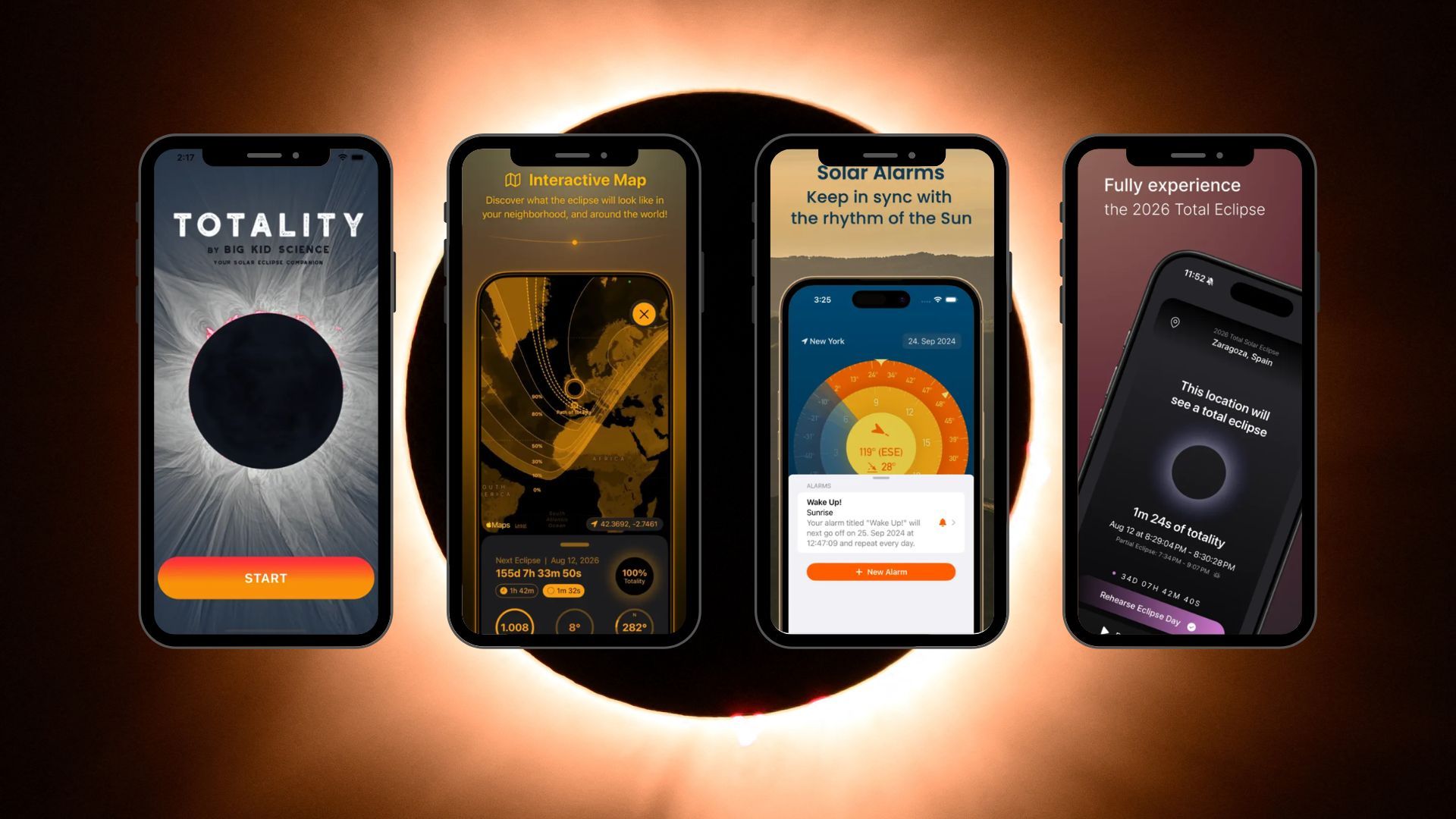
To help you navigate the nuances of the 2026 event, we have highlighted four standout applications that offer everything from high-fidelity simulations to real-time navigation.
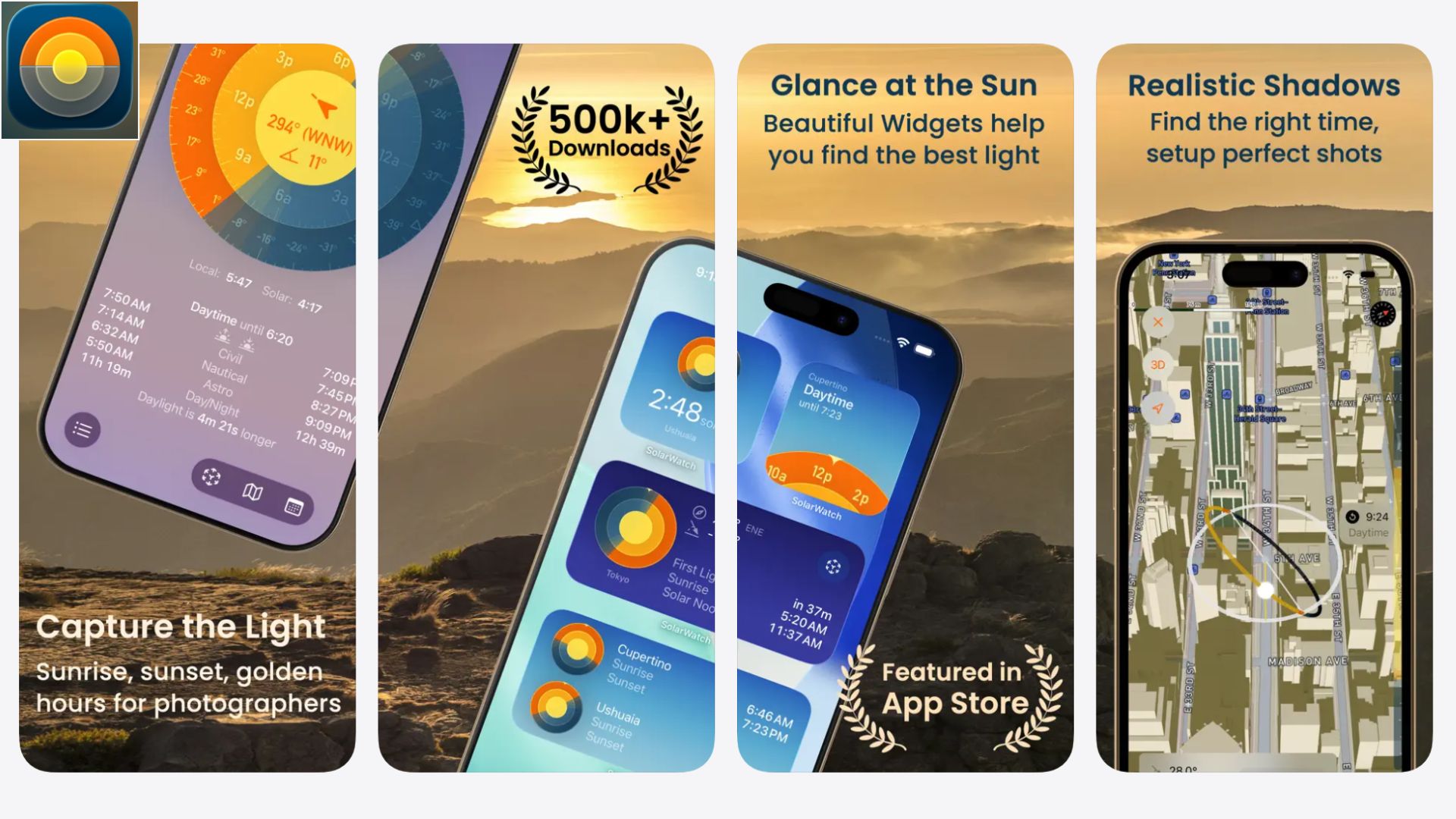
1. SolarWatch
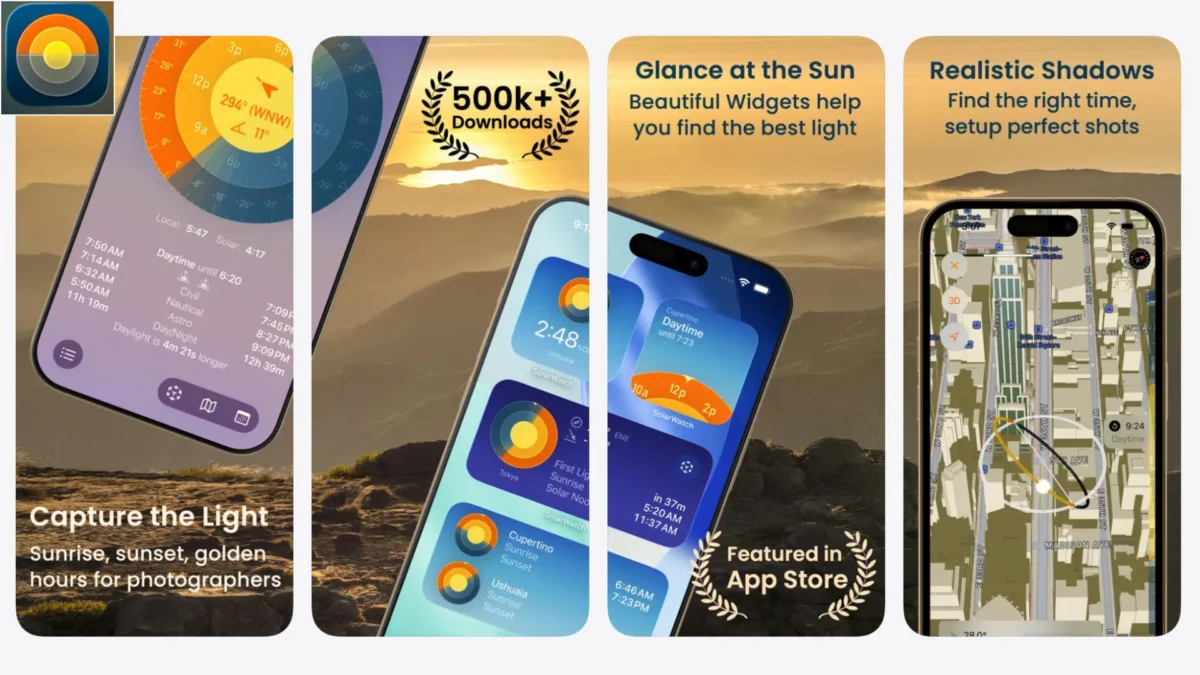
The popular iOS stargazing app, SolarWatch, has undergone a significant architectural overhaul to accommodate the specific requirements of the upcoming eclipse. Developed by Engin Kurutepe, the app has evolved beyond its roots as a sunset predictor to become a comprehensive celestial dashboard.
- Key Features: SolarWatch provides interactive path maps that allow users to simulate the precise timing of each phase—from the first bite of the moon on the sun to the final release. Perhaps most valuable is its integration of cloud obscuration data, which helps users decide whether to stay put or relocate to clearer skies.
- The 3D Advantage: The app offers real-time and time-lapse simulations of the moon’s shadow racing across a 3D representation of the Earth. It also provides educational depth, explaining phenomena like Baily’s Beads and the diamond ring effect, while delivering live countdowns specific to your GPS coordinates.
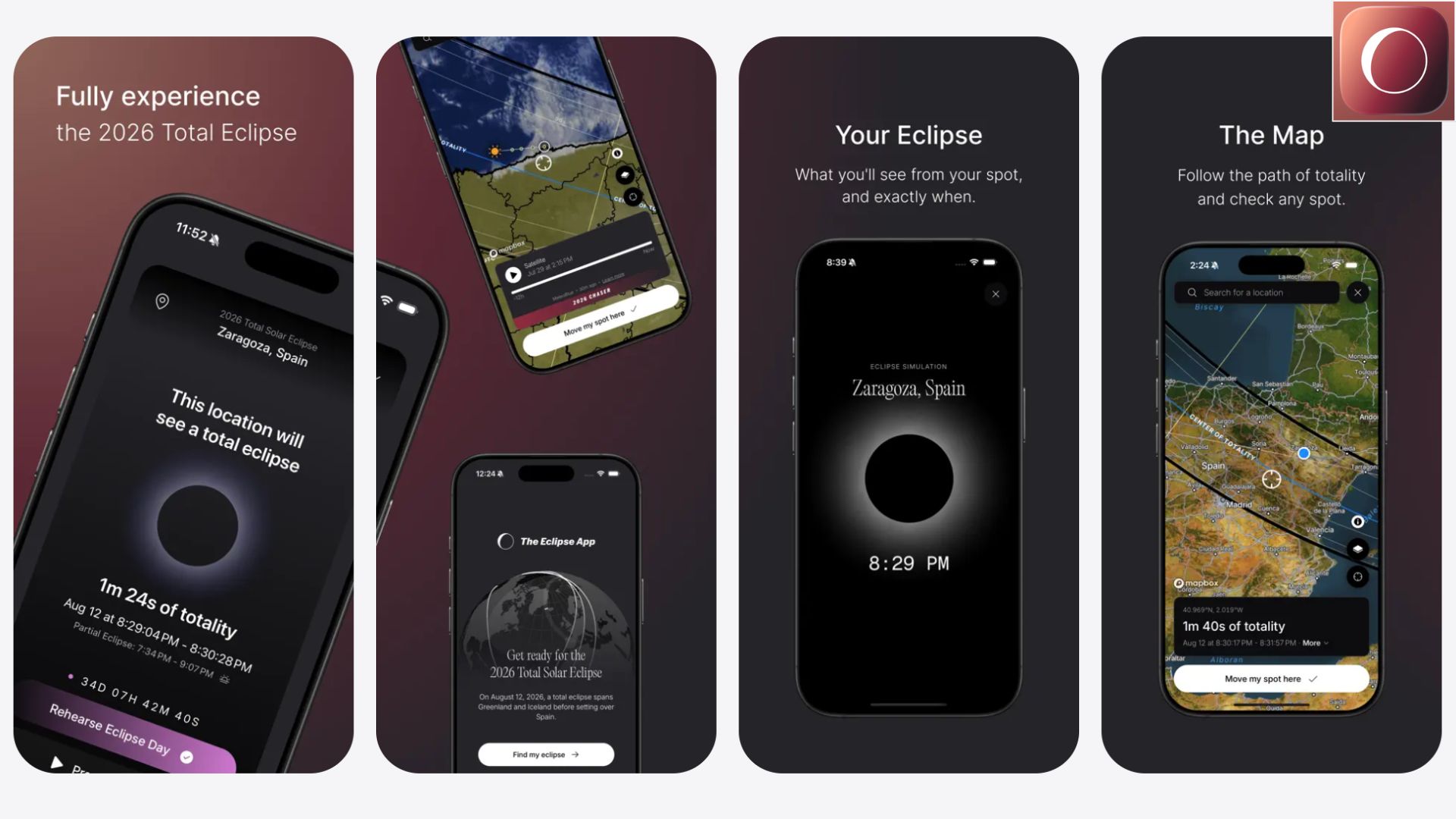
2. The Eclipse App
Specifically rebuilt for the 2026 event, The Eclipse App is a streamlined, user-friendly tool for iOS that focuses on accuracy and post-event reflection.
- Precision Timing: The app is engineered to provide second-by-second updates on the progress of the eclipse. By utilizing your device’s internal sensors, it generates a visual simulation of the eclipse as it will appear from your exact vantage point, showing the precise percentage of solar coverage at any given moment.
- Recording Capabilities: One of the unique selling points of The Eclipse App is its built-in recording feature, which allows users to capture their experience in real-time. This creates a digital diary of the event, enabling users to relive the sounds, sights, and feelings of those brief moments of totality long after the moon has moved on.
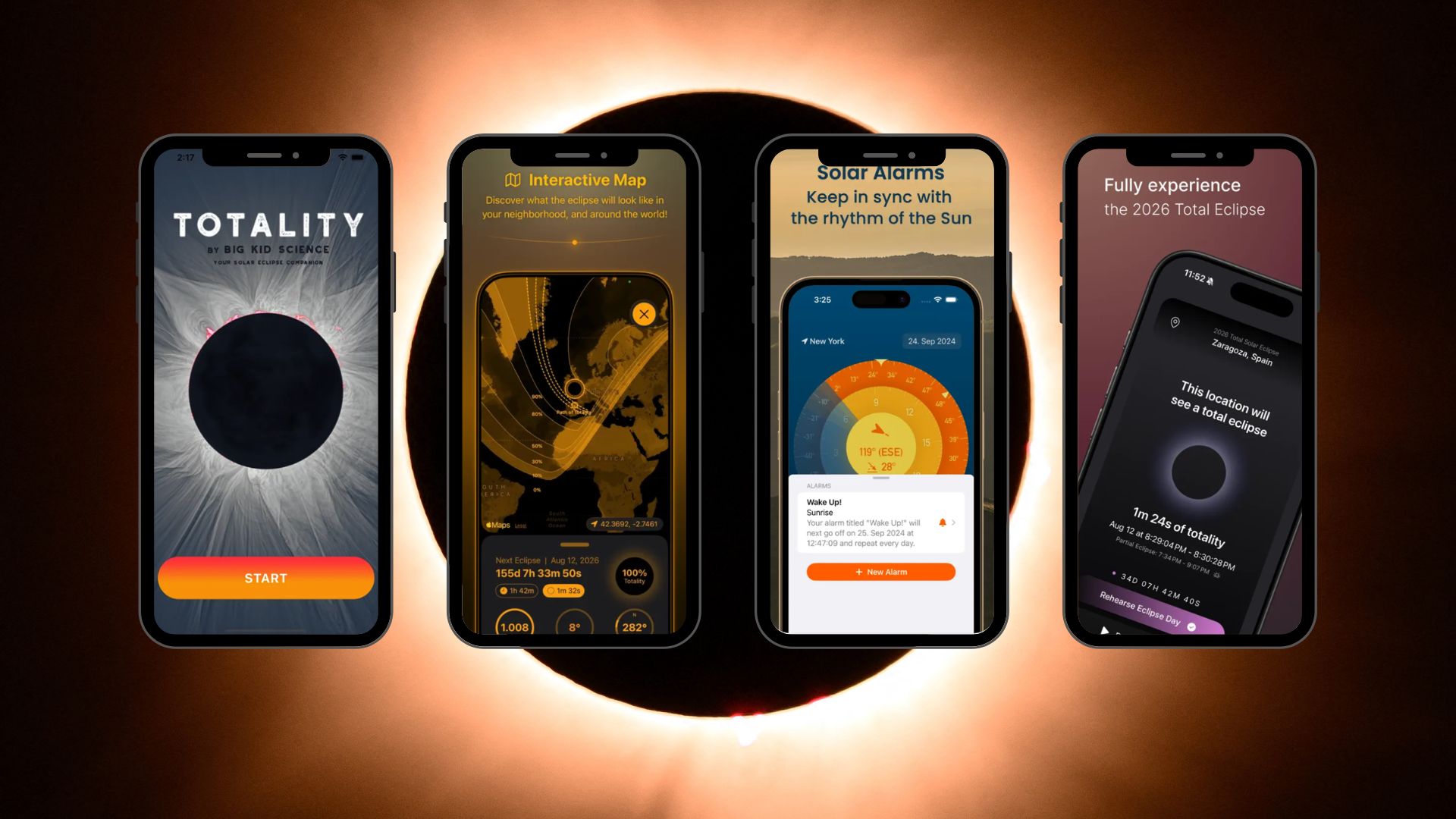
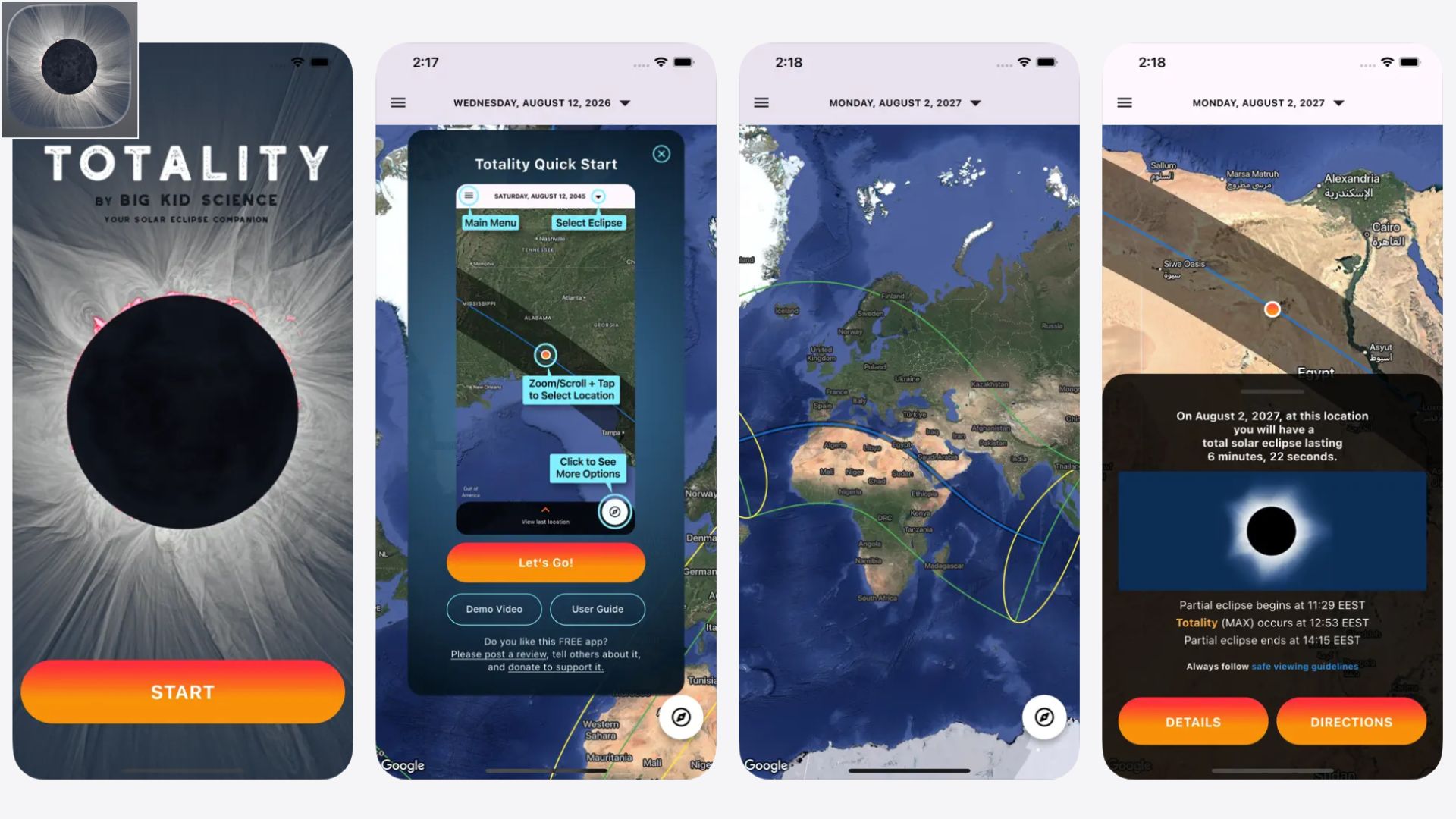
3. Totality by Big Kid Science
Recognized as one of the most reliable educational tools, Totality by Big Kid Science is available on both iOS and the Google Play Store. It is designed for the eclipse enthusiast who wants to combine scientific understanding with practical utility.
- Navigation and Safety: Beyond its accurate timing calculations based on high-precision GPS data, the app excels at providing safety tips. It includes curated educational modules that explain the science behind the event, making it an excellent choice for families and educators.
- Logistics: The app includes robust navigation tools that assist "eclipse chasers" in finding their way into the path of totality, providing a vital safety net for those traveling through the unfamiliar, rugged landscapes of northern Spain or Iceland.
4. Solar Snap
For those focused on the art of astrophotography, Solar Snap serves as an indispensable bridge between a standard smartphone camera and the specialized needs of solar imaging.
- Capture Controls: Solar Snap provides specialized camera controls to help you handle the extreme contrast of an eclipse. It is designed to pair with the Solar Snap filter kit, but the developers also provide in-app tutorials for users to construct their own safe filters using certified eclipse glasses—a necessary step for protecting both your eyes and your phone’s sensor.
- Comprehensive Data: Alongside its photography features, it offers an interactive global map and phase-timing information, ensuring that you don’t miss the perfect shot because you were busy checking a weather report.
A Chronology of the Event: What to Expect
While each location will experience the eclipse at slightly different times, the sequence of events remains constant:
- First Contact (Partial Phase): The moon makes its first visible "dent" in the sun’s disk. This is the stage where Solar Snap’s filtering becomes essential.
- Approaching Totality: As the sun’s light wanes, you will notice the temperature drop and the behavior of local wildlife change. Apps like SolarWatch will begin their final countdowns.
- Totality: The moment of perfection. For a few minutes, the sky turns to deep twilight, and the sun’s corona becomes visible. This is the only time it is safe to view the sun without protective filters.
- Post-Totality: The return of sunlight. During this time, many users of The Eclipse App will use the recording feature to capture the collective reaction of the crowd.
Supporting Data: The Scale of the 2026 Event
The 2026 eclipse is a major logistical event. With 15 million people situated within the path of totality, infrastructure in rural areas of Spain and Iceland is expected to be under significant strain.
- Geographic Reach: The path of totality spans thousands of miles, but the "width" of the path is narrow, making the use of GPS-enabled apps like Totality by Big Kid Science not just convenient, but essential for staying within the zone of 100% coverage.
- Weather Variability: Cloud cover remains the greatest threat to eclipse viewing. Data from meteorological services integrated into these apps allows for "chasing"—the practice of moving to a new location in the final hours to find clear skies.
Official Recommendations and Safety Implications
Safety is the paramount concern for any solar event. Organizations like NASA and the American Astronomical Society (AAS) emphasize that at no point during the partial phases is it safe to look at the sun without ISO-certified solar viewing glasses.
- Protecting Your Tech: Smartphone sensors are as vulnerable as human eyes. If you are using your phone to photograph the sun, you must use a solar filter. Apps like Solar Snap provide critical guidance on how to secure these filters, which is a significant safety consideration for the 2026 event.
- Digital Preparedness: With cellular networks likely to be congested due to the influx of tourists in remote regions, it is highly recommended that users download offline maps and the necessary eclipse apps well in advance of August 12.
Conclusion: Preparing for the Darkness
The total solar eclipse of August 12, 2026, promises to be one of the most significant skywatching events of the decade. Whether you are a seasoned eclipse veteran or a first-time observer, the right technology can provide the confidence and data needed to ensure you are in the right place at the right time.
By utilizing the interactive maps of SolarWatch, the recording capabilities of The Eclipse App, the educational resources of Totality, or the photographic guidance of Solar Snap, you can transform your experience from a simple observation into a meticulously planned adventure.
As we approach the date, we encourage all readers to stay informed through our live blog, where our skywatching editors, including Daisy Dobrijevic—currently positioned off the coast of Greenland—and Anthony Wood, will be providing real-time updates and on-the-ground reporting. Remember to prepare your gear, check your filters, and keep your eyes on the skies. For those looking to stay connected with the broader world of space exploration, the Space.com app is also available on all major platforms to provide the latest news on launches, space science, and future celestial events.
Editor’s Note: We invite our readers to share their experiences. If you capture stunning astrophotography of the 2026 eclipse, please submit your images, along with your name and location, to our editorial team at [email protected]. We look forward to seeing your perspective of the shadow.