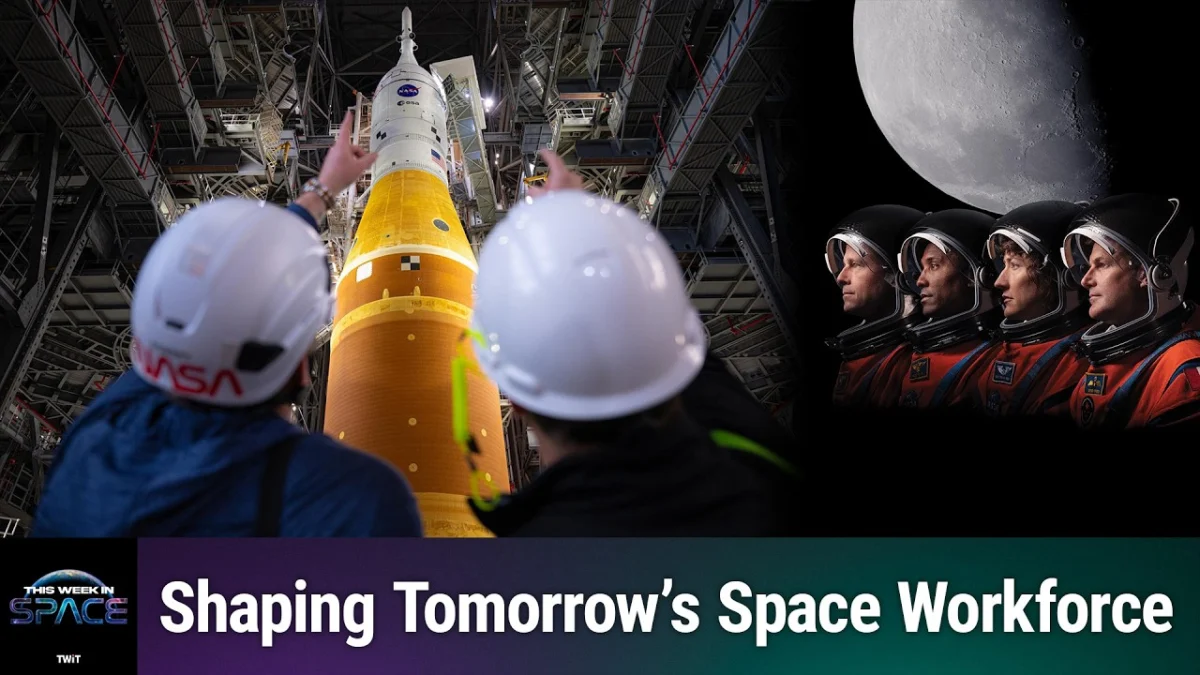
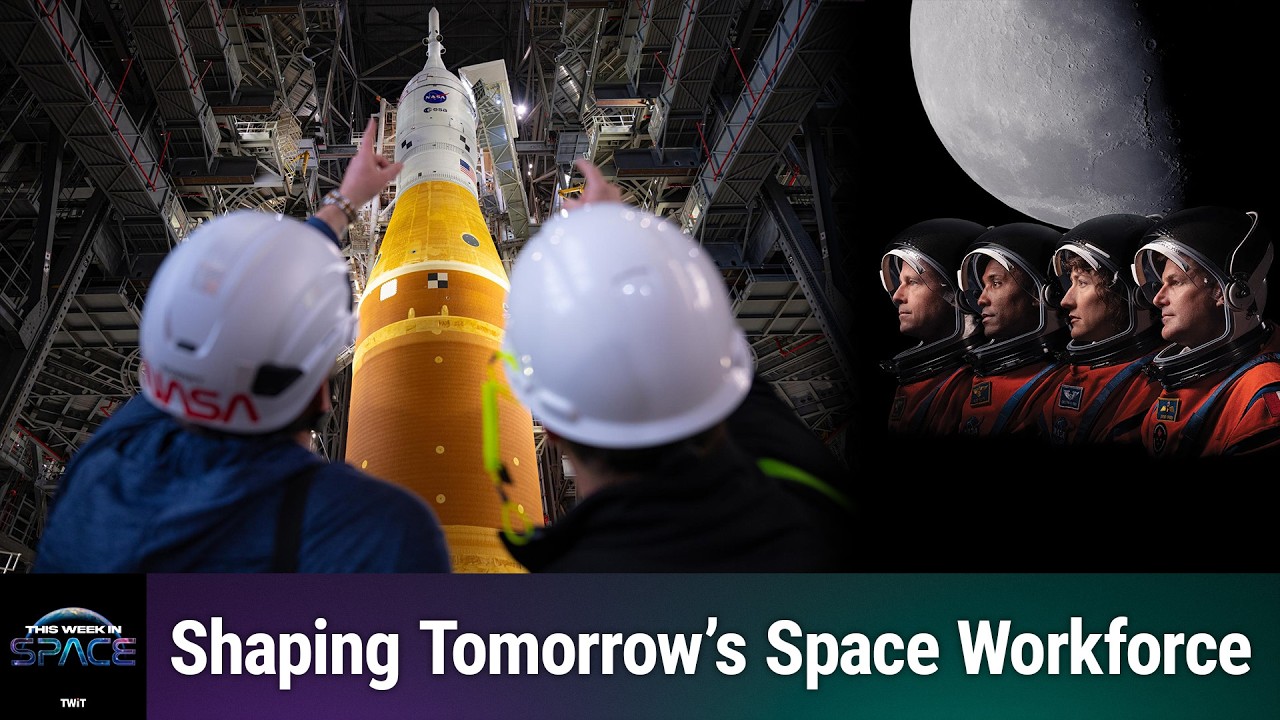
As humanity stands on the precipice of a new era of lunar exploration and deep-space ambition, the "NewSpace" economy is experiencing an unprecedented hiring boom. With the Artemis program aiming to return humans to the lunar surface and a burgeoning commercial sector competing for dominance in low-Earth orbit (LEO), the demand for a highly skilled, specialized workforce has never been higher.
In the latest installment of the This Week In Space podcast (Episode 233), hosts Tariq Malik and guest host Rick Jenet sat down with Dr. Amanda Smith-Hackler, Director of Education for the Universities Space Research Association (USRA), to dissect the critical importance of the STEM pipeline. As the Principal Investigator for the Air Force Research Laboratory (AFRL) Scholars and various STEM workforce development programs, Dr. Smith-Hackler offers a unique vantage point on how the next generation of engineers, scientists, and mission planners can secure their place in the final frontier.
The Changing Landscape of the Space Industry
The space industry is no longer the exclusive domain of national governments. While NASA’s Artemis missions remain the flagship for human lunar exploration, the influx of private-sector investment has transformed the marketplace. Companies like SpaceX, Blue Origin, Rocket Lab, and a host of smaller, specialized startups are rapidly expanding their operational footprints.
This expansion has created a "talent crunch." According to industry experts, the current pipeline of students pursuing Science, Technology, Engineering, and Mathematics (STEM) degrees is not sufficient to meet the projected hiring needs of the next decade. Dr. Smith-Hackler notes that the challenge lies not just in the quantity of graduates, but in the specialized nature of the skills required to support long-term space habitation and sustainable orbital operations.
Chronology of the Modern Space Workforce Pipeline
To understand where we are today, it is helpful to look at the evolution of the STEM pipeline:
- The Early 2000s (Foundation): Following the retirement of the Space Shuttle, the industry focused on diversifying the skill sets of aerospace engineers. This period saw the rise of the "NewSpace" movement, emphasizing lower launch costs and rapid prototyping.
- 2015–2019 (The Commercial Pivot): With the success of commercial crew programs, the industry shifted toward long-term sustainability. Universities began partnering more closely with the Air Force Research Laboratory (AFRL) and NASA to bridge the gap between theoretical classroom knowledge and practical aerospace application.
- 2020–Present (The Artemis Era): The launch of the Artemis program solidified the need for a lunar-ready workforce. Programs like the AFRL Scholars have become vital, providing internships and research opportunities that funnel students directly into defense and commercial space firms.
Supporting Data: Why the Pipeline Matters
The urgency of this initiative is backed by clear economic indicators. Recent workforce studies suggest that the global space economy is projected to reach $1 trillion by 2040. However, sustaining this growth requires a massive influx of specialized labor.
- Specialized Skill Gaps: Data indicates a shortage in areas such as orbital mechanics, life support systems engineering, and autonomous robotics—all of which are essential for Artemis mission success.
- Educational Pipeline: While the number of STEM graduates is increasing, the "conversion rate"—the percentage of graduates entering the aerospace sector—remains a bottleneck. Dr. Smith-Hackler emphasizes that early-career research programs are the single most effective tool in converting interest into a lifelong career in space.
- Commercial Growth: With hundreds of new companies entering the space marketplace annually, the sheer volume of entry-level positions is outstripping the output of traditional aerospace engineering programs.
Official Perspectives: The Role of Mentorship and Research
During the discussion on This Week In Space, Dr. Smith-Hackler highlighted that the key to developing the "Artemis Generation" is mentorship. The AFRL Scholars program is designed to pair students with seasoned researchers, allowing them to participate in high-stakes projects early in their academic careers.
"It’s not just about learning the math," Dr. Smith-Hackler explained. "It’s about understanding the mission lifecycle, working in multidisciplinary teams, and learning how to fail safely in a research environment."
The USRA has been instrumental in creating a bridge between government objectives and academic institutions. By providing a structured pathway for students to engage with the AFRL, they ensure that the workforce is not only technically proficient but also accustomed to the rigorous safety and security protocols required by national security and deep-space missions.
Implications: A New Era for STEM Education
The implications of this push are far-reaching. If successful, the efforts of programs like the AFRL Scholars will result in:
- Increased Innovation: A larger, more diverse workforce will bring new perspectives to legacy problems, such as radiation shielding, in-situ resource utilization (ISRU) on the Moon, and debris mitigation.
- National Security: As space becomes a contested domain, the ability to rapidly develop and deploy talent is becoming a matter of national security. The AFRL’s focus on workforce development is essentially a strategy for technological sovereignty.
- Economic Resilience: By fostering a pipeline of highly skilled labor, the United States and its international partners ensure they remain the primary hubs for the global space economy.
Bringing Space Home: The Falcon 9 Model
While the workforce development programs focus on the long-term, the passion for space is often ignited at a much younger age. For enthusiasts and aspiring engineers, hands-on engagement with space technology remains a vital gateway.
A prime example of this is the recent release of the Estes Falcon 9 model rocket. A highly detailed, scale replica of the workhorse that has revolutionized the modern launch industry, the model is more than just a toy. It serves as a physical representation of the engineering principles—propulsion, aerodynamics, and structural integrity—that define the current era of spaceflight.
Retailing at $149.99, the model has become a popular item for educators and hobbyists alike. For those looking to support the mission of This Week In Space and dive deeper into the world of model rocketry, our partners at collectSPACE.com are offering a 10% discount with the code IN-COLLECTSPACE.
About the Experts
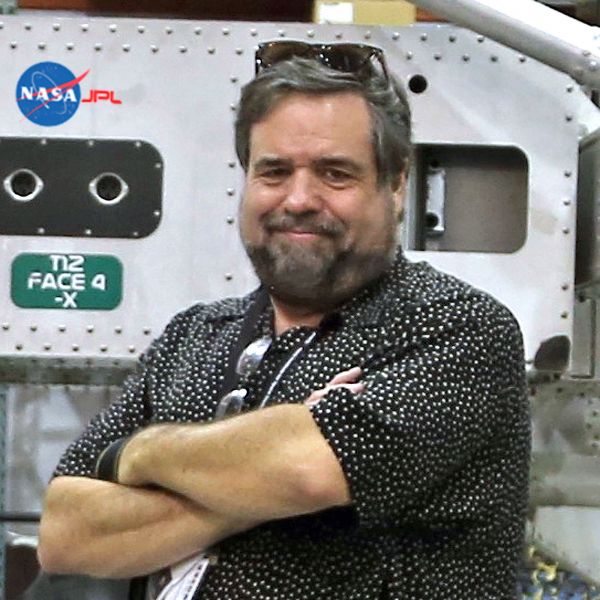
The ongoing discourse on the future of the space workforce is guided by industry veterans. Rod Pyle, co-host of This Week In Space, is a preeminent author and journalist with 18 books on space history to his credit. His expertise, combined with the editorial vision of Space.com Editor-in-Chief Tariq Malik—who has covered space flight for over 18 years—provides listeners with a comprehensive, professional analysis of the shifting space paradigm.
Conclusion
The "Artemis Generation" is not merely a label; it is a necessity. As we look toward the Moon, Mars, and beyond, our ability to explore will be limited only by the size and skill of our workforce. Through the tireless work of educators like Dr. Amanda Smith-Hackler and the collaborative efforts of organizations like the USRA and the AFRL, the path to the stars is being paved one student at a time.
For those interested in the intricacies of the new space age, This Week In Space continues to provide the essential deep dives necessary to stay informed. Every Friday, Pyle and Malik dissect the latest in lunar race developments, commercial competition, and the science that will define the next century of human achievement. Whether you are an aspiring engineer or a space enthusiast, the message is clear: the industry is hiring, the mission is set, and the future is waiting.
To join the conversation and learn more about the opportunities within the space sector, subscribe to This Week In Space on your preferred podcast platform and keep an eye on Space.com for the latest updates on the final frontier.