
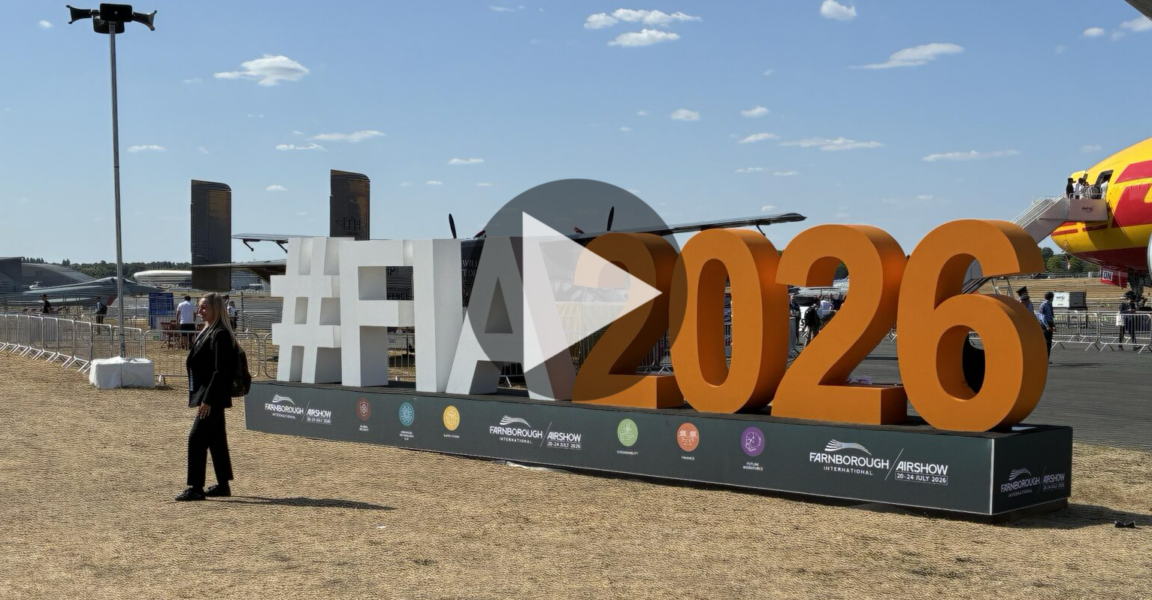
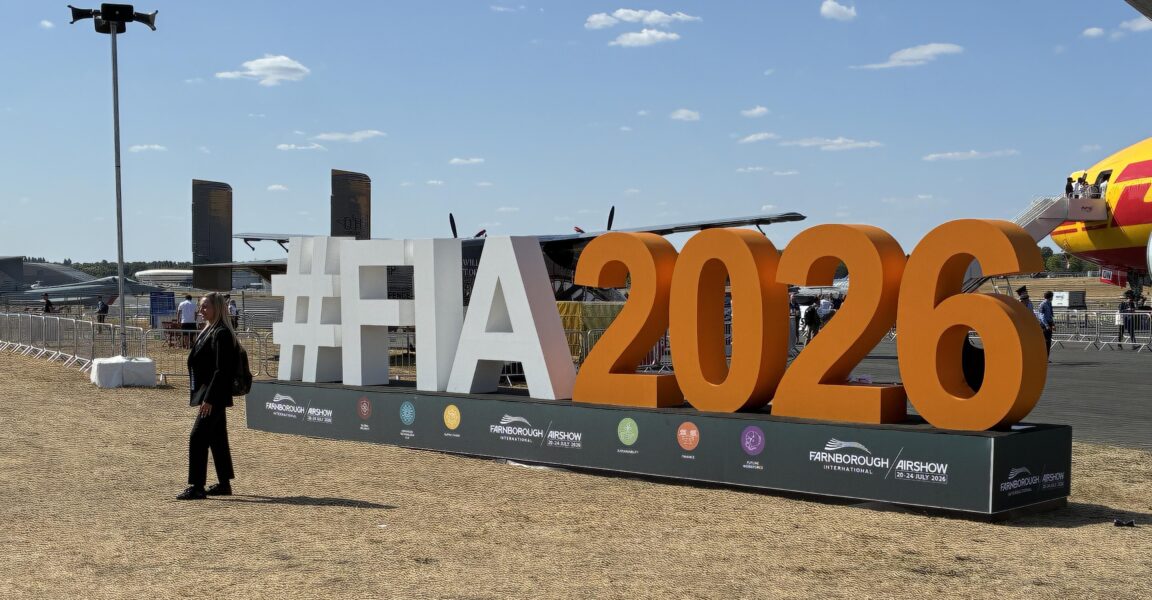
The 2026 Farnborough International Airshow, held this July in the United Kingdom, served as a definitive milestone for the global aerospace and defense industries. As the aviation world grapples with shifting geopolitical alliances, the rapid evolution of unmanned systems, and the imperative of sustainability, Farnborough emerged as the premier venue to witness the convergence of legacy manufacturing and next-generation warfare technology.

From the high-octane aerial demonstrations that filled the Hampshire skies to the quiet, strategic boardrooms where multibillion-dollar partnerships were forged, this year’s exhibition proved that the future of airpower is increasingly collaborative, electric, and autonomous.

Main Facts: The Star of the Show
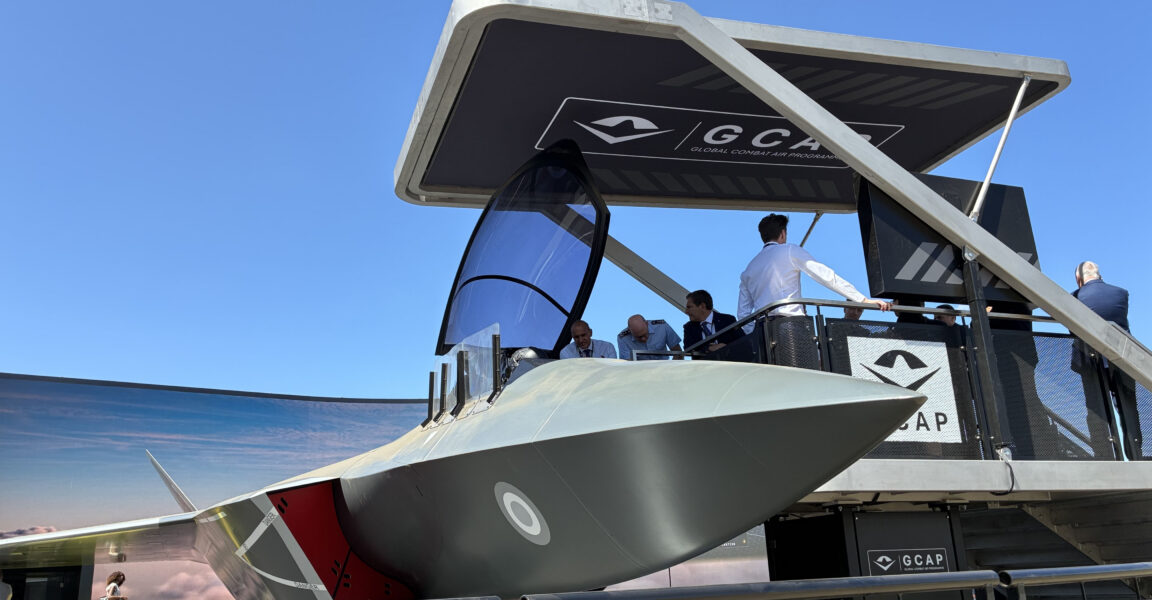
The undisputed centerpiece of the 2026 event was the Global Combat Air Programme (GCAP). A monumental trilateral effort between the United Kingdom, Italy, and Japan, the GCAP is designed to replace aging fourth-generation fighter fleets with a sixth-generation platform by the mid-2030s.
Throughout the week, VIPs and industry analysts were granted rare, close-up access to the GCAP cockpit demonstrator. The mock-up represents a paradigm shift in pilot-machine interaction, featuring advanced augmented reality interfaces and AI-integrated mission systems. For many in attendance, the ability to sit in the cockpit of the next-gen fighter was a visceral reminder that the design phase is maturing rapidly, moving from theoretical sketches to tangible engineering reality.
Beyond the combat sector, the airshow underscored a robust commitment to dual-use technologies. The exhibition floor was dominated by discussions surrounding Collaborative Combat Aircraft (CCA)—drones designed to act as "loyal wingmen" to human-piloted jets. General Atomics, in particular, drew significant attention with its presentation of the Gambit 6, a drone platform engineered for high-end intelligence, surveillance, and reconnaissance (ISR) as well as strike missions.

Chronology of the Week
Day One: The Launch and the Buzz
The opening day was defined by a sense of urgency. As workers put the final touches on the exhibition halls, the atmosphere was electric. The focus was firmly on industry networking and the unveiling of major mock-ups. The "Farnborough experience" was highlighted by the sheer diversity of attendees, ranging from military brass to high-tech startups. The day ended with a vibrant, albeit frantic, energy as trade delegations began their series of high-level meetings.
Day Two: Tech Integration and Hardware
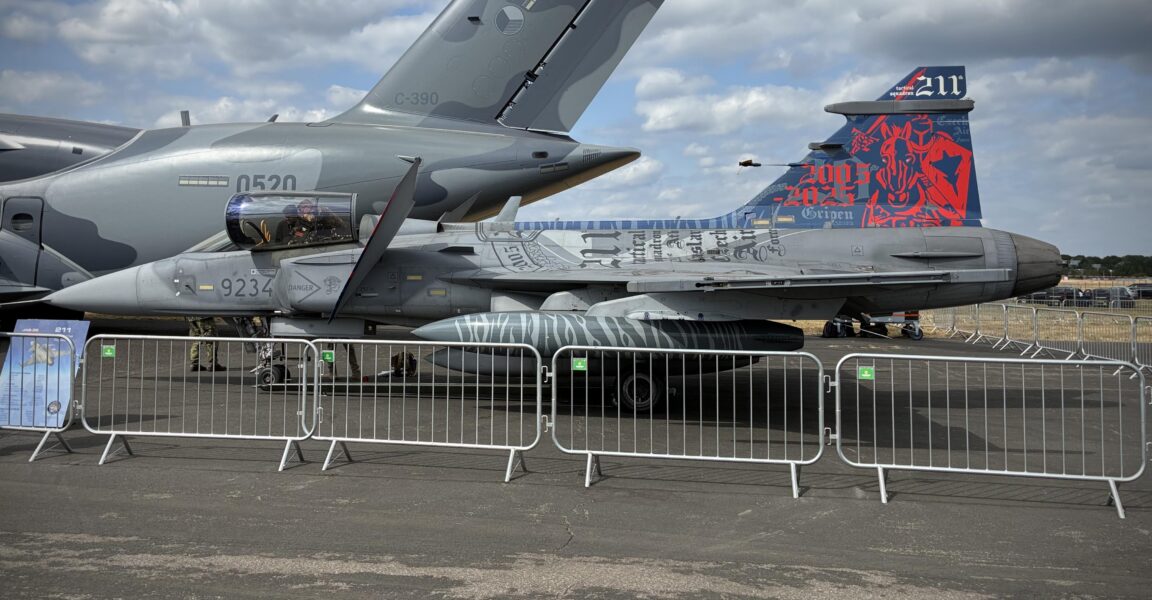
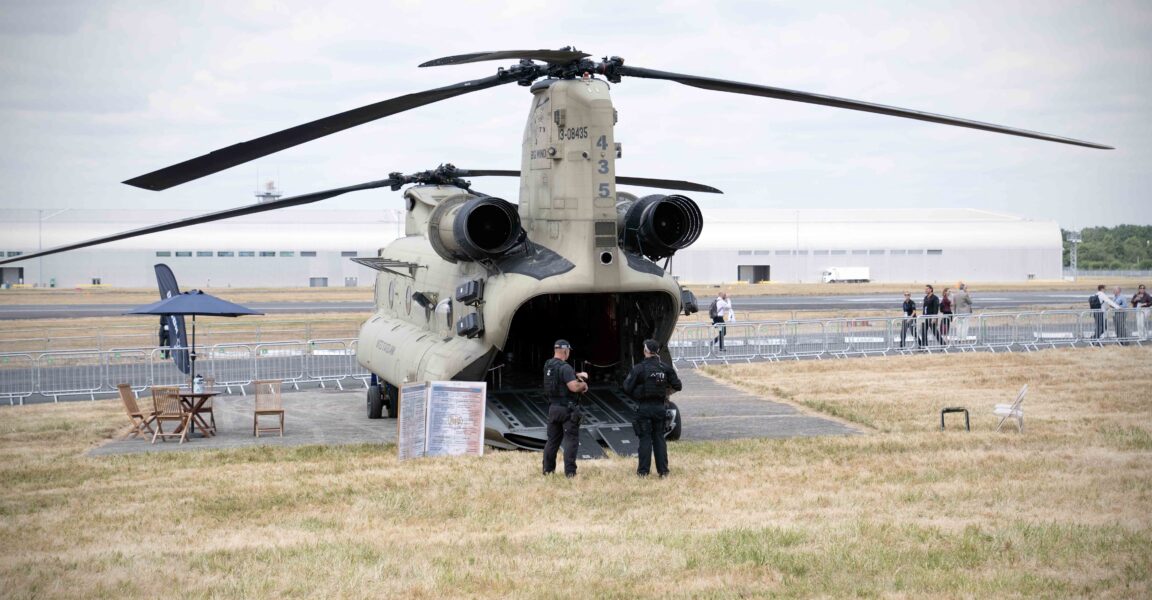
Tuesday shifted toward technical capabilities. The tarmac was transformed into a runway of modern airpower. Observers witnessed the imposing presence of the US Army’s CH-47 Chinook alongside the sleek, versatile Embraer C-390 Millennium. This was also the day when the strategic partnership between MBDA and General Atomics was brought into the spotlight. The integration of the SPEAR miniature cruise missile onto the MQ-9B and Gambit 6 platforms marked a significant leap in how unmanned systems can be weaponized for high-threat environments.

Day Three and Beyond: Demonstrations of Power
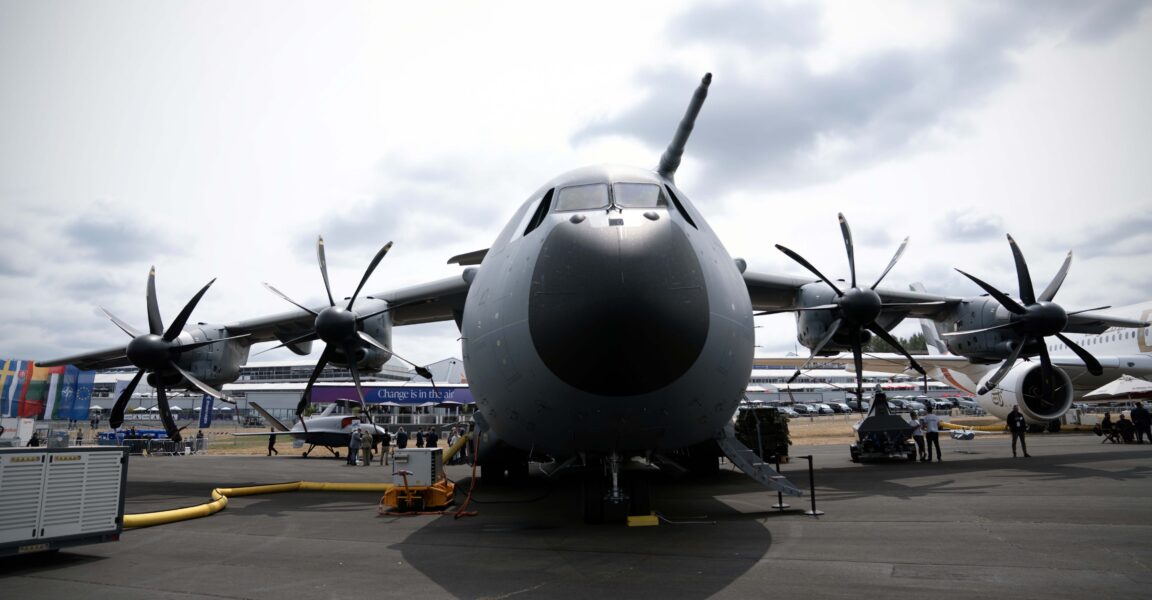
The latter half of the week moved from the tarmac to the clouds. Aerial demonstrations provided a "dazzling" display of agility and performance. The Saab JAS-39 Gripen, sporting a striking new livery, performed maneuvers that highlighted the continuing relevance of agile, cost-effective fighters in modern European security. Meanwhile, the presence of the Airbus A-400M reminded attendees that while the future is autonomous, the present relies on heavy-lift logistics and strategic transport.
Supporting Data: Innovations in Air and Space
While the focus was heavily defense-oriented, the civil and green-tech sectors maintained a strong foothold.

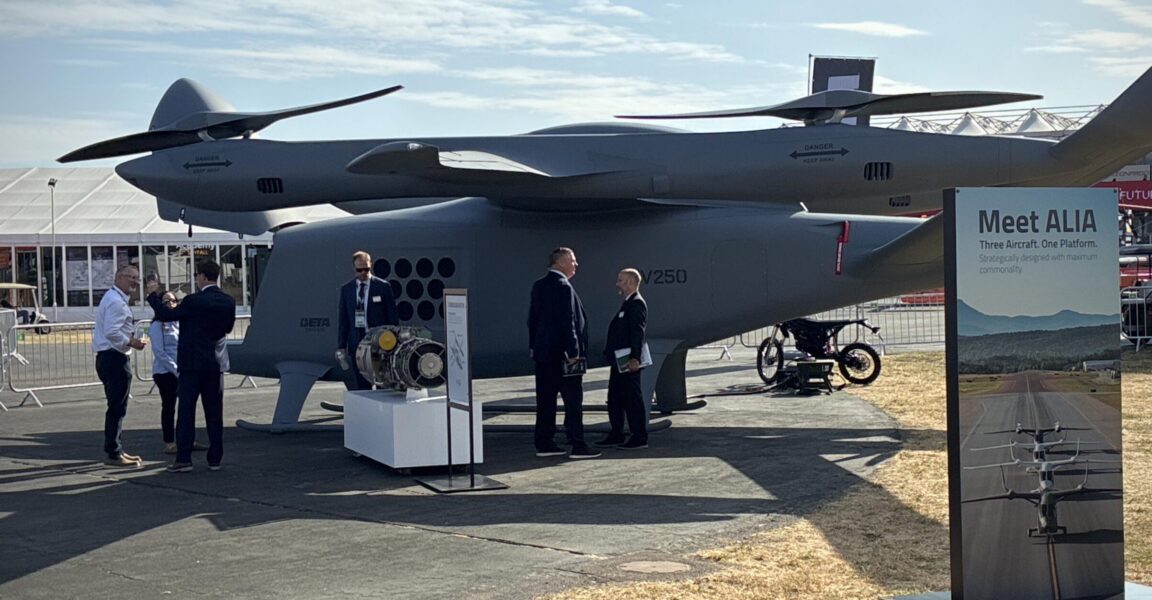
- Electric Aviation: Beta Technologies showcased the latest iteration of its ALIA electric aircraft. The continued development of the ALIA reflects a broader industry trend toward electrification to reduce the carbon footprint of regional air mobility.
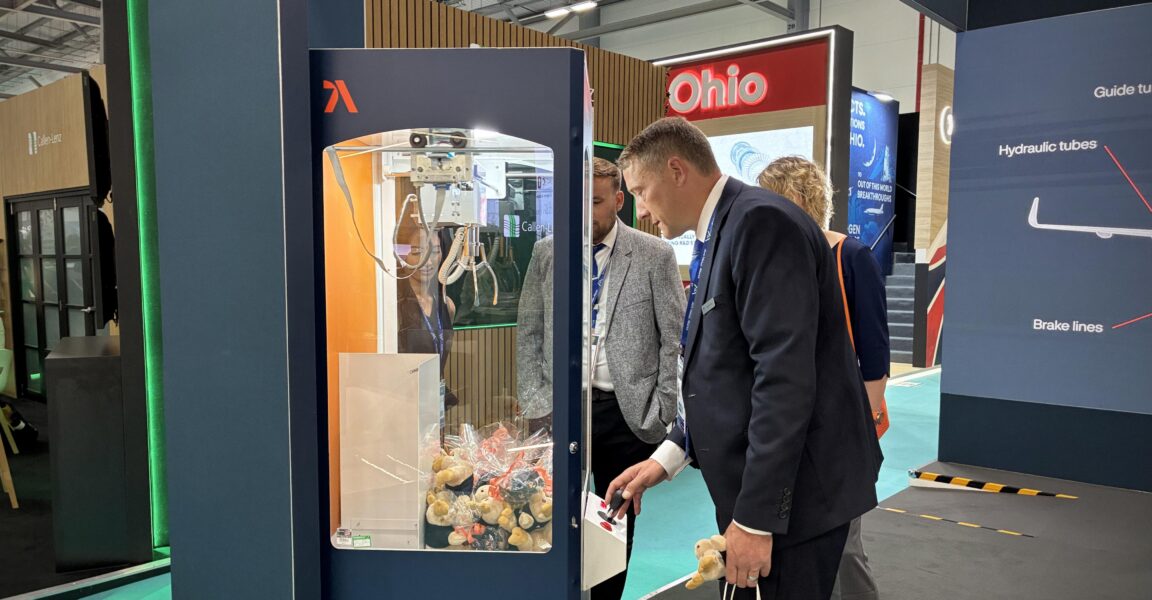
- Industrial Advancements: Even in the high-stakes world of defense, human engagement remained a priority. The Alleima claw machine—designed to showcase the precision and durability of their steel and alloy products—became a surprising social hub, symbolizing the intersection of industrial manufacturing and marketing innovation.
- Logistical Complexity: The event showcased a massive array of support hardware, from transport aircraft like the C-390 to the logistical infrastructure of airshow staging itself. The sheer volume of equipment on display—over 100 aircraft and thousands of exhibitors—underscores the resilience of the global supply chain despite recent economic headwinds.
Official Responses and Strategic Outlook
"Farnborough 2026 is about more than just hardware; it is about the integration of systems," said one lead engineer associated with the GCAP project. "We are no longer building planes; we are building networks that happen to fly."
Defense leaders expressed a consistent theme throughout the week: the necessity of "speed to capability." With the global threat landscape changing, traditional multi-decade development cycles are being challenged. The collaboration between MBDA and General Atomics serves as a blueprint for this speed. By combining European missile technology with American unmanned airframes, the companies are bypassing traditional R&D silos to deliver a lethal, ready-to-deploy capability in record time.

The mood among industry executives was cautiously optimistic. While inflation and supply chain bottlenecks remain concerns, the high level of government attendance suggests that defense spending will continue to serve as a bedrock for the aerospace sector for the foreseeable future.
Implications for the Future of Aerospace
The Rise of the Drone Wingman
The most profound implication of Farnborough 2026 is the normalization of the "drone wingman." The display of the General Atomics Gambit series confirms that the future of aerial combat is moving away from the "one pilot, one jet" paradigm. By utilizing unmanned platforms to handle high-risk, high-attrition tasks, air forces intend to preserve their most valuable assets—their pilots—while extending the range and lethality of their strike packages.
Sustainability as a Defense Requirement
The push for green aviation is no longer restricted to commercial airliners. Military operators are increasingly demanding fuel-efficient, low-signature, and sustainable technologies. The progress seen with Beta Technologies and the research into hybrid-electric powertrains suggest that the military of 2040 will look very different from the fuel-intensive forces of today.
The Return of Geopolitical Competition
The presence of advanced fighter models and integrated weapon systems from various international partners highlights a global "arms race" for technological supremacy. Farnborough served as a reminder that the UK, Italy, and Japan are deeply committed to the GCAP, signaling a shift in how these nations perceive their sovereign security needs. The airshow was not merely a marketplace; it was a diplomatic arena where the strength of alliances was measured by the compatibility of their defense architectures.

Conclusion: A New Baseline
As the 2026 Farnborough International Airshow concludes, the industry is left with a new baseline. The "dazzling" aerial displays and the quiet, high-tech mock-ups in the halls tell the same story: the aerospace industry is in the midst of its most significant transformation since the dawn of the jet age.
From the integration of AI in the cockpit to the weaponization of autonomous drones, the innovations on display in Hampshire this July will dictate the outcome of future conflicts and the nature of global trade for decades to come. As participants head home, the takeaway is clear: the future of flight is autonomous, highly integrated, and rapidly evolving. The bar has been set, and the race to build the next generation of airpower has only just begun.