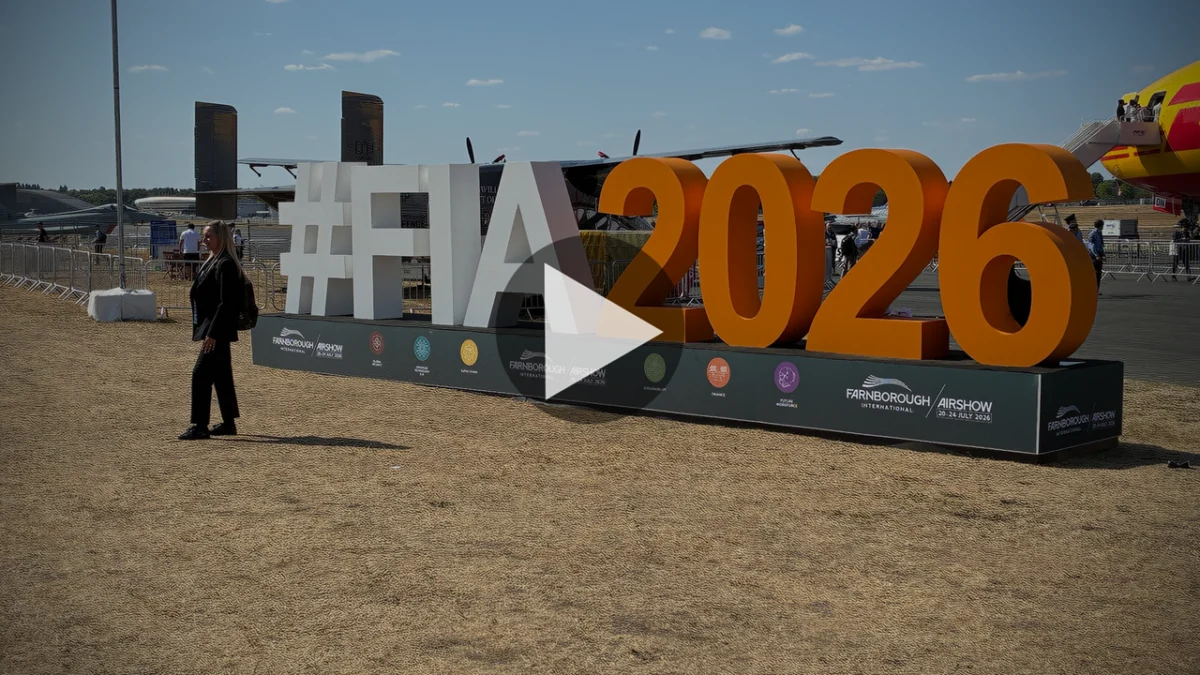
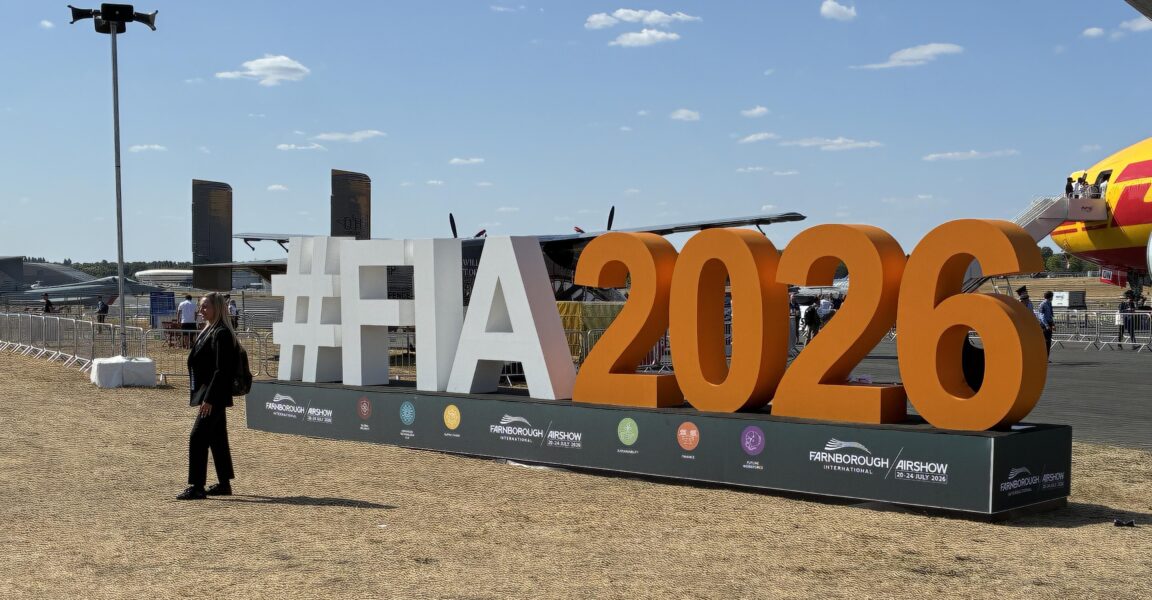
FARNBOROUGH, UK — As the aviation world descends upon Hampshire for the 2026 Farnborough International Airshow, the atmosphere is defined by a distinct departure from the commercial-heavy focus of previous years. While the skies above the airfield continue to thrill spectators with precision aerobatics, the real action is taking place within the halls of the exhibition center, where defense contractors, government officials, and military planners are grappling with a rapidly shifting security landscape.
From the evolving requirements for U.S. presidential transport to the fierce, accelerating race for "loyal wingman" drone capabilities, the opening days of Farnborough 2026 have served as a microcosm of modern geopolitical tension and technological ambition.

The Strategic Landscape: Main Facts and Emerging Trends
The prevailing theme at this year’s show is the acceleration of next-generation air dominance. The most significant development to emerge is the strengthening of the Global Combat Air Programme (GCAP)—the collaborative effort between the United Kingdom, Italy, and Japan to field a sixth-generation fighter jet.
During the initial sessions, industry leaders and military analysts highlighted three core pillars of the 2026 defense agenda:
- The Autonomous Revolution: The race to integrate collaborative combat aircraft (CCA) or "drone wingmen" into manned fighter formations.
- Global Partnerships: The expansion of the GCAP ecosystem, with Canada signaling a pivotal move to join as an observer.
- Logistics and Sovereignty: The complex requirements for high-value national assets, specifically the ongoing debate regarding the next iteration of the U.S. presidential aircraft.
Chronology of the Opening Days
Day One: The "Loyal Wingman" Showdown
The inaugural day of the show was marked by a palpable sense of urgency regarding autonomous air systems. Breaking Defense Editor-in-Chief Aaron Mehta and Senior Reporter Valerie Insinna led the discourse, shifting the focus away from legacy platforms toward the trans-Atlantic competition to build the definitive drone wingman.
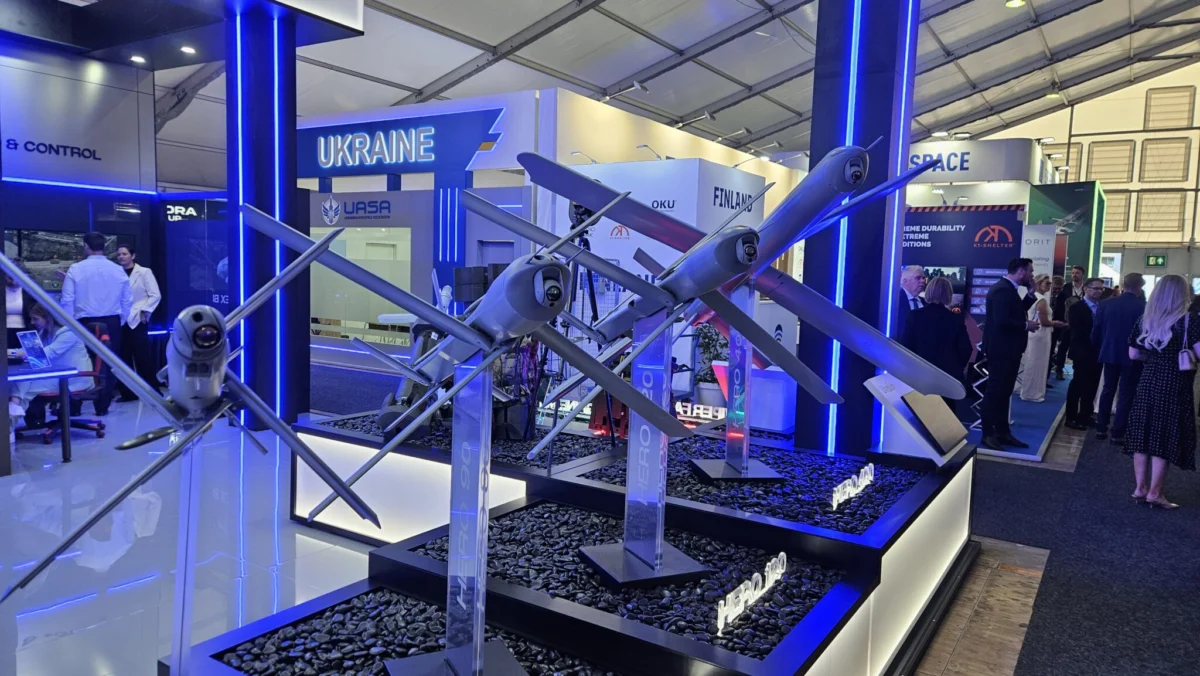
The debate centered on the necessity of "attritable" aircraft—drones capable of performing high-risk reconnaissance and strike missions while controlled by human pilots in neighboring cockpits. As industry players showcased their latest prototypes, it became clear that the integration of AI-driven decision-making into these platforms is no longer a "future capability" but an immediate procurement priority for NATO and its Pacific allies.
Day Two: Canada and the GCAP Expansion
By the second day, the focus shifted toward the diplomatic and strategic implications of the GCAP. The most anticipated news—and a significant win for the trilateral coalition—was the announcement that Canada is expected to join the program as an observer.
While the Canadian government has been careful to clarify that this partnership will not impact immediate fighter procurement decisions, the move is a clear signal of Ottawa’s long-term commitment to aligning its air force with the UK-Italy-Japan technological roadmap. This expansion provides the program with increased industrial scale and validates the GCAP model as a viable alternative to the U.S.-led Next Generation Air Dominance (NGAD) framework.

Supporting Data and Technical Developments
The exhibition floor at Farnborough 2026 offers more than just rhetoric. Several key displays highlight the technological maturity of the aerospace sector:
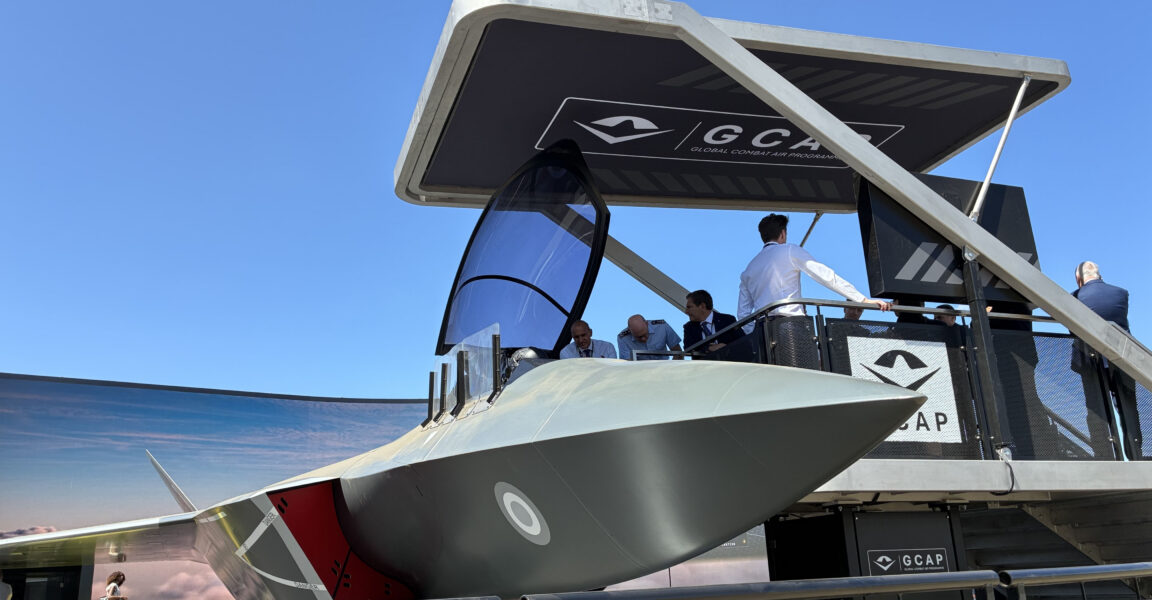
- The GCAP Cockpit Mockup: Perhaps the most crowded exhibit, the full-scale model of the next-generation fighter cockpit allowed VIPs to experience the integration of sensor fusion and augmented reality interfaces. The emphasis is on reducing pilot cognitive load in a high-threat environment.
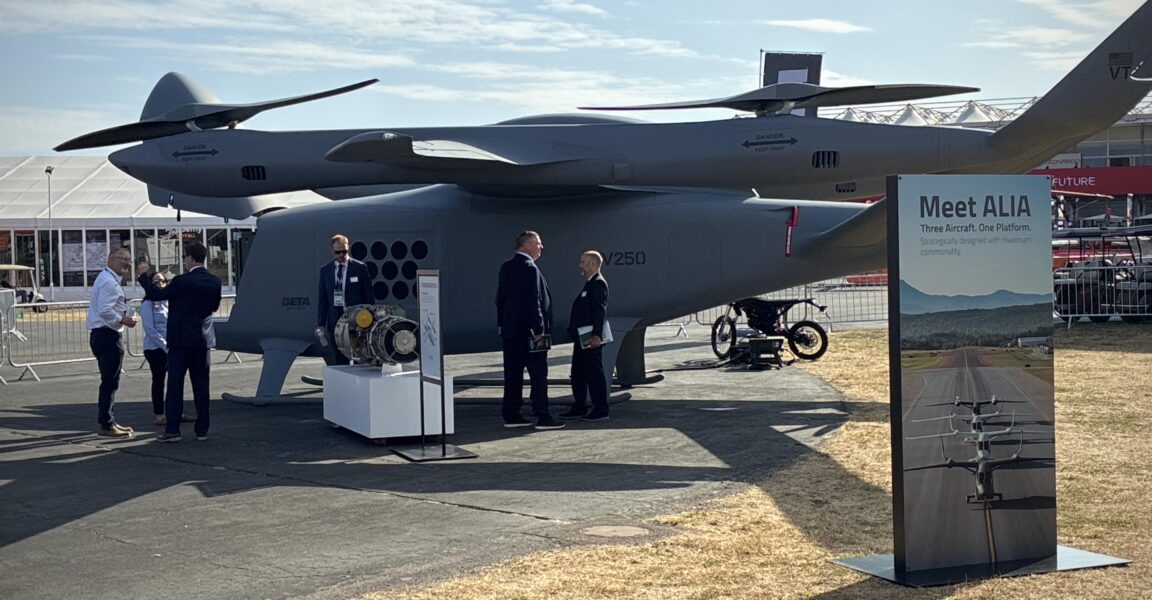
- Electric Aviation Progress: Outside of the defense sector, Beta Technologies showcased a refined version of its ALIA electric aircraft. While currently viewed through the lens of urban air mobility, the underlying battery and electric propulsion technologies are being closely studied for their potential to reduce the acoustic and thermal signature of future military drones.
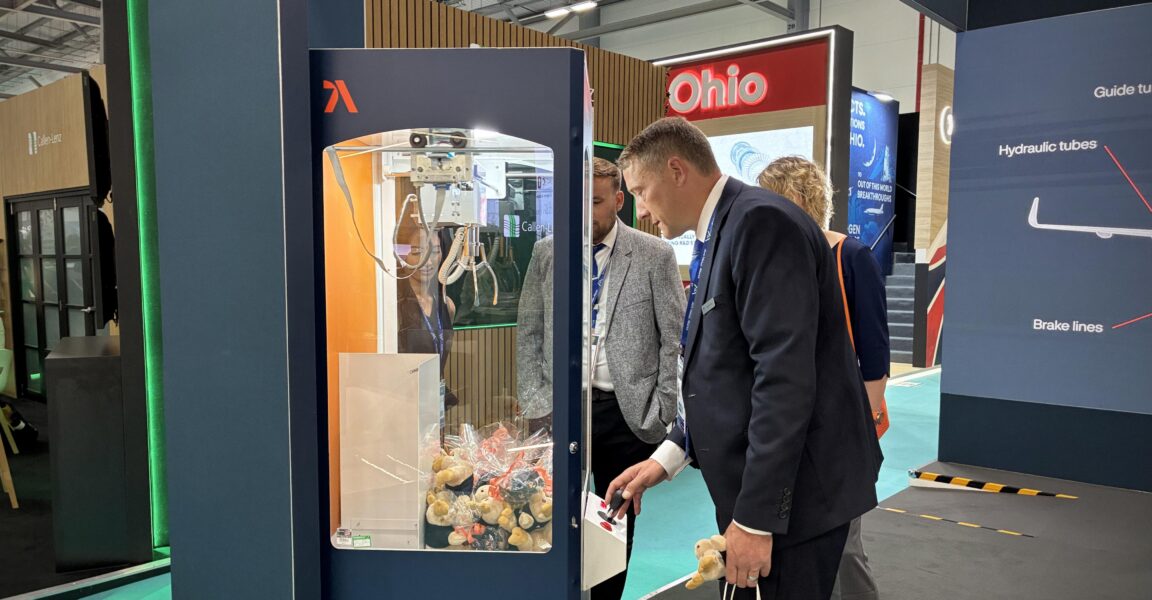
- Industrial Resilience: Despite the high-tech focus, the show floor served as a reminder of the industrial base’s importance. From the crowds gathered at the Alleima booth to the logistical challenge of feeding thousands of attendees, the show underscores that modern defense—like the aircraft themselves—requires a complex, interconnected, and reliable supply chain.
Official Responses and Diplomatic Maneuvers
The decision by Canada to engage with GCAP has drawn significant attention from defense ministers across the G7. In a statement issued on the sidelines of the event, officials from the Canadian delegation noted that the observer status is intended to provide "deep insights into the technological trade-offs and industrial requirements" of the program without locking the country into a specific acquisition path.
Simultaneously, the U.S. delegation has been actively managing the optics of the "Qatar-donated Air Force One" transition. The project, which has faced scrutiny over cost and domestic sensitivity, remains a lightning rod for discussions regarding presidential security protocols. White House planners are reportedly emphasizing that the integration of advanced, sovereign-certified communication suites is the primary driver of the project’s complexity, rather than the airframe itself.
Implications: The Road Ahead
As the week progresses, the implications of these developments will ripple through the global defense industrial base for years to come.
The End of the Solo Fighter?
The shift toward GCAP and the emphasis on drone wingmen suggest that the era of the "single-nation fighter program" is rapidly drawing to a close. The prohibitive costs of sixth-generation technology require a shared burden of research and development. Countries that cannot participate in these collaborative blocs risk falling behind in the race for electronic warfare dominance and sensor integration.
Geopolitical Realignment
Canada’s entry into the GCAP periphery suggests a re-balancing of transatlantic defense priorities. While the U.S. remains the primary security guarantor for NATO, the emergence of a robust European-Japanese air combat axis provides a necessary layer of strategic redundancy. It allows partners to explore technologies that may diverge from U.S. specifications, thereby increasing the overall resilience of the Western air defense portfolio.
The Human-Machine Interface
The most critical takeaway from Farnborough 2026 is that the human pilot is not being removed from the loop; rather, the loop is being fundamentally redesigned. Whether it is the AI-driven cockpit of the GCAP or the mission control interface of a loyal wingman, the technology is moving toward a model of "supervised autonomy." The pilot becomes a mission commander, managing a fleet of autonomous systems rather than flying a single aircraft.
Conclusion: A Show of Force and Future Planning
Farnborough 2026 is more than a display of steel and alloys; it is a summit of strategic intent. The sight of workers rushing to put the finishing touches on the main hall on Monday morning served as a fitting metaphor for the current state of the industry: a sector racing against time to modernize in the face of evolving global threats.

As the show continues, the focus will likely remain on the "daily wrap-ups" and the granular details of the contracts being signed behind closed doors. Whether it is the expansion of GCAP or the quiet, persistent advancement of electric propulsion, the themes established in these first two days will define the trajectory of military and commercial aviation through the end of the decade.
For observers and participants alike, the message from Hampshire is clear: the future of air power will be collaborative, autonomous, and profoundly interconnected. The race is on, and at Farnborough 2026, the world is watching to see who takes the lead.
For ongoing updates, in-depth interviews, and exclusive footage from the ground, continue to follow Breaking Defense’s comprehensive coverage throughout the remainder of the week.