London, UK – [Insert Date] – The global telecommunications sector is abuzz with strategic maneuvers and significant investments as key players position themselves for the future of connectivity. Today’s news highlights a transformative multi-billion dollar satellite expansion by Eutelsat aimed at challenging market leader Starlink, a landmark cross-border fiber initiative poised to revolutionize East African digital infrastructure, and the accelerated 5G network consolidation underway in the United Kingdom following a major merger. These developments underscore a dynamic period of growth, competition, and technological advancement across the industry.
Main Facts: A Multifaceted Telecom Surge
The telecommunications world is witnessing a confluence of significant events. In the satellite arena, Eutelsat has announced a colossal investment of €1 billion (approximately $1.16 billion) to bolster its OneWeb low Earth orbit (LEO) satellite constellation. This substantial commitment, secured through an agreement with Airbus for 229 additional satellites, signals a clear intent to expand OneWeb’s capabilities and compete more aggressively in the burgeoning LEO market, particularly against SpaceX’s Starlink.
Simultaneously, a crucial stride towards enhanced digital connectivity is being made in East Africa. Ethio telecom, Djibouti Telecom, and Sudatel Group have formalized a tripartite agreement to spearhead the "Horizon Fiber" project. This ambitious cross-border optical fiber initiative is designed to create a robust and high-capacity digital backbone, fostering stronger interconnections and facilitating greater digital integration across the region.
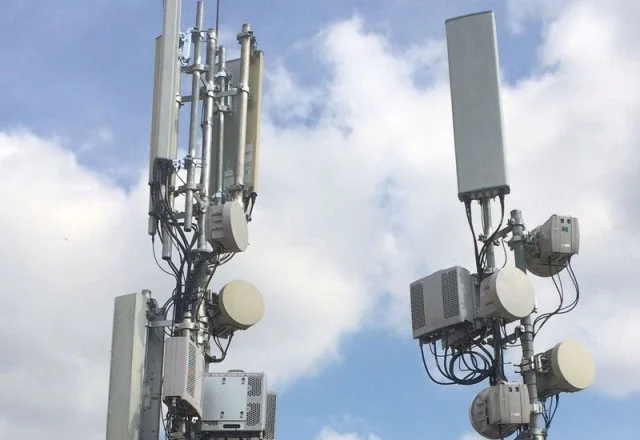
In the United Kingdom, the nascent Vodafone Three entity is actively progressing with its ambitious 5G network rollout. Following the completion of the significant merger between Vodafone UK and Three UK, the newly formed operator is embarking on an extensive infrastructure upgrade program. This involves the consolidation and modernization of existing network sites, leveraging advanced radio technologies to enhance capacity, performance, and coverage for millions of UK consumers and businesses.
These distinct yet interconnected developments paint a vivid picture of a global telecom industry in constant flux, driven by innovation, strategic partnerships, and the relentless pursuit of improved connectivity.
Chronology of Key Developments: A Timeline of Transformation
The announcements and ongoing projects detailed today represent significant milestones in the evolution of telecommunications infrastructure and services. Understanding the timeline and context of these events provides a clearer perspective on their strategic importance.
Eutelsat’s OneWeb Expansion:
- Present Day: Eutelsat announces a €1 billion agreement with Airbus for 229 additional OneWeb satellites. This order complements a prior contract for 440 satellites.
- Late 2026: Deployment of the newly ordered satellites is expected to commence. This marks a critical phase in the expansion of OneWeb’s LEO constellation.
- Beyond 2026: The deployment will continue through 2034, with the goal of sustaining OneWeb services and supporting the development of the European Union’s IRIS² constellation.
- 2027 & 2028: Eutelsat has also scheduled Ariane missions, likely for satellite deployment or maintenance, during these years, further underscoring its long-term commitment to space-based connectivity.
Horizon Fiber Project in East Africa:
- Recent Past: Ethio telecom, Djibouti Telecom, and Sudatel Group have been in discussions and planning phases for cross-border connectivity solutions.
- Present Day: A formal tripartite agreement is signed in Djibouti, officially launching the Horizon Fiber initiative. This signifies a concrete commitment to infrastructure development.
- Near Future: The project will move into the implementation phase, involving the laying of optical fiber cables and the establishment of network infrastructure linking the participating nations.
- Ongoing: The project aims to provide resilient and high-capacity connectivity to support growing demand for broadband and international services across East and Northeast Africa.
Vodafone Three’s UK 5G Rollout:
- Past: The merger between Vodafone UK and Three UK was completed, creating a new, larger mobile operator.
- Present Day: Vodafone Three is actively engaged in upgrading existing network sites across the United Kingdom. This involves the deployment of newer network equipment and the consolidation of infrastructure from both legacy operators.
- Ongoing: The operator is executing an £11 billion ($14.66 billion) investment program, which underpins the broader network modernization and expansion efforts.
- Future: The accelerated site modernization and deployment of advanced radio technology are expected to yield significant improvements in 5G capacity, performance, and coverage in the coming months and years.
Supporting Data and Strategic Rationale: The Numbers and the ‘Why’
The strategic decisions driving these telecom initiatives are underpinned by robust data and clear market objectives.
Eutelsat’s Satellite Ambitions:
- Investment: The €1 billion investment is a substantial commitment, reflecting Eutelsat’s long-term vision for the LEO market.
- Satellite Fleet: The addition of 229 satellites to an existing order of 440, alongside the current operational fleet of over 600, will create one of the largest LEO constellations globally. This scale is crucial for providing comprehensive coverage and high bandwidth.
- Market Positioning: OneWeb’s current focus on government, enterprise, and wholesale telecom customers differentiates it from Starlink’s predominantly consumer-facing strategy. Eutelsat’s expansion aims to solidify this niche while potentially broadening its appeal.
- Competitive Landscape: SpaceX’s Starlink already boasts over 11,000 satellites, establishing a significant first-mover advantage. Eutelsat’s aggressive expansion is a direct response to this competitive pressure, aiming to close the gap in terms of capacity and reach.
- IRIS² Synergies: The development of OneWeb’s capacity will also support the European Union’s IRIS² (Infrastructure for Resilience, Information and Security) constellation, highlighting a strategic alignment with geopolitical and defense objectives.
Horizon Fiber’s Regional Impact:
- Connectivity Gap: East and Northeast Africa have historically faced challenges with reliable and high-capacity cross-border digital connectivity. The Horizon Fiber project directly addresses this deficit.
- Economic Potential: Improved digital infrastructure is a key enabler of economic growth. Enhanced broadband penetration can foster new businesses, improve access to education and healthcare, and facilitate e-commerce.
- Regional Integration: The project’s success will foster greater digital integration among participating nations, enabling seamless data flow and collaborative digital initiatives.
- Capacity Enhancement: The focus on "high-capacity and resilient fiber infrastructure" is critical for supporting the increasing demand for data-intensive services, including video streaming, cloud computing, and the Internet of Things (IoT).
- Operator Collaboration: The tripartite agreement exemplifies a growing trend of telecommunications operators collaborating on infrastructure projects to achieve economies of scale and overcome individual limitations.
Vodafone Three’s UK Network Modernization:
- Merger Synergies: The £11 billion investment program is a direct outcome of the Vodafone and Three merger, designed to unlock the full potential of the combined entity’s assets.
- 5G Rollout Acceleration: By consolidating and upgrading sites, Vodafone Three can accelerate its 5G deployment, offering improved network performance and a more unified customer experience.
- Enhanced Capacity and Coverage: The integration of advanced radio technologies and the modernization of sites are crucial for meeting the burgeoning demand for mobile data and ensuring consistent coverage across the UK.
- Competitive Advantage: A robust and advanced 5G network is essential for maintaining and growing market share in the competitive UK mobile landscape.
- Economic Impact: The investment also signifies a commitment to the UK’s digital economy, supporting businesses and consumers with cutting-edge connectivity.
Official Responses and Statements: Voices from the Industry
The significance of these developments has been echoed by key figures within the involved organizations.
Eutelsat: While specific quotes were not provided in the initial content, Eutelsat’s strategic direction clearly indicates a strong belief in the future of LEO satellite services. The company’s investment signifies confidence in OneWeb’s ability to capture a substantial share of the enterprise and government satellite broadband market. The planned synergy with the EU’s IRIS² constellation further emphasizes a commitment to supporting European digital sovereignty and security initiatives.
Ethio telecom CEO Frehiwot Tamru articulated the vision behind the Horizon Fiber project, stating, "The partnership is a step toward building a shared digital future for the region." This statement highlights the collaborative spirit and the forward-looking aspirations driving the initiative. The emphasis on a "shared digital future" underscores the project’s role in fostering regional cooperation and mutual benefit through enhanced digital infrastructure.
Vodafone Three: Although direct quotes were not provided, the operator’s actions speak volumes. The "pursuit of an £11 billion ($14.66 billion) investment program" following the merger demonstrates a clear commitment to strengthening its position in the UK market. The focus on "broadening network modernization and expansion" and "strengthening its UK mobile network through advanced radio technology and accelerated site modernization" underscores a strategic imperative to deliver superior 5G services and enhance customer experience.
Implications and Future Outlook: Shaping the Future of Connectivity
These contemporary developments are not isolated events but rather indicators of broader trends that will shape the telecommunications landscape for years to come.
The LEO Satellite Wars Intensify: Eutelsat’s substantial investment in OneWeb signals that the competition in the LEO satellite broadband market is far from over. While Starlink holds a significant lead, Eutelsat’s strategic expansion, coupled with its existing geostationary satellite business, positions it as a formidable competitor, particularly in the enterprise and government sectors. The success of these LEO constellations will be crucial for bridging digital divides in remote areas and providing resilient connectivity solutions for critical infrastructure. The long-term implications include increased competition leading to potential price adjustments and enhanced service offerings, as well as a more robust and diversified global satellite internet ecosystem.
East Africa’s Digital Leap Forward: The Horizon Fiber project represents a pivotal moment for digital development in East and Northeast Africa. By creating a robust cross-border fiber backbone, the participating nations are laying the foundation for significant economic and social progress. This initiative is expected to unlock new opportunities for businesses, improve access to education and healthcare services through digital platforms, and foster greater regional integration. The long-term implications include accelerated economic growth, enhanced digital inclusion, and a more competitive regional digital market. It also sets a precedent for future infrastructure collaborations within the continent.
The UK’s 5G Consolidation and Evolution: The accelerated 5G rollout by Vodafone Three signifies a maturing stage of network deployment in the UK. The consolidation of infrastructure and the focus on advanced technologies suggest a drive towards greater efficiency and improved customer experience. This move is crucial for the UK to remain competitive in the global digital economy, enabling advancements in areas like smart cities, autonomous vehicles, and advanced manufacturing. The long-term implications include a more robust and unified 5G network, potentially leading to more competitive pricing and innovative service bundles for consumers and businesses alike. It also reflects a broader trend of consolidation within the European mobile operator market, driven by the need for scale and investment capacity in the face of escalating network upgrade costs.
In conclusion, the global telecommunications industry is navigating a period of profound transformation, marked by ambitious investments, strategic collaborations, and technological advancements. The announcements from Eutelsat, the Horizon Fiber initiative, and Vodafone Three’s 5G consolidation are testament to the dynamic nature of this sector and its critical role in shaping our increasingly connected world.