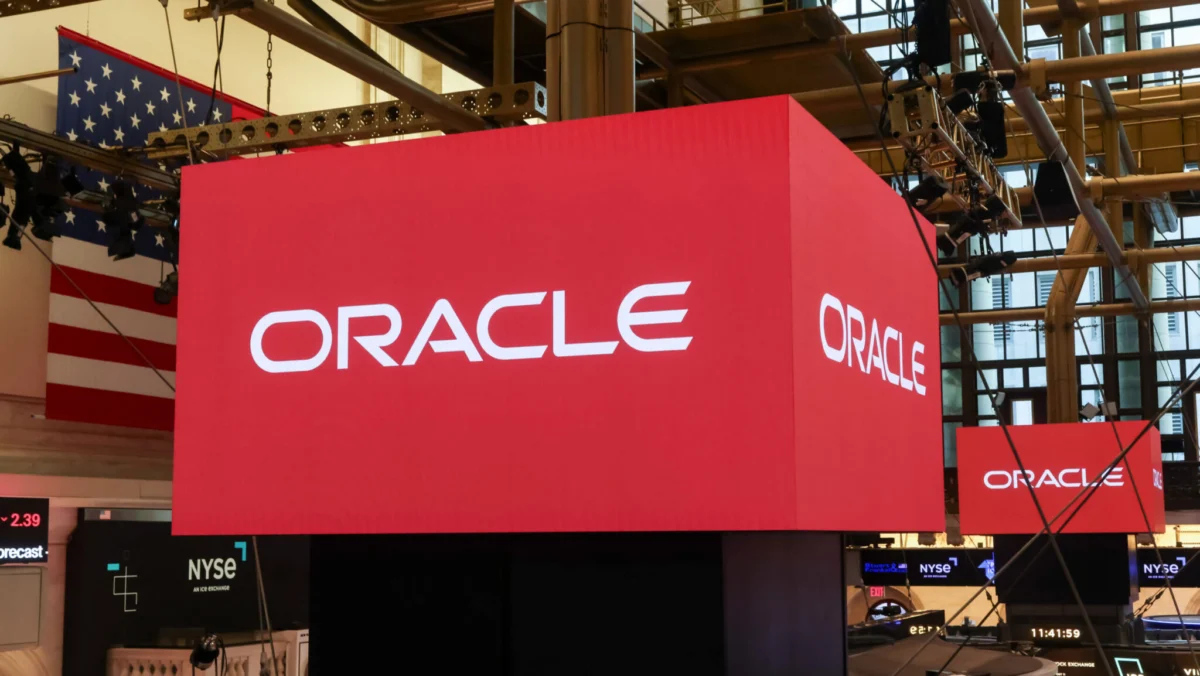
WASHINGTON — In a move signaling a fundamental shift in how the U.S. Department of Defense (DoD) manages its sprawling technological infrastructure, the Pentagon announced on Thursday a massive $7 billion Enterprise Software Agreement (ESA) with technology giant Oracle. The deal, which aims to consolidate decades of decentralized, "fragmented" IT procurement into a single, unified contract, represents a significant victory for the DoD’s ongoing digital modernization efforts.
Negotiated by the Department of the Navy, the contract serves as the latest pillar in a broader strategy to streamline software acquisition, enhance cybersecurity, and achieve hundreds of millions of dollars in taxpayer savings.
Main Facts: The Scope of the Oracle Agreement
The agreement is structured as a ten-year vehicle, comprised of a five-year base period followed by a five-year option period. It is designed to replace the ad-hoc, siloed purchases of Oracle products that have characterized the DoD’s IT landscape for years. By moving toward a singular, enterprise-wide contract, the Pentagon expects to gain unprecedented visibility into how software licenses are distributed, utilized, and budgeted across the entire defense enterprise.
The agreement covers not only the Department of Defense but also extends to the U.S. Coast Guard and various elements of the Intelligence Community. This sweeping reach ensures that, from the tactical edge—where warfighters operate in contested environments—to the shore-based administrative hubs, the DoD will be utilizing a standardized, secure, and scalable suite of Oracle software.
Chronology: A Pattern of Consolidation
This $7 billion agreement does not exist in a vacuum; it is the latest milestone in a sustained effort by the Pentagon to modernize its business systems. Over the past several years, the DoD has recognized that its "one-off" purchasing model—where individual military branches or agencies bought software licenses independently—led to inefficiency, security vulnerabilities, and bloated budgets.
- 2025 – The Push for Enterprise Standardization: Building on previous initiatives to move toward cloud-based environments, the Pentagon’s Chief Information Officer (CIO) office began auditing software expenditures, identifying billions in redundant licensing fees.
- May 2026 – The Dell Milestone: The current shift toward consolidation was punctuated by the Pentagon’s $9.7 billion award to Dell, which effectively centralized Microsoft 365 licenses under a single contract vehicle. This provided a blueprint for the Oracle deal.
- April – July 2026 – Negotiating the Oracle ESA: Throughout the spring and summer of 2026, the Department of the Navy served as the lead negotiator, working to reconcile the disparate needs of the Army, Air Force, Marine Corps, and Space Force into a unified demand signal for Oracle’s on-premises and cloud-integrated capabilities.
- July 2026 – Official Award: The DoD formally announced the contract, marking the conclusion of the negotiation phase and the beginning of the implementation period.
Supporting Data: Efficiency and Fiscal Impact
The primary driver behind this consolidation is fiscal accountability. For years, the Pentagon has grappled with "license sprawl," where thousands of unused or redundant licenses sat idle, yet were still being paid for by individual program offices.
Projected Savings and Strategic Value
According to official Pentagon projections, the transition to the enterprise-wide Oracle contract will result in at least $441 million in taxpayer savings over the life of the agreement. While the total contract value is $7 billion, the consolidation eliminates the overhead of managing thousands of individual, smaller procurement actions, allowing the DoD to leverage its collective buying power to negotiate better volume pricing.
The Math of Modernization
- Contract Lifecycle: 10 Years (5-year base, 5-year option).
- Estimated Lifecycle Savings: ~$500 million.
- Scope: Total DoD, Coast Guard, and Intelligence Community.
- Objective: Transition from fragmented, one-off procurement to centralized, enterprise-level visibility.
Official Responses: Strengthening the Digital Ecosystem
The reaction from Pentagon leadership underscores the strategic importance of this deal. The shift is being framed not just as a financial necessity, but as a critical requirement for maintaining a technological edge in an era of "great power competition."
Kirsten Davies, DoD Chief Information Officer
"By fundamentally improving how we procure on-premises Oracle capabilities, we are driving at least $441 million in taxpayer savings while rapidly and effectively serving our warfighters," said Kirsten Davies. "This nearly $7 billion agreement with Oracle strengthens our digital ecosystem, supporting our warfighters with secure, scalable technology to dominate current and future missions."

Barry Tanner, Department of the Navy CIO
Barry Tanner, who is performing the duties of the Department of the Navy CIO, emphasized the operational benefits. "For the Department of the Navy, this agreement supports faster delivery of secure, scalable software from the shore enterprise to the tactical edge for our Navy and Marine Corps teams," Tanner noted.
He further highlighted the role of the contract in defense posture: "Reducing fragmented procurement and advancing enterprise standardization will strengthen interoperability, reduce cybersecurity risk, and help us focus resources on resilient capabilities that can scale, integrate, and endure in contested conditions."
Implications: A New Era for Defense IT
The awarding of this contract carries profound implications for the Department of Defense, the tech industry, and the future of military readiness.
1. Cybersecurity and Interoperability
In an era of sophisticated cyber-adversaries, the DoD’s greatest vulnerability is often its own complexity. By standardizing software across the board, the Pentagon can ensure that patches, security updates, and configuration changes are applied uniformly. This "enterprise standardization" reduces the attack surface, as security teams no longer have to manage disparate, outdated versions of software across different military branches.
2. The Shift to "Tactical Edge" Computing
The rhetoric from the Navy highlights a key Pentagon priority: the ability to bring high-level compute power to the "tactical edge." The Oracle agreement is intended to provide a seamless transition from the data centers in the continental United States to the forward-deployed platforms where commanders make real-time decisions. By ensuring that the same software environment is used in both locations, the DoD reduces the friction of data sharing and increases the speed of decision-making.
3. Impact on the Tech Industry
This contract sends a clear signal to Silicon Valley and the broader defense-industrial base: the Pentagon is prioritizing large-scale, consolidated enterprise agreements over decentralized, "shadow IT" procurement. Companies that can provide stable, scalable, and secure platforms—and are willing to work within the complex regulatory frameworks of the Department of the Navy—are likely to see similar opportunities in the future. However, it also suggests that the barrier to entry for smaller, niche software providers may rise, as the DoD favors platforms that can be integrated across the entire enterprise.
4. Cultural Shift within the DoD
Perhaps the most difficult challenge in this transition is the cultural one. For decades, local commanders and IT managers have enjoyed autonomy in selecting their preferred software solutions. The transition to a centralized procurement model requires a significant degree of cooperation and a willingness to trade local flexibility for enterprise efficiency. The success of this Oracle contract will depend on the DoD’s ability to manage this internal shift, ensuring that the centralized model does not become a bottleneck for innovation at the user level.
Conclusion
As the Department of Defense continues its transformation into a data-centric fighting force, the Oracle agreement stands as a vital piece of the puzzle. By replacing a chaotic, piecemeal procurement strategy with a disciplined, enterprise-wide approach, the Pentagon is not only saving hundreds of millions of dollars but is also building the robust, secure, and interoperable foundation necessary for the digital warfare of the future. The next decade will test whether this massive consolidation can truly deliver on the promise of greater agility, or if it will face the typical challenges of bureaucratic inertia and implementation complexity. For now, the Pentagon has set a clear course: the age of the fragmented defense IT budget is coming to an end.