Executive Summary: A New Era of Indo-Belgian Defense Cooperation
In a move that signals a significant shift in the global defense industrial landscape, India and Belgium have finalized a sweeping series of ten industrial agreements. Formalized during a high-level state visit to New Delhi on September 3, 2026, the pacts mark a convergence between Belgian technological precision and the massive manufacturing scale offered by the "Make in India" initiative.
The partnership, spearheaded by Belgian Prime Minister Bart De Wever and Minister of Defence Theo Francken, alongside a delegation of 15 leading Belgian defense contractors, is designed to bolster European supply chain resilience while modernizing the Indian Armed Forces. From the local production of precision-guided rockets to the development of sophisticated naval mine-countermeasure systems, these agreements represent a long-term strategic alignment between Brussels and New Delhi.
Chronology of the Diplomatic Engagement
The road to these agreements was paved over months of quiet diplomacy, culminating in the formal state visit in early September 2026.
- Pre-Summit Negotiations: Throughout the summer of 2026, technical teams from the Belgian Ministry of Defence and the Indian Ministry of Defence identified key gaps in production capacity. The focus was placed on high-demand munitions and autonomous systems.
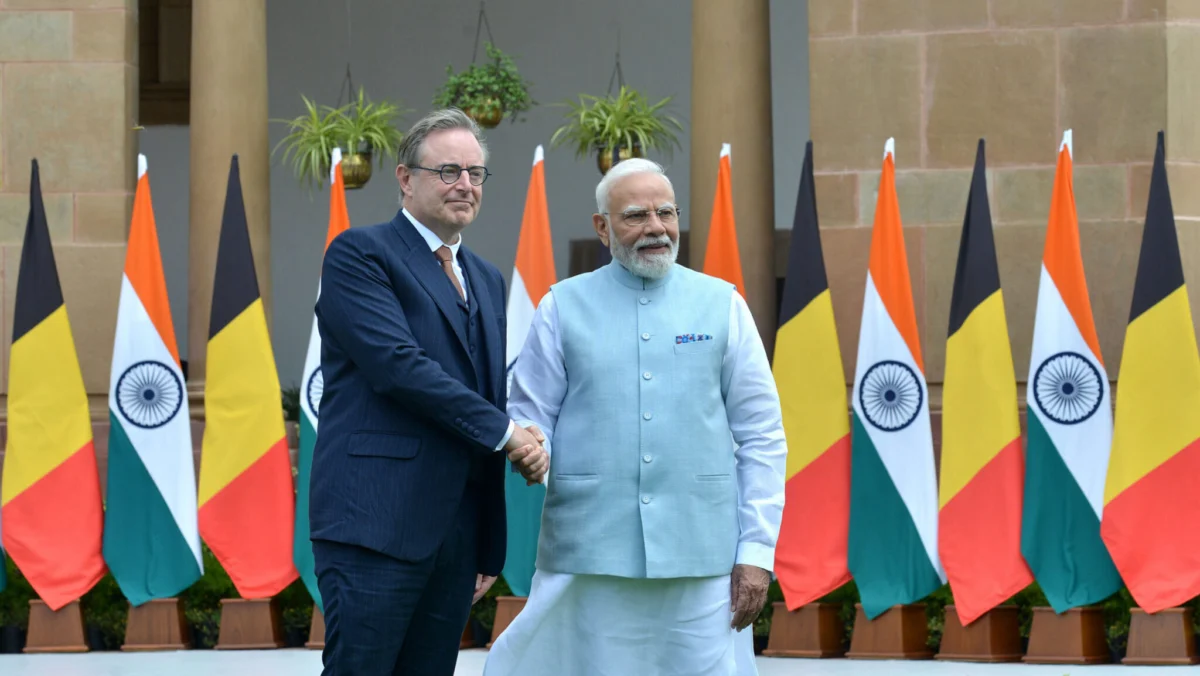
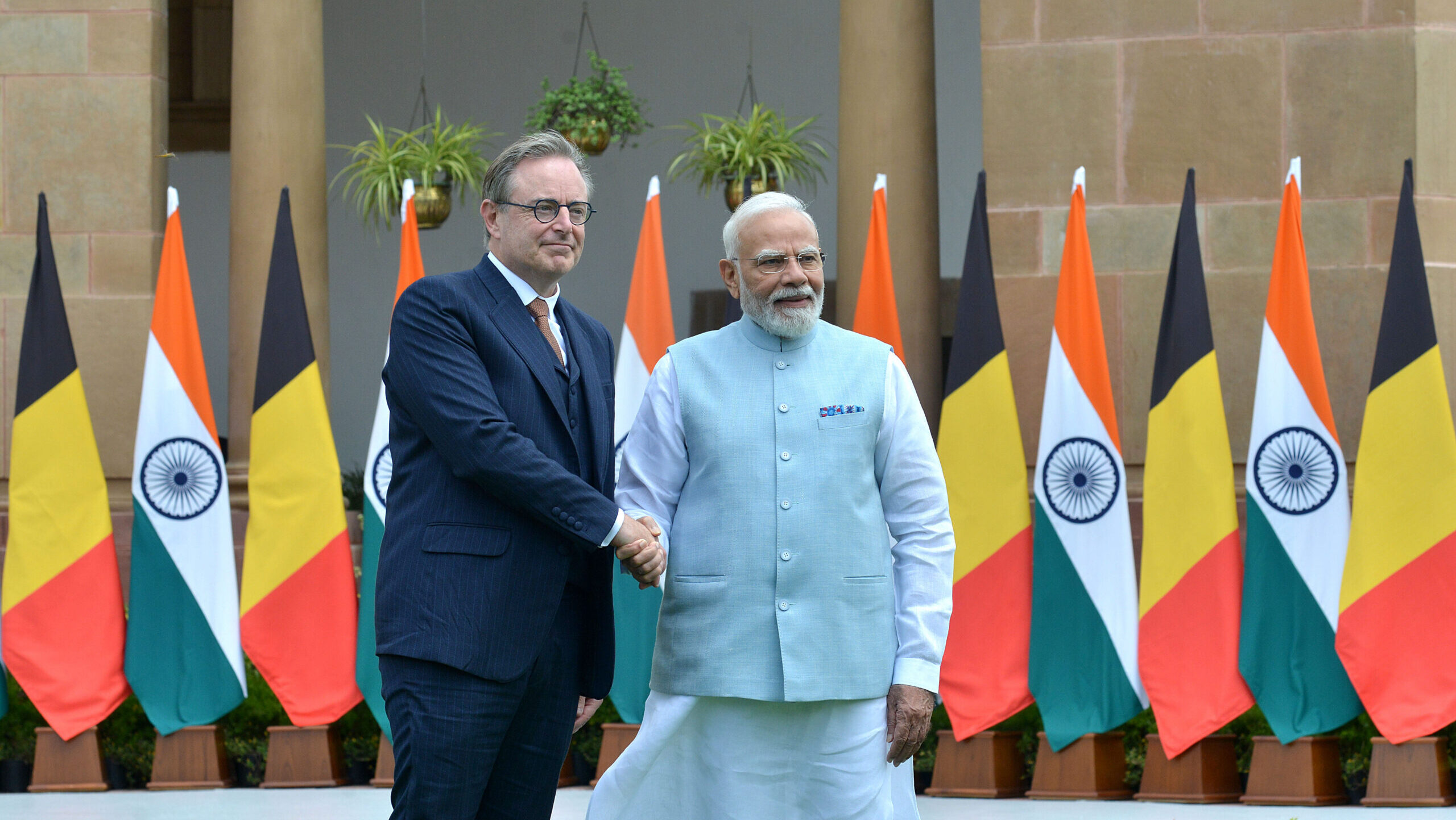
- September 3, 2026 (The Summit): Prime Minister Narendra Modi welcomed Prime Minister Bart De Wever at Hyderabad House. The day was defined by the signing of a foundational Letter of Intent regarding "structural cooperation," encompassing joint research, officer exchanges, and maritime security protocols.
- Industrial Inking: Following the executive meetings, the commercial entities involved—ranging from major defense contractors like Thales Belgium and Exail to specialized machinery firms—finalized the ten distinct MoUs and contracts.
- Future Milestones:
- Early 2027: Anticipated rollout of the first "Made in India" 70mm Thales rockets.
- 2028-2029: Projected commencement of deliveries for the 100-million-round ammunition manufacturing project.
Industrial Pillars: The Core Agreements
The depth of the cooperation is best understood through the specific industrial partnerships established during the visit.
1. Thales-Kalyani Rocket Production
Perhaps the most high-profile agreement involves Thales Belgium and Kalyani Strategic Systems. The two firms will collaborate to manufacture 70mm rockets entirely within India. This is not merely a transfer of assembly; it is a full-scale capacity build. For Thales, this provides a critical secondary supply chain to satisfy surging international demand. For India, it secures a reliable supply of short-range tactical munitions, significantly reducing dependency on external logistics.
2. Large-Scale Ammunition Manufacturing
In a deal valued at approximately €50 million ($58 million), the Liège-based manufacturer New Lachaussée is set to revolutionize India’s domestic ammunition throughput. Working alongside Tembo Classic Engineering, New Lachaussée will install comprehensive production lines for two primary calibers, with specialized tooling for two additional calibers. The strategic goal is an annual output of 100 million rounds, a figure intended to satisfy both Indian domestic requirements and potential export markets.
3. Naval and Autonomous Systems
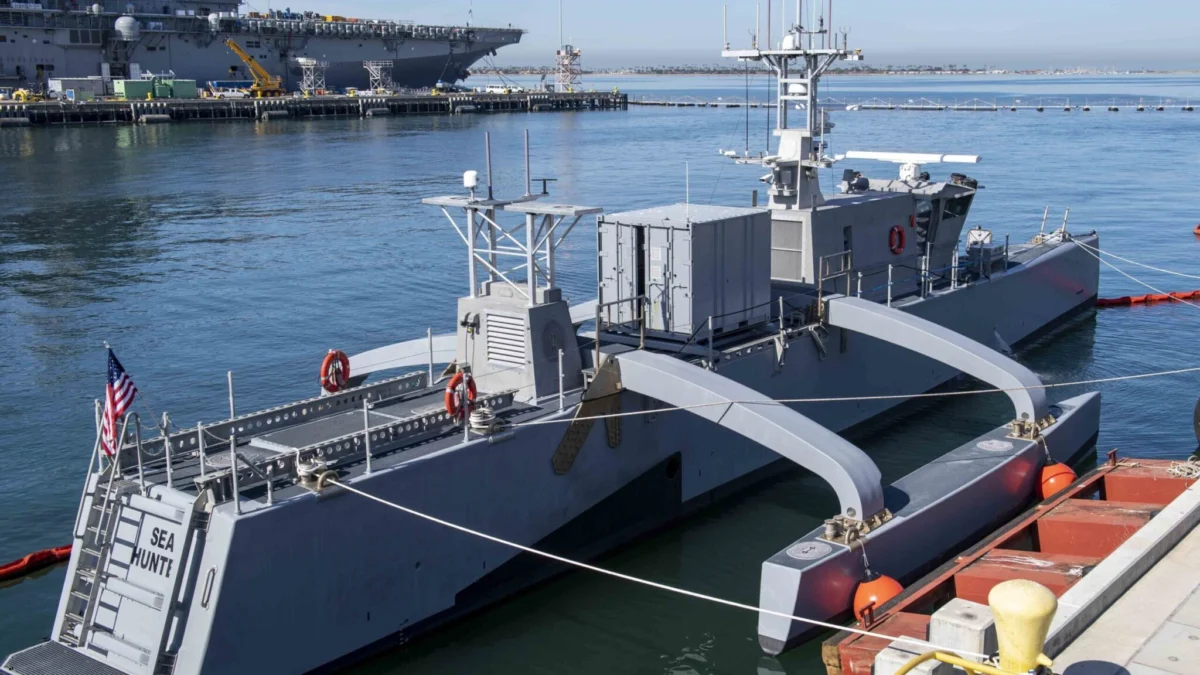
Exail Belgium has entered a partnership with Larsen & Toubro to supply advanced autonomous toolboxes for naval mine detection and neutralization. Given the growing importance of maritime security in the Indo-Pacific, this technology is vital for the Indian Navy’s modernization plans. Additionally, the Anglo Belgian Corporation (ABC) is in advanced discussions with Kirloskar Oil Engines to facilitate the production of the first fully indigenous 6MV marine diesel engine, a milestone for India’s naval sovereignty.
4. Drone Warfare and Interception
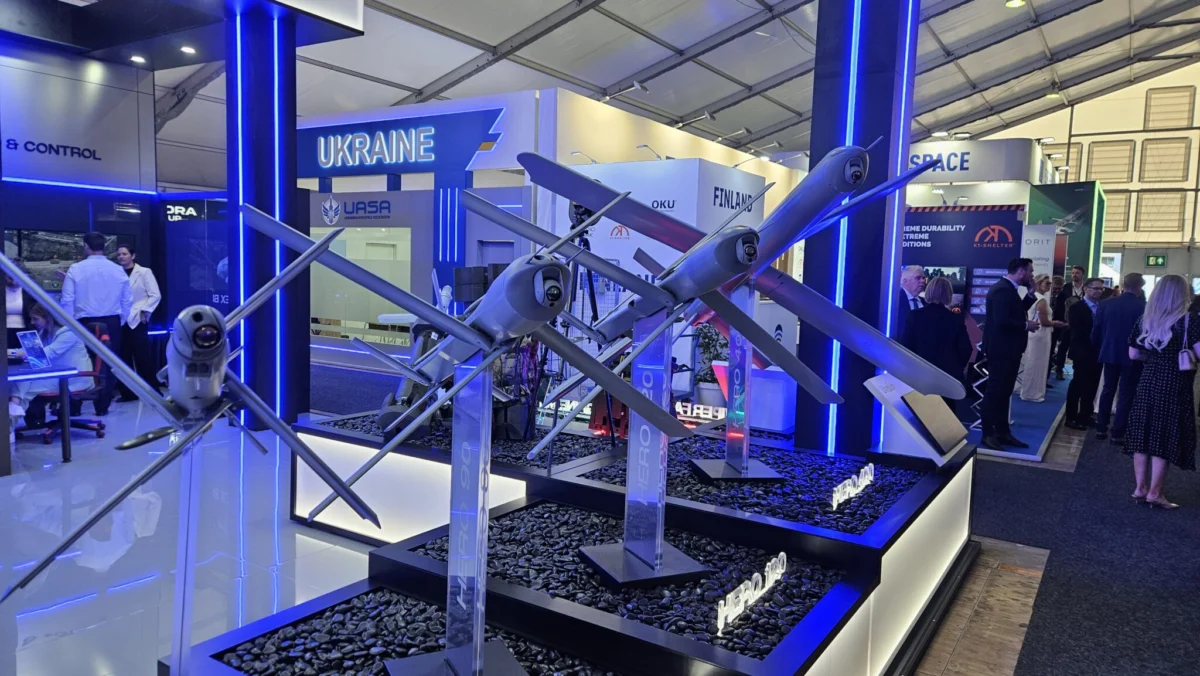
The partnership between Flemish firm Sol.One and DGVK Enterprises introduces a disruptive element: the "Saboteur" quadplane drone. Designed specifically for supply chain disruption, the system is complemented by "Buzzkill" and "Hitchhiker" drone interceptors. The Indian Armed Forces have already requested comprehensive test data, signaling a potential for rapid, large-scale procurement if the systems meet performance benchmarks.
Official Perspectives and Strategic Rationale
The Belgian Outlook: A Gateway to Global Scale
Minister of Defence Theo Francken highlighted the sheer magnitude of the Indian modernization program. Speaking on the sidelines of the summit, he noted, "The scale is enormous. India is modernizing one of the largest armed forces in the world. For companies whose technology gains access to these programs, this can quickly translate into major orders and major contracts."
Belgium’s strategy is clear: by embedding its specialized technology into India’s manufacturing ecosystem, it secures its firms’ relevance in one of the world’s fastest-growing defense markets. Furthermore, the European Union stands to benefit, as the increased manufacturing capacity contributes to broader European security and supply chain stability.
The Indian Outlook: Leveraging Skill and Scale
Indian Defence Minister Rajnath Singh expressed optimism regarding the synergy, noting on social media that the agreements are focused on "leveraging Belgian technology together with Indian skill and scale." The Indian government sees these partnerships as a vital component of the Atmanirbhar Bharat (Self-Reliant India) initiative, transforming India from a consumer of defense technology into a global manufacturing hub.
Implications: The Geopolitical and Economic Impact
Strengthening the EU-India Defense Corridor
The signing of the cooperation agreement between the Belgian Security & Defence Industry (BSDI) and the Society of Indian Defence Manufacturers (SIDM) creates a formalized framework for long-term collaboration. This institution-to-institution link removes bureaucratic friction, making it easier for smaller European firms to participate in the "Make in India" ecosystem.
Maritime Security and the Indo-Pacific
The focus on mine-countermeasure systems and marine diesel engines reflects the changing nature of regional threats. As the Indian Ocean remains a critical artery for global trade, the ability of the Indian Navy to secure its waters using locally produced, technologically advanced systems is a major strategic deterrent.
Economic Spillover
The involvement of machinery manufacturers like New Lachaussée indicates that this partnership extends beyond defense. It involves the transfer of high-end industrial engineering capabilities to the Indian private sector. This creates a "dual-use" benefit, where the precision tooling and manufacturing expertise acquired can eventually be utilized for civil industrial applications, further driving India’s economic development.
Conclusion: A Blueprint for Future Partnerships
The India-Belgium defense pacts provide a compelling blueprint for how middle-power nations can collaborate to achieve mutual security and economic objectives. By prioritizing local production, shared R&D, and structural interoperability, New Delhi and Brussels have moved beyond simple buyer-seller relationships.
As the first rockets roll off the production lines in 2027, the world will be watching to see if this model can be replicated. If successful, the Indo-Belgian partnership may well set the standard for how democratic nations navigate the complexities of modern defense procurement in an increasingly volatile global landscape. For now, both capitals remain focused on the immediate task: turning these signed agreements into tangible, operational reality.