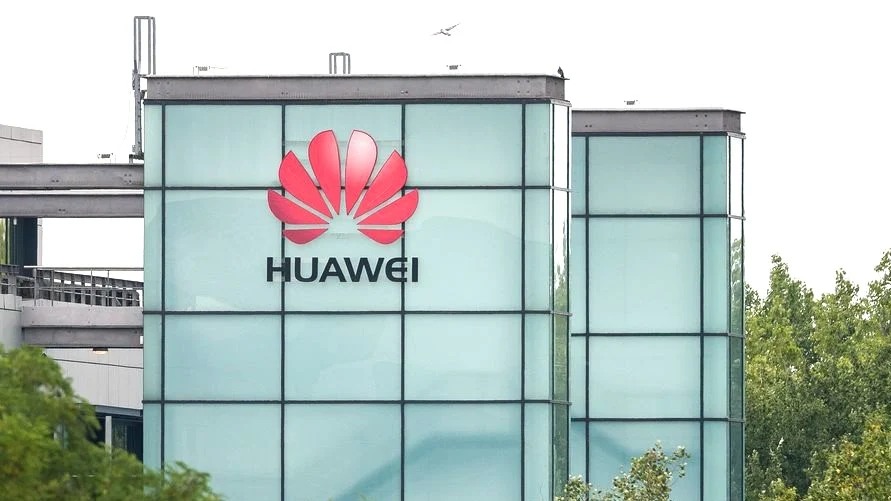
In a significant development for the global technology landscape, Huawei Technologies Co., Ltd. and HP Inc. have officially announced the signing of a multiyear global patent cross-licensing agreement. This strategic accord grants HP Inc. access to a portfolio of Huawei’s proprietary Wi-Fi patents, marking a pivotal moment in the ongoing evolution of intellectual property (IP) management within the telecommunications and computing sectors.
This agreement, which spans several years, underscores the increasingly complex and interconnected nature of global hardware manufacturing. By formalizing this relationship, both companies have affirmed their commitment to standardized technology frameworks, ensuring that their respective product lines—ranging from high-end laptops to enterprise-grade peripherals—remain compatible with the ubiquitous wireless communication standards that define modern life.
The Foundation of the Agreement: A Technical Overview
At its core, the deal is a standard-essential patent (SEP) licensing arrangement. SEPs are patents that cover technology essential to implementing a particular technical standard, such as the Wi-Fi protocols developed by the IEEE (Institute of Electrical and Electronics Engineers).
Huawei, a long-standing contributor to the development of global connectivity standards, holds a vast repository of patents related to wireless networking. Under this new agreement, HP Inc.—a dominant force in the global PC and peripheral market—secures the rights to utilize these technologies, ensuring that its hardware seamlessly integrates into the global Wi-Fi ecosystem.
While the financial terms of the deal remain confidential, the agreement serves as a testament to the maturation of the IP licensing market. For Huawei, it represents a successful monetization of its extensive research and development (R&D) efforts. For HP, it provides legal certainty and technological continuity, allowing the company to focus on its core business of delivering computing hardware to millions of consumers and enterprise users worldwide.
Chronology of Intellectual Property Strategy
The path to this agreement is the result of years of sustained R&D investment and a strategic shift in how technology companies view their patent portfolios.
The Rise of Huawei’s R&D Dominance
Over the past two decades, Huawei has transitioned from a networking hardware manufacturer into a global leader in foundational ICT research. By consistently allocating a significant percentage of its annual revenue—often exceeding 20%—to R&D, Huawei has secured a leading position in 5G, Wi-Fi 6, and Wi-Fi 7 patent filings.
The Negotiation Process
Negotiations for large-scale cross-licensing deals of this nature are notoriously lengthy and complex, often taking years of legal and technical review. The dialogue between Huawei and HP involved rigorous assessment of patent portfolios, technical compliance with IEEE standards, and the valuation of intellectual property across different generations of Wi-Fi technology.
The Formalization
The finalization of this agreement serves as the culmination of these professional negotiations. The deal provides a framework that allows both parties to avoid costly litigation, fostering a more stable environment for innovation. According to representatives involved in the process, the negotiations were characterized by high levels of professionalism and a shared goal of achieving technical harmony.
Supporting Data: The Evolution of Wi-Fi Standards
To understand why this licensing agreement is so critical, one must look at the rapid evolution of Wi-Fi technology and its integration into the bedrock of modern infrastructure.
Wi-Fi 4 and 5: The Legacy Foundation
While modern technology trends focus on the "next big thing," the reality is that billions of devices still rely on Wi-Fi 4 and Wi-Fi 5. These standards, while lacking the throughput of modern iterations, remain the "workhorses" of the internet. They provide the reliable, stable connections required for basic web browsing, email, and legacy enterprise applications, proving that a patent agreement covering these generations is essential for any company with a large, diverse product footprint.
The Wi-Fi 6 Revolution
Wi-Fi 6 (802.11ax) represents a paradigm shift in wireless communication. By emphasizing high-speed throughput, large capacity, and significant energy efficiency, Wi-Fi 6 was designed to handle the "density problem"—the challenge of connecting hundreds of devices in a single space. From high-definition streaming and immersive gaming to the proliferation of IoT devices like smart lightbulbs, thermostats, and security cameras, Wi-Fi 6 has become the backbone of the smart home and the modern office.
The Future with Wi-Fi 7
The recent advent of Wi-Fi 7 (802.11be) pushes these capabilities even further. With lower latency and vastly improved reliability, Wi-Fi 7 is engineered to support the next generation of digital experiences, including 8K video streaming, cloud-based AR/VR, and remote tele-surgery or complex industrial automation. As these technologies enter the mainstream, patent agreements like the one between Huawei and HP ensure that manufacturers can deploy these cutting-edge standards with the legal protection necessary to scale globally.
Official Responses and Industry Context
The reaction to the agreement from both parties highlights a balance between acknowledging the technical achievement and clarifying the commercial scope of the partnership.
Huawei’s Perspective
Alan Fan, Huawei’s Chief Intellectual Property Officer, emphasized the company’s pride in the agreement. "This is a strong testament to Huawei’s persistent independent innovation in cutting-edge fields," Fan stated. He noted that by sharing innovation through patent licensing, Huawei contributes to a broader ecosystem that brings leading technological experiences to consumers worldwide.
Steven Geiszler, who spearheaded the negotiations for Huawei, expressed his appreciation for the process. "This is another successful licensing of Huawei patents," Geiszler noted, highlighting the value of the reciprocal rights obtained from HP. He specifically lauded the "professionalism and courteousness" of the HP negotiation team, signaling a healthy professional relationship between the two tech giants.
HP’s Stance
HP Inc. provided a more guarded, strictly professional response, aimed at clarifying the nature of the relationship to investors and the public. "This is a standard-essential patent license covering Wi-Fi technology—something used broadly across the industry and routine for companies whose products connect to Wi-Fi," an HP spokesperson noted in an emailed statement.
HP’s clarification is essential in a global market where geopolitical tensions often color perceptions of cross-border corporate agreements. By framing the deal as a "routine" licensing of industry-standard technology, HP emphasizes that the agreement is a functional necessity rather than a broader strategic partnership or political alignment.
Implications for the Tech Industry
The signing of this agreement has far-reaching implications for how companies in the ICT sector will manage their patent portfolios moving forward.
1. Standardization as a Global Utility
The deal reinforces the idea that wireless connectivity is a global utility, much like electricity or water. For these utilities to function, industry standards must be universally implemented. When companies like Huawei and HP agree on licensing terms, they are effectively ensuring that the infrastructure of the internet remains interoperable, preventing the "balkanization" of technology standards.
2. The Value of IP Monetization
For Huawei, the agreement validates its strategy of focusing on core R&D. By successfully licensing its IP to major global players, Huawei creates a sustainable revenue stream that funds future innovation. This model is becoming increasingly common among tech leaders, who are shifting from being mere product manufacturers to becoming "technology platforms" that license their expertise to the rest of the world.
3. Legal Stability and Risk Mitigation
For HP, the deal represents a risk mitigation strategy. Patent litigation is one of the most expensive and time-consuming hurdles in the technology industry. By proactively securing a multiyear license, HP removes a significant layer of legal uncertainty from its future product roadmaps, allowing it to innovate and bring products to market with confidence.
4. The Future of Global Cooperation
Despite the current global political climate, the Huawei-HP agreement demonstrates that technical cooperation continues to thrive where business interests align. It highlights the distinction between geopolitical disputes and the practical, commercial necessities of the global supply chain. As long as the world relies on common standards like Wi-Fi, companies will continue to find ways to collaborate, ensuring that the wheels of innovation keep turning.
Conclusion: A Milestone for Connectivity
The Huawei and HP patent cross-licensing agreement is more than just a legal contract; it is a vital cog in the machine of the modern digital economy. By facilitating the legal use of standardized Wi-Fi technologies, this deal ensures that the devices we use every day—from the smartphones in our pockets to the laptops on our desks—can connect, communicate, and collaborate with one another seamlessly.
As we move toward an increasingly hyper-connected future defined by Wi-Fi 7, IoT, and the metaverse, the importance of such agreements will only grow. Through the hard work of engineers who develop these standards and the legal professionals who navigate the complex world of intellectual property, companies like Huawei and HP continue to build the invisible infrastructure that powers our modern world.
For those interested in the deeper mechanics of this ecosystem, Huawei continues to provide educational resources on the importance of IP and the role of standard-essential patents in the global economy, inviting ongoing dialogue on how these complex systems benefit users everywhere.