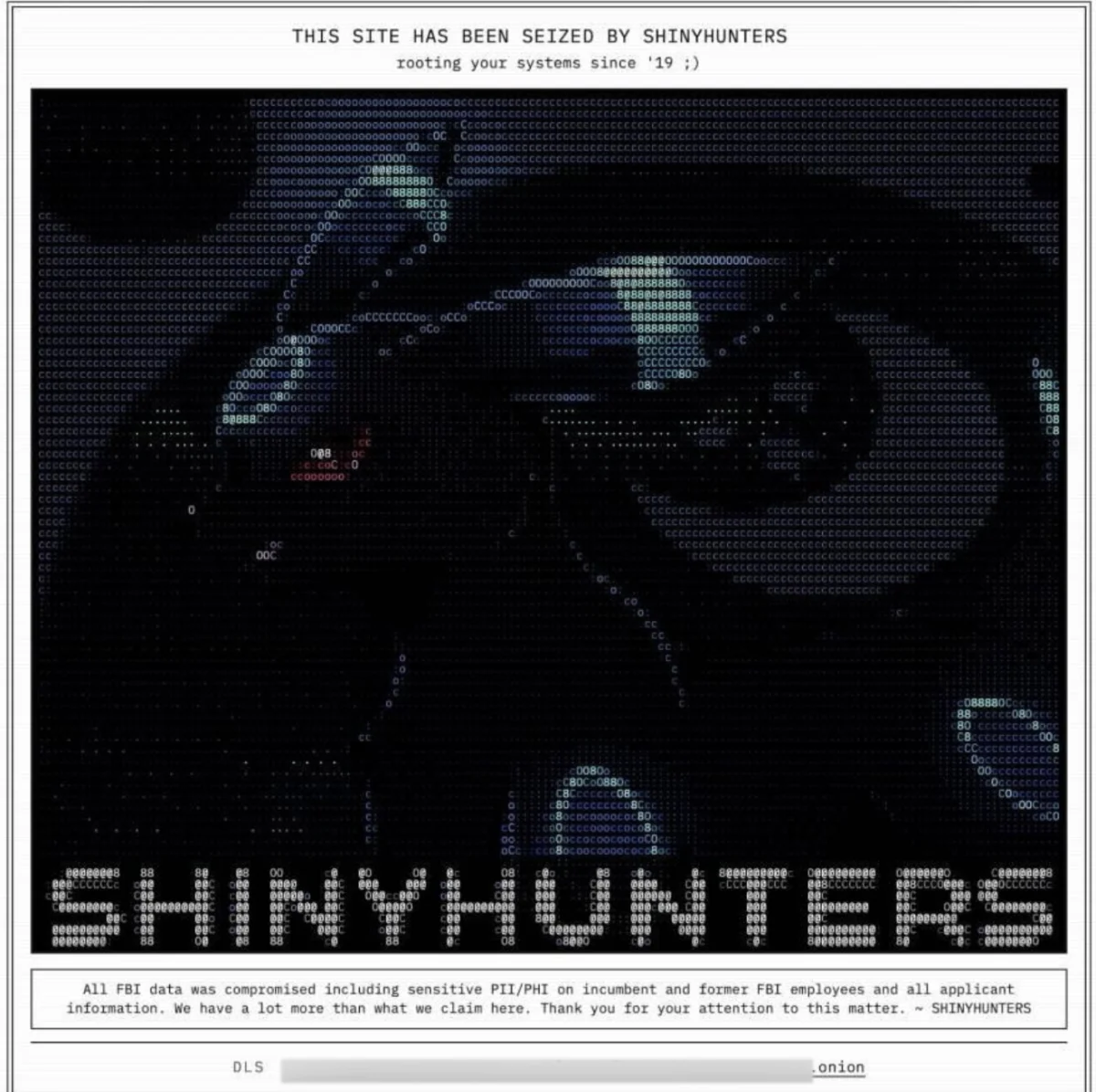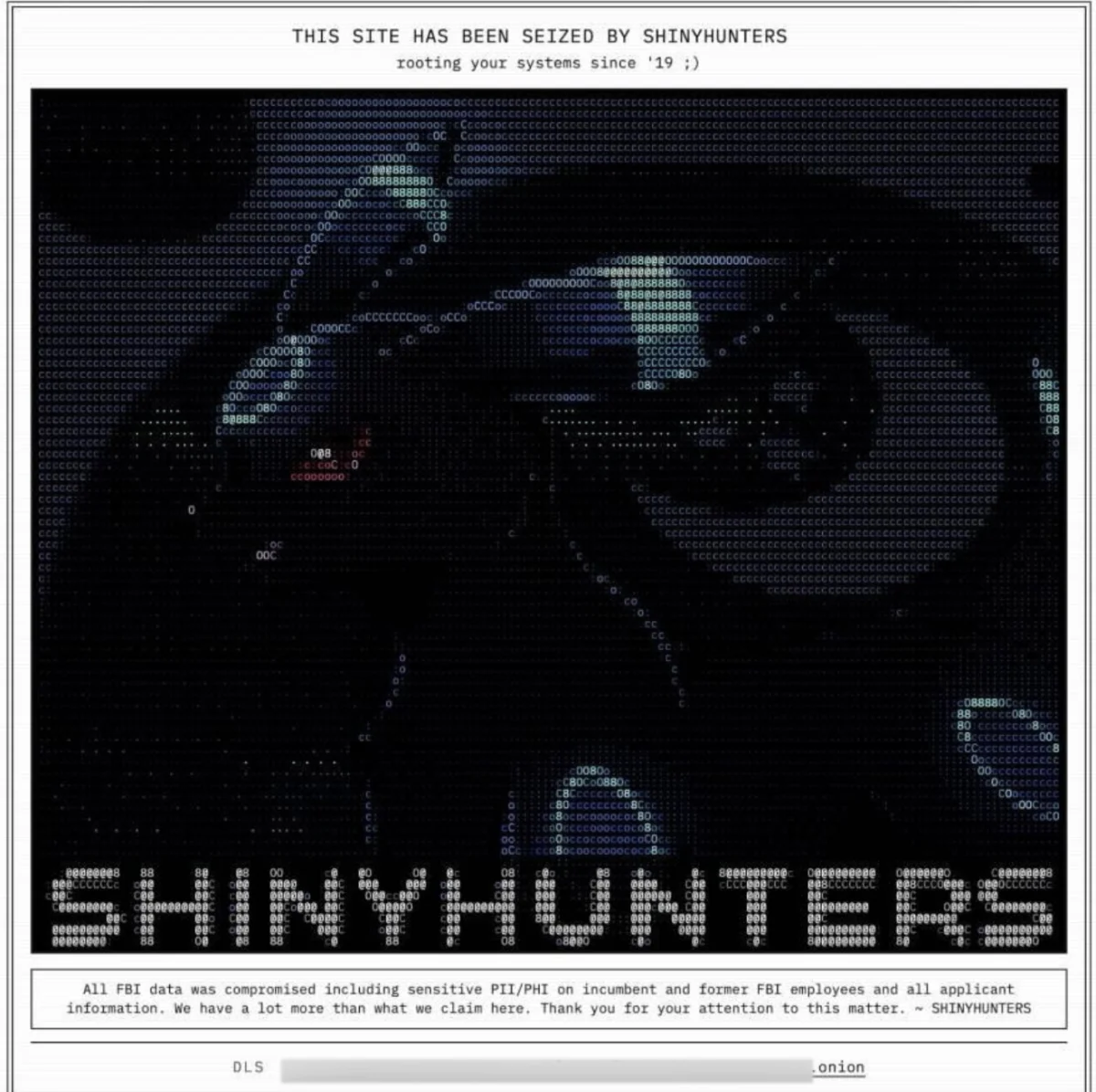

In a case that has sent shockwaves through the global cybersecurity landscape, 26-year-old Canadian national Connor Riley Moucka has officially pleaded guilty to a sweeping conspiracy involving computer fraud and international extortion. Once identified by threat intelligence experts as one of the most consequential cyber-threat actors of 2024, Moucka’s criminal career culminated in the compromise of more than 165 major organizations that relied on the cloud data platform Snowflake.
Beyond the corporate breaches, Moucka admitted to his role in a staggering theft of personal metadata—specifically the call and text history logs of more than 100 million AT&T customers. His conviction marks a pivotal moment in the fight against a new breed of cybercriminal: one that operates across borders, hides behind a rotating carousel of digital pseudonyms, and employs psychological warfare as a core pillar of their extortion strategy.
The Snowflake Breach: Anatomy of a Massive Failure
Between February and October 2024, a sophisticated hacking collective led by Moucka—who operated under aliases such as "Judische" and "Waifu"—systematically targeted the Snowflake cloud infrastructure. The hackers exploited a specific vulnerability: customer accounts that had failed to implement multi-factor authentication (MFA).
By utilizing stolen credentials, Moucka and his co-conspirators gained unauthorized access to the cloud-hosted data of at least 165 high-profile organizations. The list of victims reads like a directory of American commerce, including household names such as TicketMaster, Lending Tree, Advance Auto Parts, and Neiman Marcus.
The hackers did not simply steal data; they weaponized it. The stolen caches included sensitive information ranging from payroll records and Drug Enforcement Administration (DEA) registration numbers to passport data, Social Security numbers, and banking details. Once the data was exfiltrated, the group initiated a campaign of high-pressure extortion, threatening to leak the stolen records on dark web forums unless hefty ransom demands were met.
In response to the crisis, Snowflake, the cloud provider caught in the crosshairs, was forced to undergo an immediate and aggressive overhaul of its security posture, mandating password complexity updates and enforcing universal MFA across its customer base.
Chronology of a Digital Crime Wave
The trajectory of Moucka’s criminal activity reveals a rapid escalation from individual harassment to large-scale, enterprise-level digital pillaging.

- 2020–2023: Moucka, then operating as a software engineer based in Kitchener, Ontario, becomes involved in a series of data breaches and "vishing" (voice phishing) attacks against U.S.-based companies. During this period, he begins cultivating his "Judische" persona.
- September 2024: KrebsOnSecurity publishes a landmark investigation detailing the "Dark Nexus"—the overlap between English-speaking cybercriminals and extremist groups that harass minors. The report specifically identifies "Judische" as a key player in these networks.
- October 2024: Acting on a provisional warrant from the United States, the Royal Canadian Mounted Police (RCMP) arrests Moucka in Ontario.
- November 2024: U.S. authorities officially link Moucka to the Snowflake extortion campaign.
- July 2025: Cameron "Kiberphant0m" Wagenius, a U.S. Army soldier, pleads guilty to his role in the AT&T and Verizon extortion schemes, confirming the collaborative nature of the enterprise.
- Late 2025–Present: Moucka pleads guilty to four criminal counts in a U.S. federal court, with sentencing scheduled for October 2027.
The Co-Conspirators: A Global Network of Malice
Moucka did not operate in a vacuum. The investigation by the U.S. Justice Department has unmasked a dangerous triumvirate of hackers whose actions threatened national security and personal privacy on a global scale.
Cameron "Kiberphant0m" Wagenius
A U.S. Army soldier stationed in South Korea, Wagenius provided a militaristic edge to the criminal enterprise. He used his access to exploit telecommunications giants, extorting AT&T and Verizon for customer metadata. His audacity reached a zenith when, following Moucka’s arrest, he posted what he claimed were the call logs of then-President-elect Donald Trump and Vice President Kamala Harris, along with sensitive schematics purportedly stolen from the National Security Agency (NSA).
John Erin Binns
The third member, 26-year-old John Erin Binns, represents the "elusive" archetype of the modern cyber-fugitive. Previously indicted for the 2021 T-Mobile breach that exposed the data of 76 million people, Binns fled the U.S. to avoid prosecution. Sources indicate that Binns—who utilized the handles "IRDev" and "IntelSecrets"—was briefly held in a Turkish prison but has since been released. Having successfully obtained Turkish citizenship, Binns currently resides in a legal gray area where, under local law, he is protected from extradition to the United States.
Psychological Warfare and Re-Extortion Tactics
Perhaps the most chilling aspect of the Moucka investigation is the group’s willingness to engage in "re-extortion." In instances where victims paid the initial ransom, Moucka often turned around and demanded more money, threatening to release the data anyway.
The group displayed a sociopathic disregard for personal boundaries, targeting the families of government officials and security researchers who dared to track them. In one documented instance, Moucka utilized the stolen data of a government official and members of that official’s immediate family to coerce them into silence. This behavior highlights the shift from purely profit-driven cybercrime to a more vindictive, predatory model that seeks to silence dissent and intimidate those in power.
Official Responses and Legal Implications
The U.S. Justice Department has framed the prosecution of Moucka as a top priority in its ongoing war against cyber-extortion. The government successfully documented over $2.5 million in ransom payments funneled to the conspirators.
Moucka has pleaded guilty to four specific counts:

- Computer Fraud
- Wire Fraud
- Aggravated Identity Theft
- Conspiracy
While the mandatory minimum for aggravated identity theft is two years, the remaining counts carry a maximum penalty of 30 years in prison. The sentencing hearing, set for October 27, will be a defining moment for federal prosecutors as they seek to set a precedent for the severity of crimes involving cloud infrastructure compromises.
Cameron Wagenius, meanwhile, awaits his sentencing on September 3, 2026, where he faces up to 20 years for conspiracy to commit wire fraud, alongside additional time for his role in the extortion of telecommunications providers.
Implications for the Future of Cloud Security
The case of Connor Riley Moucka serves as a grim wake-up call for the "Software as a Service" (SaaS) industry. For years, the convenience of cloud storage and the speed of digital integration outpaced the implementation of rigorous security protocols.
The Snowflake breach proves that even the most advanced, enterprise-grade cloud providers are vulnerable when human error—such as the failure to enforce MFA—is present. As corporations move more of their sensitive data to the cloud, the "Judische" case highlights three critical takeaways:
- MFA is Non-Negotiable: Multi-factor authentication is no longer an optional security layer; it is the fundamental baseline for protecting identity in the digital age.
- Identity is the New Perimeter: As evidenced by the theft of millions of records through credential stuffing and unauthorized access, the identity of the user is the only thing standing between a secure database and a public data dump.
- International Cooperation is Essential: The arrest of Moucka and the ongoing saga of Binns demonstrate that while cybercriminals may attempt to hide behind international borders and encrypted forums, the reach of law enforcement—when supported by global intelligence-sharing—remains the most effective deterrent.
As Moucka prepares to face the consequences of his actions, the cybersecurity community remains on high alert. The "Dark Nexus" may have lost its most prominent architect, but the digital infrastructure of the world remains under constant siege, demanding a more vigilant, proactive, and resilient approach to the defense of our collective information.