DAYTON, Ohio — In the high-stakes arena of aerial warfare, where the difference between dominance and obsolescence is measured in milliseconds and miles per gallon, the U.S. Air Force is navigating a complex transition. After years of technical hurdles and budgetary recalibrations, the service has signaled a pivotal milestone: it expects a revolutionary, next-generation engine to be ready for flight integration by the end of this decade.
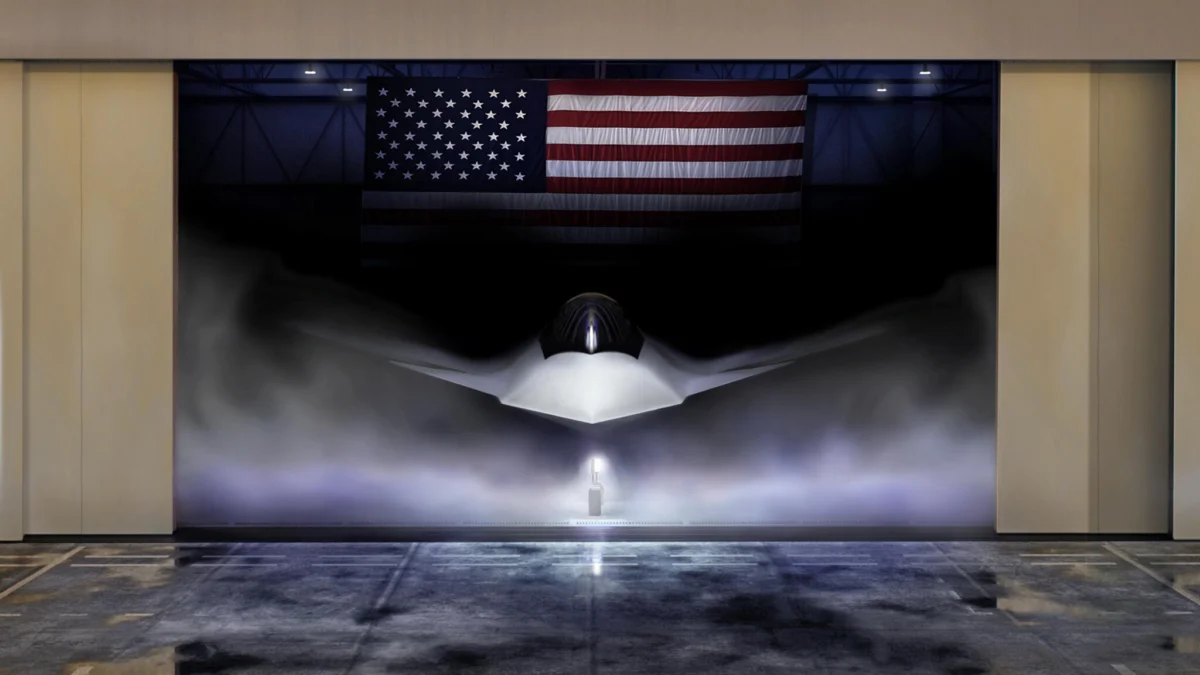
However, as the program gains momentum, a shroud of ambiguity remains regarding the specific airframe that will house this powerhouse. While the engine was born from the requirements of the Air Force’s secretive Next Generation Air Dominance (NGAD) platform—now officially designated the F-47—service officials are maintaining a deliberate silence on whether the initial production run of the fighter will sport this new technology.
The Evolution of the Next Generation Adaptive Propulsion (NGAP) Program
The Next Generation Adaptive Propulsion (NGAP) program represents more than just an engine upgrade; it is a fundamental shift in how the Air Force approaches flight. Unlike traditional turbofans, "adaptive" engine technology allows the powerplant to shift its bypass ratio in real-time. By dynamically adjusting the engine’s characteristics mid-flight, the system can toggle between high-thrust modes for combat maneuvers and high-efficiency modes for long-range cruising.
John Sneden, the chief of the Air Force’s propulsion directorate, underscored the urgency of this transition during the Life Cycle Industry Days conference in Dayton. "The last non-derivative fighter engine that we pressed forward was in the 1990s," Sneden noted. "If you want to stay ahead of our competitors, then you have to lean into this technology now."
Chronology of a High-Stakes Development
The road to the 2030 target has been anything but smooth. The NGAP program has faced cumulative delays of roughly three years, a setback that Sneden attributes to the service’s strategic decision to maintain competition between two aerospace giants, GE Aerospace and Pratt & Whitney, within a constrained fiscal environment.
- 1990s: The last era of clean-sheet fighter engine development, resulting in the current generation of powerplants used in the F-22 and F-35.
- Pre-2025: Initial conceptualization and research phases for adaptive cycle engines.
- 2026–2027: Current phase characterized by prototype refinement and competitive tension between GE and Pratt & Whitney.
- 2027–2028: Projected budgetary "cresting," with the Air Force requesting $514 million in FY27, surging to nearly $906 million in FY28.
- 2030: The critical "target year" for the completion of prototyping and the beginning of potential integration activities.
The Platform Question: The F-47 Dilemma
The most persistent question surrounding NGAP is its host. Originally envisioned as the heartbeat of the sixth-generation F-47 fighter, the engine’s development timeline has created a strategic decoupling. With the F-47 slated to take flight under the current Trump administration, it is widely expected that the initial airframes will utilize existing, proven propulsion systems to ensure they hit the skies as quickly as possible.
When pressed on whether the F-47 would eventually be the beneficiary of NGAP, Sneden remained non-committal. "The Air Force is still evaluating its options," he stated, adding that the technology is designed to be "platform agnostic."
This agnosticism is a key design requirement. By creating an engine architecture that can be "retrofitted" or integrated into various airframes, the Air Force is insulating itself against the volatility of the F-47’s development schedule. If the F-47 design evolves or if the service decides to prioritize other platforms, the NGAP engine remains a versatile strategic asset rather than a sunk cost tied to a single, potentially delayed, aircraft program.
Supporting Data and Fiscal Realities
The financial commitment behind NGAP is substantial, reflecting the Air Force’s recognition that power is the primary limiting factor for future air combat. The budget documents paint a clear picture of an program entering its "make or break" phase.
| Fiscal Year | Requested Funding | Program Milestone |
|---|---|---|
| FY 2027 | ~$514 Million | Continued prototyping and vendor competition |
| FY 2028 | ~$906 Million | Peak development; system integration testing |
| 2030 | TBD | Potential flight integration readiness |
The decision to fund two competing prototypes has been the primary driver of both the cost and the schedule delays. However, leadership argues that the long-term benefits—namely, keeping the industrial base healthy and ensuring the best possible technology emerges—outweigh the short-term inconvenience of a three-year delay.

The F-35 Engine Core Upgrade (ECU)
While the NGAP is the centerpiece of future air dominance, the Air Force is not neglecting the workhorse of its current fleet: the F-35 Lightning II. Sneden revealed that the Engine Core Upgrade (ECU), a critical improvement for the F-35’s Pratt & Whitney-built F135 engine, is also targeting a 2030 timeframe for flight testing.
The ECU program is slated to clear its Critical Design Review (CDR) next month, a significant hurdle that will pave the way for the next phase of engineering. Despite this, the path to production remains fraught with scrutiny. Previous reports from the Government Accountability Office (GAO) have cautioned that the upgraded engine might not reach full-scale production until 2031, suggesting that the Air Force faces a tight window to align engine upgrades with the broader F-35 Block 4 modernization package.
Implications for Future Conflict
The push for adaptive engine technology is not merely an engineering goal; it is a direct response to the pacing challenges posed by peer competitors. In a theater of operations as vast as the Indo-Pacific, range is a lethal variable.
1. Strategic Reach
Adaptive engines offer the ability to loiter for extended periods using high-efficiency modes, only to transition to high-thrust "combat power" when a target is identified. This increases the combat radius of the F-47 and allows for more flexible mission planning.
2. Thermal Management
Modern stealth aircraft are essentially flying supercomputers, generating massive amounts of heat. The NGAP program is designed with advanced thermal management capabilities, allowing the aircraft to dissipate heat more effectively, which is critical for maintaining stealth characteristics and powering the next generation of directed-energy weapons and advanced sensors.
3. Industrial Resilience
By maintaining two competitive vendors, the Air Force is attempting to prevent the "monopoly trap" that has plagued other major defense acquisitions. However, this creates a delicate balancing act. If the budget peaks in 2028 as planned, the Air Force must demonstrate significant technical breakthroughs to justify continued support from Congress, particularly if the timeline for the F-47 remains opaque.
Conclusion: A Measured Approach to Dominance
The Air Force’s current stance on the NGAP program reflects a maturity in its procurement strategy. By refusing to commit the engine to a specific airframe, the service is maintaining the agility required in a rapidly changing geopolitical environment.
As the program moves toward the 2030 target, the focus will shift from theoretical design to the brutal reality of flight testing. Whether the NGAP finds its home in the F-47 or is repurposed for a future fleet of uncrewed or autonomous systems, the technology itself is set to define the next era of American air superiority. The challenge now lies in managing the multi-billion-dollar investment, keeping the dual-vendor competition on track, and ensuring that when the engine finally reaches the runway, it provides the decisive advantage that the Air Force expects.
For now, the service is playing a long game—building the systems of today while preparing the propulsion architecture that will sustain the air dominance of the 2030s and beyond.