In a move that marks a tectonic shift in the governance of the final frontier, the Federal Aviation Administration (FAA) has unveiled a controversial proposal aimed at accelerating the pace of American commercial spaceflight. By seeking to strip away what the Department of Transportation characterizes as "unnecessary" environmental regulations, the agency is signaling an aggressive push to remove bureaucratic friction from an industry currently dominated by private titans like SpaceX.
The proposal, released on July 29, 2026, initiates a 30-day public comment period that promises to become a battleground between the burgeoning commercial space sector and environmental advocacy groups. If enacted, the rule would fundamentally alter how the U.S. government oversees rocket launches, spacecraft re-entries, and the physical infrastructure of the nation’s increasingly strained spaceports.
The Core Proposal: Cutting the Red Tape
At the heart of the FAA’s initiative is the authority to "waive requirements of laws of the U.S. for a license or permit" when, in the agency’s estimation, those requirements are not strictly necessary to protect public health, safety, property, or U.S. national security.
To achieve this, the FAA has identified 13 specific federal statutes that could be bypassed for certain commercial licenses. The list includes heavy-hitting environmental protections such as the National Environmental Policy Act (NEPA), the Endangered Species Act (ESA), the Clean Air Act, and the Clean Water Act, as well as the National Historic Preservation Act.
The Department of Transportation (DOT) has justified this move by arguing that these regulations—designed for a different era of aerospace activity—are now serving as an impediment to American innovation. As the global race for orbital dominance intensifies, proponents of the measure argue that the U.S. cannot afford to be slowed by multi-year environmental impact statements and bureaucratic reviews.
Chronology of the Regulatory Pivot
The seeds of this proposal were sown over the past two years, marked by a series of executive actions and an unprecedented surge in launch activity.
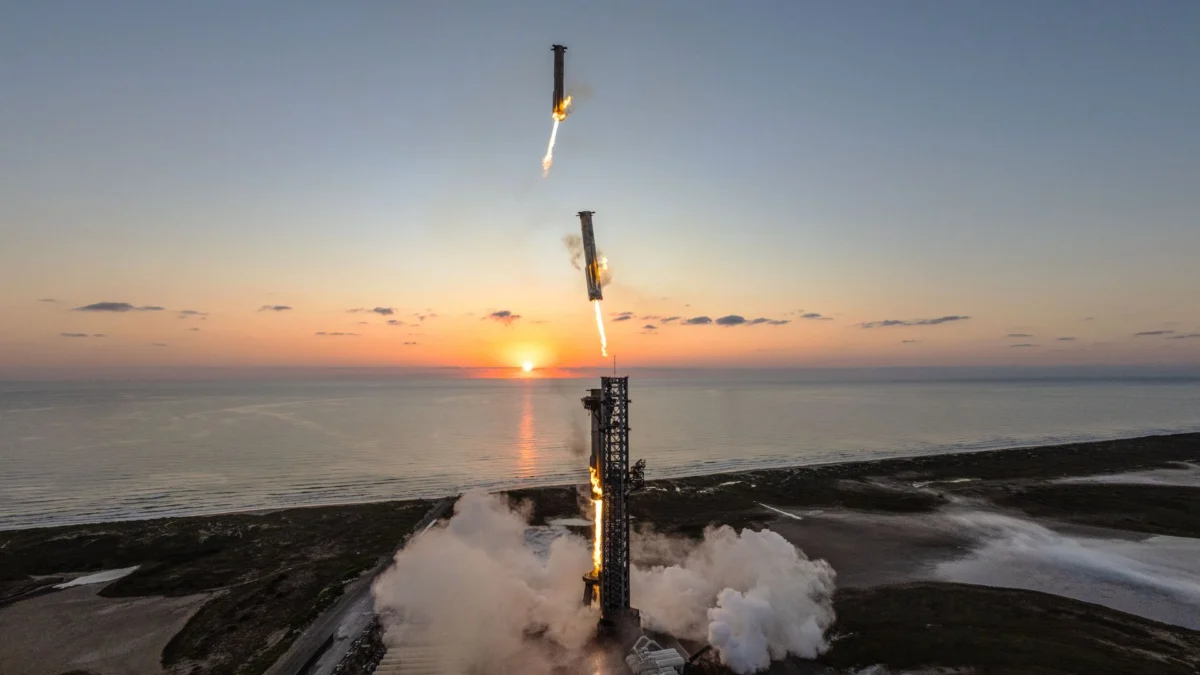
- 2025 Peak: Driven by the rapid deployment of mega-constellations like Starlink and the nascent development of orbital data centers, the U.S. launch cadence reached historic levels. SpaceX, in particular, utilized its Starship vehicle to normalize high-frequency launches.
- December 2025: The Trump administration issued a sweeping executive order aimed at cementing American space superiority. This directive prioritized the rapid expansion of launch and landing capacities, setting the stage for the current regulatory overhaul.
- August 2026: A secondary executive order specifically targeted the streamlining of launch licensing and the acceleration of spaceport construction, creating the direct mandate for the FAA’s current proposal.
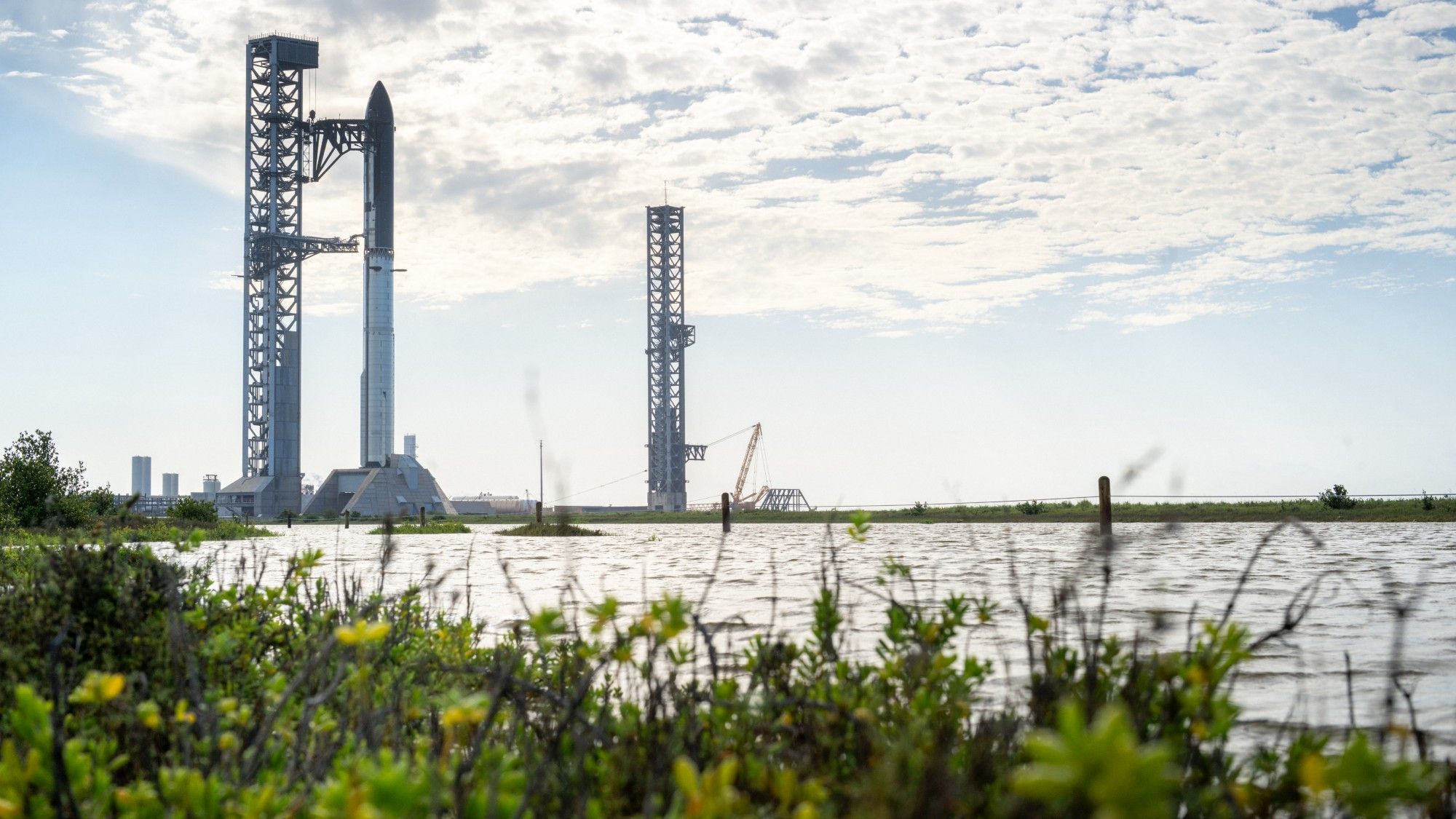
- June 2026: Legal friction mounted in South Texas, where a coalition of conservation and tribal groups filed a lawsuit to stop a proposed land swap between SpaceX and the U.S. government, which would have ceded part of the Lower Rio Grande Valley National Wildlife Refuge to private industrial use.
- July 2026: The FAA officially released the text of the proposed waiver rule, sparking immediate concern among environmental stakeholders.
The Infrastructure Crisis: Why Now?
The United States is currently facing a "bottleneck" crisis. As the private sector demands more frequent access to orbit, the physical infrastructure of current spaceports is buckling under the pressure. The logistical challenge is not merely about launching more rockets; it is about managing the environmental and spatial footprint of these massive operations.
In response to the saturation of existing sites, the U.S. government has explored radical alternatives, including the construction of offshore launch platforms. While these solutions are intended to move industrial activity away from populated coastal areas, they have drawn sharp criticism from environmentalists who argue that the ocean ecosystems remain vulnerable to toxic propellant runoff and acoustic trauma caused by sonic booms and thermal exhaust.
Peer-reviewed research into the atmospheric impact of high-frequency rocket launches is also beginning to surface. Studies suggest that the cumulative effect of soot, alumina particles, and chemical exhaust from thousands of annual launches could potentially alter the chemical composition of the stratosphere, complicating the climate change mitigation goals the U.S. has pledged to pursue.
Official Responses and Political Stakes
The tension between industrial acceleration and environmental conservation has created a complex political landscape.
The DOT, under the leadership of Secretary Sean P. Duffy, has maintained that the current regulatory framework is an outdated relic that prevents the U.S. from maintaining its competitive edge against rising international rivals. "Innovation cannot wait for the wheels of bureaucracy to turn," a spokesperson suggested, framing the deregulation as a matter of national security.
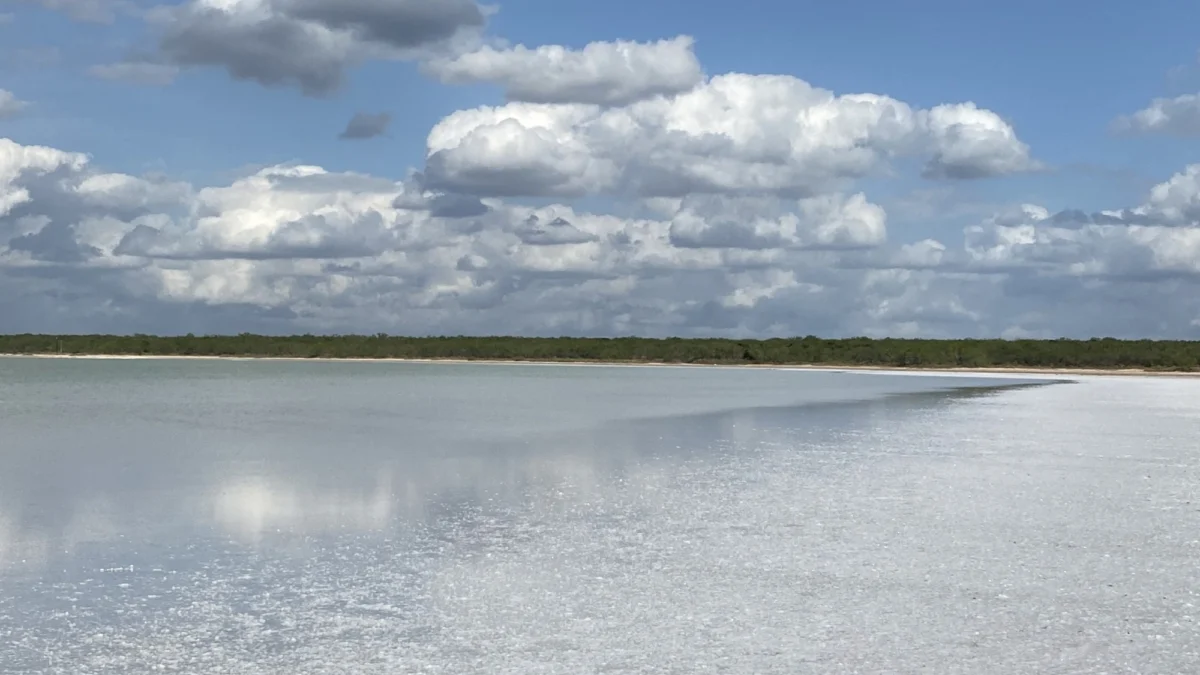
Conversely, environmental organizations, such as the Center for Biological Diversity and various indigenous advocacy groups, have characterized the proposal as a "death knell" for the protections that prevent industrial encroachment on public lands. For these groups, the issue is not just about the launch itself, but the secondary impacts—habitat fragmentation, noise pollution, and the potential for chemical contamination in sensitive biomes like the Lower Rio Grande Valley.
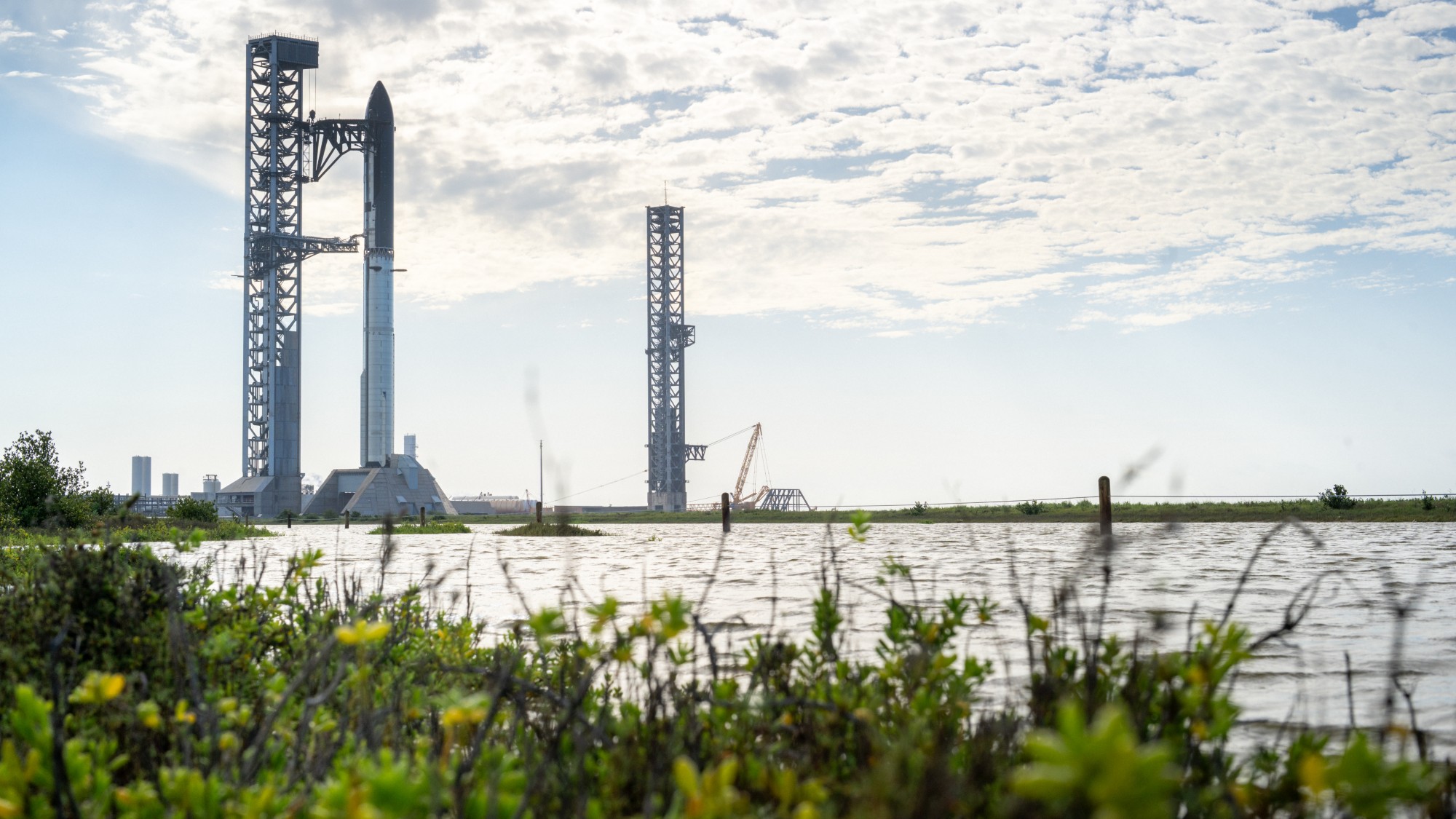
The legal battle over the Texas land swap serves as a microcosm of this conflict. SpaceX argues that the swap is essential for the scaling of Starship, the vehicle they hope will reach Mars. Critics argue that the deal violates the integrity of a federally protected refuge, setting a dangerous precedent where public land can be traded away to fulfill the needs of a single corporate entity.
Implications for the Future of Spaceflight
If the FAA’s proposal is adopted, the American space industry will enter a "fast-track" era. The implications are significant:
1. Market Velocity vs. Ecological Integrity
The most immediate effect will be a dramatic reduction in the time it takes for a company to secure a launch license. This could lead to a massive influx of private capital into the sector, as the risk of "regulatory failure" decreases. However, it risks a "wild west" scenario where the long-term ecological consequences of these launches are ignored in favor of short-term quarterly growth.
2. The Erosion of Public Oversight
By bypassing laws like the National Environmental Policy Act, the public loses its primary mechanism for challenging government-sanctioned projects. If the FAA grants itself the power to waive these laws, the ability for citizens, tribes, and NGOs to voice dissent during the planning phase will be significantly diminished.
3. Setting a Global Precedent
The United States remains the bellwether for global space policy. By choosing to prioritize speed over environmental assessment, the U.S. is effectively signaling to other spacefaring nations that environmental stewardship is secondary to the "space race" of the 21st century. This may trigger a global race to the bottom, where countries relax environmental standards to attract spaceports and corporate aerospace manufacturing.
4. The Potential for Legal Challenges
While the FAA intends to streamline the process, legal experts warn that this proposal will likely invite years of litigation. Environmental groups are expected to challenge the legality of the FAA’s authority to waive statutory requirements. If courts determine that the FAA has overstepped its administrative mandate, the entire regulatory framework for commercial space could be thrown into legal limbo, creating the very instability the agency seeks to avoid.
Conclusion: A Delicate Balance
The FAA’s proposal represents the most significant challenge to environmental regulatory oversight in the history of the commercial space industry. As we stand at the precipice of a new era of space exploration, the fundamental question remains: can the United States maintain its position as the global leader in aerospace innovation while simultaneously acting as a responsible steward of the Earth’s fragile ecosystems?
The upcoming 30-day comment period will serve as a critical test of public sentiment and political will. As the industry looks toward the stars, the ground beneath its feet remains a point of intense contention. The path forward for SpaceX and other aerospace firms will depend not just on the success of their engines, but on their ability to navigate the shifting currents of American law, public opinion, and the increasingly urgent call for environmental accountability.