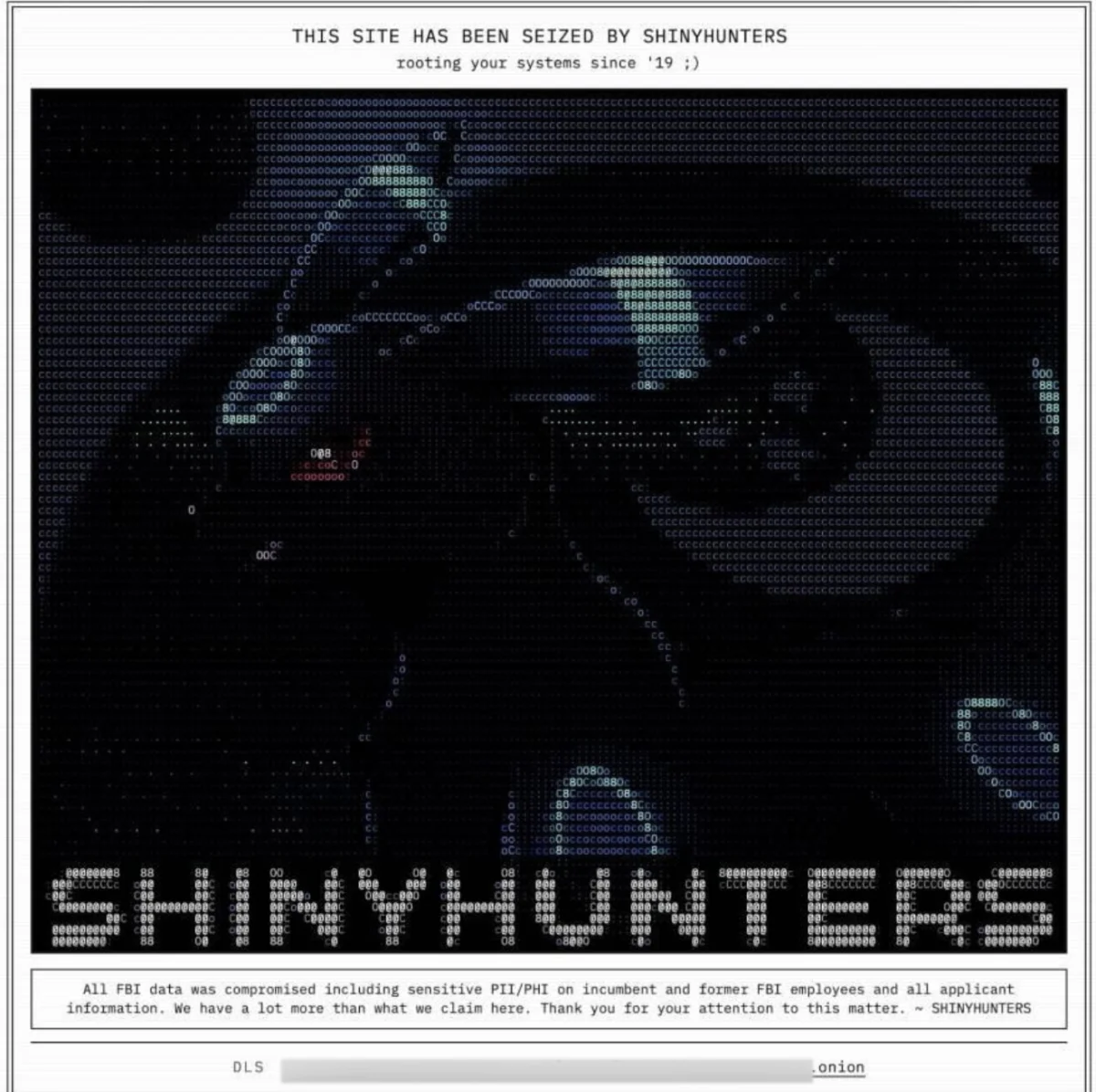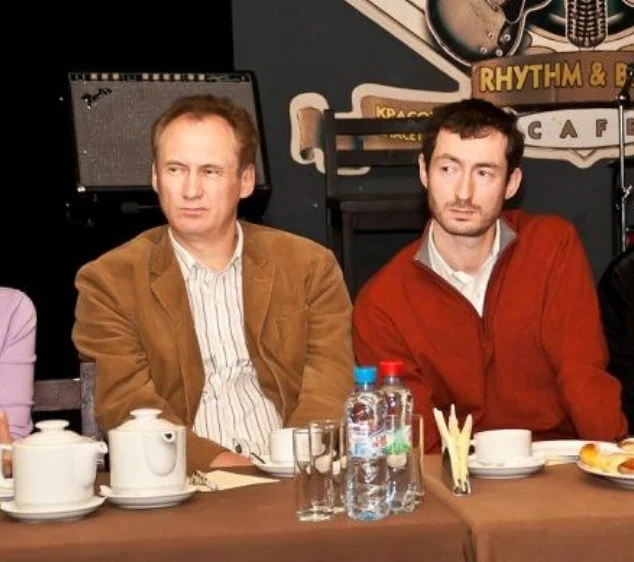
In a landmark operation that has sent shockwaves through the global cybersecurity community, the Australian Federal Police (AFP) have dismantled the core leadership of "TeamPCP," a prolific cybercrime collective responsible for the most sustained and destructive software supply chain attack spree in history. Two men, aged 21 and 23, were taken into custody in Western Australia following a high-stakes investigation involving international cooperation between the AFP, the FBI, and the Western Australia Police Force.
The suspects, identified in subsequent reporting as Ruben Ian Thomson and Michael Gaebler, are accused of orchestrating a campaign that weaponized open-source software, effectively turning the digital tools used by thousands of global businesses into vehicles for extortion and data theft.

The Genesis of a Digital Insurgency
TeamPCP emerged onto the cybercriminal landscape in late 2025, operating with a level of audacity that set them apart from traditional ransomware gangs. Rather than relying solely on brute-force encryption, the group perfected a sophisticated, cyclical method of supply chain exploitation.
Their primary weapon was "Shai-Hulud," a self-propagating worm designed to infiltrate software development environments. By phishing for credentials on platforms like GitHub and NPM, the group would inject malicious code into trusted open-source packages. This poisoned code would then be automatically pulled into the development environments of other programmers, creating a "chain reaction" of compromise. As one journalist noted, the hackers essentially used the software supply chain as a viral carrier, turning the collaborative nature of open-source development into a massive security vulnerability.

Chronology of the Exploitation Spree
The group’s trajectory was marked by rapid, aggressive expansion and a blatant disregard for traditional operational security (OPSEC).
- Early 2025: TeamPCP begins its operations, focusing on the theft of credentials and small-scale data extortion.
- September 2025: The group establishes a presence on dark-web forums, where the leader, operating under various aliases including "BulkDMT" and "Express," begins advertising stolen datasets and VPS hosting services.
- March 2026: In one of their most significant strikes, TeamPCP compromised "LiteLLM," an open-source AI gateway. Security firm CloudSEK later estimated that this single attack harvested sensitive cloud keys and secrets from over 2,500 organizations, including major technology conglomerates.
- May 2026: The group’s notoriety peaks when they claim credit for breaching over 3,800 GitHub repositories after a single developer fell for a compromised extension.
- Summer 2026: The "Cybercats" Matrix chat server becomes the hub for a loose amalgamation of threat actors. During this time, the group launches a "hacking contest," offering Monero (XMR) to participants who could successfully deploy Shai-Hulud across the most popular software libraries.
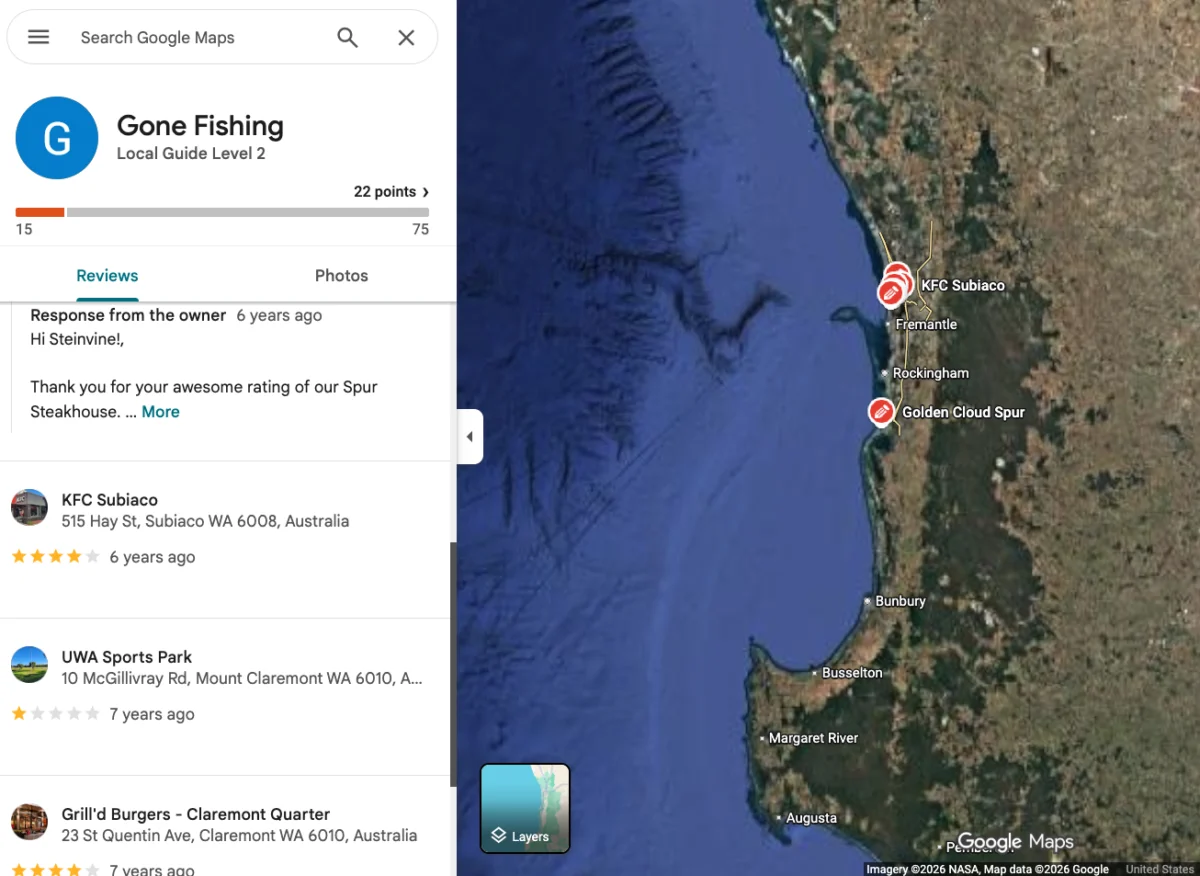
- August 2026: Following extensive investigative work by security researchers—and the suspects’ own lapses in digital hygiene—the AFP executes search warrants in Western Australia, leading to the arrests of Thomson and Gaebler.
The "Cybercats" and the Anatomy of a Syndicate
Security experts, including those from Google’s Threat Intelligence Group, have characterized TeamPCP not as a rigid hierarchy, but as a "peer community" of skilled actors. At the center of this web was Ruben Thomson, a Perth-based developer who maintained a dual life. While he presented himself as a legitimate IT professional on platforms like Upwork, his online footprint—tracked through passive DNS records, leaked database credentials, and social media activity—revealed a deep immersion in illicit forums.

Thomson’s downfall was ironically tied to his own business ventures. He incorporated companies with names like "OPSEC Express," a move that researchers cited as the antithesis of the very security practices he claimed to master. His HackerOne profile, registered under the alias "Deadcatx3," was ultimately linked to the TeamPCP infrastructure, providing investigators with the "smoking gun" needed to close the net.
His associate, Michael Gaebler, allegedly operated under the handle "@pcpcasper," a persona that frequently engaged in neo-Nazi political discourse and shared media that inadvertently localized him to Western Australia. The two, along with other associates like "Boxturtle" and "SeesawSec," leveraged their combined influence to broker stolen data from automotive giants—including BMW, Audi, and Honda—as well as major corporate entities.

Official Responses and Judicial Proceedings
The Australian Federal Police issued a stern statement following the arrests, emphasizing the sophistication of the syndicate. "This was not a group of teenagers playing with code," an official source remarked. "This was a coordinated, global effort to compromise the very foundations of the software industry."
In the Perth Magistrates Court, the legal reality for the defendants has been severe. Ruben Thomson was denied bail, reflecting the gravity of the 14 cybercrime offenses he faces. Michael Gaebler remains in custody, with his legal counsel opting not to request bail. Both are scheduled for their next court appearance on September 18, 2026. The swift action by Australian authorities has been praised by international partners, marking a rare "win" in the persistent battle against supply chain-focused threat actors.

Implications for Global Security
While the arrests of Thomson and Gaebler effectively decapitate TeamPCP’s leadership, the implications of their activities will be felt for years to come. Security researcher Charlie Eriksen, who followed the group’s campaigns closely, suggests that TeamPCP has fundamentally altered the threat landscape.
1. The End of "Trust-by-Default"
The primary legacy of Shai-Hulud is the death of the "trust-by-default" model in software development. By weaponizing the automated update processes used by millions of developers, TeamPCP forced major platforms like GitHub and NPM to implement radical security shifts. The introduction of the three-day "cooldown" period for Dependabot is a direct response to the vulnerability exploited by TeamPCP, providing a critical window for maintainers to verify the integrity of new code updates.

2. The AI-Driven Threat Gap
Eriksen notes that TeamPCP represents a new breed of threat actor: one that uses Large Language Models (LLMs) to bypass the steep learning curve traditionally required to conduct large-scale cyber operations. "They had the capability to cause massive damage, but they lacked the operational discipline of a professional criminal organization," Eriksen explained. "They were noisy, they left evidence, and they were often reckless. But that didn’t make them less dangerous—it made them unpredictable."
3. Sociological Motivations
The interviews conducted by KrebsOnSecurity with the individual identified as "Ellis" (Thomson) paint a complex portrait. Driven by a mixture of financial desperation, a desire for "blackhat" recognition, and a struggle with substance abuse, the group’s members often appeared more interested in the "game" of exploitation than the long-term wealth it could provide. Ellis’s admission—that he felt he needed help beyond what prison could offer—highlights a growing crisis in the cybersecurity industry: the alienation of young, highly talented developers who find more "meaning" in malicious disruption than in the structured, often unrewarding world of corporate IT.

Conclusion: A Turning Point
The saga of TeamPCP serves as a stark reminder of the fragility of our interconnected digital infrastructure. As the industry moves toward more robust, "zero-trust" supply chain security, the actions of a few individuals in Perth have catalyzed a necessary, albeit painful, evolution in how we write, distribute, and consume software.
While the "Cybercats" have been silenced, the precedent they set—that the software supply chain is the new frontline of cyber warfare—remains. As the legal process against Thomson and Gaebler unfolds, the global tech industry continues to harden its defenses, forever changed by the group that turned the world’s code against itself.