
In the high-stakes arena of Big Tech, a quiet but profound conflict is unfolding. Meta, the parent company of Facebook, Instagram, and WhatsApp, finds itself caught between two powerful, competing imperatives: the aggressive pursuit of artificial intelligence dominance and the steadfast commitment to its 2020 net-zero climate goals. As the company scales its infrastructure to support the massive computational requirements of generative AI, the “terrain” of sustainability has shifted beneath its feet, forcing a radical rethink of energy procurement, grid interaction, and technological innovation.
The Collision of AI Infrastructure and Climate Pledges
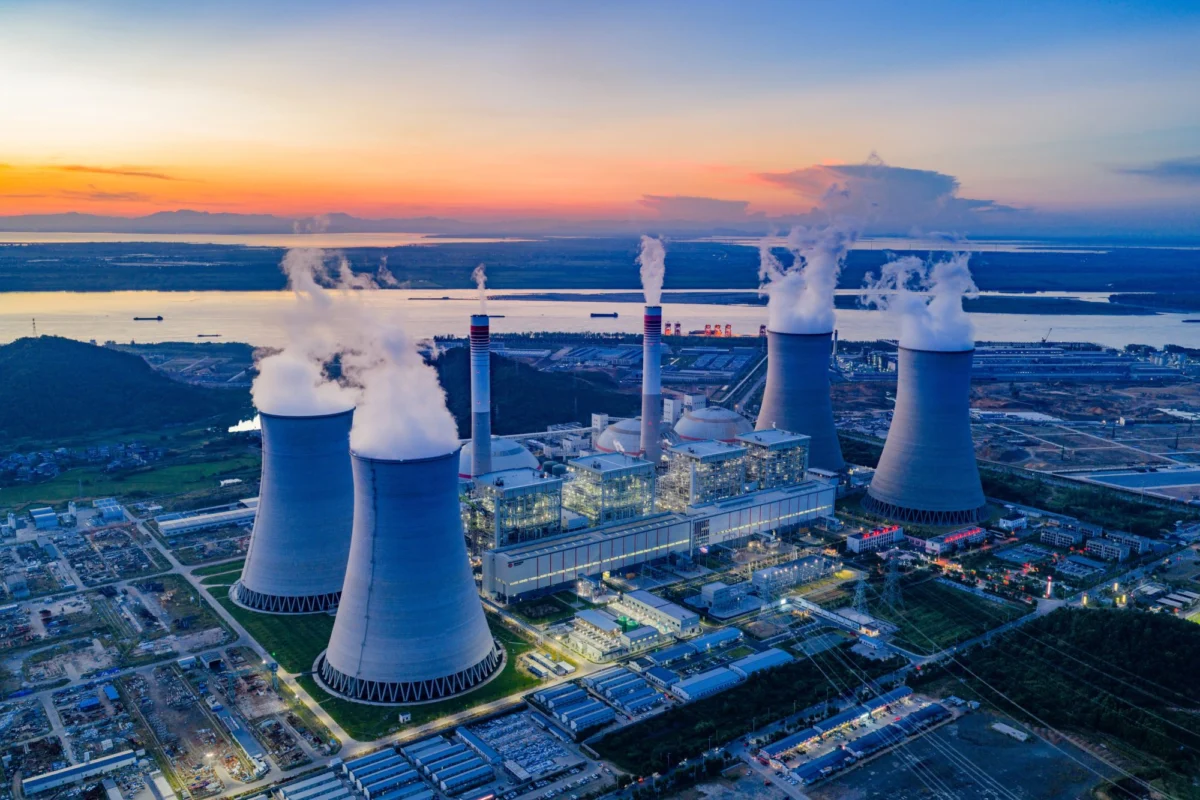
The current technological gold rush—the race to build the most capable Large Language Models (LLMs)—requires an unprecedented amount of electricity. Data centers, the physical backbone of the internet, are no longer just storage facilities; they are power-hungry industrial hubs. Meta, like its peers Amazon, Google, and Microsoft, is grappling with the reality that their carbon footprints are growing even as they continue to lead the world in renewable energy purchasing.
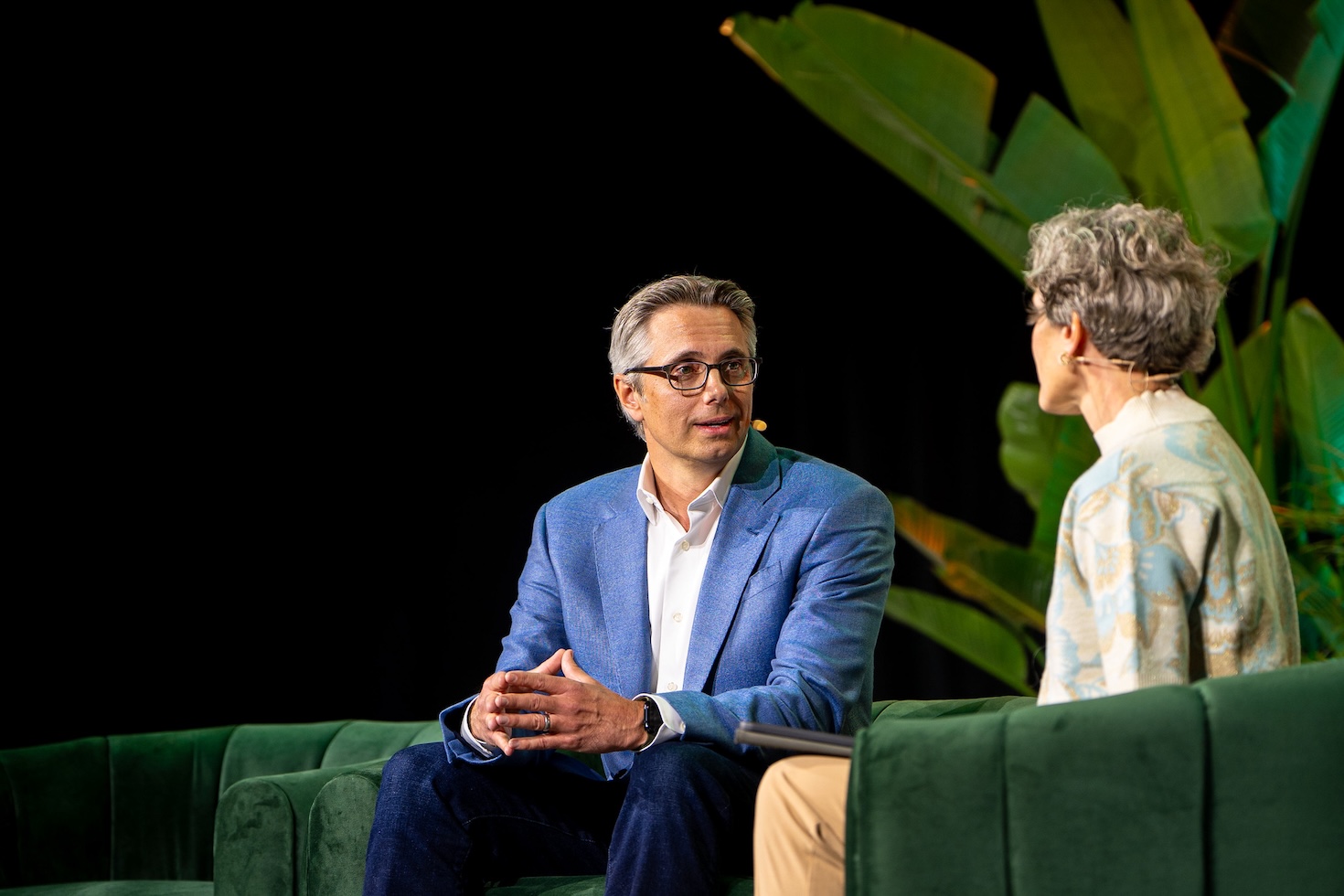
Blair Swedeen, Meta’s global head of net zero and sustainability, acknowledged the difficulty of this balancing act during a recent appearance at the Trellis Impact 26 conference. "What has changed is the terrain in which we are operating," Swedeen noted. "When we set these goals in 2020, things were very different."
The data reflects this tension. Despite Meta’s efforts, the company saw its location-based electricity emissions from data centers climb by 16 percent in 2024. During that same window, the company’s electricity consumption surged by 21 percent. This trend is not unique to Meta; it is a structural symptom of the "AI revolution," which necessitates a massive, immediate scale-up of physical infrastructure.
A Chronology of Meta’s Sustainability Journey
To understand Meta’s current posture, one must look at its history as a corporate climate leader:
- 2013: Meta begins its journey into clean energy procurement, establishing itself as an early adopter of renewable energy contracts, trailing only Google in the sector.
- 2020: The company formalizes its net-zero emissions targets, setting a roadmap for carbon neutrality across its global operations.
- April 2023: Blair Swedeen is appointed as the global head of net zero and sustainability. Drawing on his 12-year tenure at the company—which included managing growth partnerships and business development—Swedeen pivots the sustainability strategy toward operational efficiency and aggressive infrastructure investment.
- 2024: Meta’s data center electricity consumption increases by 21 percent, reflecting the heavy compute load of AI development.
- January 2025: Meta cements its status as a leader in nuclear energy procurement, committing to more nuclear capacity than any other U.S. corporation to secure "stable" baseload power.
- 2028–2030: A series of planned deployments, including Noon Energy’s long-duration storage and Overview Energy’s space-based solar demonstration, are slated to reshape Meta’s energy portfolio.
Supporting Data: The Scale of the Challenge
The scale of Meta’s energy footprint is vast. As of 2025, Meta and Amazon emerged as the two largest corporate buyers of clean energy globally, each signing contracts for more than 10 gigawatts of new capacity. Meta’s total portfolio now exceeds 30 gigawatts worldwide, with nearly 12 gigawatts currently operational.
However, the "speed to power" challenge remains the primary hurdle. When developing massive infrastructure, such as the Hyperion data center campus in Richland Parish, Louisiana—Meta’s largest facility to date—the company must account for a staggering 5 gigawatts of energy demand. Because current grid interconnection queues can stretch between four and seven years, Meta is frequently forced to rely on existing grid infrastructure, which often includes natural gas.
"When we partner with utilities, sometimes natural gas is part of the solution," Swedeen said. "It’s unfortunate that that’s part of the equation, but the interconnection queues can be four to seven years, right now."
Official Responses and Strategic Pivots
Meta’s response to these logistical hurdles is a shift from "volume-based" renewable energy purchasing to "stability-based" energy security. The company is no longer satisfied with simply buying enough solar or wind energy to match its annual consumption; it is now prioritizing the availability of that energy at the exact moment it is needed.
The Nuclear Pivot
Meta’s commitment to 7.7 gigawatts of nuclear power—spanning both established reactors and next-generation small modular reactors (SMRs)—represents a major strategic shift. By investing in nuclear, Meta is essentially buying 24/7 carbon-free electricity that does not suffer from the intermittency of wind and solar.
Structured Agreements
Swedeen emphasizes that Meta is utilizing its balance sheet to catalyze new markets. "All of this investment has really opened up new capital for new technologies that just wasn’t flowing previously," he noted. The company uses a variety of contract structures—from long-term capacity reservations to direct project financing—to lower the barrier to entry for clean-tech startups.
Implications: The Quest for "Space Solar" and Long-Duration Storage
Perhaps the most futuristic aspect of Meta’s strategy is its foray into high-risk, high-reward technologies designed to maximize the utility of its existing assets.
Long-Duration Energy Storage (LDES)
Meta has partnered with Noon Energy to procure up to 1 gigawatt (100 gigawatt-hours) of long-duration storage. Unlike standard lithium-ion batteries that provide power for a few hours, Noon’s modular solid oxide fuel cells can dispatch electricity for several days. This is a critical buffer for when renewable generation experiences multi-day lulls. The first 25-megawatt deployment is expected by 2028.
The Science Fiction Frontier: Space Solar
Perhaps most intriguingly, Meta has inked a deal with Overview Energy, a startup working to collect solar energy from orbit and beam it back to Earth. The technology uses near-infrared light to transmit energy to existing ground-based solar farms.
"It sounds like science fiction," Swedeen admitted. "It’s an early-stage technology, but it’s quite exciting." Meta is helping fund the initial demonstration scheduled for 2028, with the goal of commercial viability by 2030. If successful, this could theoretically turn solar farms into round-the-clock power plants, bypassing the traditional limitations of solar energy production.
Conclusion: A Pragmatic Path Forward
Meta’s sustainability strategy has evolved from a simple accounting exercise into a complex industrial strategy. By moving into nuclear, long-duration storage, and orbital energy transmission, the company is attempting to solve the "trilemma" of modern energy: reliability, affordability, and sustainability.
While the company admits that its path to net-zero is now significantly steeper due to the explosive demand of AI infrastructure, it is not retreating from its goals. Instead, Meta is betting that by funding the next generation of energy technology today, it can secure the clean power it needs for the massive computing demands of tomorrow. Whether this gamble on innovation will be enough to offset the emissions generated by its hyper-growth remains one of the most critical questions in the corporate climate movement. As the industry watches, Meta is effectively turning itself into an energy utility company to protect its most valuable asset: its ability to build the future of AI.