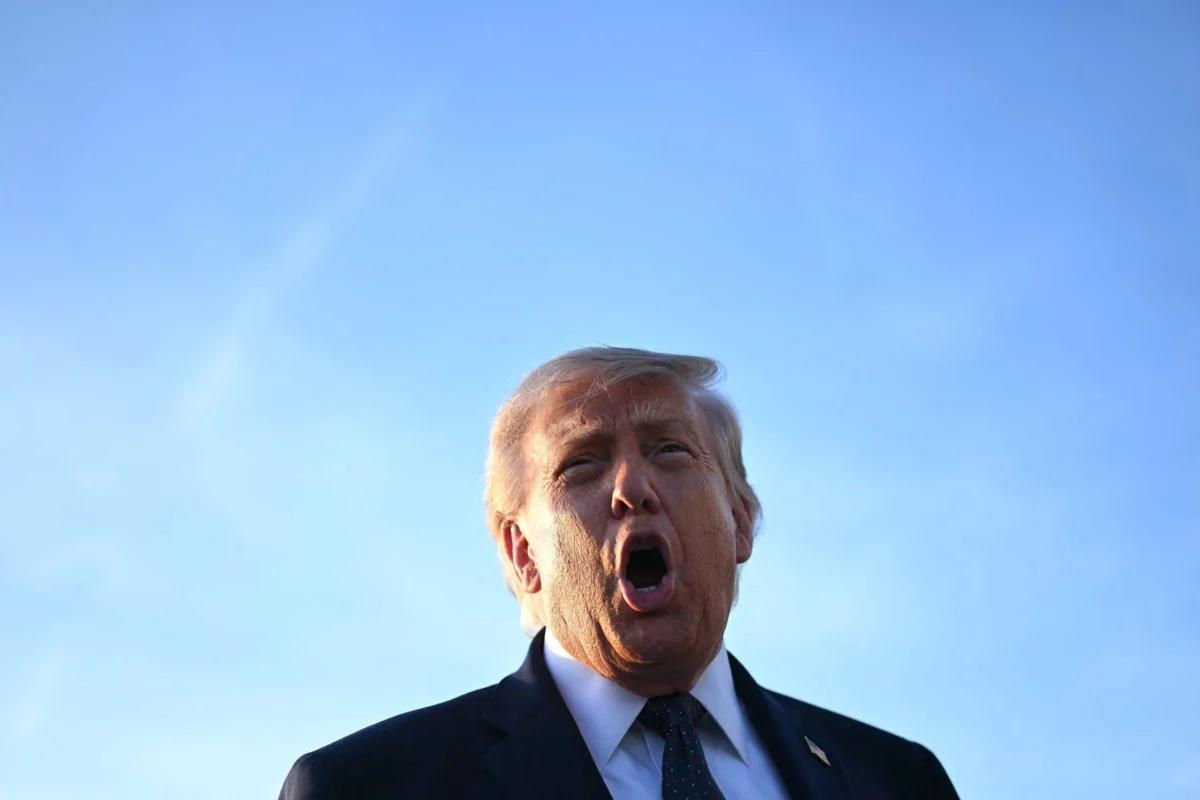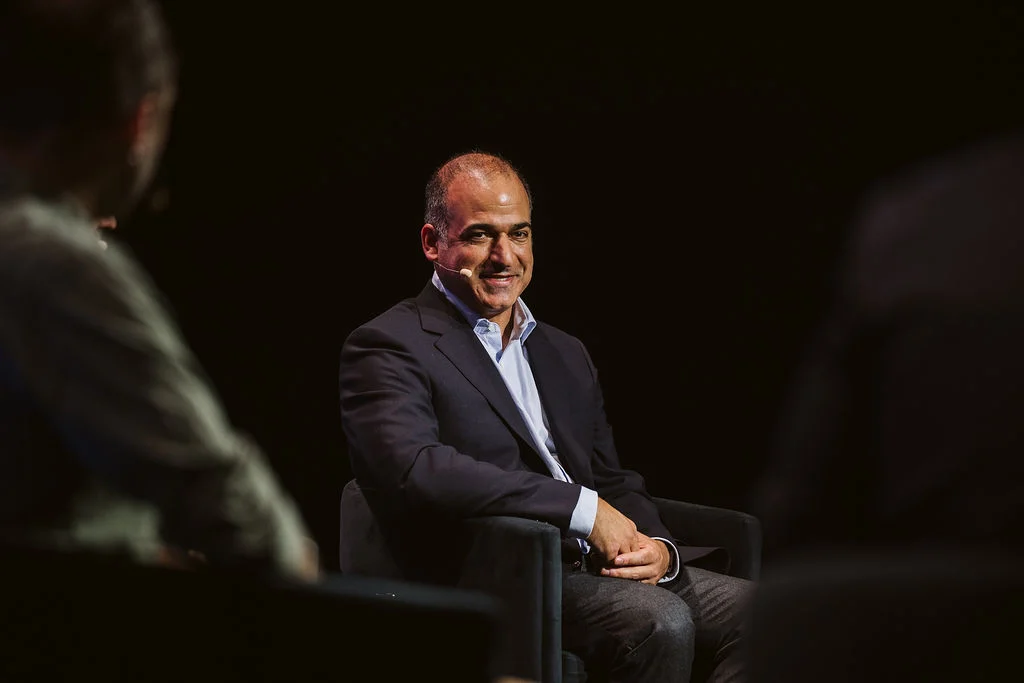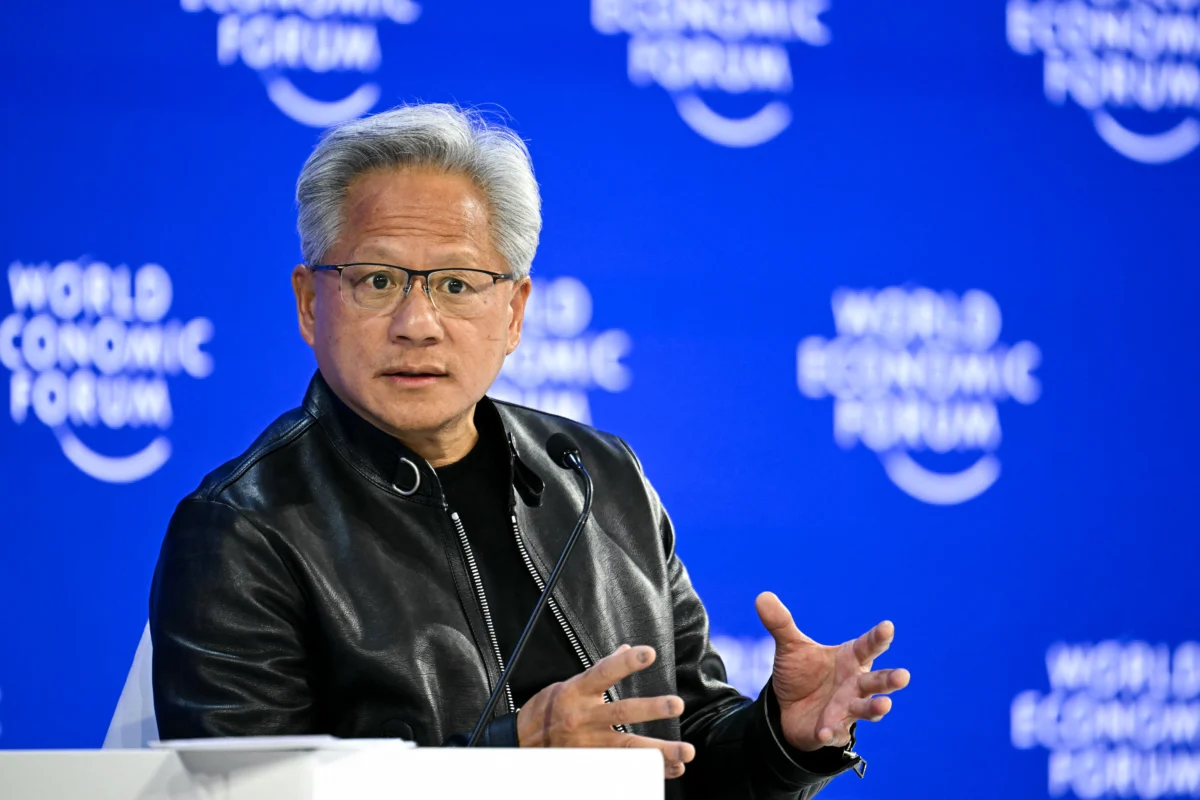
In a surreal convergence of Silicon Valley influence and executive authority, Nvidia CEO Jensen Huang found himself at the center of a public relations whirlwind on Monday morning at the All-In Summit in Los Angeles. While navigating a high-profile panel alongside the venture capital heavyweights behind the All-In podcast—Chamath Palihapitiya, Jason Calacanis, David Friedberg, and David Sacks—Huang received an incoming call that defied the conventional norms of corporate decorum. It was President Donald Trump.
What followed was a moment that sent ripples through both the tech industry and political circles: Huang, with the casual confidence of a titan of industry, invited the President to address the conference via speakerphone. The resulting exchange did more than just provide a highlight reel for social media; it underscored a growing, high-stakes alignment between the current administration and the leadership of the artificial intelligence revolution.
The Chronology of an Unscripted Connection
The episode began as a casual conversation regarding the trajectory of AI development. Huang and his co-panelists had been engaged in a nuanced debate surrounding the recent public stance taken by Anthropic CEO Dario Amodei. Amodei has become a vocal proponent of “slowing the pace” of AI advancement, arguing that the rapid scaling of frontier models necessitates a period of institutional reflection and safety testing.
While titans like Elon Musk and OpenAI’s Sam Altman have publicly signaled agreement with the need for caution, Huang has remained a notable holdout, maintaining that the technological sprint must continue unabated.
Mid-discussion, Huang’s phone illuminated with a call from the President. Rather than opting for the standard professional courtesy of a return call, Huang pivoted. “I’m onstage with the besties,” he remarked to the President, signaling the informality of the setting.
The logistical hurdle of broadcasting a private call to a room full of tech leaders provided a moment of levity. As Huang fumbled for a secondary microphone to ensure the audience could hear the President, Trump dryly remarked, “The great thing about life is Jensen can develop the most complex computer chip in the world… but he can’t figure out how to put you on speaker.”
Once the audio was patched through, the conversation shifted immediately from pleasantries to the ideological battleground of AI acceleration.
The “Hoax” Narrative and the Strategic Pivot
The substance of the call centered on the mounting resistance to the massive infrastructure requirements of the AI era, specifically the construction of gargantuan data centers.
Addressing the call for a "slower pace" championed by the likes of Amodei, Trump was unequivocal in his dismissal. “They’re just playing right in the hands of a lot of people that don’t want to see it happen,” the President stated. “That could be political people. It could also be China. And we’re not going to let that happen. It’s a hoax.”
Huang, acknowledging the President’s directive, affirmed the stance, telling the President, “You’re right. We’re not going to let that happen, sir.” The room erupted in applause, signaling that for the tech elite in attendance, the President’s aggressive pro-accelerationist stance was a welcome departure from the regulatory headwinds they have faced in recent months.
Trump went on to clarify his commitment to the sector, dismissing the environmental and quality-of-life concerns that have stalled development in various jurisdictions. “We have to be a little bit careful… We have to do things and we have to do them prudently, but that doesn’t mean we’re going to stop an industry,” he said. “So I’m with you all the way. I didn’t even know how you felt about it. I just hoped you felt the same way as me. We’re going to lead.”
Supporting Data: The Growing Divide on Data Centers
While the President and figures like Y Combinator CEO Garry Tan have framed the opposition to data centers as an “international psyop” designed to stifle American economic dominance, the reality on the ground is more localized and grounded in practical concerns.
Recent Gallup polling provides a sobering counterpoint to the "pro-acceleration at all costs" narrative. According to the data, seven in 10 Americans now oppose the construction of large-scale data centers in their immediate geographic areas. The resistance is not purely abstract; it is driven by tangible impacts on the local environment and the standard of living.
- Environmental Concerns: More than 50% of survey respondents cited the massive drain on environmental resources—specifically water usage for cooling and the enormous electricity load required for high-performance computing—as their primary reason for opposition.
- Quality of Life: Approximately 20% of the public expressed concerns regarding the cost-of-living increases associated with infrastructure sprawl, as well as the noise and traffic disruption caused by the rapid expansion of these facilities.
These figures highlight a growing disconnect between the Silicon Valley vision of an AI-powered future and the concerns of the average American household. While the White House and tech leaders are focused on a global arms race against China, local communities are focused on the immediate impact of industrial-scale infrastructure in their backyards.
Official Responses and Administrative Alignment
The alignment between Nvidia’s leadership and the White House is not entirely surprising given the recent appointments to the President’s Council of Advisors on Science and Technology. The inclusion of figures such as David Friedberg and David Sacks suggests that the administration is deeply integrated with the venture capital ecosystem of the Silicon Valley elite.
For the White House, the messaging is clear: AI is the new frontier of national security. By framing the resistance to data centers as a "hoax" or a foreign-backed effort to undermine American progress, the administration is attempting to consolidate public support around the necessity of the technology.
Conversely, for Nvidia, having the explicit, on-the-record support of the President provides a significant buffer against the regulatory scrutiny that has plagued other tech giants. It serves as a form of “regulatory insurance” that reaffirms the company’s position as a national strategic asset rather than merely a commercial vendor.
Implications: The Future of the AI Arms Race
The implications of this phone call are far-reaching. By publicly aligning himself with the most aggressive proponents of AI development, President Trump has signaled that the federal government will likely prioritize the streamlining of energy permits and the removal of local zoning hurdles for data center construction.
However, this strategy carries significant political risk. If the administration continues to dismiss the concerns of the 70% of Americans who are wary of data center expansion, it could create a new fault line in the American political landscape. The “AI divide” is no longer just about software algorithms; it is about physical geography, energy usage, and the fundamental structure of the modern community.
Furthermore, the dismissal of safety-conscious industry leaders like Dario Amodei as pawns in a political "hoax" risks alienating those within the AI community who are genuinely concerned about the long-term, existential risks of rapid scaling. By painting the debate as a binary choice between "leading" and "losing to China," the administration is effectively closing the door on a more nuanced discussion regarding how to integrate AI safely into society.
Ultimately, the speakerphone moment at the All-In Summit was a masterclass in modern political theater. It highlighted the seamless—and perhaps uncomfortable—marriage between high-finance venture capital and high-level government policy. As Nvidia continues to provide the hardware backbone of the AI revolution, the company has clearly decided that the most effective way to navigate the political climate is to skip the intermediaries and go directly to the top of the command chain.
Whether this approach will satisfy the public, however, remains to be seen. As the demand for electricity and land for AI infrastructure grows, the clash between the tech industry’s need for speed and the public’s need for stability is likely to intensify, making this not the last, but perhaps the first, major confrontation of the AI era.