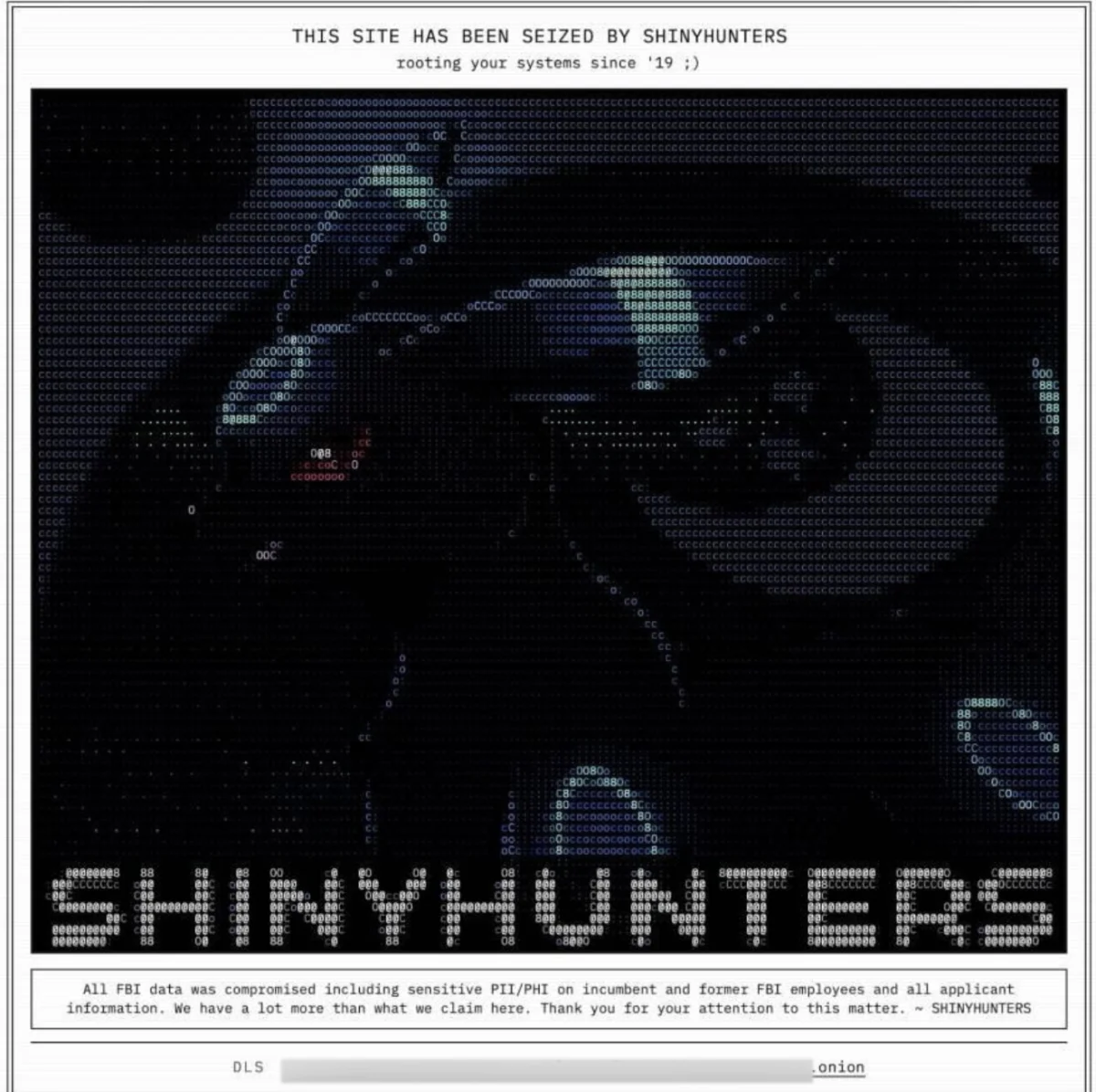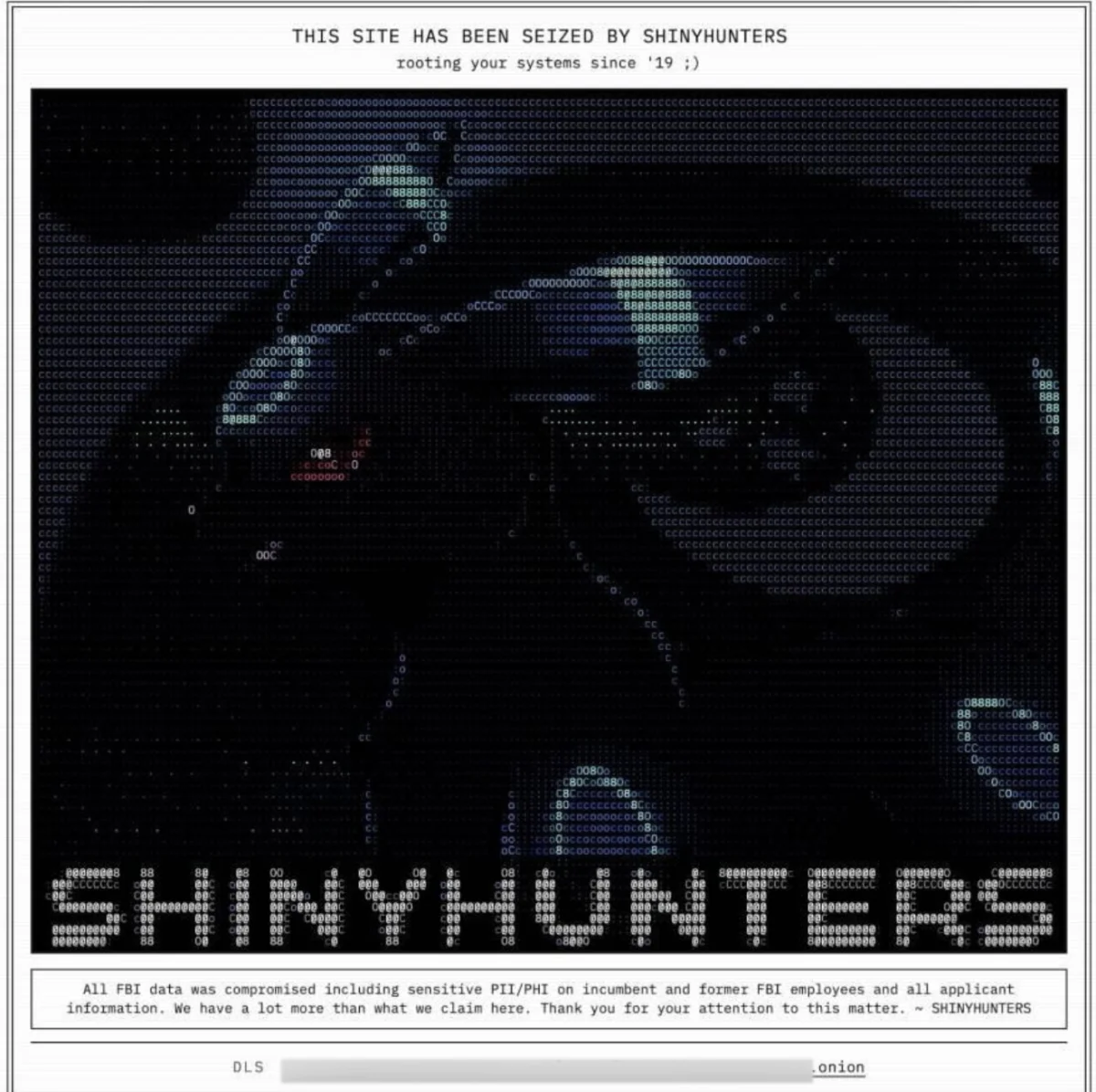
In a landmark case that has sent shockwaves through the global cybersecurity landscape, 26-year-old Canadian national Connor Riley Moucka has pleaded guilty to his role in one of the most destructive and widespread cyber-extortion campaigns in history. Moucka, a Kitchener, Ontario resident known in the shadowy corners of the internet by monikers such as "Judische" and "Waifu," stood at the center of a criminal enterprise that compromised at least 165 major organizations, exposing billions of sensitive records and holding corporate giants hostage for millions of dollars in cryptocurrency.
The guilty plea marks a critical turning point in the U.S. Department of Justice’s efforts to dismantle a sophisticated hacking collective that specialized in weaponizing cloud infrastructure. While the Snowflake data breaches were the most visible aspect of their criminality, the scope of the conspiracy—which included the massive theft of AT&T customer call logs—reveals a level of digital intrusion that threatens the privacy of hundreds of millions of individuals worldwide.
The Snowflake Breach: A Failure of Authentication
Between February and October 2024, Moucka and his co-conspirators systematically exploited the cloud-based data storage infrastructure of Snowflake, a prominent U.S.-based software-as-a-service provider. The hackers did not rely on complex zero-day exploits; instead, they utilized stolen credentials to gain unauthorized access to customer accounts that failed to implement multi-factor authentication (MFA).
By bypassing these basic security gates, the group gained access to vast repositories of corporate data. The victims of this campaign read like a "who’s who" of American commerce, including TicketMaster, Lending Tree, Advance Auto Parts, and Neiman Marcus. Once inside, the hackers exfiltrated terabytes of sensitive information, ranging from banking details and payroll records to DEA registration numbers and passport data. The sheer scale of the theft—billions of individual records—was designed to maximize leverage for extortion. The hackers threatened to leak the data on public forums unless substantial ransoms were paid.
Chronology of a Digital Crime Wave
The Formative Years (2020–2023)
Long before the Snowflake attacks, Moucka was already a seasoned actor in the cyber-underworld. Investigations into his activities suggest he had been active since at least 2020, engaging in voice phishing attacks and smaller-scale data breaches. During this period, he honed his skills and established a reputation for being remarkably elusive, frequently cycling through multiple online identities to maintain anonymity.
The 2024 Escalation
The year 2024 proved to be the most active for the group. In September 2024, KrebsOnSecurity published a seminal report linking "Judische" to a broader nexus of Western, English-speaking cybercriminals. This reporting exposed the dark reality of the group’s methodology: not just hacking for profit, but participating in extremist circles that harassed and extorted minors. The public exposure accelerated the investigation by international law enforcement, leading to Moucka’s arrest in October 2024 on a provisional warrant issued by the United States.
The Aftermath and Judicial Proceedings
Following Moucka’s detention, the legal machinery began to churn. In July 2025, his co-conspirator, U.S. Army soldier Cameron "Kiberphant0m" Wagenius, entered his own guilty plea. The legal proceedings for the members of this syndicate have spanned international borders, involving cooperation between the Royal Canadian Mounted Police (RCMP), the U.S. Department of Justice, and intelligence agencies monitoring the movements of third accomplice, John Erin Binns.

The Players: An Unholy Alliance
The conspiracy was not a solo endeavor; it was a collaborative, albeit dysfunctional, network of hackers with varying backgrounds and motivations.
Connor Riley Moucka (Judische/Waifu)
Moucka served as the primary architect of the Snowflake intrusions. Beyond the technical theft, he displayed a disturbing propensity for personal vendettas. He frequently targeted government officials and security researchers who attempted to track his activities. In one egregious instance, he attempted to re-extort a victim by threatening to release the personal data of a government officer’s family members.
Cameron Wagenius (Kiberphant0m)
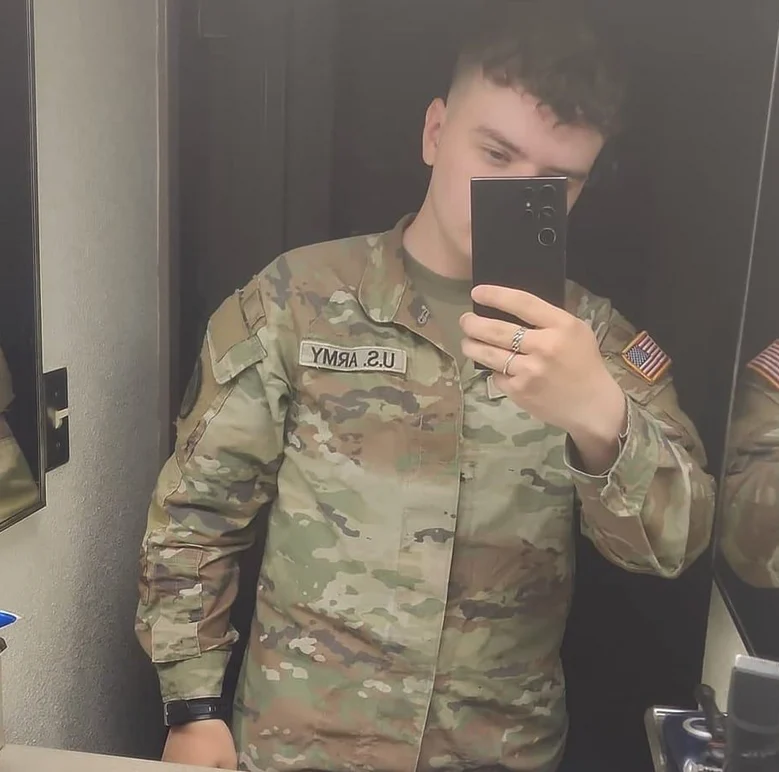
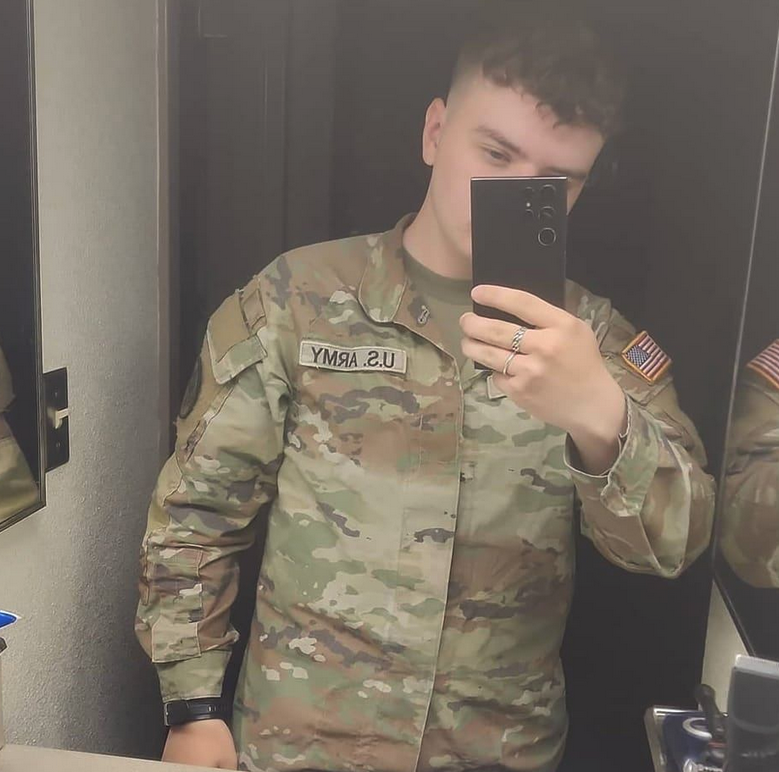
A U.S. Army soldier stationed in South Korea, Wagenius acted as a high-profile partner in the operation. His hubris often outstripped his caution; while operating under the moniker "Kiberphant0m," he bragged on forums about his military status. Following Moucka’s arrest, Wagenius attempted to cause mass disruption by leaking alleged AT&T call logs belonging to then-President-elect Donald Trump and then-Vice President Kamala Harris, alongside sensitive U.S. National Security Agency (NSA) schematics. He faces sentencing in September 2026.
John Erin Binns (IRDev/IntelSecrets)
The third member, John Erin Binns, represents the complexity of international extradition law. A veteran of the 2021 T-Mobile breach that affected 76 million people, Binns fled the U.S. to avoid prosecution. Sources indicate that Binns recently secured Turkish citizenship, effectively insulating him from extradition to the United States under local law. His ability to resurface online after periods of incarceration in Turkey highlights the ongoing challenges authorities face in tracking criminals across jurisdictions.
Implications for Corporate and Personal Security
The Death of "Password Only" Security
The Snowflake incident served as a wake-up call for the entire technology industry. The primary vulnerability exploited by Moucka and his team was the lack of enforced multi-factor authentication. In response, Snowflake was forced to mandate stronger password policies and universal MFA. This incident underscores a hard truth: no matter how robust a platform’s core security is, the human element—specifically the failure to secure entry points—remains the weakest link.
The Rise of Re-Extortion
A particularly sinister development highlighted by this case is the trend of "re-extortion." Even after victims paid the requested ransoms, Moucka and Wagenius often threatened to release the data anyway, or used the data to harass victims’ families. This practice demonstrates that there is no "honor among thieves" and that paying a ransom is never a guarantee of data security or silence.
Data Privacy as a Geopolitical Weapon
The inclusion of NSA schematics and the call logs of high-ranking political figures in the leak lists elevated this case from a standard cyber-extortion scheme to a matter of national security. When criminal hackers obtain data that could be used for intelligence purposes, the line between common cybercrime and state-level espionage blurs, forcing government agencies to intervene with a higher level of urgency.
Official Responses and Sentencing Outlook
The U.S. Department of Justice has been clear in its condemnation of the group’s actions. The sheer breadth of the crimes—encompassing wire fraud, aggravated identity theft, and conspiracy—carries significant sentencing weight.
Moucka, who has pleaded guilty to four counts, faces a mandatory minimum of two years for identity theft, with a potential maximum of 30 years for the remaining charges. The sentencing, scheduled for October 27, will be a defining moment in the court’s attempt to set a deterrent for other young, technically proficient actors who might consider following in his footsteps.
For his part, Cameron Wagenius faces a maximum of 20 years for wire fraud, five years for extortion, and a mandatory two-year consecutive sentence for aggravated identity theft. The judicial outcome for both men will serve as a testament to the effectiveness of international cooperation in tracking digital footprints across Telegram, Discord, and the dark web.
Conclusion: The Long Road Ahead
The saga of Connor Riley Moucka is far from over, as the legal system continues to process the architects of this massive data-theft machine. While the arrests of Moucka and Wagenius have certainly dismantled a significant portion of this threat, the continued freedom of individuals like John Erin Binns remains a stark reminder of the limitations of global law enforcement.
For the organizations involved, the aftermath involves years of remediation, legal fallout, and the grueling task of rebuilding consumer trust. For the public, the case serves as a permanent reminder of the fragility of personal data in an era where cloud infrastructure is only as secure as the weakest password protecting it. As the sentencing dates approach, the industry watches closely, hoping that the severity of these penalties will finally instill a sense of caution in those who view the internet as a playground for unchecked exploitation.