SINGAPORE — Japan’s Ministry of Defense has officially submitted a record-breaking budget proposal for the upcoming fiscal year, signaling a profound shift in the nation’s security posture. Requesting 8.89 trillion yen ($55.6 billion), the proposal underscores Tokyo’s commitment to reinforcing its defense capabilities amid an increasingly volatile geopolitical environment in the Indo-Pacific.
This latest fiscal request is not merely a quantitative increase; it represents a qualitative transformation of the Japan Self-Defense Forces (JSDF). By prioritizing cutting-edge stand-off missiles, uncrewed systems, and artificial intelligence, Japan is moving decisively away from its historical posture of reactive defense toward a proactive, deterrence-based strategy.
Main Facts: A Procurement Pivot
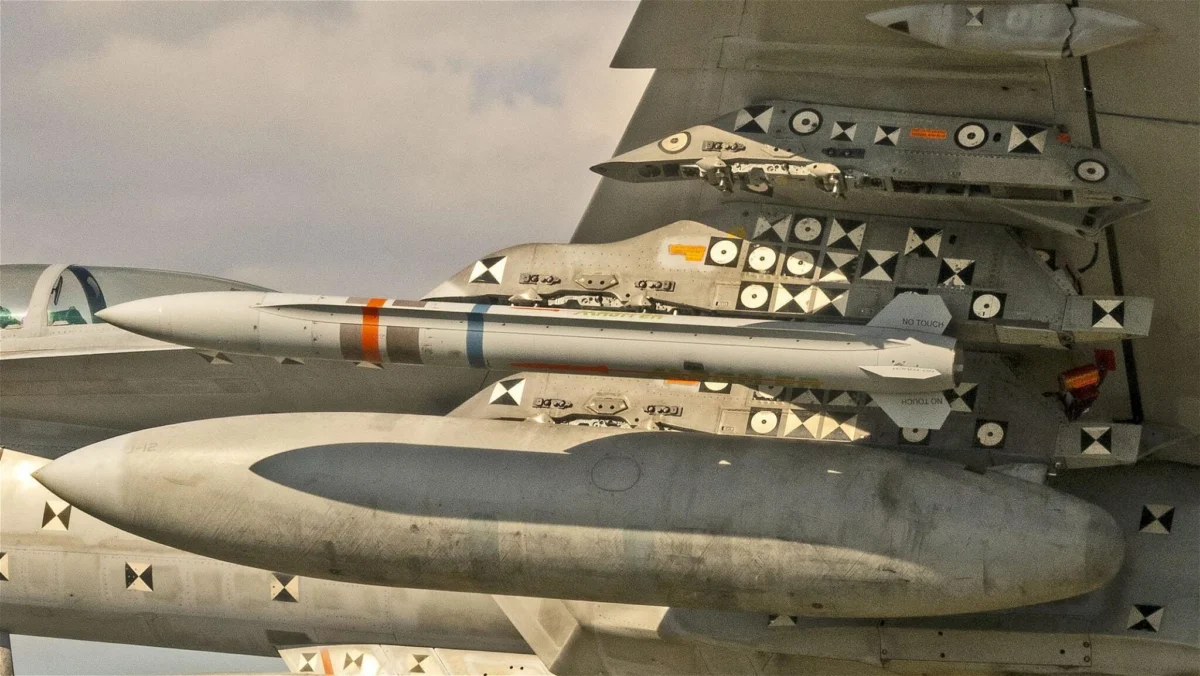
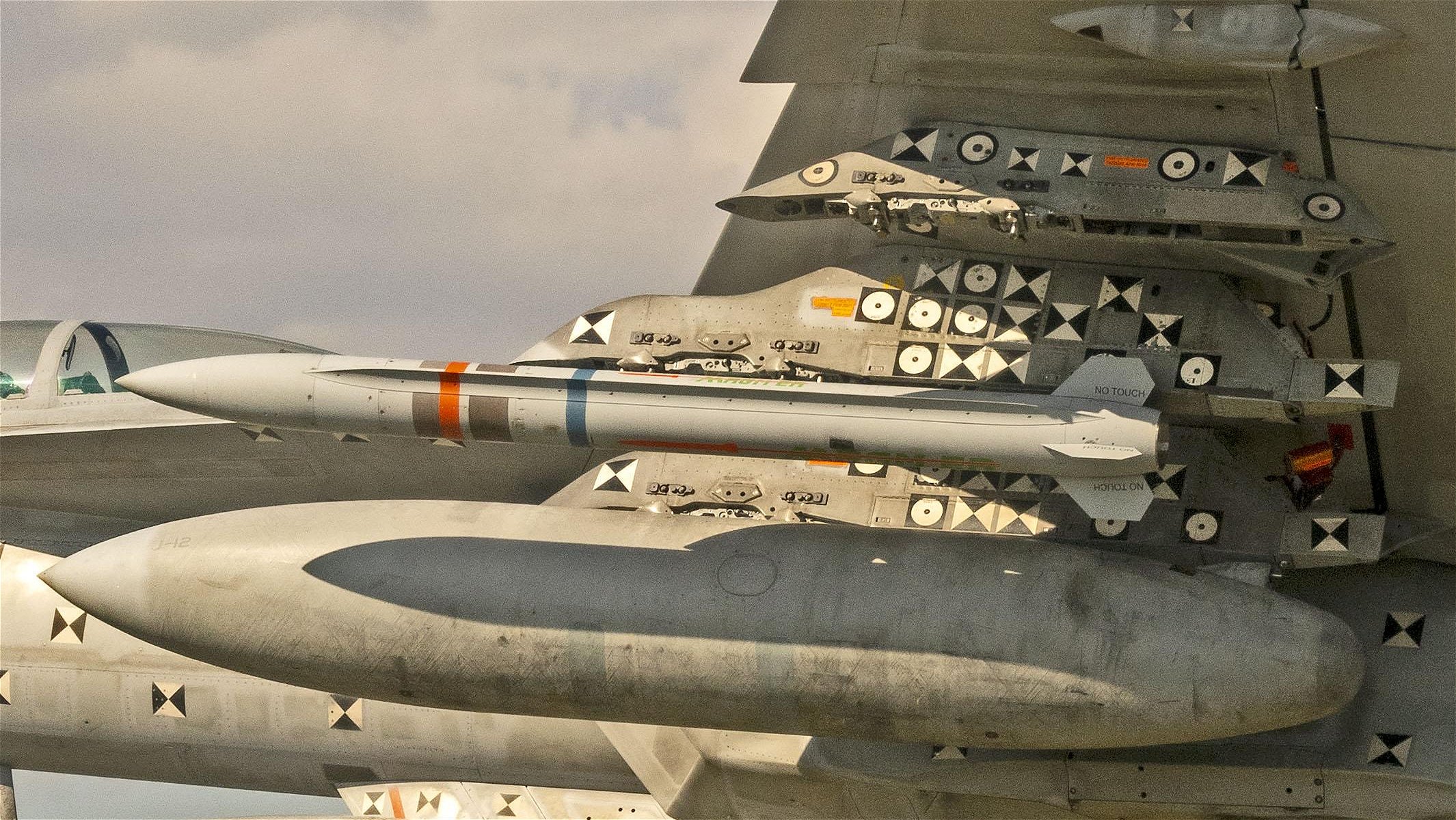
The most striking feature of the current budget proposal is the inclusion of specialized strike assets that were previously absent from the Japanese arsenal. Most notably, the Ministry of Defense has expressed an intent to acquire Northrop Grumman’s AGM-88G Advanced Anti-Radiation Guided Missile-Extended Range (AARGM-ER). This represents a significant milestone, as it marks the first time Japan has openly signaled its requirement for a dedicated anti-radar missile—a weapon system designed specifically to suppress and destroy enemy air defense networks.
While the budget request is expansive, it remains an initial framework. Notably, specific unit counts and exact procurement costs for several high-ticket items were omitted. This is attributed to the pending release of three foundational national security documents: the National Security Strategy, the National Defense Strategy, and the Defense Buildup Program. These documents, expected later this year, will serve as the definitive blueprint for Japan’s procurement priorities for the coming decade.
Despite the lack of granular data, the intent is clear: Japan is doubling down on its "stand-off" capabilities. In addition to the AARGM-ER, the ministry is seeking a mix of low-cost cruise missiles—initially through foreign procurement—with an eye toward developing indigenous equivalents to ensure supply chain sovereignty.
Chronology of Japan’s Defense Transformation
Japan’s current defense trajectory is the result of years of incremental but accelerating changes in security policy.
- 2022: The Kishida administration announces a historic pledge to increase defense spending to 2% of GDP by 2027, signaling a move toward parity with NATO-standard defense investments.
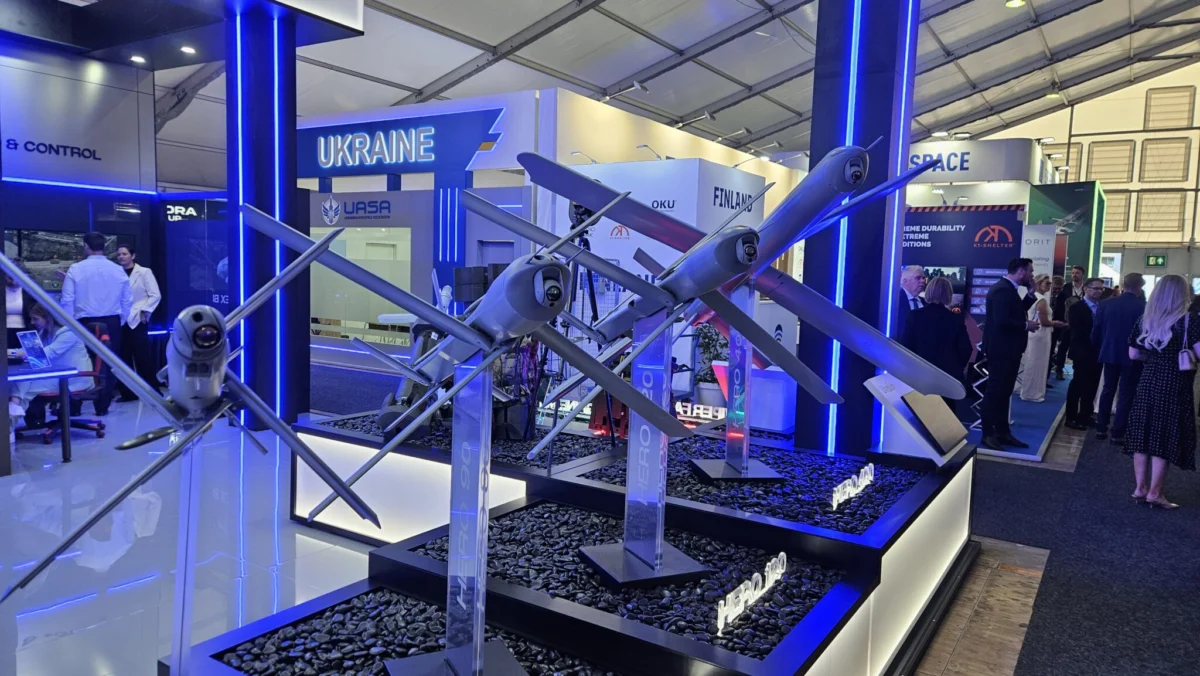
- August 25, 2026: Japan’s Acquisition, Technology and Logistics Agency (ATLA) selects the TerraDrone Terra B1 interceptor for a rapid acquisition contract, highlighting a move toward agile, low-cost drone solutions.
- August 31, 2026: The Ministry of Defense publishes its annual budget request, formalizing the push for anti-radiation missiles and AI-driven command and control systems.
- Late 2026 (Projected): Official publication of the updated National Security Strategy and Defense Buildup Program, which will finalize the procurement numbers for platforms like the F-35 and P-1 aircraft.
- April 2027: The commencement of the new fiscal year, marking the implementation of these new procurement priorities.
Supporting Data: Platforms and Capabilities
While the ministry has kept specific unit counts close to the vest, the budget identifies several key pillars for future defense investment:
1. Air Dominance and Stand-off Strike
Japan continues to modernize its air fleet, seeking additional Lockheed Martin F-35 fifth-generation fighters. These are complemented by the acquisition of Boeing KC-46 tankers for aerial refueling, which extend the operational reach of the Japanese Air Self-Defense Force. The budget also highlights the development of the ASM-3 supersonic air-launched anti-ship missile into a long-range air-to-air weapon. This capability is intended to target high-value assets such as adversary airborne early warning (AEW) aircraft and aerial tankers, effectively "blinding" an opponent’s command and control network.
2. Unmanned Systems
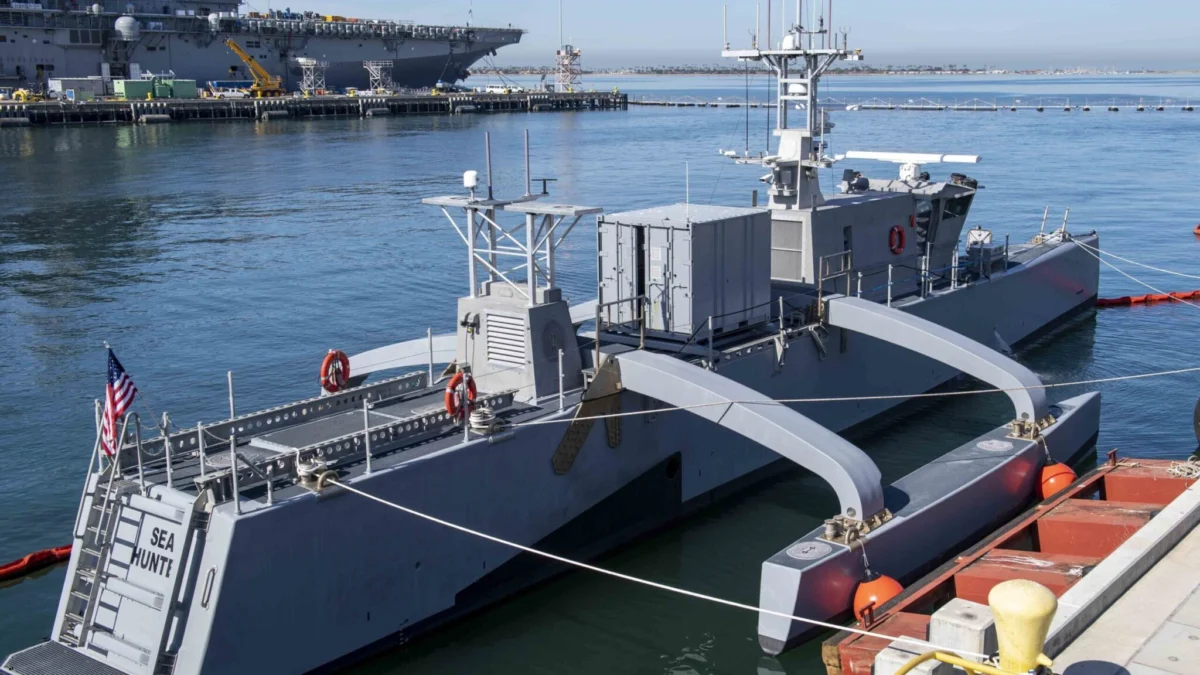
The budget reflects a massive investment in uncrewed technology. A request for 292.2 billion yen is earmarked for the acquisition of 17 additional General Atomics MQ-9B SeaGuardian MALE drones for the Japan Maritime Self-Defense Force. This expansion will significantly bolster Japan’s maritime surveillance and intelligence-gathering capabilities across the vast East China Sea. Furthermore, 7.6 billion yen has been allocated for interceptor drones, marking the start of a "drone-versus-drone" defensive capability.
3. Subsurface and Underwater Warfare
In an effort to counter regional submarine threats, the budget includes 16.3 billion yen for the development of a submarine-launched guided missile. Additionally, Japan is pursuing a stand-off missile launch module specifically designed for Unmanned Underwater Vehicles (UUVs), signaling a move toward autonomous subsurface strike capabilities.
Official Responses and Strategic Intent
The Ministry of Defense has been transparent about its reliance on artificial intelligence as a force multiplier. The budget request outlines a vision for a future command and control system that utilizes AI to "rapidly integrate and analyze data." The goal is to achieve a decisive advantage in the "OODA loop" (Observe, Orient, Decide, Act), allowing Japanese commanders to make target selections and situational assessments far faster than their adversaries.
To protect this intelligence edge, the ministry plans to transition to a classified, domestically developed, cloud-based network. This infrastructure is specifically designed to be resilient against electronic warfare and cyber-disruption, ensuring that Japan’s command structure remains operational even in a high-intensity conflict.
"We are seeking to integrate data across all domains—air, sea, land, and the emerging domains of cyber and space," a ministry official suggested in the supplementary documentation. "The objective is not just to possess hardware, but to possess a network that turns that hardware into a synchronized, intelligent force."
Implications: A New Strategic Reality
The implications of this budget proposal extend well beyond Japan’s borders. By acquiring anti-radiation missiles and long-range air-to-air weapons, Japan is effectively creating a "denial zone" that significantly complicates the military planning of neighboring powers, particularly China and Russia.
1. Shift in Regional Deterrence
Historically, Japan’s military role has been defined by a strictly defensive, "shield-only" mentality. The move toward AARGM-ER and stand-off cruise missiles suggests a shift toward a "shield-and-sword" approach. Japan is signaling that it will no longer rely solely on the United States for strike capabilities, but will instead become a more autonomous and capable partner in the U.S.-Japan security alliance.
2. The Technological Arms Race
Japan’s focus on AI-driven command and control puts it in direct competition with the rapid technological advancements seen in the PLA (People’s Liberation Army). The focus on low-cost cruise missiles and interceptor drones suggests that Japan is preparing for a war of attrition, where the ability to replace losses quickly and utilize swarming, low-cost assets becomes as important as possessing a few high-end platforms.
3. Domestic Industry and Export
The commitment to developing domestic equivalents for overseas-acquired systems serves two purposes: it ensures national security in the event of supply chain ruptures, and it revitalizes Japan’s domestic defense-industrial base. As Japan relaxes its historical restrictions on the export of defense equipment, these new indigenous systems may eventually find their way into the global market, further integrating Japan into the international defense manufacturing ecosystem.
4. Financial Challenges
The scale of this spending remains a significant point of internal debate. With a request of 8.89 trillion yen, the fiscal burden on the Japanese economy is substantial. Finance ministry officials are expected to scrutinize these requests closely, particularly as Japan balances a massive national debt against the urgent need for military modernization. The approval process, which will conclude later this year, will be the final hurdle for these ambitious programs.
In conclusion, Japan is currently undergoing the most significant military expansion since the end of the Second World War. By focusing on technological integration, stand-off strike capabilities, and uncrewed platforms, Tokyo is ensuring that its defense forces remain relevant in an era of rapid technological change, providing a robust pillar of stability in the Indo-Pacific theater.