SINGAPORE — In a significant development for the Republic of Korea Navy’s (RoKN) naval modernization roadmap, GE Aerospace has been selected to provide the propulsion architecture for the nation’s upcoming KDDX-class destroyer program. The decision, announced by the aerospace giant this week, confirms that 12 of its advanced LM2500+G4 marine gas turbine engines will power the first six ships of the cutting-edge fleet.
This procurement represents more than just a component purchase; it signals a strategic pivot toward full electric propulsion (FEP) systems, a move that naval architects argue is essential for the high-energy demands of modern maritime combat. While the financial details of the contract remain undisclosed—and the South Korean Ministry of National Defense has declined to provide specific budgetary breakdowns—the selection underscores the deepening industrial partnership between the United States’ defense sector and South Korea’s rapidly expanding shipbuilding industry.
The Core Technology: Why the LM2500+G4?
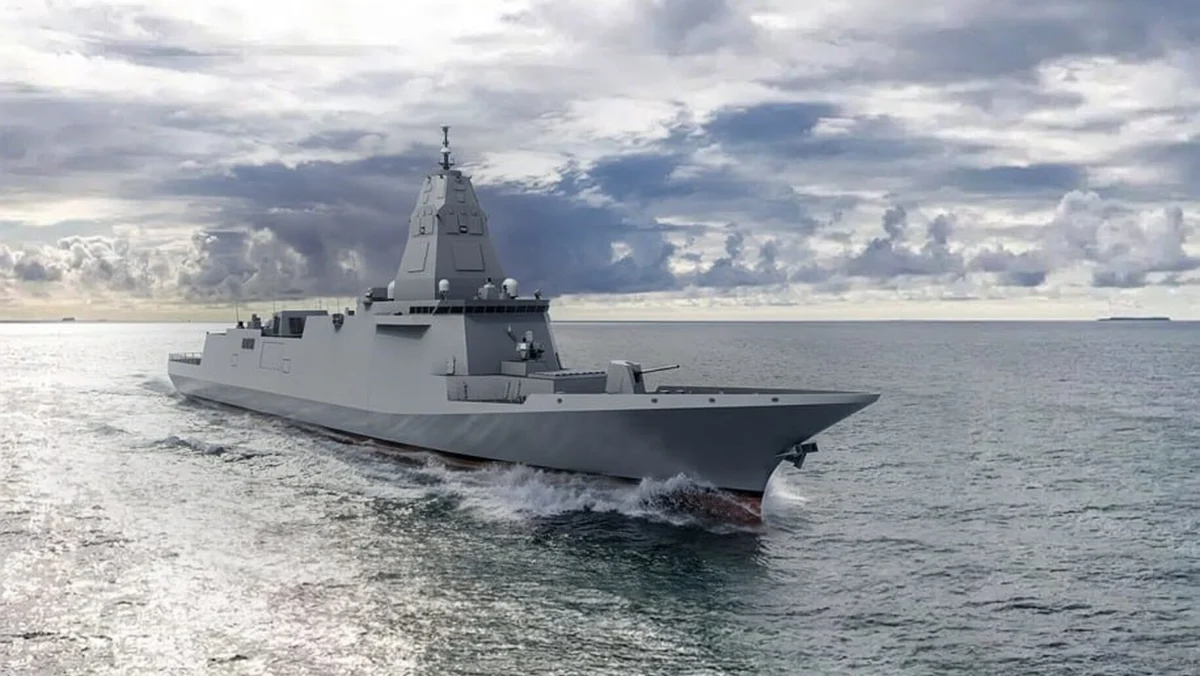
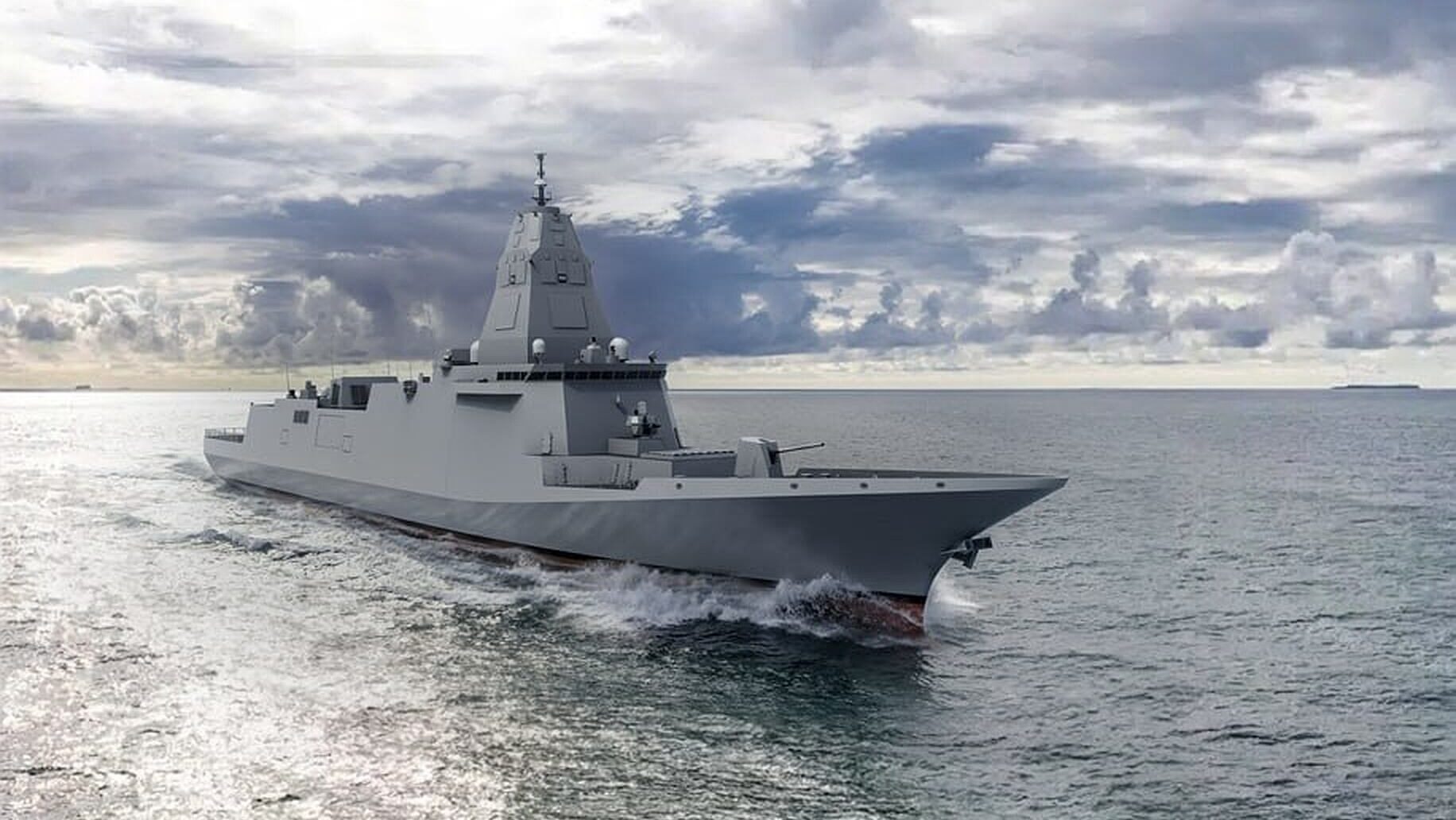
The KDDX (Korea Destroyer Next Generation) project is designed to fill a critical niche in the South Korean fleet: a 7,000-ton indigenous vessel capable of sophisticated anti-air, anti-surface, and anti-submarine warfare. To meet these multi-mission requirements, the propulsion system must offer both high-speed transit capabilities and the ability to generate massive amounts of electricity for onboard sensors, electronic warfare suites, and potentially, future directed-energy weapons.
GE’s LM2500+G4 is a proven workhorse in naval architecture. Known for its high power-to-weight ratio and modular design, the engine has been integrated into some of the most capable warships globally. By utilizing the G4 variant, the RoKN is prioritizing fuel efficiency and reliability.
According to GE, the integration of these turbines into a full electric propulsion configuration offers several distinct advantages:
- Operational Flexibility: The ability to decouple power generation from propulsion allows for more efficient power management during different mission profiles, from high-speed interdiction to long-endurance patrol.
- Power for Future Growth: As radar systems and laser-based defensive systems grow more power-intensive, the KDDX’s electrical architecture will have the "headroom" to accommodate upgrades without requiring a total overhaul of the propulsion plant.
- Survivability and Redundancy: The modular nature of the FEP system ensures that if one section of the electrical grid is compromised in combat, the ship can isolate the damage and maintain maneuverability.
Chronology: A Path to Selection
The journey to this announcement has been marked by intense industrial competition and evolving maritime security requirements in the Indo-Pacific.
- 2020-2022 (Conceptualization): The South Korean Defense Acquisition Program Administration (DAPA) outlines the requirements for the KDDX, emphasizing a 100% indigenous design to reduce reliance on foreign platform providers.
- July 2026 (Preferred Bidder Announced): Following a protracted competition between South Korea’s two shipbuilding giants—Hanwha Ocean and HD Hyundai Heavy Industries—DAPA identifies Hanwha Ocean as the preferred bidder for the detailed design and construction of the KDDX lead ship.
- August-September 2026 (Negotiations): While Hanwha Ocean remains in negotiations with the government regarding the final terms of the construction contract, the procurement of sub-systems begins to take shape.
- September 2026 (GE Aerospace Selection): GE Aerospace formally announces its selection as the propulsion provider, cementing a long-standing relationship with the RoKN, which already operates 163 GE marine gas turbines across 95 vessels.
Industrial Synergies: The Role of Hanwha Aerospace
A critical component of this deal is the commitment to local manufacturing. In an era where defense industrial base resilience is a top priority for nations worldwide, the KDDX project is leveraging the expertise of Hanwha Aerospace.
Unlike traditional procurement models where engines are imported as "black boxes," the KDDX agreement dictates that Hanwha Aerospace will handle the assembly, testing, and localized production of various engine components. This serves two purposes: it ensures that the South Korean military has a domestic sustainment capability for its primary destroyers, and it facilitates technology transfer that boosts the nation’s overall aerospace and maritime manufacturing base.
Asha Belarski, vice president and general manager of GE Aerospace’s marine engines and systems division, highlighted this aspect in a press statement. "The selection of GE Aerospace’s LM2500+G4 technology strengthens our strong collaborations in Korea and demonstrates our commitment to local manufacturing," Belarski noted. "We are honored to be a part of this project incorporating the latest advancements in shipbuilding."
Economic and Strategic Implications
The KDDX program is a cornerstone of South Korea’s "Defense Reform 4.0" initiative. With an estimated program cost of 7.8 trillion won ($5.75 billion), the destroyers are expected to provide the backbone of the RoKN’s blue-water capabilities.
Strategic Autonomy
By focusing on a 7,000-ton class vessel, South Korea is bridging the gap between its existing KDX-II destroyers and the larger, more expensive AEGIS-equipped KDX-III destroyers. This allows for a more versatile deployment strategy, enabling the RoKN to project power in the East China Sea and beyond without over-committing its flagship AEGIS assets.
The Shift to Full Electric Propulsion
The industry’s move toward FEP is a global trend. By adopting this technology, South Korea is aligning itself with the United States Navy’s Zumwalt-class and the United Kingdom’s Type 45 destroyer philosophies. The primary benefit is the decoupling of the prime mover from the propeller shaft, which drastically reduces noise signatures—a critical factor in modern anti-submarine warfare (ASW). In the quiet waters of the Pacific, the ability to operate "acoustically invisible" is a decisive tactical advantage.
Financial Hurdles
Despite the excitement surrounding the propulsion selection, the program is not without its challenges. Hanwha Ocean is currently navigating complex contract negotiations with DAPA. The KDDX program has previously been mired in concerns regarding budget overruns and the technical difficulty of creating a truly indigenous combat management system. The successful integration of GE’s turbines is a positive indicator, but the overall project timeline remains subject to the finalization of these government-industry agreements.
Official Responses and Industry Outlook
While DAPA has remained tight-lipped regarding the specific contractual mechanics, analysts suggest that the selection of GE Aerospace provides a "stamp of reliability" to the KDDX program.
"The RoKN doesn’t gamble on unproven propulsion," says an independent naval analyst based in Singapore. "By selecting the LM2500+G4, they are choosing a known quantity that they already support via Hanwha. This mitigates a massive portion of the technical risk associated with building a new class of ship from scratch."
For GE Aerospace, the contract represents a continuation of a legacy. With nearly 100 ships in the RoKN fleet already utilizing GE turbines, the company has effectively captured the naval gas turbine market in South Korea. This lock-in effect, combined with the commitment to local support, ensures that GE will remain a central pillar of South Korea’s maritime defense architecture for decades to come.
Conclusion
The selection of the LM2500+G4 for the KDDX destroyers is a significant milestone for both GE Aerospace and the Republic of Korea Navy. As the program moves from the design phase toward actual construction, the focus will shift to how Hanwha Ocean integrates these high-performance engines into the ship’s hull and electrical architecture.
If the KDDX program succeeds as planned, it will mark the maturation of South Korea as a premier naval power—one capable of not only operating advanced platforms but designing and manufacturing them with a high degree of local control and industrial depth. As geopolitical tensions in the region persist, the delivery of these destroyers will be closely watched by neighbors and allies alike, serving as a testament to the evolving nature of maritime warfare in the 21st century.