Washington D.C. – August 15, 2024 – The United States telecommunications landscape is currently defined by a dual narrative of unprecedented data consumption and substantial, forward-looking infrastructure investments. Recent reports highlight a staggering 20% year-over-year surge in wireless data traffic, reaching a colossal 159.3 trillion megabytes in 2025. This surge has prompted US wireless operators to inject nearly $30 billion into the enhancement and expansion of their network infrastructure. This significant financial commitment underscores the industry’s response to evolving consumer demands and the accelerating integration of bandwidth-intensive technologies like Artificial Intelligence.
The cumulative investment in wireless network infrastructure now surpasses an astonishing $763 billion, with a considerable portion, approximately $250 billion, deployed since the advent of commercial 5G in 2018. This ongoing expansion has not only supported a robust ecosystem of over 600 million wireless connections but has also witnessed a dramatic increase in the deployment of small-cell technology, which now constitutes nearly 40% of all wireless cell sites, marking a nearly 120% rise since 2018. Furthermore, the burgeoning field of 5G fixed wireless broadband is rapidly gaining traction, with 16 million customers already leveraging this technology, including a substantial 3.9 million net additions in 2025 alone. Looking ahead, industry projections anticipate a fourfold increase in wireless data demand by 2032, largely driven by the insatiable appetite of AI applications.
This period of intense growth and investment is also marked by strategic partnerships and technological advancements aimed at optimizing service delivery and expanding access. AT&T is poised to revolutionize its wavelength service quoting process, while Ribbon Communications and TNS are collaborating to facilitate a crucial migration for rural telecom operators from legacy voice switches to modern cloud-based solutions. These initiatives collectively paint a picture of a dynamic and adaptive telecommunications sector, keenly focused on meeting the demands of today while preparing for the data-intensive future.
The Data Deluge: A Record-Breaking Year for US Wireless Traffic
The core of the current telecom narrative in the US is the relentless surge in data consumption. In 2025, wireless operators reported a monumental 159.3 trillion megabytes of data traffic, representing a robust 20% increase from the previous year. This figure not only sets a new benchmark but also signifies a fundamental shift in how Americans utilize their wireless devices and services. The ever-increasing demand for high-definition video streaming, immersive online gaming, cloud-based productivity tools, and the burgeoning landscape of IoT devices are all contributing factors to this data explosion.
The growth is not merely incremental; it is exponential. This sustained upward trend necessitates continuous investment in network capacity and speed. Wireless operators are acutely aware that failing to keep pace with data demand can lead to service degradation, customer dissatisfaction, and a competitive disadvantage. Therefore, the nearly $30 billion invested in 2025 is not an arbitrary figure but a strategic allocation designed to bolster existing infrastructure, expand coverage, and upgrade to newer, more efficient technologies.
A Legacy of Investment: Building the Foundation for Future Growth
The $30 billion investment in 2025 is part of a much larger, sustained commitment to building and maintaining a world-class wireless infrastructure. The cumulative investment exceeding $763 billion is a testament to the industry’s long-term vision and its recognition of telecommunications as a foundational element of the modern economy. The $250 billion invested since 2018, coinciding with the rollout of 5G, highlights the industry’s aggressive pursuit of next-generation capabilities.
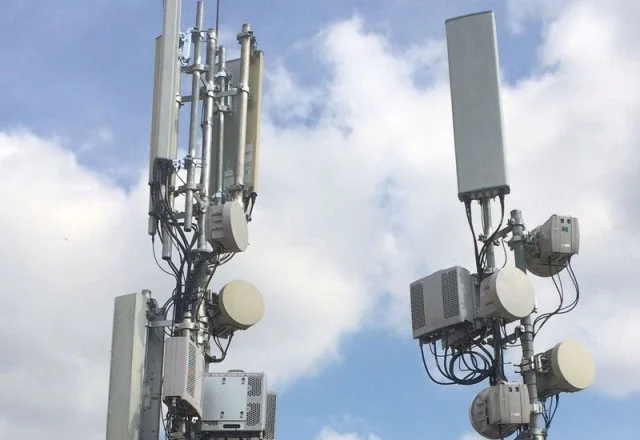
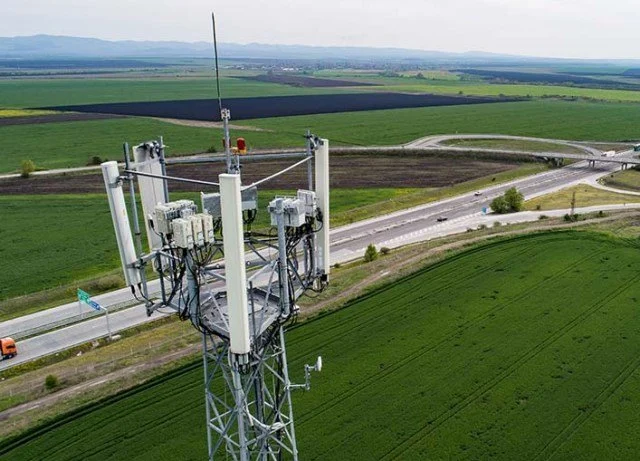
5G technology, with its promise of higher speeds, lower latency, and greater capacity, is a critical driver of this investment. It enables a new generation of applications and services that were previously unfeasible, from enhanced mobile broadband to mission-critical communications and the massive expansion of the Internet of Things (IoT). The significant increase in small-cell deployments further underscores the strategic shift towards denser network architectures required to support 5G’s performance demands, particularly in urban and suburban areas. These smaller, more numerous cell sites are essential for delivering the full potential of 5G, ensuring ubiquitous and high-quality wireless connectivity.
The success of 5G fixed wireless broadband, now serving 16 million customers, also indicates a significant shift in how consumers access internet services. This technology offers a compelling alternative to traditional wired broadband, particularly in areas where fiber deployment may be challenging or cost-prohibitive. The 3.9 million net additions in 2025 alone demonstrate its rapid adoption and the growing demand for flexible and high-speed home internet solutions.
AT&T Streamlines Wavelength Services with Connectbase Integration
In a move designed to accelerate service delivery and enhance customer experience, AT&T is set to integrate its metro and long-haul wavelength services with Connectbase’s Connected World Platform. This strategic partnership, slated for launch in early Q4 2026, will enable eligible customers and wholesale partners to access real-time network serviceability, pricing, and availability information. This digital transformation marks a significant departure from traditional, often protracted, manual quotation processes.
H2: Automating Connectivity: The Future of Wavelength Service Procurement
Wavelength services are crucial for businesses requiring dedicated, high-capacity optical connectivity, particularly for bandwidth-intensive applications such as cloud computing, AI workloads, and data-intensive analytics. By digitizing the quoting process, AT&T aims to significantly shorten the sales cycle, providing a more agile and responsive experience for its enterprise clients and wholesale partners. Connectbase, by becoming the first platform to offer automated access to AT&T Wavelength quotations, positions itself as a key enabler of this digital shift.
For AT&T, this integration represents a scalable and efficient pathway for its wholesale partners to leverage its extensive fiber infrastructure. This not only benefits the partners but also indirectly serves end-users by facilitating quicker deployment of high-bandwidth connections. The ability to instantaneously assess network capabilities and pricing empowers businesses to make faster, more informed decisions about their connectivity needs, crucial in today’s fast-paced digital economy.
Ribbon and TNS: Empowering Rural Telecoms with Cloud Modernization
In parallel, Ribbon Communications and TNS are collaborating to address a critical need within the rural telecommunications sector: the migration from aging legacy voice switches to modern, cloud-based solutions. Their joint offering, TNS Hosted Cloud Connect, provides independent and rural communications service providers with a managed pathway to modernize their voice services without the substantial capital expenditure and operational burden of acquiring and managing new switching systems.
H3: Bridging the Digital Divide: Cloud Migration for Rural Carriers
Many rural carriers still rely on older voice infrastructure that is becoming increasingly costly to maintain, challenging to support due to a dwindling pool of experienced engineers, and subject to evolving regulatory requirements. Hosted Cloud Connect offers a compelling solution by integrating Ribbon’s advanced technology into a carrier-grade, cloud-based platform. This allows operators to transition their voice services to a modern architecture while preserving service continuity.
The operational responsibility shifts to a managed cloud environment, freeing rural carriers from the complexities of direct system management. This approach is particularly beneficial for smaller operators who may lack the resources or expertise to undertake a full "rip-and-replace" program. By embracing a managed cloud architecture, these carriers can ensure the longevity of their voice services, improve operational efficiency, and position themselves for future growth and innovation, ultimately helping to bridge the digital divide in underserved areas.
The Broader Implications: AI, 5G, and the Evolving Digital Landscape
The confluence of massive data growth, strategic infrastructure investments, and technological advancements has profound implications for the future of the US digital landscape. The projected fourfold increase in wireless data demand by 2032, driven by AI, underscores the critical role of robust and scalable network infrastructure. AI applications, from advanced analytics and machine learning to generative AI and immersive experiences, are inherently data-intensive and require networks that can handle massive volumes of information with ultra-low latency.
The investments being made today in 5G, small cells, and fiber optic networks are directly enabling this AI-driven future. The AT&T wavelength service automation and the Ribbon/TNS cloud migration initiatives are further examples of how the industry is adapting to the evolving demands of connectivity. Streamlining service delivery and modernizing infrastructure are essential steps in ensuring that the US remains at the forefront of technological innovation.
As data traffic continues its exponential ascent, the telecommunications industry’s commitment to investment and innovation will be paramount. The ongoing evolution of network capabilities, coupled with strategic partnerships and a focus on service modernization, will shape the digital experiences of consumers and businesses alike, paving the way for a more connected and intelligent future.