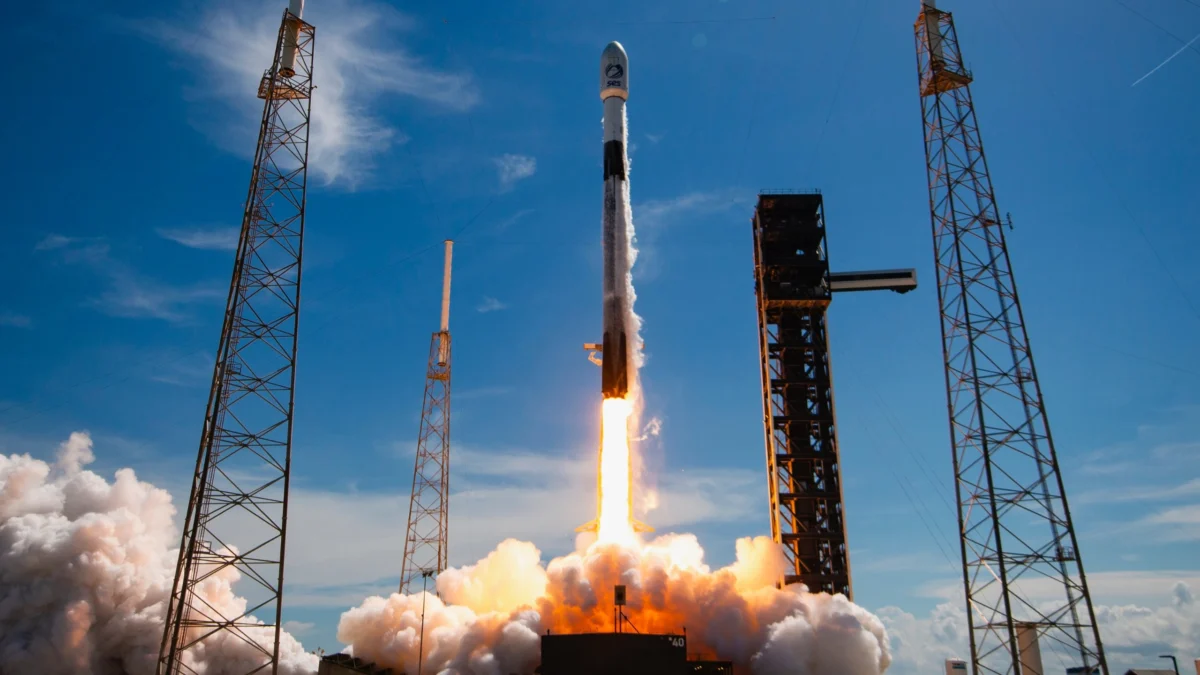
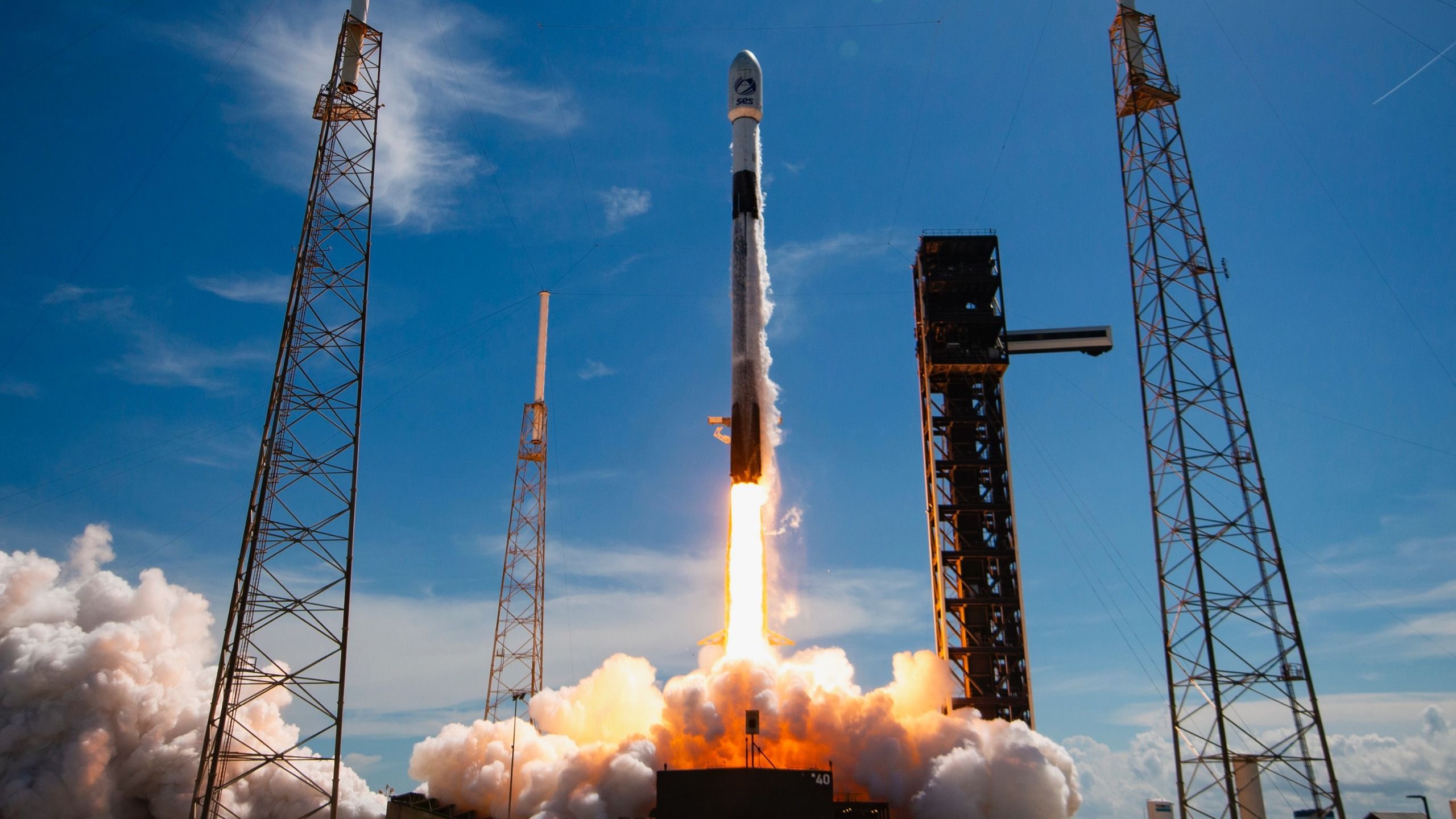
CAPE CANAVERAL, Fla. — In a display of operational cadence that has become the hallmark of the modern space age, SpaceX successfully launched a Falcon 9 rocket on September 13, 2026, delivering the final three satellites of the O3b mPOWER constellation to orbit. The mission, which lifted off from the Cape Canaveral Space Force Station at 2:49 p.m. EDT, serves as a poignant milestone for the Elon Musk-led aerospace giant, representing the 700th successful mission for the Falcon rocket family.
As the mission concluded with the precision deployment of the Boeing-manufactured hardware, industry analysts noted that this launch was not merely a routine logistics operation; it was a testament to two decades of iterative engineering that has fundamentally reshaped the global launch market.
The Milestone: Seven Hundred Flights of the Falcon
The journey to 700 missions began in March 2006 with the inaugural flight of the Falcon 1—a small, expendable launch vehicle that struggled through early failures before achieving orbit in 2008. From those humble beginnings, SpaceX transitioned into the Falcon 9, a workhorse that has redefined reusability and flight frequency.
While the Falcon 1 completed only five missions, the Falcon 9 has carried the weight of the company’s success, supported by the occasional heavy-lift capability of the Falcon Heavy. To date, the Falcon 9 has executed the vast majority of these 700 flights, demonstrating a reliability rate that has made it the primary choice for government, military, and commercial payloads alike.
For the September 13 mission, the task fell to booster B1080, a seasoned veteran of the fleet. Marking its 29th flight, the booster performed a flawless ascent before separating from the upper stage. Nine minutes after liftoff, it descended through the atmosphere to touch down on the SpaceX drone ship, A Shortfall of Gravitas, stationed in the Atlantic Ocean. This recovery underscores the economic viability of the program, as SpaceX continues to push the boundaries of how many times a single first-stage booster can be safely reused.
Chronology of the Mission
The launch sequence proceeded with the rhythmic precision that characterizes contemporary SpaceX operations.
- T-Minus 0 (2:49 p.m. EDT): The nine Merlin 1D engines of the Falcon 9 ignited, lifting the vehicle off Pad 40 at Cape Canaveral.
- T-Plus 2:30: Main Engine Cutoff (MECO) occurred, followed by stage separation. The first stage began its return-to-Earth trajectory, while the second stage’s single vacuum-optimized Merlin engine ignited to push the payload toward Medium Earth Orbit (MEO).
- T-Plus 9:00: Booster B1080 landed vertically on the drone ship, completing its 29th successful recovery.
- T-Plus 33:30: The upper stage began the deployment sequence. Over the course of 14 minutes, the three Boeing-built O3b mPOWER satellites were released into their target orbit at an altitude of approximately 5,000 miles (8,000 kilometers).
The successful deployment concluded a multi-year campaign to populate the O3b mPOWER constellation, a project that has spanned six separate Falcon 9 launches since the initial deployment in December 2022.
Supporting Data: The O3b mPOWER Ecosystem
The O3b mPOWER constellation is the brainchild of Luxembourg-based satellite operator SES. Unlike Low Earth Orbit (LEO) constellations that rely on massive numbers of small satellites, the O3b mPOWER system utilizes high-throughput satellites in Medium Earth Orbit to provide a different class of connectivity.
Each of the satellites launched on September 13 weighs approximately 3,750 pounds (1,700 kilograms). Designed by Boeing, these spacecraft are “software-defined,” meaning their beam-forming capabilities can be adjusted in real-time to meet shifting regional bandwidth demands. By completing the 13-satellite constellation, SES now possesses a global network capable of delivering high-speed, low-latency broadband to cruise lines, remote government installations, and telecommunications providers in underserved regions.
The technical specifications of the constellation are designed to bridge the gap between traditional geostationary satellites and the rapid, transient nature of LEO networks. By operating in MEO, the satellites maintain a broader field of view while offering lower latency than their high-orbit predecessors, ensuring that sectors such as maritime and aviation can maintain mission-critical connectivity where traditional fiber or cellular infrastructure is non-existent.
Official Perspectives and Corporate Strategy
In statements released following the successful deployment, SES officials emphasized the transformational nature of the completed constellation. "It transforms how networks operate by pairing advanced software-defined satellites with an intelligent ground and software ecosystem," the company stated.
The integration of these final three satellites is expected to stabilize the network’s capacity, providing what the company calls "guaranteed performance" in an era where global data consumption is surging. For Boeing, the successful delivery of these satellites represents a significant win in their space manufacturing division, showcasing their ability to produce highly complex, high-power assets for the commercial market.
For SpaceX, the mission serves as a data point in a record-breaking year. With 107 orbital missions already under its belt in 2026, the company is operating at an unprecedented tempo. The Falcon 9 has accounted for 105 of these flights, with the Falcon Heavy handling two heavy-lift missions.
Broader Implications for the Launch Industry
The 700th flight of the Falcon family serves as a marker for the "New Space" era. The transition from the era of expendable rockets to the era of rapid, reusable launch vehicles has effectively lowered the cost of access to space, allowing for the deployment of constellations that were financially unfeasible just a decade ago.
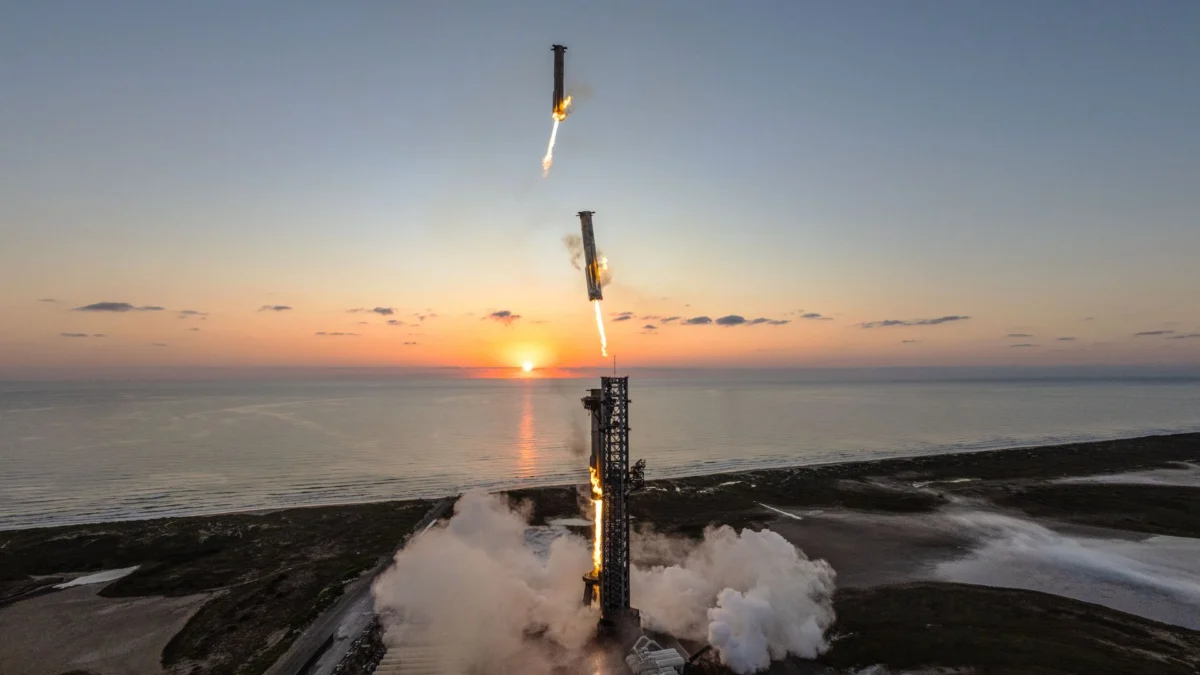
However, the industry is already looking toward the next phase of evolution. While the Falcon 9 remains the primary vehicle for current logistics, SpaceX’s focus is increasingly shifting toward the Starship megarocket. With two suborbital test flights already completed in 2026, the company is preparing for a third mission that is widely anticipated to reach orbital velocity.
The Path Forward
The implications of the successful O3b mPOWER completion are twofold:
- Network Maturity: With the constellation now complete, the focus for SES shifts from deployment to service optimization. The ability to dynamically reallocate satellite capacity is expected to create a "bandwidth-on-demand" market for high-value enterprise users.
- Launch Dominance: The 700th mission milestone highlights the sheer dominance of the Falcon architecture. As competitors attempt to replicate the reusability model, SpaceX continues to widen the gap through sheer flight cadence and hardware reliability.
As the industry reflects on this milestone, it is clear that the partnership between satellite manufacturers like Boeing and launch providers like SpaceX has created an infrastructure that is essential to the modern global economy. Whether for disaster response, global defense, or the simple demand for ubiquitous high-speed internet, the infrastructure launched on September 13 represents the next generation of space-based utility.
As for SpaceX, the company shows no signs of slowing down. With a busy manifest for the remainder of the year and the looming operational debut of the Starship vehicle, the 700th mission is likely to be viewed in historical retrospect not as a pinnacle, but as the end of a formative chapter in the company’s trajectory toward interplanetary capability.
Michael Wall is the Spaceflight and Tech Editor for Space.com. He has covered the evolution of the private space sector since 2010, reporting on everything from the early days of Falcon 9 testing to the modern era of orbital mega-constellations.