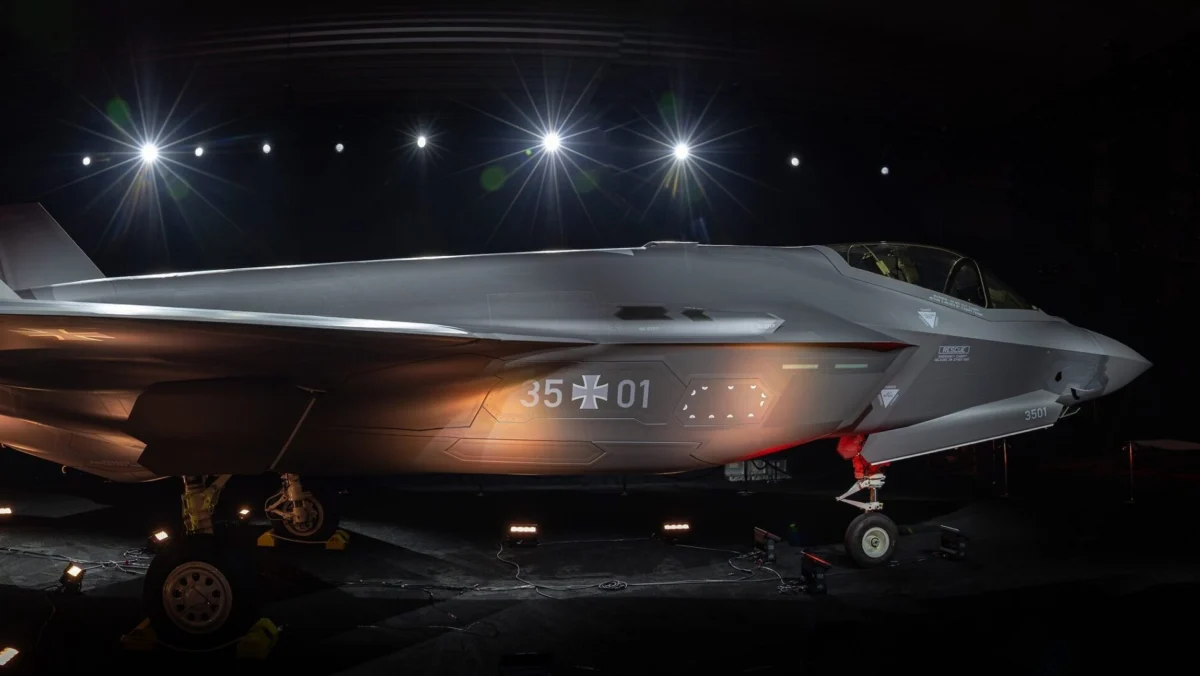
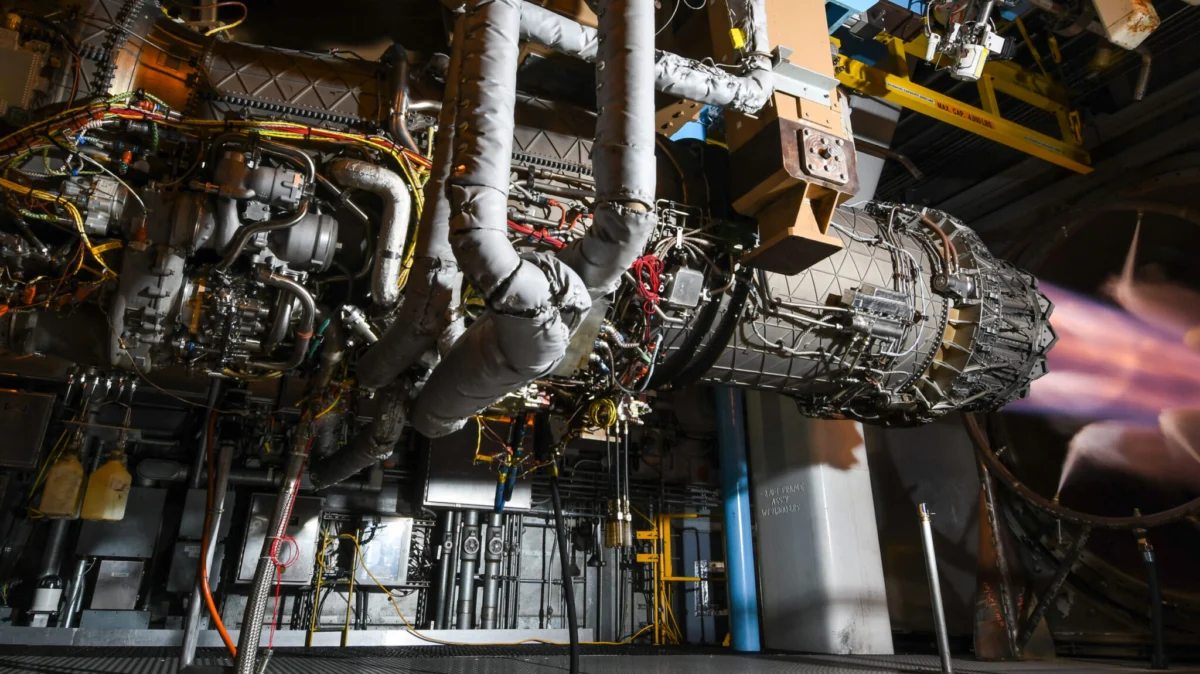
NATIONAL HARBOR, Md. — The backbone of the United States’ fifth-generation air superiority fleet, the F-35 Lightning II, is officially one step closer to receiving a long-awaited propulsion enhancement. Pratt & Whitney, the primary engine manufacturer for the F-35, announced this week that its Engine Core Upgrade (ECU) program for the F135 powerplant has successfully passed a rigorous risk reduction design review.
This milestone marks a pivotal transition point for the program, signaling to the Pentagon and the global coalition of F-35 operators that the engineering behind the upgrade is mature, integration-ready, and prepared for the industrial scaling required to support the next phase of the aircraft’s lifecycle.

The Technical Significance of the Design Review
For the defense industry, a "risk reduction design review" is a critical gate. It serves as a formal validation that the proposed system—in this case, the ECU—will meet all performance requirements while remaining within the structural and power constraints of the existing airframe.
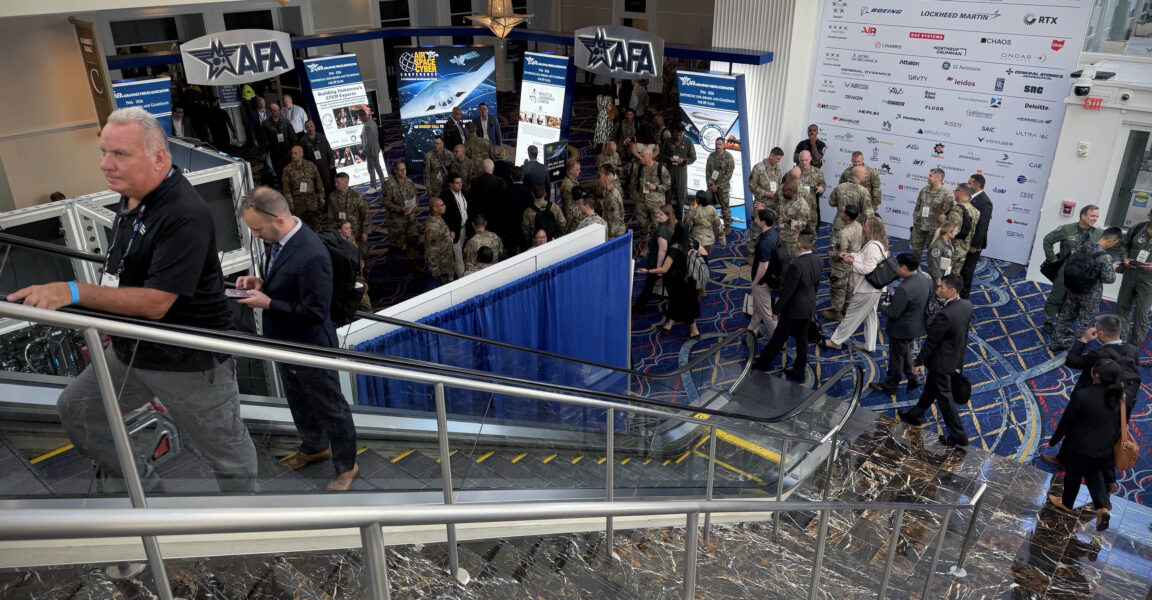
Jill Albertelli, president of Pratt & Whitney’s military engines business, highlighted the gravity of this achievement during an interview at the Air and Space Forces Association (AFA) conference.
"It means that we’ve been working integration work with the airframe. It means that the design is solid. It means that we’re ready to move forward from an industrial base as well," Albertelli stated.
The ECU is designed to address the F135 engine’s thermal management limitations, which have been exacerbated by the addition of increasingly power-hungry sensors and advanced electronics associated with the F-35’s "Block 4" modernization package. By upgrading the engine core, the Air Force, Navy, and Marine Corps aim to restore the engine’s service life, improve fuel efficiency, and provide the increased thrust necessary to sustain the F-35’s combat relevance against emerging peer-level threats.
A Chronology of the F-35 Propulsion Saga
The path to the current ECU milestone has been marked by shifting strategies and intense debate regarding the future of fighter propulsion.
- Early 2020s: As the F-35 platform matured, the Pentagon began identifying a "thermal cooling gap." The aircraft’s advanced avionics were generating more heat than the original F135 engine could dissipate, leading to accelerated engine wear and increased maintenance requirements.
- 2022-2023: Pratt & Whitney and its competitor, GE Aerospace, engaged in a high-stakes competition. The Pentagon evaluated two paths: the ECU (an incremental upgrade to the existing F135) versus the AETP (Adaptive Engine Transition Program), which would have involved developing an entirely new, variable-cycle engine.
- March 2024: The Department of Defense officially opted against a full-scale engine replacement, favoring the ECU as the more cost-effective and faster route to addressing the thermal management issues.
- September 2024: The U.S. government issued a $1.3 billion base contract to Pratt & Whitney to initiate the development of the ECU.
- August 2026: The Pentagon awarded a $240.8 million modification to the contract, signaling the acceleration of the program’s development phase.
- September 2026: Pratt & Whitney officially clears the risk reduction design review, setting the stage for hardware manufacturing.
Supporting Data: Efficiency and Economic Impact
The decision to pursue the ECU rather than a clean-sheet engine design was driven largely by economic data. According to internal projections provided by Pratt & Whitney, the ECU is expected to yield massive long-term dividends for the taxpayer.
Albertelli noted that the upgrade is projected to save "tens of billions of dollars" in maintenance costs over the lifetime of the F-35 fleet. These savings stem from increased durability; by improving the thermal efficiency of the core, the engine runs cooler, which significantly extends the time between required overhauls.
Furthermore, the ECU is designed to be a "drop-in" solution. Because it utilizes the existing F135 outer casing and architecture, the retrofit process is significantly less complex than installing an entirely new engine type. This commonality ensures that all three variants of the F-35—the A (conventional takeoff and landing), B (short takeoff and vertical landing), and C (carrier-based)—can benefit from the upgrade without requiring massive structural redesigns of the aircraft themselves.
Official Responses and Industry Outlook
The transition into the next phase of the program is not without its critics, particularly regarding the timeline. While early projections once suggested an "in-service" date as early as 2028, recent audits by the Government Accountability Office (GAO) have painted a more conservative picture, citing potential delays in the broader Block 4 software and hardware integration. Current estimates suggest that mass production of the ECU may not fully ramp up until 2031.
When pressed on these timelines, Albertelli maintained a pragmatic stance. "We always want to make sure we are giving the customer what they’re prioritizing," she said, acknowledging the reality of the federal budget. "Funding isn’t unlimited, so we have to balance those equations on what the need is."
She emphasized that Pratt & Whitney remains in lockstep with the F-35 Joint Program Office (JPO), and that the company is hitting every government-mandated milestone to date. For the company, the focus is now on the "in-process" manufacturing phase, where approximately one-third of the unique hardware for the initial test engines is currently being fabricated.
Implications for Future Warfare
The F-35 is intended to be the premier multi-role fighter for the U.S. and its allies through the 2070s. As such, the engine is not merely a component; it is the enabler of the aircraft’s entire mission suite.

1. Sustaining Block 4 Modernization
The Block 4 upgrade package will introduce new, highly sophisticated sensors and electronic warfare capabilities that demand significant electrical power and cooling. Without the ECU, the F-35 would likely have been forced to throttle back its mission systems to prevent engine overheating, effectively neutering its primary advantage in a high-threat environment.
2. Global Fleet Interoperability
Because the ECU is a standardized upgrade, it simplifies the supply chain for the massive international coalition of F-35 partners. Maintaining a common engine core across the global fleet ensures that spare parts, maintenance procedures, and logistics remain consistent, regardless of which nation is operating the jet.

3. A Precursor to Future Tech
While the ECU is an upgrade to an existing system, the lessons learned during its development are feeding into the development of sixth-generation propulsion technologies. The ability to integrate advanced thermal management systems into an existing, high-performance engine serves as a testbed for the next generation of combat aviation.
Conclusion: A Measured Path Forward
As Pratt & Whitney moves from design reviews to physical engine testing—expected to commence in 2027—the focus shifts to the reliability of the new components. While flight testing is not slated to begin until approximately 2030, the successful completion of the design review provides the Department of Defense with the assurance that the F-35’s propulsion issues are being systematically resolved.

In a theater of operations that is increasingly defined by speed, stealth, and electronic dominance, the F135 Engine Core Upgrade represents the "quiet" work of modern defense: the essential, behind-the-scenes engineering that keeps the world’s most advanced fighter fleet flying, fighting, and winning. As the industry watches the first test engines take shape, the message from the AFA conference in National Harbor is clear: the F-35 is getting the power boost it needs to stay ahead of the curve.