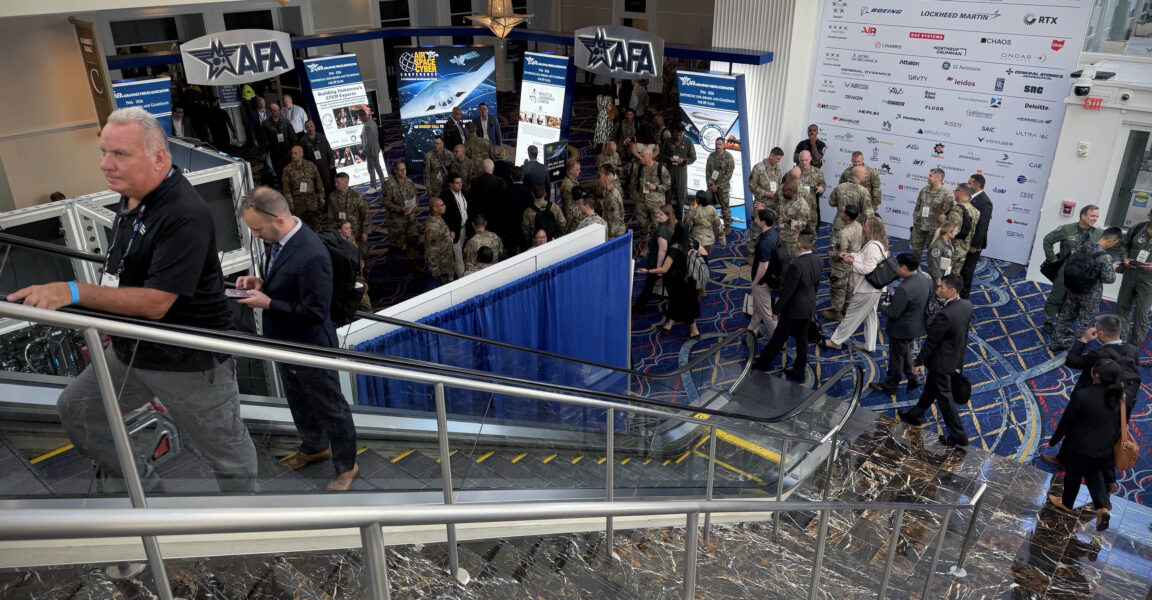
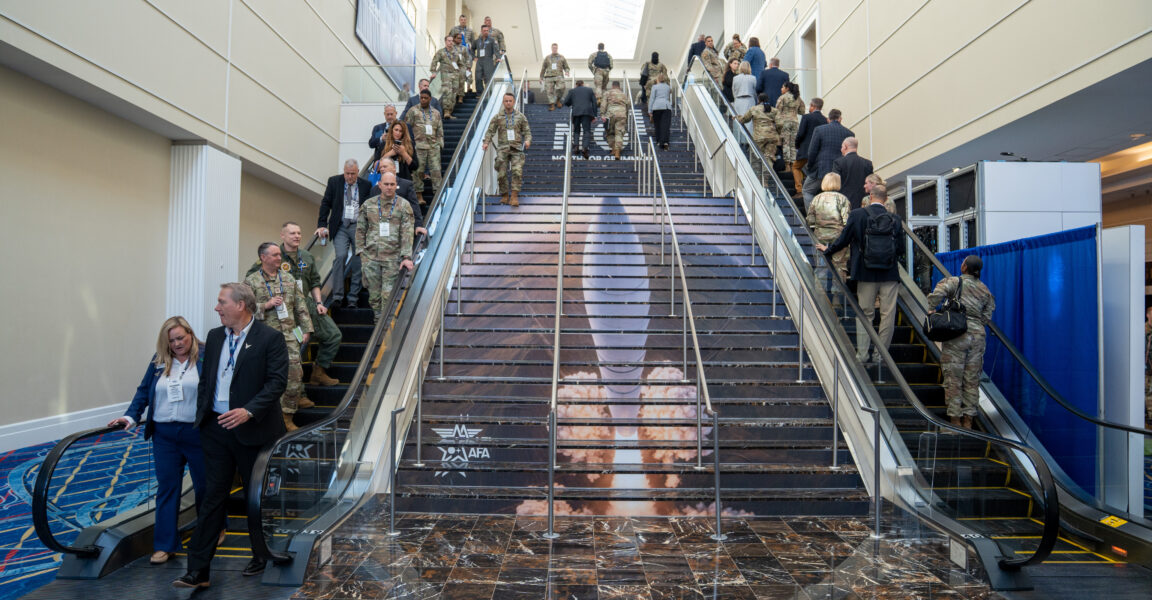
NATIONAL HARBOR, Md. — In a significant leap for U.S. military surveillance capabilities, the U.S. Space Force has officially unveiled the name and development timeline for its highly anticipated orbital tracking program. During the Air & Space Forces Association (AFA) conference, Space Force Lt. Gen. Gregory Gagnon confirmed that the "Resilient Radar System-Ground" (RRS-G) is currently in development and slated for its first orbital deployments within the next two years.

This announcement marks a critical milestone in the Pentagon’s broader strategy to migrate intelligence, surveillance, and reconnaissance (ISR) missions from traditional manned and unmanned aircraft to a distributed, resilient network of satellites.
The Evolution of the Mission: From Sky to Space
For decades, the Ground Moving Target Indicator (GMTI) mission—the ability to track vehicles, ships, and other moving objects on the Earth’s surface—has been the exclusive domain of airborne platforms like the E-8C JSTARS or various unmanned aerial vehicles (UAVs). While highly effective, these assets are inherently vulnerable to modern integrated air defense systems (IADS) and have limited persistence over contested areas.
The transition to space-based GMTI represents a shift toward "persistent awareness." By utilizing a constellation of satellites, the Space Force aims to provide continuous, high-fidelity tracking of ground movements globally, regardless of enemy air defenses.
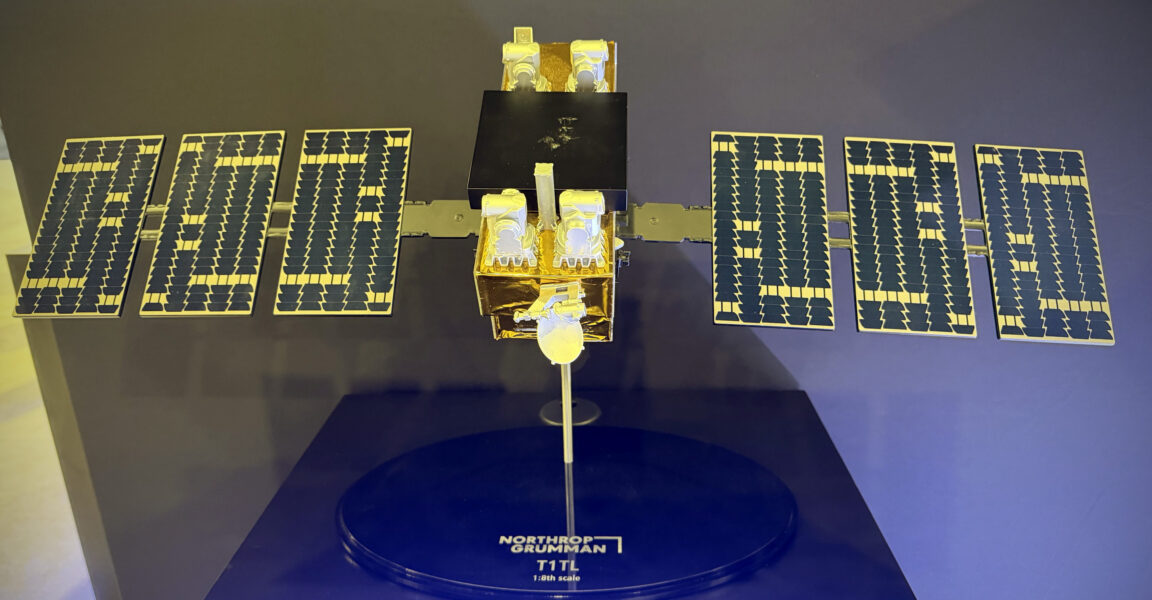
Lt. Gen. Gagnon, commander of the Space Force’s Combat Forces Command, emphasized that the RRS-G program is not merely a theoretical concept but an active, funded, and hardware-focused initiative. The program is being spearheaded by industry giant Northrop Grumman, marking the first time the Pentagon has publicly linked the contractor to this specific orbital radar effort.
Chronology of Development
The path to RRS-G has been defined by years of iterative policy and budget adjustments:
- Pre-2025: The Pentagon identified a critical capability gap, recognizing that relying on aircraft for ground tracking was unsustainable in a near-peer conflict environment.
- March 2025: The Space Force initiated pilot contracts with four commercial firms to explore Space Domain Awareness (SDA), setting the stage for the Commercial Augmentation Space Reserve (CASR) framework.
- May 2026: The Space Force awarded a multi-billion dollar contract to SpaceX to accelerate the development of the Airborne Moving Target Indicator (AMTI) constellation, which aims to track aerial targets from orbit.
- August 2026: The service formally activated the 77th Surveillance Squadron, the first dedicated "space-based sensing and tracking unit," specifically tasked with operationalizing the RRS-G mission.
- September 2026 (Current): Official confirmation at the AFA conference that RRS-G launches are scheduled to commence within the next 24 months.
Supporting Data and Financial Commitments
The scale of this transition is reflected in the Space Force’s fiscal year 2027 budget request. The service has proposed a robust funding structure to ensure the success of both the GMTI and AMTI missions:
- GMTI Procurement: The baseline FY27 request allocates $1.02 billion specifically for the acquisition of RRS-G hardware and associated infrastructure.
- AMTI Funding: In a separate, larger request, the service is seeking over $7 billion in reconciliation funds to build out the AMTI constellation, which is intended to detect and track airborne threats.
- Research and Development: To bridge the gap between initial prototyping and full-scale deployment, the Space Force has requested approximately $1.1 billion in combined R&D funding.
These figures underscore the high priority the Pentagon places on space-based sensing. By combining baseline and reconciliation funds, the Space Force is attempting to bypass the slow procurement cycles that have historically hampered space programs.
The Role of the 77th Surveillance Squadron
The activation of the 77th Surveillance Squadron is perhaps the most tangible sign of progress. Based within the Space Force’s Combat Forces Command, the unit is not just a bureaucratic addition; it is the operational backbone for the incoming RRS-G constellation.
"We stood up this unit to start the process of ground moving target indicator missions, which is from the RRS-G constellation," Lt. Gen. Gagnon told reporters. The squadron’s primary mandate is to integrate raw radar data from the RRS-G satellites into a format that can be immediately utilized by theater commanders. By moving the processing and exploitation of this data closer to the "tip of the spear," the Space Force aims to reduce the "sensor-to-shooter" timeline significantly.

CASR: Leveraging Commercial Partnerships
Beyond the RRS-G program, the Space Force is aggressively expanding its reliance on commercial innovation through the Commercial Augmentation Space Reserve (CASR). Col. Timothy Trimailo, head of the Space Force’s Commercial Space Office, clarified that the service is on the verge of awarding contracts for operational Space Domain Awareness (SDA) services.

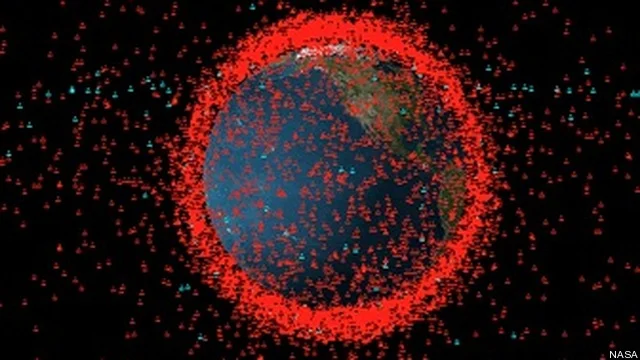
SDA is the process of tracking objects in orbit, from satellites to space debris, and determining the intent of those objects. By using CASR to "buy by the drink"—contracting commercial companies to provide data rather than owning all the hardware—the Space Force hopes to achieve a more resilient and scalable architecture.
"We’re trying to get some momentum here, and we are going to deliver operational capability through these contracts," Col. Trimailo stated during an AFA roundtable. While SDA is the first mission area for CASR, the office is already evaluating a "wide range of missions" that could be transitioned to this commercial-military hybrid model.
Strategic Implications
The shift toward space-based GMTI and AMTI will fundamentally change the nature of modern warfare. Several key implications emerge from the current progress:
1. Neutralizing Anti-Access/Area-Denial (A2/AD)
Enemy A2/AD strategies rely heavily on creating "no-go zones" for American aircraft. By moving the radar sensors into orbit, the U.S. military removes the need to risk manned aircraft to maintain a "god’s eye view" of the battlefield. This effectively forces adversaries to account for a permanent, high-altitude surveillance presence that cannot be shot down by standard surface-to-air missiles.
2. Global Persistence
Unlike aircraft, which must rotate back to base for fuel, maintenance, and crew rest, a properly phased satellite constellation can provide 24/7 global coverage. This creates a "persistent stare" capability, ensuring that high-value mobile targets—such as mobile missile launchers or naval task forces—cannot hide by simply waiting for a satellite to pass over or an aircraft to return to base.
3. Integration and Data Fusion
The true power of RRS-G and AMTI lies in their integration with existing JADC2 (Joint All-Domain Command and Control) systems. The ability to automatically correlate ground movements with aerial threats in real-time will provide theater commanders with an unprecedented level of situational awareness.

Challenges Ahead
Despite the optimism surrounding the RRS-G and AMTI programs, significant hurdles remain. The Space Force must address:
- Data Overload: The volume of data generated by an orbital radar constellation will be massive. Developing the AI-driven processing tools to distill this into actionable intelligence is a monumental software challenge.
- Cybersecurity: As the military becomes more reliant on satellite data, the security of the downlink and the satellites themselves becomes a prime target for cyber-warfare and electronic jamming.
- Launch Cadence: To achieve the desired resilience, the Space Force must maintain a steady, high-frequency launch cadence. Any delay in the industrial base’s ability to produce the satellites could create critical gaps in the constellation.
Conclusion
The announcement of the Resilient Radar System-Ground marks the end of an era of uncertainty for the Space Force’s GMTI program. With a clear program name, an identified contractor, and an operational unit already in place, the service is moving into a phase of rapid implementation.
As the Space Force continues to integrate commercial capabilities through CASR and matures its in-house sensing units, the battlefield of the future will be defined by the clarity and persistence provided by these orbital systems. Whether this technological shift will successfully deter adversaries or lead to a new arms race in space remains to be seen, but for now, the path forward is clearly set for a 2028 operational target.