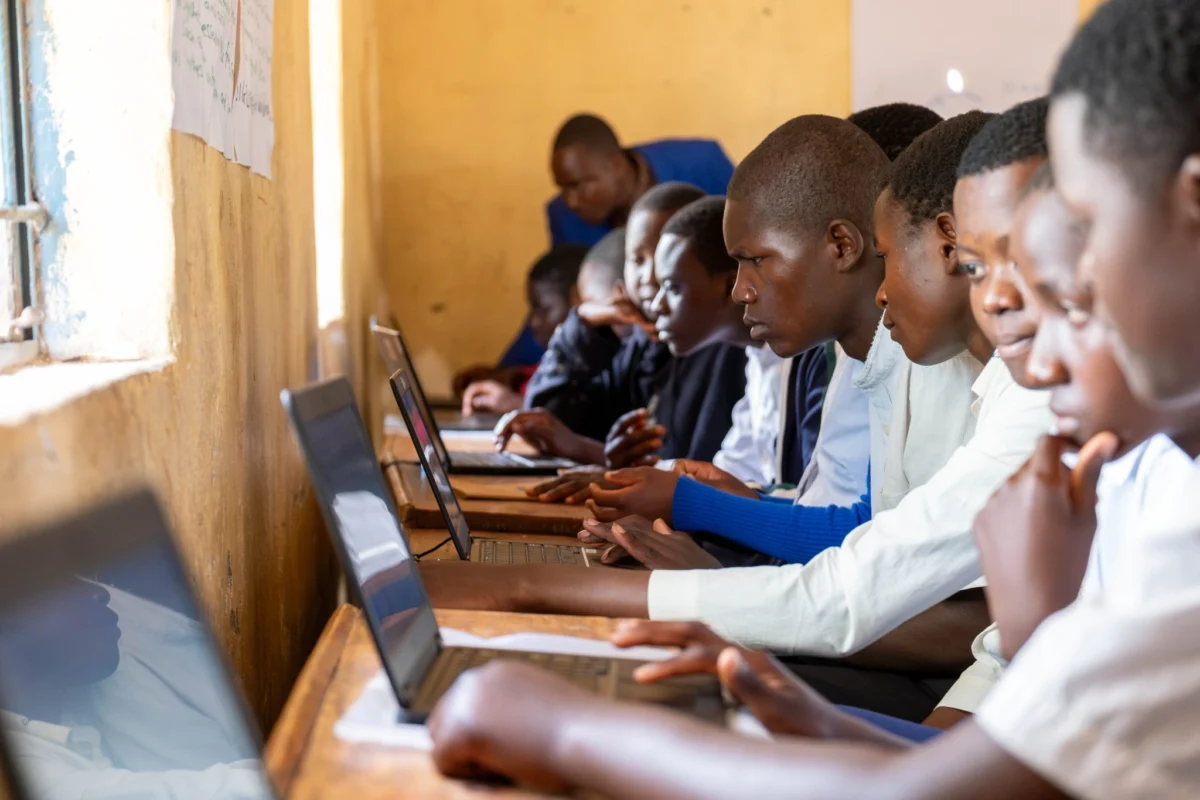
In a landmark move to reshape the educational landscape across the African continent, telecommunications infrastructure giant Helios Towers has announced a transformative, multi-year partnership with UNICEF. This collaboration is designed to tackle one of the most pressing developmental challenges of the 21st century: the digital divide that continues to isolate millions of children from the global knowledge economy. By leveraging Helios Towers’ extensive engineering expertise and operational footprint alongside UNICEF’s global mandate for child welfare, the partnership aims to provide the foundational connectivity required for modern digital education.
The initiative focuses on two core pillars of UNICEF’s global strategy: Giga and the Learning Passport. These programs represent a concerted effort to move beyond mere infrastructure deployment and toward the creation of sustainable, scalable ecosystems where technology serves as a bridge to opportunity rather than a barrier to access.
The Strategic Imperative: Why Connectivity Matters
Africa is currently home to the world’s youngest and fastest-growing population. Demographers estimate that by the turn of the century, eight out of every ten people born globally will be born on the African continent. This demographic shift presents both a profound opportunity and a significant challenge. To harness this "demographic dividend," the next generation must be equipped with the digital literacy and technical skills required to navigate an increasingly automated and globalized workforce.
However, the reality for many in underserved communities remains stark. Without reliable internet access, schools are cut off from the digital resources that have become the standard for education in developed nations. Helios Towers, a company deeply embedded in the telecommunications landscape of Africa and the Middle East, is uniquely positioned to bridge this gap. By utilizing its expertise in tower infrastructure and site management, the company intends to facilitate the "last mile" connectivity that is essential for bringing schools into the digital fold.
Chronology of the Initiative: From Vision to Implementation
The partnership, while officially announced as a multi-year commitment, is the culmination of long-standing efforts by both organizations to address regional connectivity gaps.
- Phase One: Mapping and Foundation: The initial stage involves the rigorous mapping of school connectivity. Through the Giga initiative—a joint project between UNICEF and the International Telecommunication Union (ITU)—the partnership will identify which schools currently lack internet access. This data-driven approach ensures that resources are allocated to the areas where they will have the maximum humanitarian and economic impact.
- Phase Two: Infrastructure Deployment: Helios Towers will deploy its technical teams to the Democratic Republic of Congo (DRC), Malawi, and Tanzania. These nations have been selected as the primary launchpads due to the company’s established market presence and the high level of existing need.
- Phase Three: Scaling and Expansion: Following the initial deployment in these three markets, the program is scheduled to expand to a fourth country in West Africa. This phase will focus on testing the scalability of the connectivity models to ensure they can be replicated across more challenging terrains and remote geographies.
- Phase Four: Integration with Learning Passport: As connectivity is established, the focus will shift to the deployment of the Learning Passport, ensuring that the infrastructure is not just present, but actively delivering high-quality, flexible, and portable digital curricula to students.
Supporting Data: The Giga and Learning Passport Frameworks
To understand the significance of this partnership, one must look at the specific mechanisms it supports.
The Giga Initiative
The goal of Giga is ambitious: to connect every school in the world to the internet by 2030. This is not merely about providing hardware; it involves a complex ecosystem of mapping, infrastructure financing, and public-private partnership. Helios Towers provides the vital "hard" infrastructure component—the towers, power systems, and technical maintenance—that allows internet service providers to deliver the actual signal to remote school sites.
The Learning Passport
The Learning Passport is a technological solution to a human problem. It is a portable digital platform that enables children to continue their education regardless of their circumstances. Critically, the platform is designed to function both online and offline. For a child in a rural village with intermittent internet access, the Learning Passport allows them to download lessons, complete coursework, and sync their progress when a connection becomes available. By expanding access to this tool, the Helios-UNICEF partnership is ensuring that education remains "unstoppable."
Official Perspectives: A Synergy of Expertise
The leadership behind this partnership views it as a milestone in corporate social responsibility (CSR) and institutional development.
Tom Greenwood, Chief Executive Officer of Helios Towers, emphasized the company’s unique perspective:
"Connectivity is a core enabler of education, social inclusion and long-term economic growth. As a mobile tower company operating across Africa and the Middle East, we see first-hand how access to reliable connectivity can transform communities. Our partnership with UNICEF reflects our commitment to expanding digital inclusion and helping connect the next generation to learning, skills and opportunity."
Philip Goodwin, Chief Executive Officer of UNICEF UK, highlighted the systemic nature of the collaboration:
"Digital connectivity is increasingly essential for learning, opportunity and helping children reach their full potential. Through partnerships like this, UNICEF is working with governments, communities and the private sector to remove barriers to education and build systems that enable children to learn, grow and thrive. We are grateful to Helios Towers for its commitment to expanding connectivity where the need is greatest."
Implications for the Future: Beyond the Classroom
The implications of this partnership extend far beyond the immediate goal of providing internet access to classrooms. By strengthening digital infrastructure, Helios Towers and UNICEF are essentially laying the groundwork for broader digital transformation in the affected regions.
1. Economic Empowerment
Reliable connectivity at schools often serves as an anchor for the surrounding community. Once a tower is optimized to provide high-speed access to a school, the peripheral benefits often include improved access for local health clinics, small businesses, and government services. This "anchor tenant" model is a proven strategy for making rural connectivity economically viable for private operators.
2. Resilience in Crisis
The COVID-19 pandemic served as a global wake-up call regarding the fragility of education systems. Regions with high levels of digital penetration were able to pivot to remote learning, while those without were left behind. This partnership aims to build a "future-proof" education system in Africa, ensuring that even in the face of future disruptions—be they health-related or environmental—learning can continue unabated.
3. Advancing the SDGs
The partnership aligns directly with the United Nations Sustainable Development Goals (SDGs), specifically Goal 4 (Quality Education) and Goal 9 (Industry, Innovation, and Infrastructure). By synchronizing the goals of a private sector entity with the humanitarian objectives of the UN, this initiative serves as a model for how global corporations can contribute to the attainment of the 2030 Agenda.
Challenges and the Path Forward
While the ambition is clear, the path forward is not without hurdles. Operating in the DRC, Malawi, and Tanzania requires navigating diverse regulatory environments, logistical complexities, and the inherent challenges of powering infrastructure in regions with limited grid connectivity. Helios Towers’ commitment to "high-growth markets" suggests that they are prepared to tackle these challenges by leveraging their existing operational knowledge.
Furthermore, the success of the initiative will depend on continued collaboration with local governments. Internet infrastructure is often subject to complex tax regimes and licensing requirements. By working with UNICEF, which has long-standing relationships with these governments, Helios Towers is well-positioned to navigate these bureaucratic layers and ensure that the project remains a priority for local policymakers.
Conclusion: A Blueprint for Development
The Helios Towers and UNICEF partnership is a testament to the fact that the digital divide is not insurmountable. It requires a combination of capital, technical engineering, and a long-term commitment to the social good. By treating internet access as a fundamental right for the next generation, this collaboration provides a compelling blueprint for how the private sector can engage in the development of Africa’s human capital.
As the project unfolds, the eyes of the international community will be on these pilot nations. If the partnership succeeds in creating a scalable, sustainable model for school connectivity, it will likely provide a template for other regions and sectors, proving that when the infrastructure of the future is built with the next generation in mind, the potential for progress is limitless. Through this initiative, the "unstoppable childhood" that UNICEF envisions is one step closer to reality—not just as an ideal, but as a tangible, connected future.