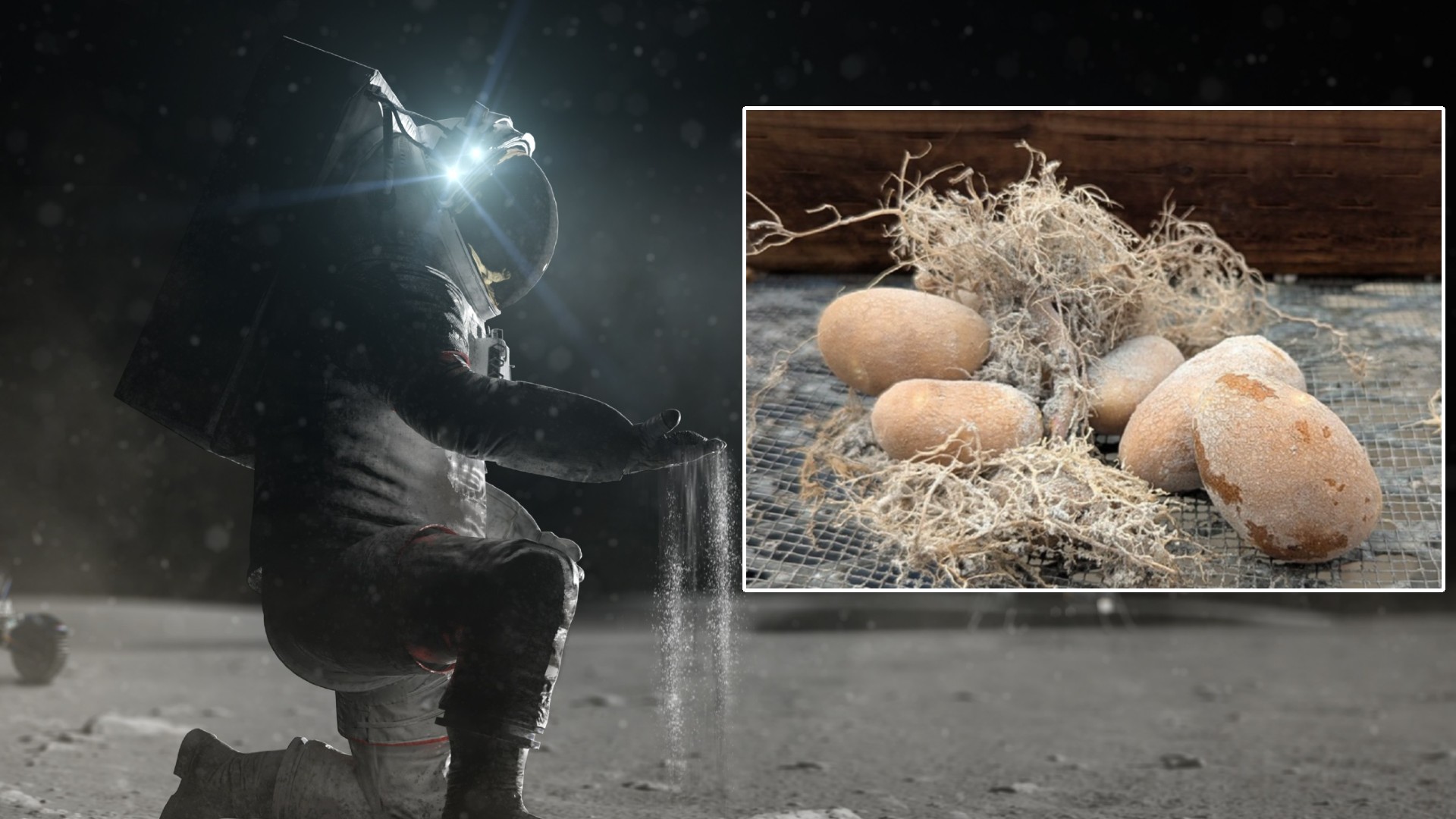
As NASA advances its Artemis program with the goal of establishing a permanent, sustainable human presence on the moon, the logistical challenge of feeding astronauts has shifted from a theoretical exercise to a critical engineering hurdle. If humanity is to thrive in lunar habitats, reliance on Earth-based resupply missions—which are prohibitively expensive and logistically complex—must be minimized. In a significant leap toward achieving true lunar self-sufficiency, a team of researchers from the College of Agricultural Sciences at Oregon State University (OSU) has successfully demonstrated that potatoes can complete their entire life cycle in simulated lunar soil.
This breakthrough, published on November 20 in the journal Microgravity, suggests that the "grey, dusty" landscape of the moon could, with the right organic intervention, provide the foundation for future extraterrestrial agriculture.
The Nutritional Challenge of Lunar Exploration
The dream of a moon base—a "lunar village" where scientists and explorers live for months or years at a time—hinges on the ability to cultivate food on-site. Shipping every calorie from Earth to the moon is not only a financial burden but a physical one, as every kilogram of payload consumes precious fuel and space on transport vehicles.
For decades, the concept of "in-situ resource utilization" (ISRU) has dominated the conversation regarding deep-space exploration. The idea is simple: use what is already there. While we have known for some time that lunar regolith—the loose, heterogeneous layer of dust and rock covering the moon’s surface—is chemically distinct from Earth’s fertile topsoil, scientists have struggled to bridge the gap between the two. Unlike Earth soil, which is rich in organic matter and microbial life, lunar regolith is sharp, abrasive, and largely devoid of the biological nutrients required for plant growth.
Chronology: From Concept to Harvest
The research conducted at Oregon State University represents a culmination of years of testing how biological systems react to the harsh, barren conditions of the lunar environment.
The Experimental Setup
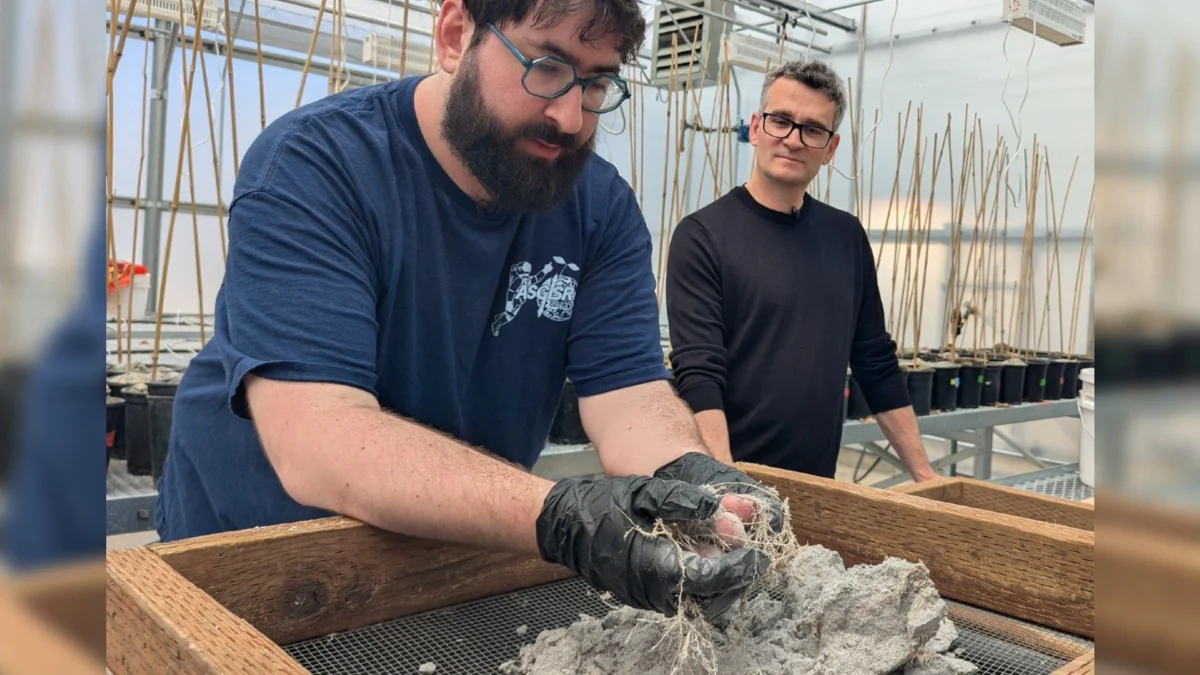
To simulate the lunar environment, the research team utilized five distinct types of materials designed to mimic the specific mineralogical composition of the moon’s surface. Because the moon is not uniform—containing varying geological regions like the lunar "mare" (dark, basaltic plains) and the lunar "highlands" (cratered, light-colored terrain)—the researchers needed to ensure their experiments accounted for these variations.
The "Secret Sauce"
The primary obstacle to growing plants in regolith is its lack of nitrogen and the presence of potentially toxic compounds. The OSU team hypothesized that the key to unlocking the potential of this dust was the addition of vermicompost—a nutrient-dense, organic soil produced by earthworms. By amending the simulated regolith with varying percentages of this compost, the researchers were able to create a "growth medium" capable of supporting life.
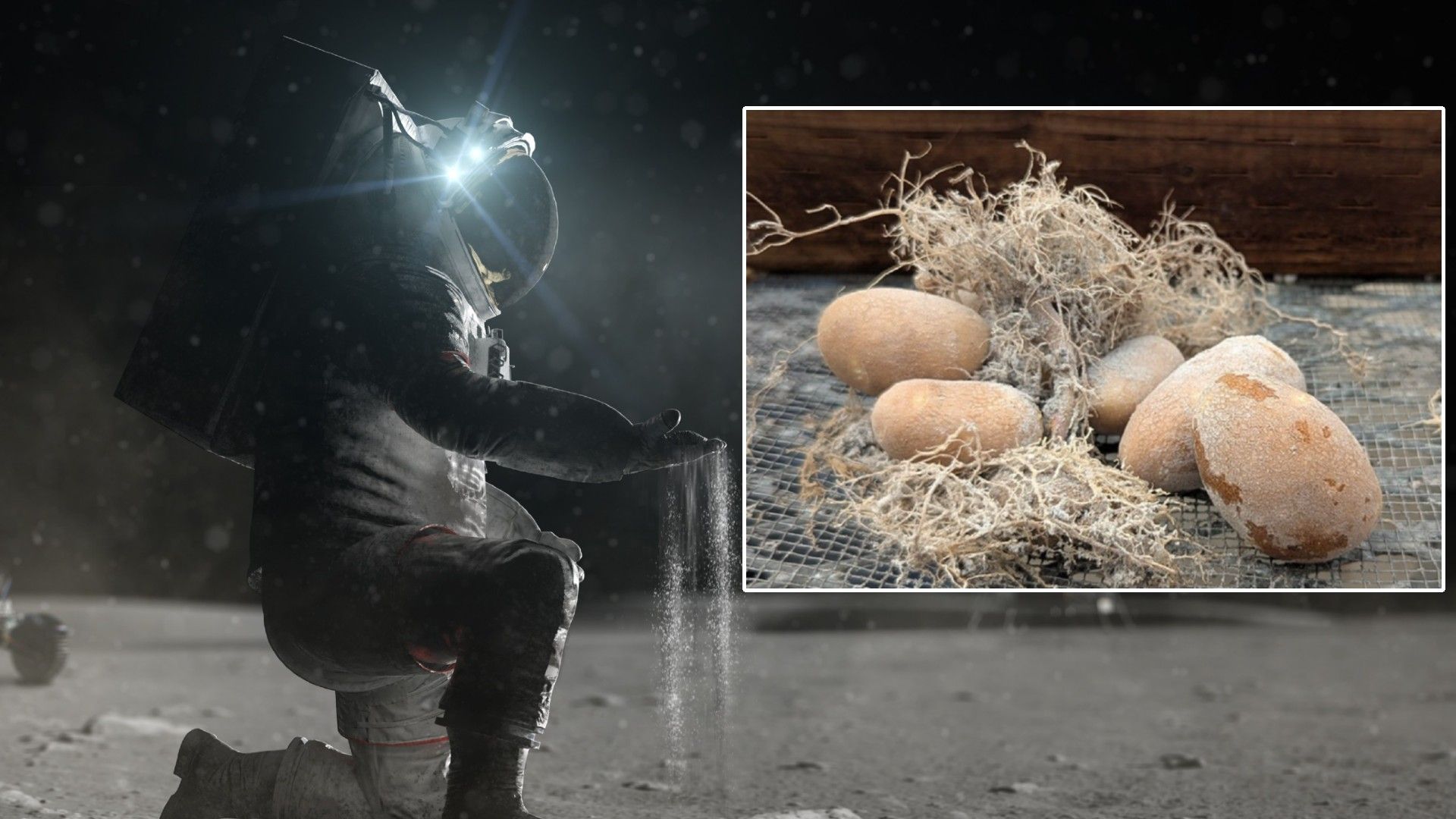
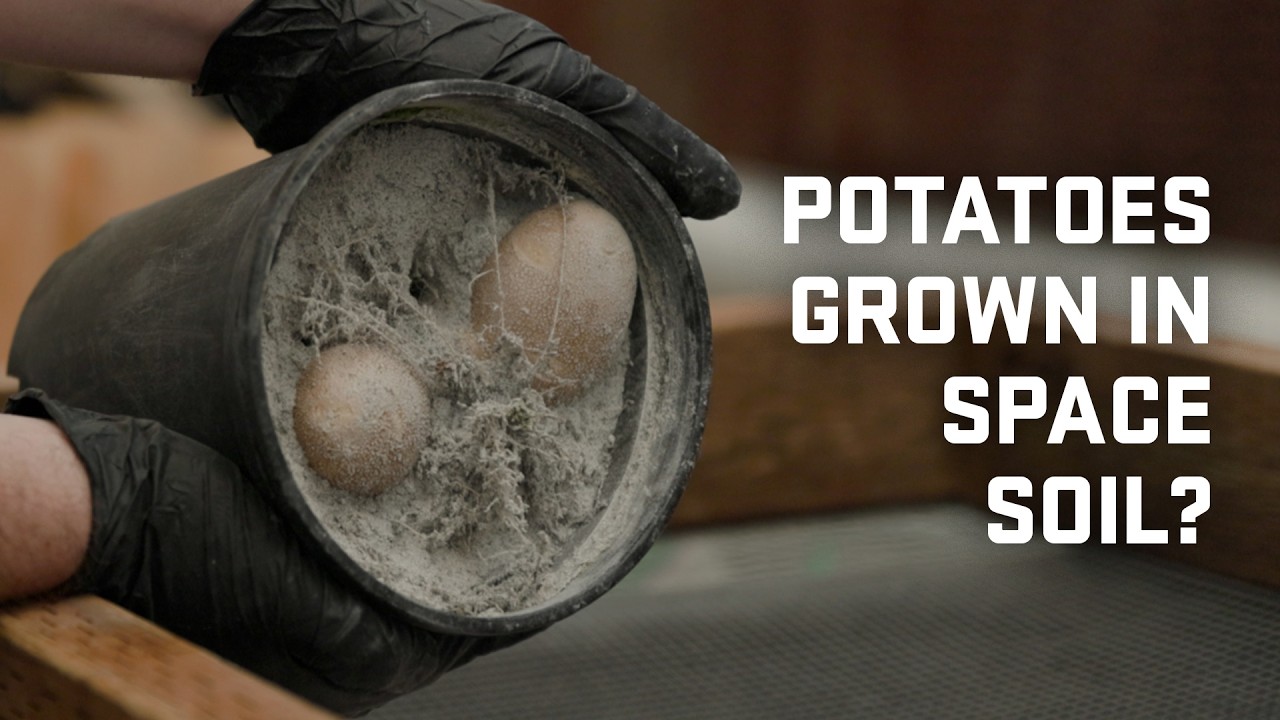
Through iterative testing, the team discovered that a mixture consisting of 30 percent vermicompost proved to be the "sweet spot." Potatoes grown in this specific concentration demonstrated growth patterns and yields remarkably similar to those cultivated in standard Earth soil.
Supporting Data: Why Potatoes?
Potatoes are an ideal candidate for space farming for several reasons: they are nutrient-dense, hardy, and highly efficient at converting calories per square meter. In the context of space, where every inch of pressurized, temperature-controlled habitat is expensive to maintain, crop density is paramount.
The OSU study provides empirical evidence that the plants were not merely surviving, but thriving. The researchers monitored the life cycle from initial sprouting to the development of tubers, ensuring that the simulated regolith did not inhibit the plants’ physiological functions. The data indicated that the vermicompost acted as a buffer, mitigating the toxicity often associated with raw, unprocessed mineral dust.
Official Responses and Expert Insight
"We found that potatoes can complete their entire life cycle in simulated lunar soil when supplemented with organic matter," said Aymeric Goyer, an associate professor in OSU’s Department of Botany and Plant Pathology, in a recent statement. "That’s an important step toward developing reliable food production systems that could support long-term human exploration of the moon."
David Handy, a postdoctoral researcher in Goyer’s laboratory, expanded on the chemical success of the experiment. "We believe the compost helps balance some of the toxicity we see in lunar regolith by reducing plant exposure to harmful compounds," Handy noted. By diluting the harsh, mineral-heavy nature of the regolith with organic biological material, the team successfully created an environment where plants could safely extract the necessary water and nutrients without succumbing to the chemical stress that usually stunts growth in lunar simulants.
Implications for Future Moon Bases
The success of this study carries profound implications for the future of the Artemis missions and beyond.
Reducing Payload Costs
If astronauts can bring a concentrated supply of organic "starter" material—essentially a dehydrated or compact form of compost—to mix with local regolith, they can drastically reduce the amount of food that must be hauled from Earth. This "add-water-and-mix" approach to gardening on the moon is a massive step forward in the quest to build sustainable lunar outposts.
Mitigation of Toxicity
One of the major fears regarding lunar colonization is the interaction between humans and the lunar environment. Regolith is jagged and potentially hazardous to the human respiratory system; it is also chemically inert or potentially caustic to plant roots. By successfully creating a buffer layer, the OSU team has shown that it is possible to "reclaim" the lunar surface for biological use, effectively neutralizing the threats posed by raw, untreated regolith.
A Gateway to Mars
While the moon is the current objective, the lessons learned from growing potatoes in lunar-like conditions are directly applicable to the next frontier: Mars. Martian soil, or regolith, also presents significant challenges, including perchlorates—salts that are toxic to humans and plants. Techniques developed to "remediate" lunar soil through organic amendment and composting are likely to form the blueprint for future "Greenhouses on Mars."
The Road Ahead
Despite these promising results, the researchers acknowledge that there is still much to learn. Future studies will need to look at how different varieties of potatoes respond to the specific, low-gravity environment of the moon, as well as the impact of radiation exposure on plant genetics and nutritional content. Furthermore, the cycle of sustainability must be closed—meaning that the waste from the astronauts and the dead plant matter must be recycled back into the vermicompost system to ensure that the lunar farm can operate for years, rather than just weeks.
The work led by Goyer and Handy serves as a critical proof-of-concept. It transforms the moon from a barren, desolate rock into a potential partner in human survival. As NASA prepares to send the first woman and the next man to the lunar surface under the Artemis program, the prospect of an astronaut sitting down to a dinner that was grown, nurtured, and harvested on the moon—in soil that was once thought to be dead—feels closer than ever.
The path to the stars, it turns out, may well be paved with potato fields. By turning lunar dust into life-sustaining soil, humanity is doing more than just conducting an experiment; we are laying the literal groundwork for a future where humans are no longer just visitors on the moon, but residents.