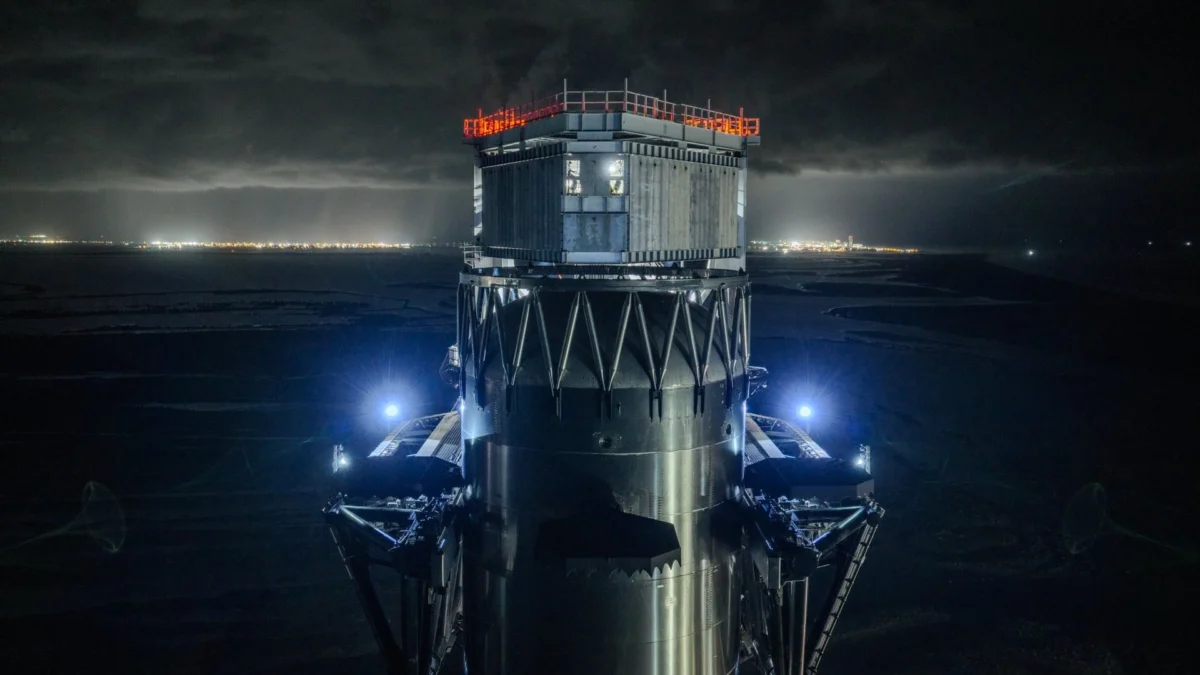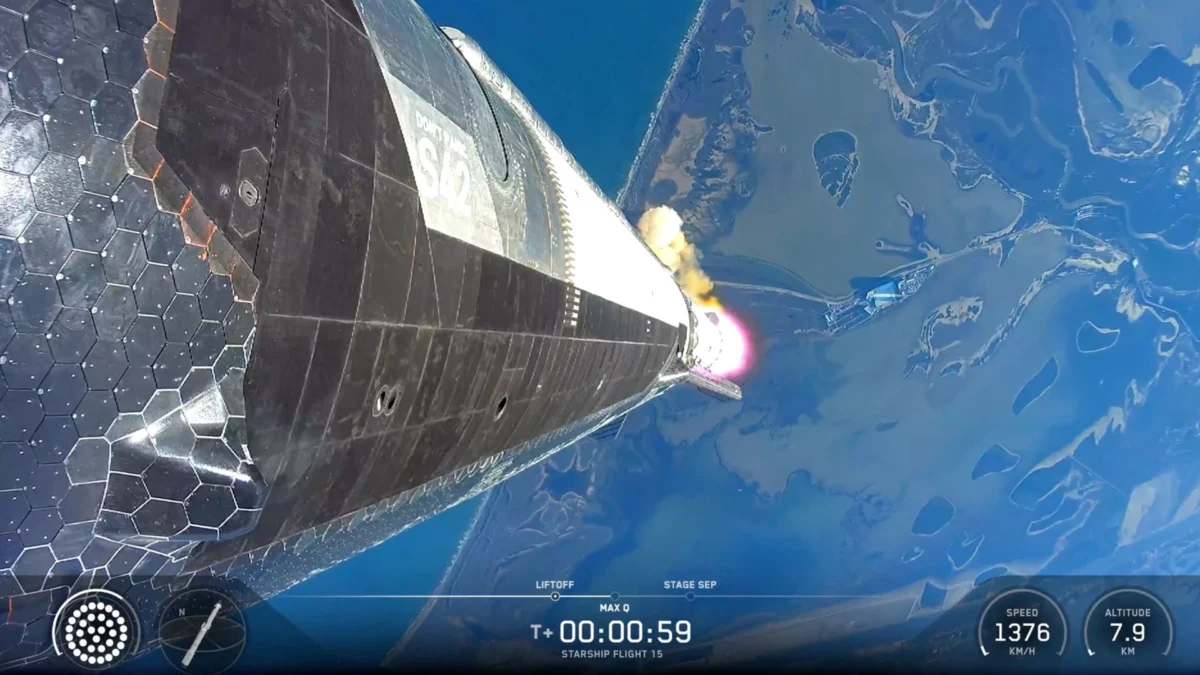
STARBASE, Texas — In a spectacular display of aerospace engineering, SpaceX successfully launched the 15th test flight of its Starship megarocket today, November 13, 2026. While the mission reached the critical milestone of delivering a new batch of advanced Starlink satellites to low Earth orbit (LEO), the aerospace community’s eyes are firmly fixed on the next 24 hours. For the first time in the history of the program, SpaceX is positioning the Starship upper stage—the "Ship"—for a high-stakes, inaugural return to the launch site, marking a pivotal moment in the quest for total, rapid reusability.
The Ascent: A Nominal Beginning
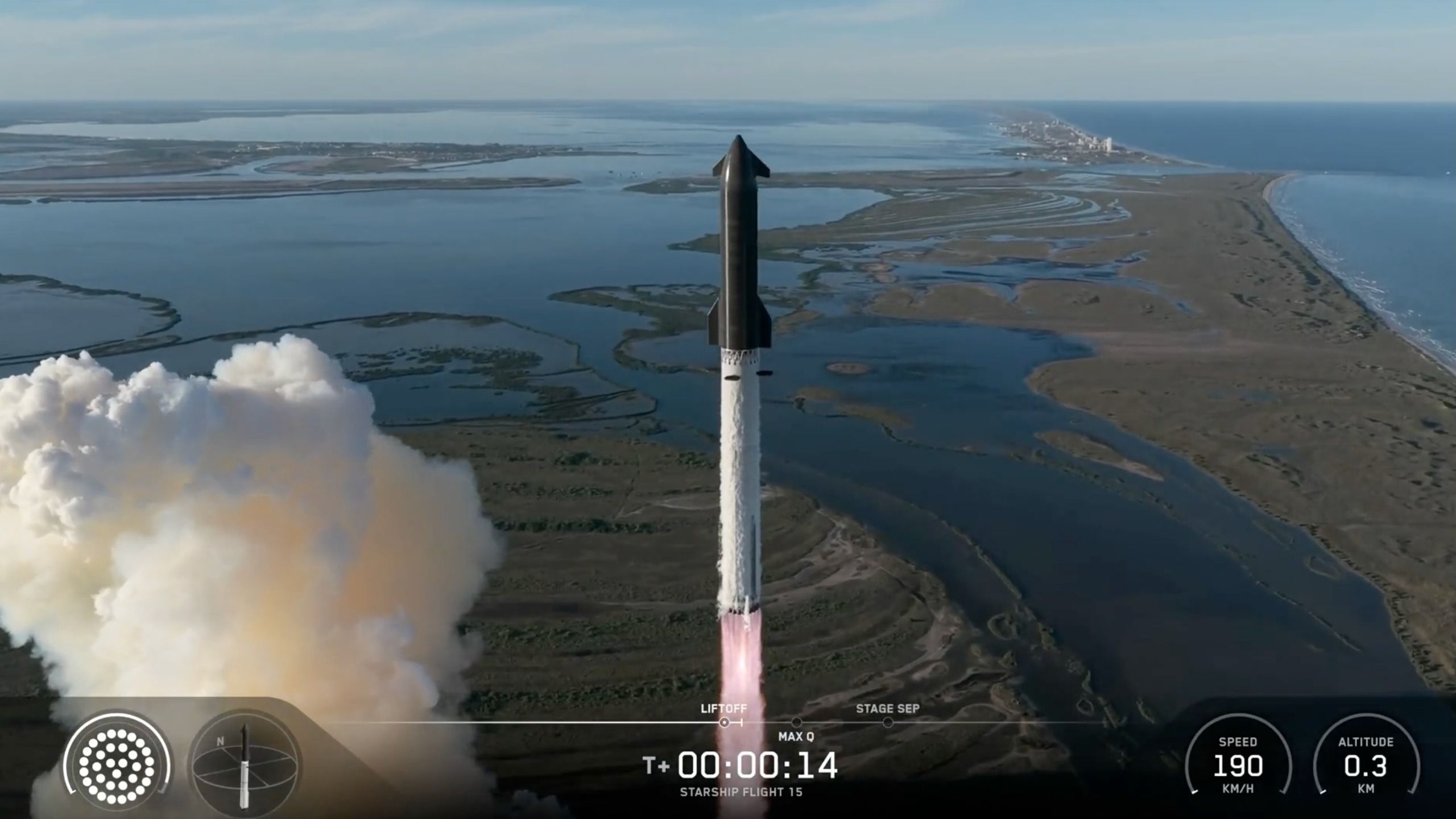
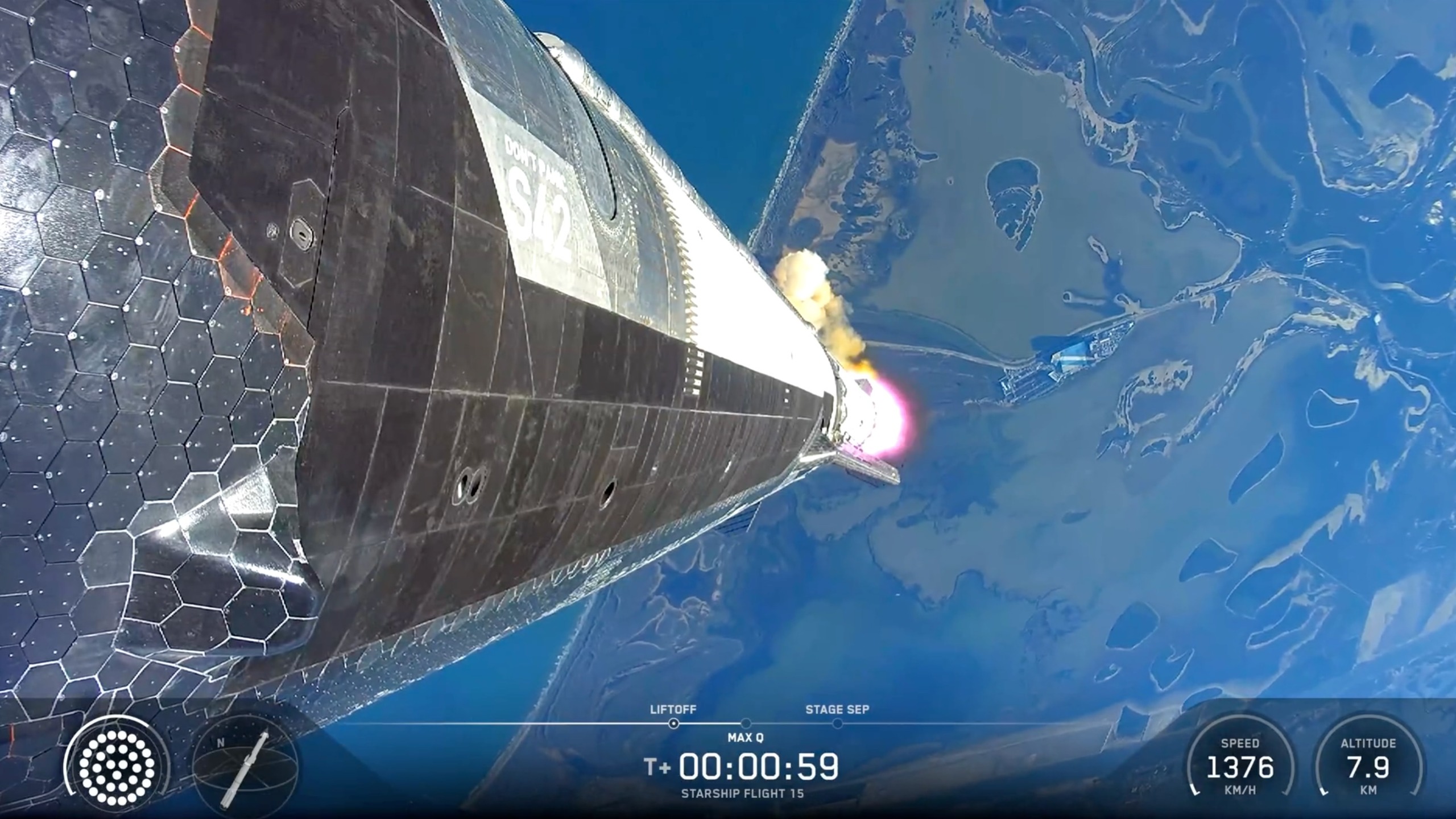
The mission commenced at 5:47 p.m. ET (2247 GMT) from the Starbase facility in South Texas. As the countdown reached zero, the towering Super Heavy booster and Ship upper stage ignited their 33 Raptor 3 engines, generating an unprecedented 18 million pounds of thrust. The sheer force lifted the massive vehicle into the twilight sky, clearing the launch tower with surgical precision.
The ascent proceeded without incident. Approximately 2.5 minutes into the flight, the Super Heavy booster executed its main engine cutoff (MECO) and initiated a "hot-staging" maneuver. This technique, which involves firing the Ship’s engines while still attached to the booster, has become a hallmark of the Starship program’s efficiency. Once separation was confirmed, the Ship continued its burn, accelerating toward LEO, while the Super Heavy booster performed a flip-and-boost-back maneuver, reorienting itself for a return to the launch site.
The Catch: A Strategic Pivot
While the initial launch was flawless, the mission did not go exactly as originally planned regarding the booster. SpaceX had signaled its intent to attempt a catch of the Super Heavy booster using the iconic "chopstick" mechanical arms on the Starbase launch tower. However, as the booster neared the Texas coastline, the mission control team opted to abort the tower catch.
Instead, the Super Heavy performed a controlled splashdown in the Gulf of Mexico approximately 6.5 minutes after liftoff. While SpaceX has not yet provided specific technical details regarding the decision to waive the tower catch, the move underscores the company’s cautious, data-driven approach to testing.
A successful catch of a Version 3 (V3) Super Heavy—the latest iteration of the vehicle—would have been a monumental achievement. While SpaceX has previously recovered three V1 Super Heavy boosters, the V3 architecture represents a significant evolution in hardware design. The ability to return these massive engines and tanks to the pad is the "holy grail" of the Starship project; without it, the economics of 10,000 annual launches, as envisioned by CEO Elon Musk, remain theoretical.
Ship in Orbit: The Second Successful Insertion
Following the separation from the booster, the Ship’s Raptor engines continued their work, completing an initial burn just after the eight-minute mark. A second engine burn, lasting approximately 20 seconds, successfully circularized the orbit at an altitude of 170 miles (275 kilometers).
"We’ve got a nominal orbit insertion, so Starship is now in orbit around Earth for the second time ever," said SpaceX’s Dan Huot during the live broadcast. "That’s a really great moment for the entire team."
This achievement marks the second time a Starship has reached orbit, following the success of Flight 14 on September 28. By reaching orbit twice in rapid succession, SpaceX is beginning to establish a cadence of reliability that is essential for the vehicle’s future as a commercial workhorse.
Supporting Data: Enhancing the Starlink Constellation
The payload for Flight 15 consists of 26 of SpaceX’s next-generation Starlink V3 satellites. These are not merely internet relays; they are powerful orbital assets designed to provide massive data capacity. According to official SpaceX mission documentation, the V3 satellites are significantly more capable than the V2 models currently populating the skies.
This single launch is expected to contribute one terabit of data capacity to the network—a figure equivalent to the output of 10 traditional Falcon 9 launches. With more than 11,000 satellites already in orbit, the integration of these V3 units represents a quantum leap in the company’s ability to provide high-speed, low-latency internet to remote and underserved regions of the globe.
Crucially, three of these V3 satellites are equipped with specialized external cameras. Once deployed, these satellites will perform a "fly-around" of the Ship, capturing high-resolution imagery of the heatshield tiles and structural components. This real-time diagnostic data is vital. The ground control team will analyze these images to assess the health of the spacecraft before committing to the final, dangerous phase of the mission: the reentry and return to Starbase.
The 24-Hour Clock: A Masterclass in Mission Control
The "Ship" is currently scheduled to remain in orbit for more than 21 hours, completing 14 revolutions around the Earth. This extended duration in space allows engineers to test long-term hardware durability in the harsh environment of space.
SpaceX has established three specific "contingency checkpoints" during this period. These are go/no-go gates that allow the mission team to abort the return-to-launch-site attempt and pivot to a safer, controlled splashdown in the Pacific Ocean if any telemetry from the Ship indicates an issue. The checkpoints are:
- Ten minutes after satellite deployment.
- At T+7 hours and 15 minutes.
- At T+20 hours and 41 minutes.
If all systems remain "green" through these gates, the Ship will initiate a 10-second deorbit burn at T+21 hours and 36 minutes. This will drop the spacecraft out of its stable orbit and into the thin upper layers of Earth’s atmosphere. Thirty-five minutes later, the vessel will face the fiery crucible of atmospheric reentry, a test of the thermal protection system that is essential for any reusable vehicle.
Implications for the Future of Humanity
The success of this mission is not merely about launching satellites; it is the cornerstone of a new economic and logistical reality in space. Elon Musk has been explicit about his long-term vision: he aims to conduct 10,000 Starship liftoffs annually by 2030. To reach this, the vehicle must be as reusable as a commercial airliner.
Beyond the Starlink constellation, which Musk plans to expand to 100,000 satellites, the CEO has floated plans for orbital data centers—massive AI computing hubs floating above the atmosphere. Building such a network would require an industrial-scale launch cadence that only a fully reusable Starship could provide.
Furthermore, the implications extend to NASA and the Artemis program. NASA has selected Starship to serve as a human landing system for lunar missions. The vehicle is slated to participate in a demonstration mission alongside the Orion spacecraft, aiming to carry astronauts to lunar orbit during the Artemis III mission in the summer of 2027.
Conclusion: The Path Ahead
As the world watches the Ship circle the globe, the tension at SpaceX’s Starbase is palpable. The transition from a vehicle that splashes down in the ocean to one that returns to the launch tower is the final hurdle in proving that the Starship system can sustain a permanent, high-frequency presence in space.
Whether the Ship returns to the "chopstick" arms on Saturday afternoon or opts for a safe splashdown, Flight 15 has already proven that SpaceX has mastered the ability to reach orbit with regularity. If the return-to-launch-site maneuver succeeds, it will be remembered as the day the era of "expendable" rockets truly died, replaced by a sustainable, rapid, and truly reusable future.
The next 24 hours will decide if we have entered that future, or if the road to Mars, the Moon, and beyond requires just a little more patience and a few more test flights. For now, the Ship stays in orbit, a silver beacon of human ambition, waiting for its final command to come home.