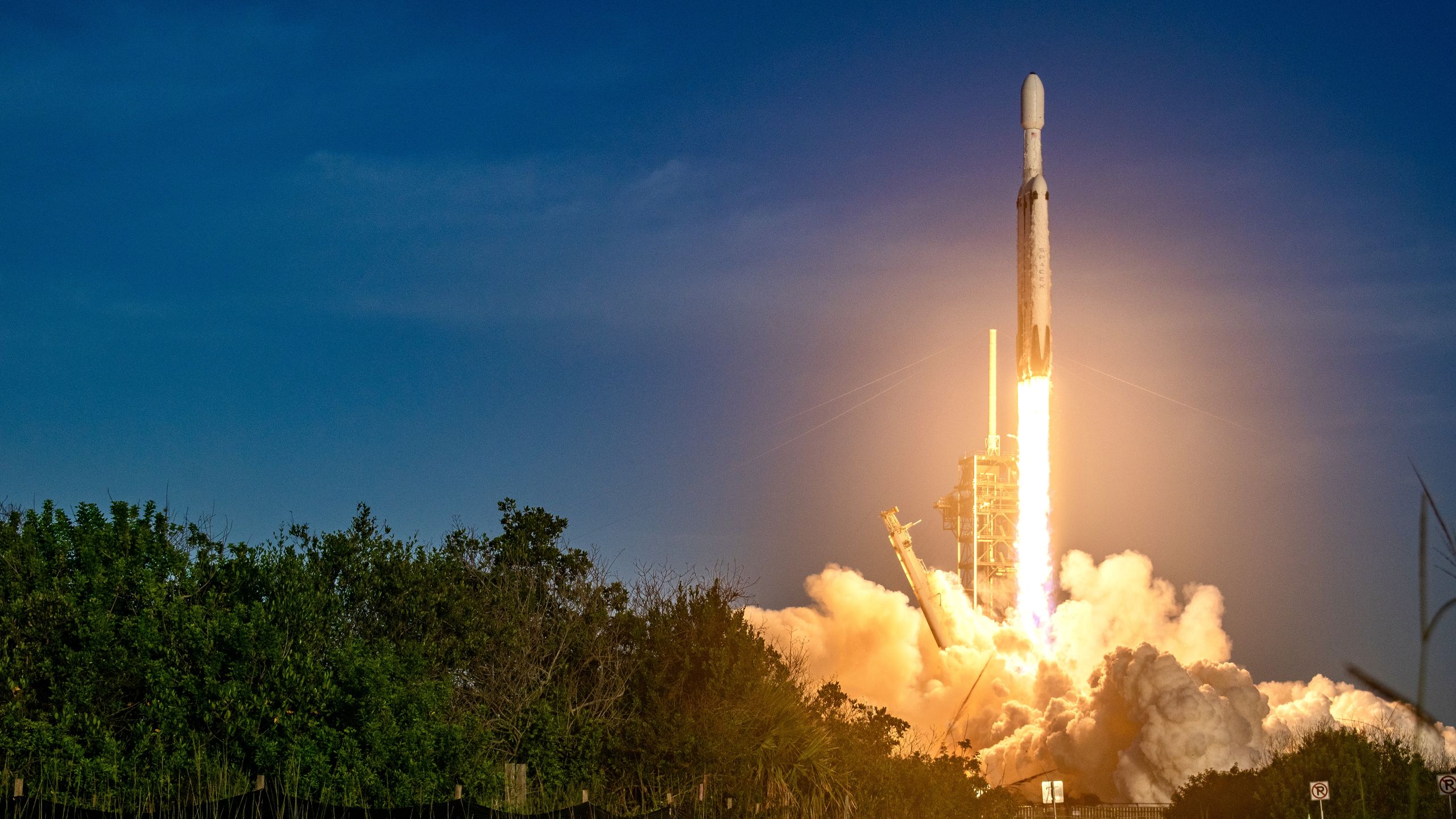
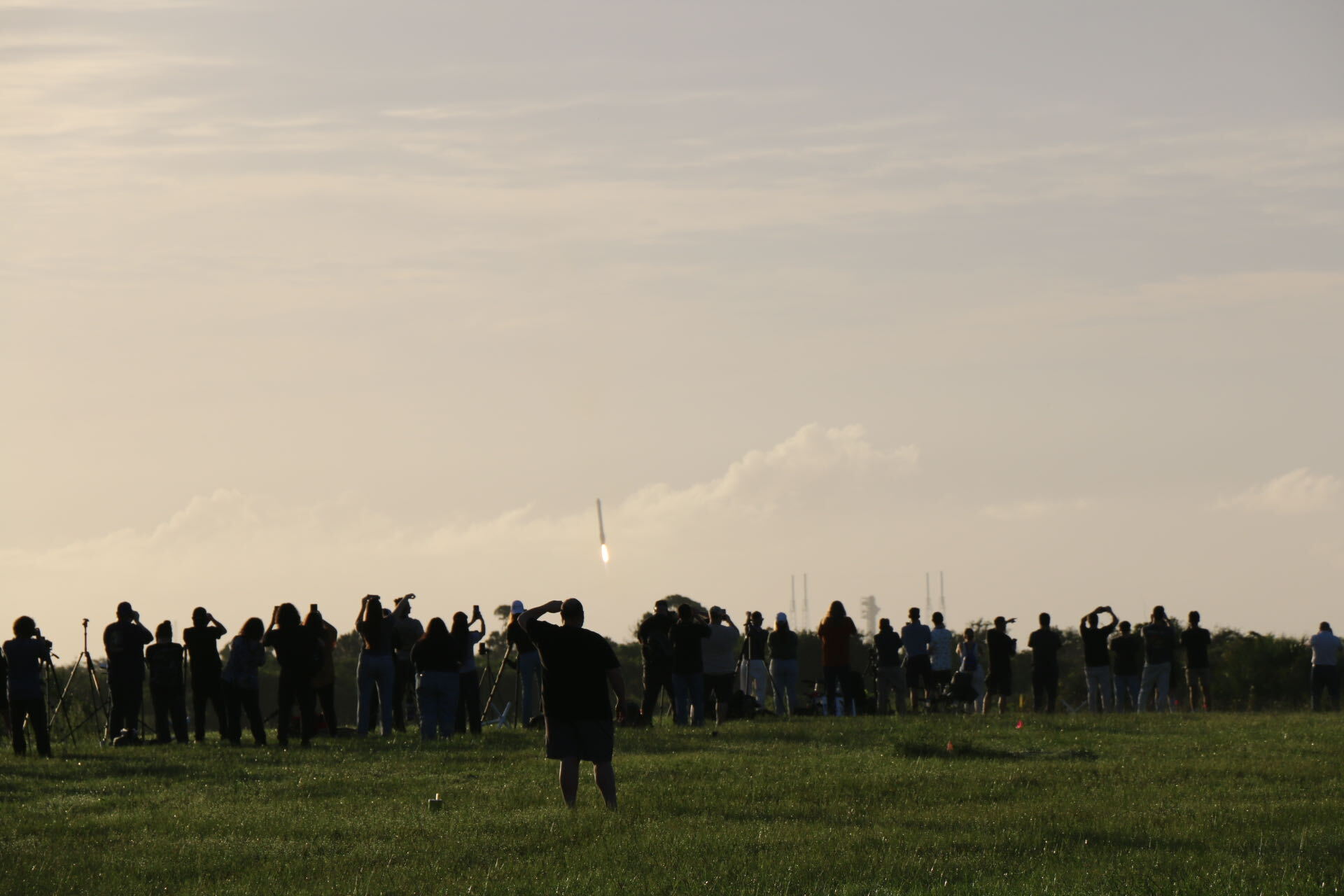
CAPE CANAVERAL, Fla. — On the morning of August 30, the horizon at Cape Canaveral was illuminated not just by the rising sun, but by the brilliant, searing exhaust of a SpaceX Falcon Heavy rocket. Piercing the clear Florida sky, the vehicle carried the Nancy Grace Roman Space Telescope—a monumental $4 billion engineering marvel—into the heavens. The successful launch marks the beginning of a transformative era in astrophysics, as the scientific community prepares to deploy an instrument designed to peer further, wider, and more clearly into the unknown than ever before.
The launch, which proceeded with flawless precision at 7:26 a.m. EDT (1126 GMT), serves as the culmination of over a decade of rigorous development. With all primary deployments confirmed successful shortly after reaching orbit, the telescope is now beginning its long, silent journey to its final destination: the sun-Earth Lagrange Point 2 (L2), located approximately one million miles from our home planet.
The Mission: A Toolkit for the Unseen
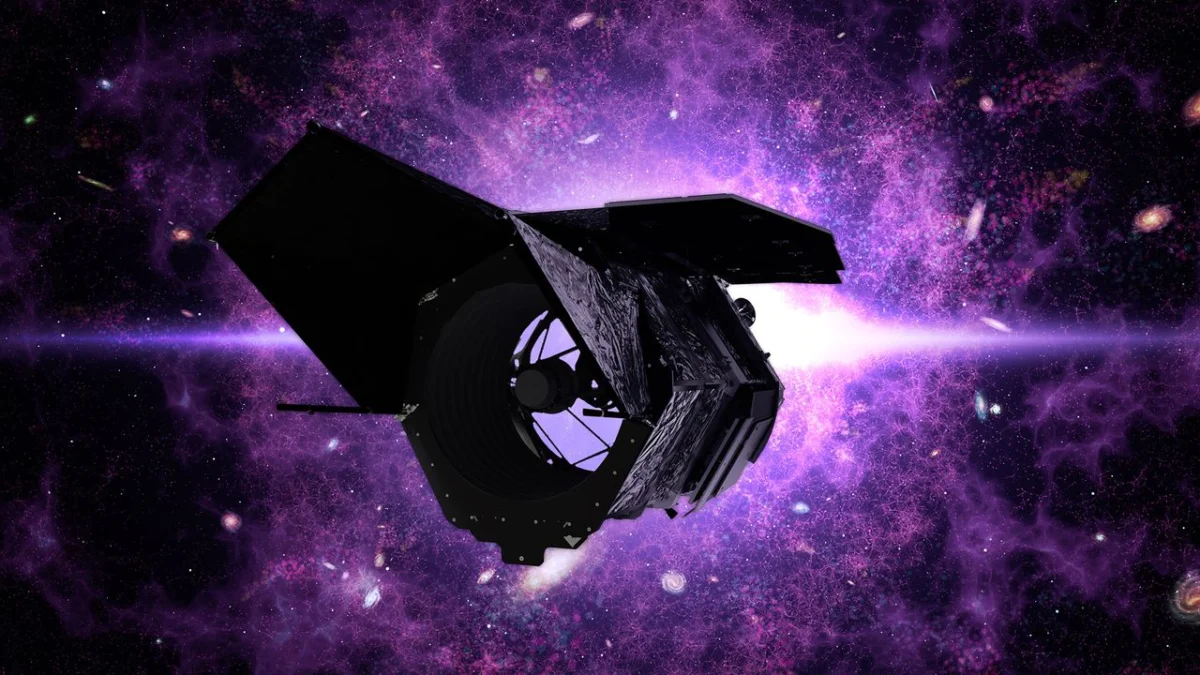
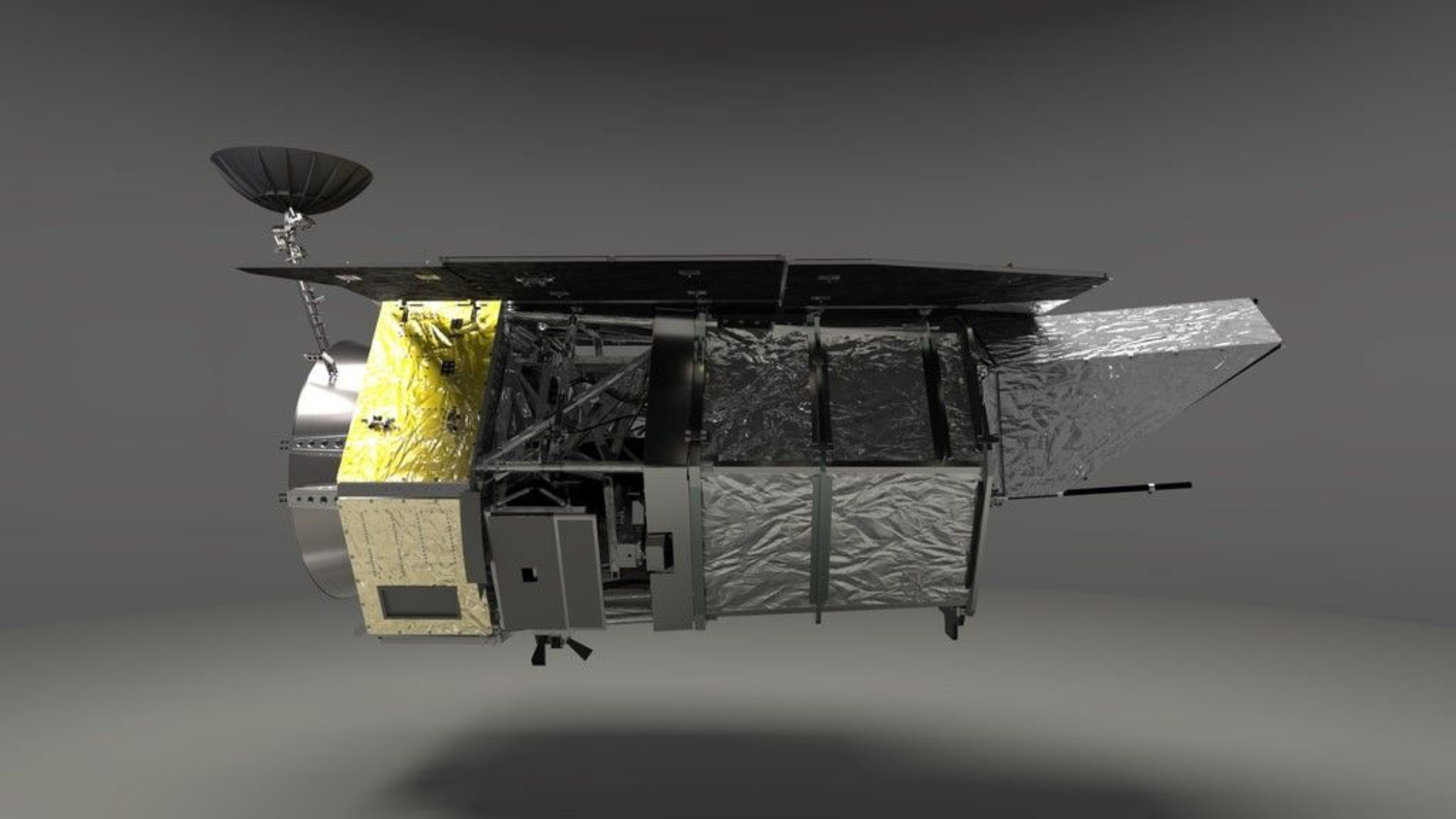
The Roman Space Telescope is not merely an upgrade to existing orbital observatories; it represents a fundamental shift in how humanity observes the cosmos. While the James Webb Space Telescope (JWST) is lauded for its ability to peer into the deepest, most distant corners of space with incredible resolution, the Roman Space Telescope is designed to capture the "big picture."
The telescope’s capabilities are anchored by two primary instruments:
- The Wide Field Instrument (WFI): This tool allows Roman to image vast swaths of the sky with unprecedented speed and depth. By surveying gargantuan sections of the universe, Roman will be able to capture fleeting, transient phenomena—supernovas, fast radio bursts, and the violent collisions of neutron stars—that are often missed by narrower, more focused observatories.
- The Coronagraph Instrument: A state-of-the-art piece of technology, this represents the first "active" coronagraph ever flown in space. Much like an artificial solar eclipse, it blocks the blinding glare of a star, allowing the telescope to detect the faint, elusive light of orbiting exoplanets.
A Chronology of Progress
The journey to the launchpad was not without its hurdles. Conceptualized over ten years ago, the mission faced significant political and budgetary scrutiny, including a period during which the administration attempted to cancel the project entirely. However, the scientific necessity of the telescope, coupled with the resilience of the teams at NASA’s Goddard Space Flight Center, kept the program on track.
Remarkably, the project reached the launch phase having stayed under its projected budget and ahead of its revised schedule—a rarity for high-stakes space exploration.
- Pre-Launch (Late August): Final systems checks and environmental testing conclude.
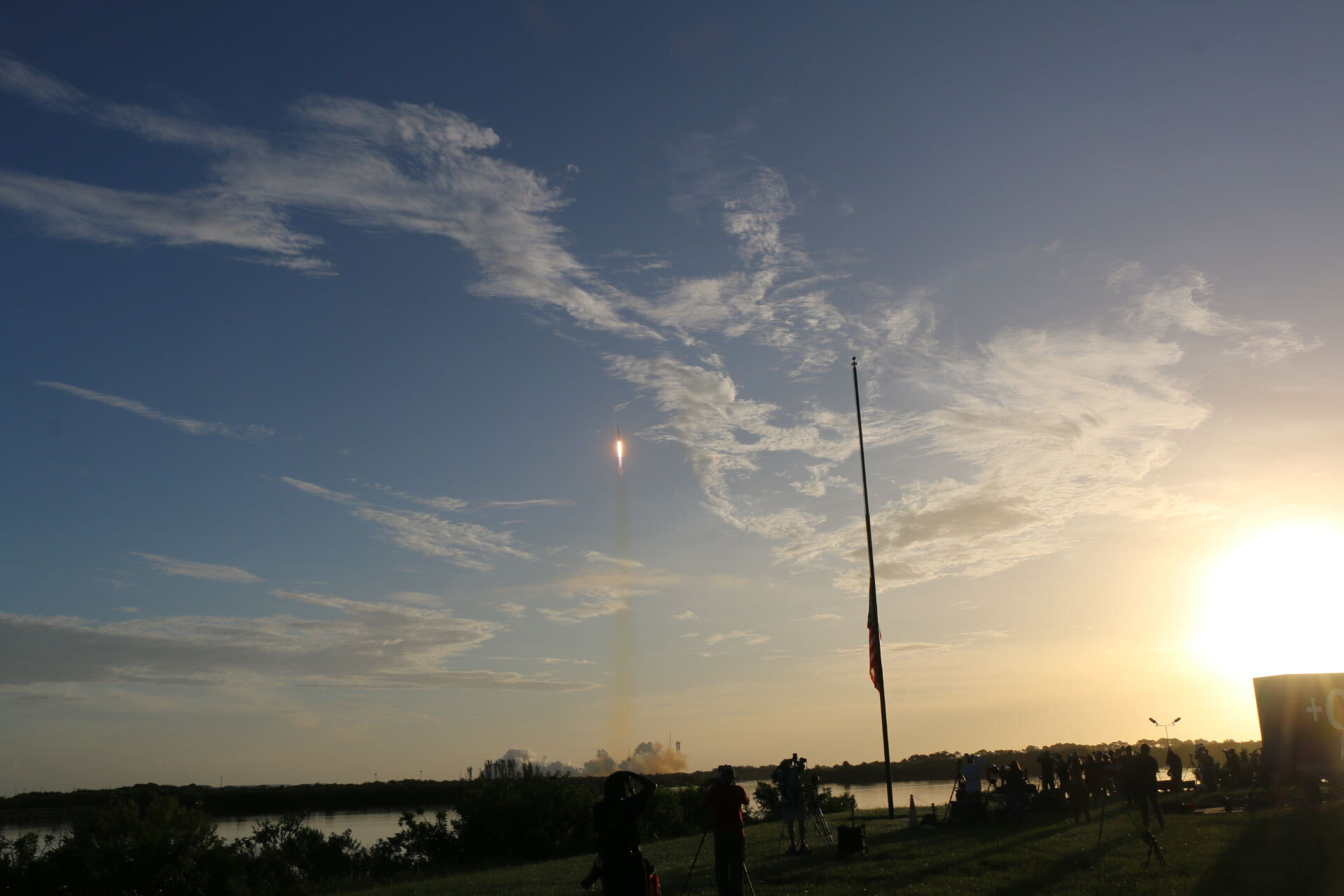
- Launch Day (Aug 30, 7:26 a.m. EDT): The SpaceX Falcon Heavy ignites, clearing the tower and successfully placing the Roman Space Telescope into its transfer trajectory.
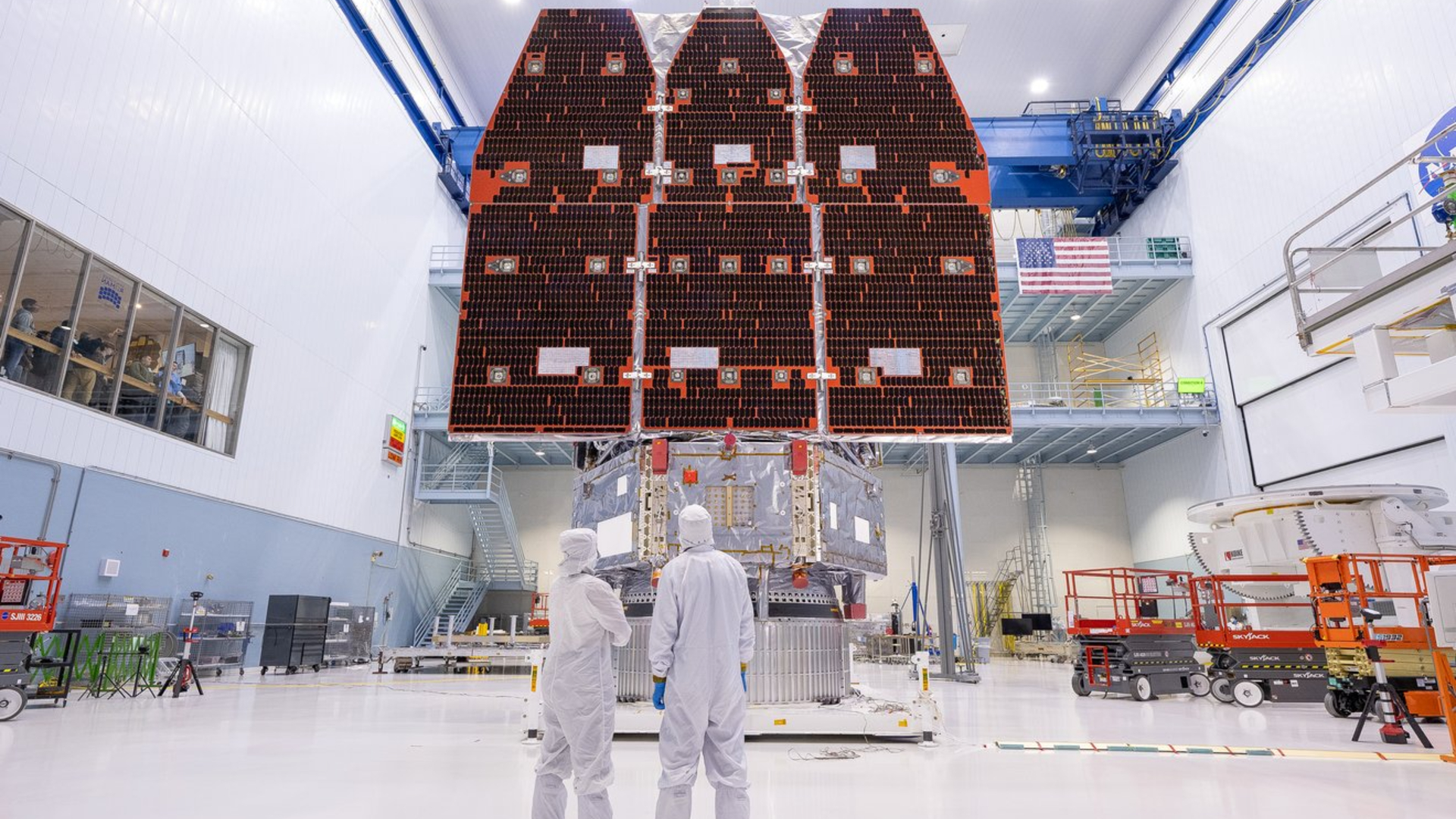
- The 90-Day Commissioning Phase: Following separation, the telescope begins its 90-day commissioning period. This involves critical "outgassing" procedures, where the spacecraft vents trapped gases into the vacuum of space, followed by the activation of power systems and a gradual descent to the extreme cryogenic temperatures required for its infrared sensors to function.
- Arrival at L2: Over the coming months, the telescope will navigate to the L2 Lagrange point. This stable gravitational pocket allows for consistent thermal management, keeping the telescope’s instruments shielded from the intense heat of the sun and the reflected radiation of the Earth and Moon.
Supporting Data: By the Numbers
The scale of the data that the Roman Space Telescope will provide is difficult to comprehend. To put its efficiency into perspective, consider the legacy of the Hubble Space Telescope. Over its 35-year lifespan, Hubble has generated approximately 400 terabytes of scientific data. The Roman Space Telescope is expected to generate roughly 500 terabytes every single year.
"Our main survey will take over a year and be really huge," said Julie McEnery, Roman’s senior project scientist at NASA’s Goddard Space Flight Center. "We would need over half a million 4K TVs to fully display the single Roman image on our largest survey."
This massive influx of data is essential for tackling the "Dark Universe." By mapping the distribution of galaxies and observing how they are influenced by dark matter and dark energy, scientists hope to reconcile the "Hubble Tension"—a long-standing discrepancy in measurements of the universe’s expansion rate that has vexed cosmologists for decades.
Official Responses: "The Edge of a Precipice"
The atmosphere among the mission team is one of professional triumph mingled with the profound emotional weight of "letting go."
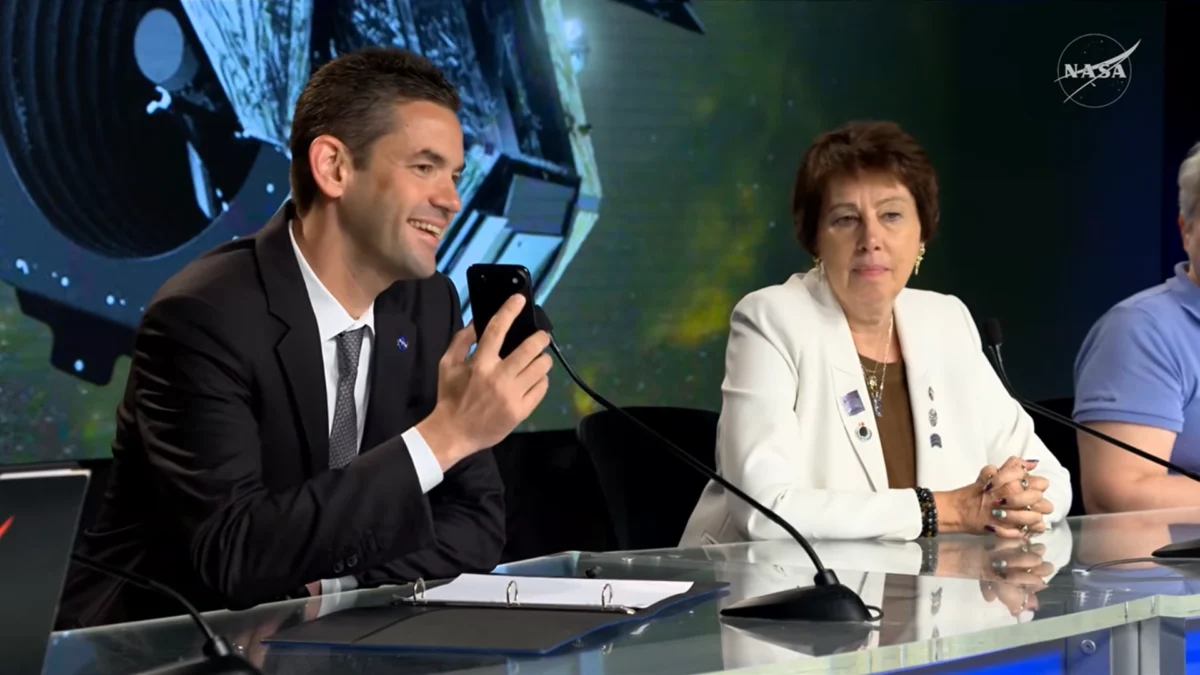
NASA administrator Jared Isaacman expressed his confidence in the telescope’s future, noting, "Roman will travel nearly 1 million miles away from Earth to Lagrange Point L2 and begin transmitting imagery and data back home that will contribute to world-changing science. I have no doubt that Roman will become a household name alongside those great instruments of discovery."
During a post-launch briefing, the team also addressed the human element of the mission. Nicky Fox, the associate administrator for NASA’s Science Mission Directorate, compared the launch to a rite of passage: "There is that moment where you think, ‘I’m never going to see that spacecraft again,’ and get that feeling of, ‘It’s never coming back.’ I liken it to sending your kids to college. They’re going to have great adventures."
The mission also received a nod from the political sphere, with President Donald Trump calling in to congratulate the team. While the President’s previous attempts to scrap the mission were noted, his remarks on Sunday focused on the success of the operation, praising the "beautiful" launch and the efficiency of the team.
Scientific Implications: A New Era of Collaboration
Perhaps the most significant aspect of the Roman Space Telescope is its role as a "team player" in a growing fleet of orbital and ground-based observatories.
Synergy with Existing Observatories
Roman is not designed to replace the Hubble or the James Webb Space Telescope. Instead, it is the missing piece in a collaborative puzzle. While Hubble provides exquisite resolution and Webb provides deep, targeted infrared spectroscopy, Roman provides the broad context.
The strategy is to "layer" the data. By utilizing the wide-field survey data from Roman, researchers can identify interesting targets, which can then be scrutinized with the high-resolution power of the JWST or the ground-based observations of the Vera Rubin Observatory in Chile.
Solving the "Firefly" Problem
The coronagraph is expected to revolutionize our understanding of planetary systems. Vanessa Bailey, the coronagraph instrument scientist, provided a vivid analogy for the mission’s challenge: "The starlight is going to be overwhelmingly bright. It’s like trying to see a firefly next to a lighthouse hundreds of miles away. We can use a technology called a coronagraph inside of our camera to block that lighthouse and see the firefly."
Because the Roman coronagraph is "active," it can adjust its hardware in real-time, effectively correcting its own "vision" to maintain focus on faint, Jupiter-like exoplanets. As Nicky Fox noted, the field of exoplanet research has exploded since the launch of Hubble in 1990; at that time, scientists were unsure if exoplanets even existed. By the end of the Roman mission, that list of known worlds is expected to grow by as many as 100,000.
Conclusion: Setting Foot into the Unknown
As the Roman Space Telescope drifts further from our home planet, it carries the hopes of a generation of scientists eager to solve the most fundamental questions of existence: How is the universe expanding? What is the nature of the "dark" components that make up the majority of our cosmos? And, most poignantly, are we truly alone?
"We’re just about to set foot off into the unknown," McEnery said during the pre-launch briefing. For now, the mission enters its quietest phase—the long trek to L2—but the anticipation is palpable. When the first data packets finally begin to stream back to Earth, they will not just be pixels and numbers; they will be the first brushstrokes on a new, vastly more detailed portrait of the universe. The Roman Space Telescope is ready to show us the light in the dark.