For most enterprises, the transition to artificial intelligence is a software-centric hurdle—a matter of integrating LLMs into office workflows or optimizing cloud-based data analytics. However, for industrial behemoth Caterpillar, the challenge of AI is measured in tons of steel, hazardous terrain, and the complex mechanics of heavy machinery.
As the world’s leading manufacturer of construction and mining equipment, Caterpillar has spent decades mastering the physical world. Now, the company is leveraging that deep-rooted industrial expertise to lead a new, more ambitious phase of the AI revolution: the deployment of autonomous systems and intelligent digital assistants into the unpredictable, high-stakes environments of global job sites.
The Evolution of Autonomy: From Mining to Mainstream
Caterpillar’s journey into autonomy did not begin in a sleek Silicon Valley laboratory, but in the grueling, isolated depths of the world’s mining pits. In environments defined by labor shortages, extreme physical hazards, and the necessity for 24/7 operational efficiency, automation was not just a luxury—it was a necessity.
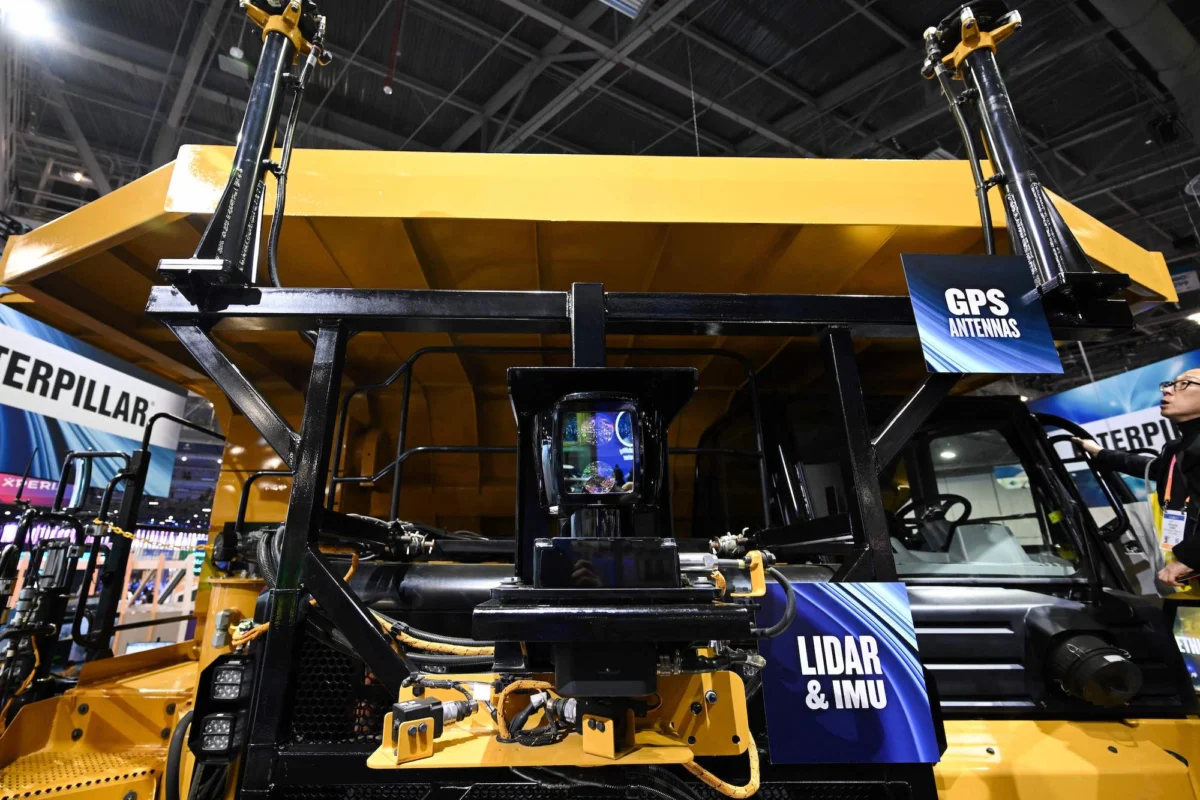
Over the years, the company methodically built a comprehensive autonomous toolkit. Today, this ecosystem includes fully automated haul trucks that navigate complex mining routes without human intervention, autonomous drilling rigs, underground loaders, and sophisticated dozers. These physical assets are underpinned by a robust software command center, fleet management platforms, and remote terrain intelligence systems that provide a "God’s-eye view" of site operations.
Speaking at the Ai4 conference in Las Vegas, Caterpillar’s Chief Technology Officer, Jaime Mineart, noted that the company is now entering a pivotal expansion phase. "Now we’re in this super exciting time where we can take all of that learning from mining and bring it into much more dynamic environments, jobsites, quarries, and construction sites," Mineart explained. By translating the lessons learned from the structured, repetitive nature of mining to the chaotic, fluid world of general construction, Caterpillar is attempting to redefine what it means to manage a job site.
A Data-Driven Industrial Giant
Caterpillar’s AI strategy is bolstered by a massive, proprietary data moat. With approximately 1.6 million connected assets operating globally, the company generates a constant stream of telemetry and operational performance data. This equates to more than 16 petabytes of structured information—a treasure trove that fuels the company’s machine learning models.
This data is currently powering the "Cat AI Assistant," a tool designed to support field technicians. In the past, a technician arriving at a stalled machine might have spent hours consulting paper manuals or struggling to identify obscure component failures. With the Cat AI Assistant, a technician can use voice commands to access real-time repair procedures, troubleshoot complex mechanical issues, and identify required parts before they even touch the machine. By bridging the gap between historical machine data and real-time field diagnostics, Caterpillar is significantly reducing downtime and improving the efficiency of its global service network.
Beyond the Hardware: AI in the Enterprise
Caterpillar’s application of AI extends far beyond the bucket of an excavator. The company is actively deploying digital twin technology to scan and simulate construction sites. These digital replicas allow project managers to analyze operational bottlenecks, optimize machine placement, and predict potential hazards before a single shovel hits the dirt.
Furthermore, the company is applying AI to its own internal software development lifecycle. Recognizing that the future of manufacturing is as much about code as it is about casting, Caterpillar is using AI agents to modernize legacy software systems, automate the generation of new code, and conduct rigorous testing to identify defects far earlier in the development cycle than traditional methods would allow.
The Human Factor: The Challenge of Workforce Transformation
Despite the technical sophistication of these tools, Mineart is candid about the primary obstacle to widespread adoption: culture and workflow integration. "The hard part about autonomy and about physical AI is incorporating that technology into the customer jobsite and into the workflows," she stated.
Technology is only as effective as the environment in which it operates. Caterpillar’s approach to this challenge involves a deep integration of institutional knowledge. The company relies on experienced, veteran operators—individuals who have spent decades feeling the machine’s vibration and reading the terrain—to train the AI models. By digitizing the intuition of these human experts, Caterpillar ensures that its autonomous systems operate with a level of "common sense" that pure data models often lack.
This transition is fundamentally changing the nature of employment. As machines take on more autonomous tasks, the traditional role of a single-machine operator is shifting toward that of a fleet supervisor. These professionals now monitor multiple autonomous assets from remote command centers, intervening only when the system encounters a scenario that requires human judgment.
To support this massive shift, Caterpillar has committed $100 million over the next five years to a comprehensive workforce retraining program. This investment aims to upskill 118,000 employees in AI literacy, robotics, and the management of autonomous systems, ensuring the company’s human capital keeps pace with its mechanical innovation.
Financial Tailwinds: The Infrastructure Boom
Caterpillar’s strategic pivot toward AI and automation is occurring against a backdrop of record-breaking financial success. In the second quarter of 2026, the company reported all-time high quarterly revenue of $20.5 billion.
A significant driver of this growth has been the unprecedented demand for power-generation equipment. As the global tech sector races to build massive data centers to support the training and inference requirements of generative AI, Caterpillar’s power-generation division has seen sales spike by 72%, reaching $3.10 billion.
CEO Joe Creed has signaled that this demand is showing no signs of slowing down. As the world becomes increasingly reliant on the cloud, the physical infrastructure—the power plants, backup generators, and cooling systems—must expand in tandem. Caterpillar finds itself in the enviable position of being a primary supplier for both the digital AI revolution (through power generation) and the physical AI revolution (through autonomous heavy machinery).
Implications for the Future of Industry
Caterpillar’s strategy offers a blueprint for how legacy industrial firms can survive and thrive in the era of AI. The implications are three-fold:
- The Shift to Services: By integrating AI into its machines, Caterpillar is evolving from a product manufacturer into a service provider. The value is no longer just in the machine, but in the software-driven uptime, the predictive maintenance, and the operational optimization that the machine provides.
- The Human-Machine Symbiosis: Caterpillar’s success demonstrates that AI is not a replacement for human skill but an amplifier of it. By focusing on training and integrating "institutional knowledge" into its algorithms, the company is preserving the value of its experienced workforce while simultaneously upgrading their technical capabilities.
- The Physical-Digital Loop: The success of the "Cat AI Assistant" and the growth of the company’s data-driven fleet management underscore a new reality: the most valuable AI companies of the next decade may not be those in Silicon Valley, but those that own the physical data generated by the world’s infrastructure.
As Caterpillar continues to refine its autonomous toolkit, the line between "construction site" and "data center" will continue to blur. With $100 million dedicated to internal training and a dominant market position, the company is effectively building the physical foundation upon which the future of AI will be constructed. The challenge of integrating AI into everyday operations is far from solved, but for Caterpillar, the path forward is clear: start with the machine, respect the operator, and let the data lead the way.