
For two decades, the corporate world has operated under a convenient, albeit flawed, assumption: that the sheer magnitude of climate change would eventually act as its own catalyst. The prevailing theory held that as extreme weather events—unprecedented wildfires, catastrophic flooding, and record-breaking heatwaves—grew in frequency and intensity, they would inevitably force a "snap-to-attention" moment. Under this logic, corporate boards, political leaders, and the global public would finally be compelled to undertake the arduous, transformative work required to adapt to and mitigate the climate crisis.
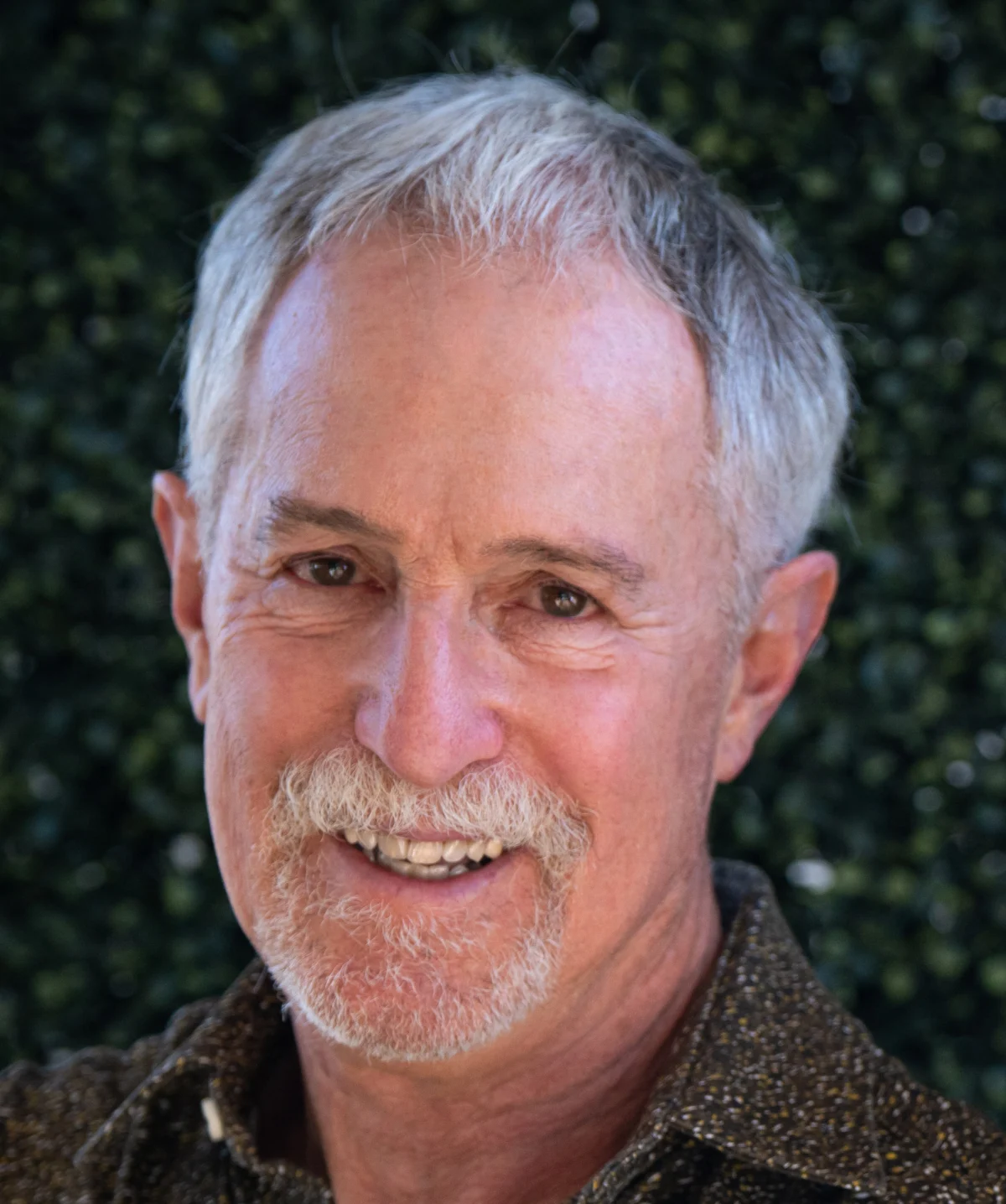
Katharine Hayhoe, a preeminent atmospheric scientist, Texas Tech professor, and chief scientist at The Nature Conservancy, is calling for this assumption to be retired. Hayhoe, the author of Saving Us: A Climate Scientist’s Case for Hope and Healing in a Divided World, argues that the "doom-and-gloom" approach to climate communication is not merely ineffective—it is actively hindering progress. Recently, she joined the "Two Steps Forward" podcast to explain why hope, rather than alarmism, is the only viable strategy for companies looking to revitalize stalled climate commitments.
The Failure of the "Crisis-Driven" Model
The most striking evidence against the "disaster-as-catalyst" theory can be found in Canada, Hayhoe’s home country. In 2023, Canada experienced its most devastating wildfire season on record. Smoke blanketed cities from coast to coast, turning the sky an apocalyptic orange and forcing thousands to flee their homes. According to the traditional theory of change, this existential crisis should have served as the ultimate wake-up call, paving the way for a decisive "climate election" nine months later.
Instead, the political outcome told a different story. Voters gravitated toward platforms that, in some cases, prioritized economic relief over climate action, including a push to scrap consumer carbon taxes. The reason for this, Hayhoe suggests, is not apathy, but something far more paralyzing: psychological detachment.
"When a wildfire is that size, the problem feels so gargantuan that it becomes effectively unsolvable at an individual level," Hayhoe explains. "The behavioral science is very clear: it is not enough to make people act. Worry alone, without a sense that action matters, doesn’t move people—or companies."
The Psychology of Apathy
When people or organizations are presented with data that highlights a problem of infinite scale, their natural instinct is to withdraw. This is a survival mechanism. If a threat is perceived as insurmountable, the brain often chooses to ignore it to preserve mental bandwidth. For corporations, this manifests as "analysis paralysis," where sustainability teams produce endless data reports that quantify the crisis without providing a clear, achievable path toward resolution.
The Efficacy Problem: Redefining Communication
Hayhoe identifies a fundamental disconnect in how the climate crisis is communicated within the boardroom. She argues that sustainability teams often over-rely on urgency at the expense of efficacy.
To move the needle, Hayhoe proposes a three-pronged framework for effective communication:
- The Head: Providing the necessary data on what is happening.
- The Heart: Connecting the issue to values that the audience already holds.
- The Hands: Providing clear, actionable steps that empower the individual or organization to make a difference.
Currently, most corporate climate messaging starts and stops at the "head." It creates a deluge of data that induces anxiety but fails to offer a next move that feels manageable. This creates a vacuum of agency.
The Corporate "Finger-Pointing" Loop
This lack of efficacy ripples upward through organizational hierarchies, creating a culture of systemic inertia. Hayhoe describes a familiar cycle of corporate buck-passing:
- The Sustainability Officer: "I would take bolder action, but the CEO won’t support it."
- The CEO: "I would push for more, but the board is concerned about quarterly returns."
- The Board: "We are beholden to shareholders, who won’t stand for the short-term costs."
When companies inevitably miss their climate targets, the response is often to view these failures as final, which erodes the belief among leadership that a net-zero transition is even winnable. This cynicism, Hayhoe warns, is the greatest threat to corporate climate strategy.

Beyond Frameworks: The Bottom-Up Revolution
When asked what single, underrated lever a Fortune 500 CEO should pull to break this cycle, Hayhoe pivots away from the industry standard. She isn’t advocating for another science-based target, a new carbon-accounting framework, or a complex renewable power-purchase agreement.
Instead, she advocates for a radical shift in internal culture: radical connection.
"The best lever is to connect climate change to what your employees are already doing in their jobs," she says. She suggests creating an explicit, institutionalized invitation for ideas from the rank-and-file—the people who have been on the ground for years and understand the company’s operational constraints better than any consultant. By elevating these internal ideas as the company’s own "thought leadership," organizations can foster a sense of collective efficacy that transcends the top-down mandates of the past.
Chronology of a Shift in Scientific Thought
The evolution of Hayhoe’s own career reflects a broader, necessary shift in how the scientific community engages with the public and the private sector.
- 2018: In a seminal essay for Science titled "When Facts Are Not Enough," Hayhoe challenged the long-held scientific belief that scientific literacy was the primary driver of climate acceptance. She argued that identity, values, and community trust are far more influential than the raw data itself.
- 2024: In a collaborative paper with researchers Christel van Eck and Lydia Messling, Hayhoe pushed back against the traditional requirement that scientists maintain a veneer of "neutrality." She argued that transparency regarding one’s own values is not a liability—it is a foundation for building trust in an increasingly polarized world.
- Present Day: Hayhoe continues to put these theories into practice via her newsletter, Talking Climate, which aims to train "trusted messengers" within communities. The goal is to move the conversation out of the ivory tower and into the daily lives of citizens and professionals.
Official Responses and Industry Implications
The corporate sector is currently at an inflection point. As ESG (Environmental, Social, and Governance) investing faces political headwinds in the U.S. and beyond, many firms are quietly scaling back their public climate commitments.
However, experts argue that this retreat is a strategic error. If corporations frame climate action as a "charity" or a "burden," it will always be the first item cut during a downturn. If, however, they frame it as an exercise in operational efficiency, innovation, and risk mitigation—using the "Head, Heart, and Hands" model—it becomes an essential pillar of long-term survival.
The Role of Transparency
The shift Hayhoe advocates—abandoning the pretense of "false objectivity"—has profound implications for corporate sustainability reporting. If leaders are more transparent about their own values and the specific, localized challenges their companies face, they may find more resonance with their stakeholders than they would through polished, overly cautious PR campaigns.
Implications: The Path Forward
The "doom-and-gloom" narrative has been the status quo for two decades, and the results are objectively underwhelming. Emissions continue to rise, and corporate climate commitments are often viewed with skepticism by investors and activists alike.
The implication of Hayhoe’s research is clear: to change the outcome, we must change the input.
- Shift the Metric: Companies should stop measuring success solely by the volume of carbon reports produced and start measuring it by the degree of employee and stakeholder engagement in climate solutions.
- Empowerment Over Alarm: Instead of highlighting the catastrophic consequences of failure, leadership should focus on the tangible benefits of success—new markets, cleaner processes, and increased brand loyalty.
- Humanize the Data: Corporations are not monoliths; they are collections of individuals. By connecting climate goals to the personal values of the workforce, companies can turn a top-down mandate into a bottom-up mission.
As Hayhoe notes, this is not a problem that will be solved in a single podcast episode or a single board meeting. It is a fundamental realignment of how we perceive our agency in the face of change. For the corporate world, the lesson is that while data provides the map, it is hope and a sense of efficacy that provide the fuel to complete the journey.
The era of assuming that "the problem will get so bad that we have to act" is over. We have seen how bad it can get, and we have seen that it is not enough to force change. The new era must be defined by the realization that we are not helpless, and that the solutions to the climate crisis are as much about human connection as they are about engineering.