In a move that marks a paradigm shift in aerospace engineering and extraterrestrial commerce, SpaceX has unveiled a bold roadmap to extend its manufacturing footprint directly onto the lunar surface. During the company’s historic first-ever quarterly earnings call on August 4, 2026, CEO Elon Musk outlined an ambitious vision: utilizing autonomous robotic labor to establish permanent lunar factories. This strategy, while reminiscent of speculative science fiction, is framed by Musk as the essential foundation for a future where humanity’s intelligence—and industrial capacity—scales to unprecedented levels.
The Vision: From Lunar Bases to Galactic Scale
SpaceX’s strategy centers on the concept of "in-situ" manufacturing. Rather than relying solely on the high-cost, high-risk endeavor of shipping finished goods from Earth, Musk proposes moving the production line to the moon.
"We are going to land a lot of tonnage on the moon," Musk told investors. "We’re going to build the factories on the moon. The robots will be helpful with that."
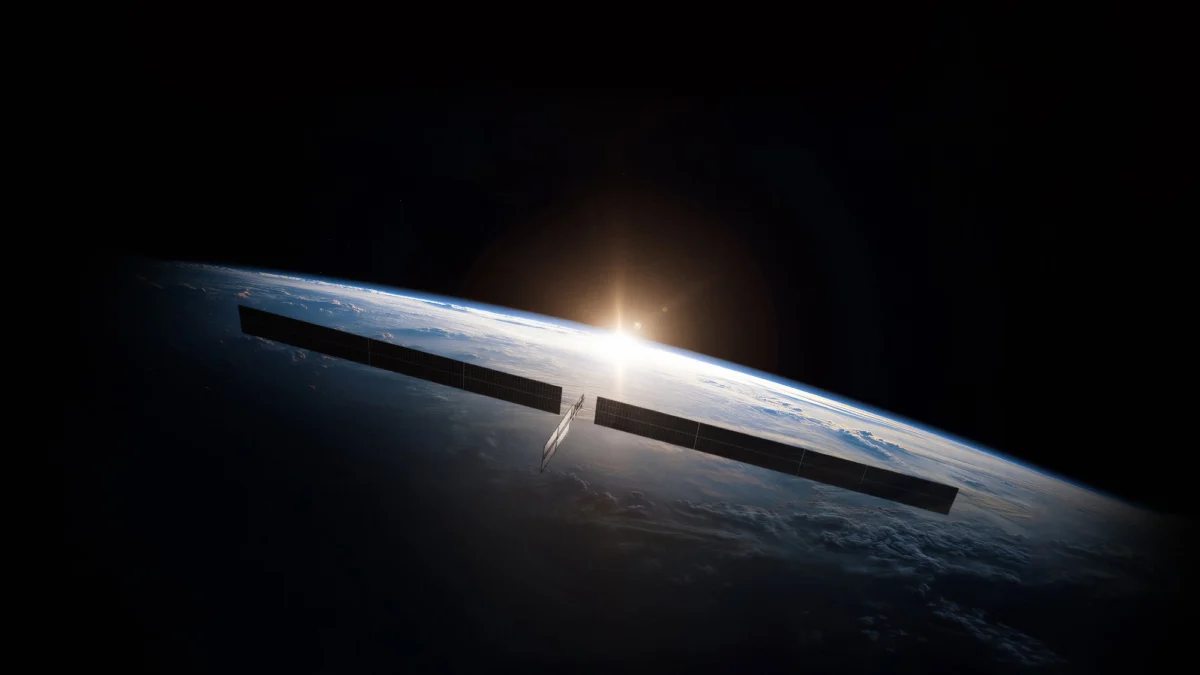
This plan is inextricably linked to the company’s "Starmind" project—a proposed megaconstellation of one million AI-integrated satellites. By producing these satellites on the moon, SpaceX aims to bypass the "gravity well" of Earth, which currently acts as a significant economic and energetic bottleneck for large-scale space operations. Once manufactured, these satellites would be launched into orbit using electromagnetic mass drivers—advanced rail-gun technology capable of hurling payloads into space without the need for traditional chemical propellant.
"If you have a mass accelerator on the moon, and you have solar and radiator production on the moon," Musk explained, "you can scale to 1,000 times the economy of Earth in terms of intelligence launched to space, but probably, you know, maybe even a million times."
Chronology: A Roadmap to the Moon
The articulation of this plan during the Q2 2026 earnings call is the culmination of years of iterative development and strategic shifts within the company.
- 2023: Elon Musk founds xAI, signaling an aggressive push into the artificial intelligence sector, a core component of the future "Starmind" constellation.
- February 2026: Musk first publicly outlines the vision for lunar factories in a blog post announcing the integration of xAI into SpaceX’s long-term infrastructure goals.
- June 2026: SpaceX undergoes the most significant transition in its history, launching a historic Initial Public Offering (IPO) that values the company at $1.77 trillion.
- August 2026: In its first quarterly earnings call as a public entity, SpaceX leadership confirms that lunar industrialization is a top-tier corporate priority, moving from "visionary concept" to "operational roadmap."
Supporting Data: The Economic Engine of Starship
The feasibility of this extraterrestrial industrial complex relies entirely on the successful maturation of the Starship launch system. During the earnings call, SpaceX Chief Financial Officer Bret Johnsen provided insight into the financial and logistical mechanics underpinning these goals.
"Starship aims to quadruple payload capacity and reduce launch costs by 10 times compared to our Falcon 9 rocket, unlocking significant capabilities across all of our business segments," Johnsen stated.
The numbers provide a stark contrast between SpaceX’s current operations and its future projections. In the second quarter of 2026, the company reported revenue of $7.8 billion—a staggering 92% increase compared to the same period in 2025. While the company still operates at a loss ($541 million for Q2 2026), the narrowing gap—down from a $1.0 billion loss in Q2 2025—demonstrates a clear trajectory toward profitability as launch cadence increases.
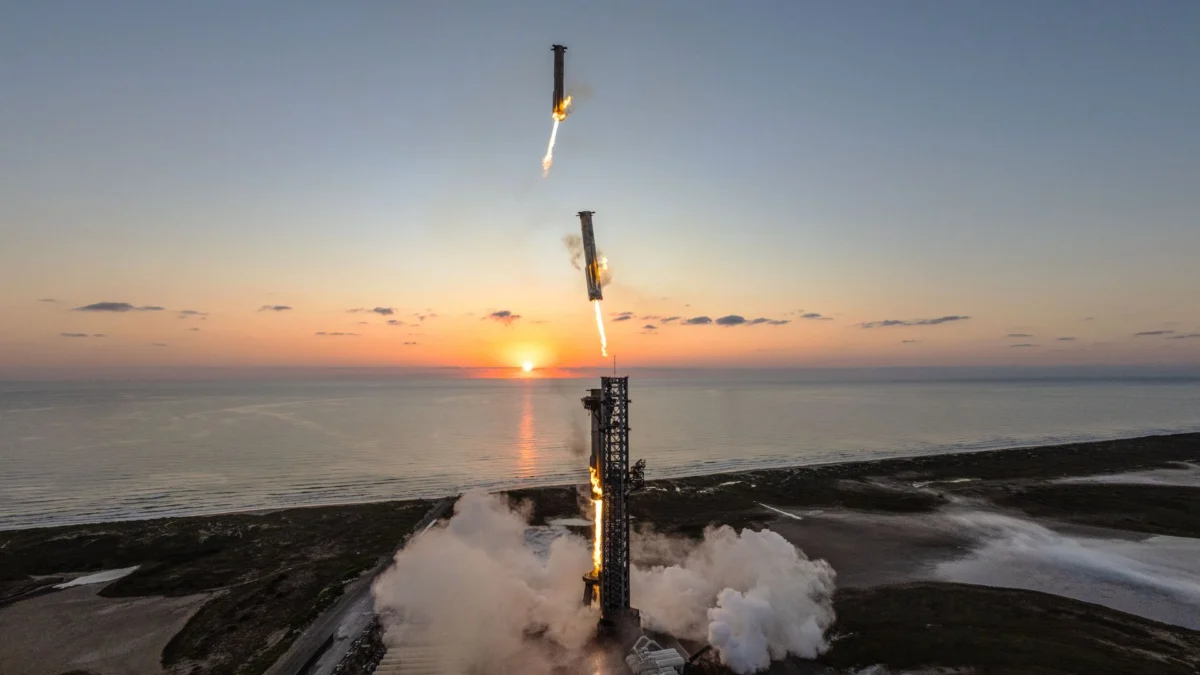
To support this growth, SpaceX is aggressively scaling infrastructure. The company is currently accelerating the production of Raptor engines and constructing "gigabays"—massive facilities designed to facilitate the assembly and rapid deployment of the Starship fleet. With multiple launch pads at Starbase in Texas and active expansion at Cape Canaveral’s Pad 39A and Pad 37, SpaceX is building the high-frequency launch capacity required to make lunar transport routine.
Official Responses and Strategic Implications
The announcement has sent shockwaves through the financial and aerospace sectors. As a publicly traded company, SpaceX is now under the scrutiny of institutional investors who are accustomed to terrestrial business models. However, the market’s reaction has been largely buoyed by the company’s massive $86 billion IPO, which places it in the company of tech giants like NVIDIA, Apple, and Microsoft.
The Role of Robotics
While Musk did not provide granular technical details on the "robotic labor force," analysts point to the heavy cross-pollination between Musk’s various enterprises. The humanoid robot "Optimus," developed by Tesla, is the most likely candidate for the arduous tasks of lunar construction. Musk has previously hinted at deploying Optimus units to Mars, and it is logical to assume these units—or their more specialized, radiation-hardened variants—will serve as the primary workforce for the lunar factory buildout.
The "Starmind" Utility
The integration of solar and radiator production into the lunar factory ecosystem is a strategic masterstroke. By producing these specific components on the moon, SpaceX addresses the two greatest challenges of satellite deployment: energy acquisition and thermal regulation. In the vacuum of space, dissipating heat is as critical as generating power. By building these components on-site, the company avoids the mass-penalty of transporting bulky cooling and power systems from Earth.
Implications for Humanity and the Global Economy
The shift toward lunar manufacturing represents a fundamental transition from an Earth-centric economy to a space-faring one. If SpaceX succeeds in establishing a mass accelerator on the moon, the "cost per kilogram" of moving goods into space could collapse, potentially triggering a new industrial revolution.
1. Resource Independence
By utilizing lunar materials, SpaceX reduces its reliance on Earth-based supply chains, making the company, and potentially the future human colonies, more resilient to geopolitical or economic fluctuations on Earth.
2. The AI-Space Nexus
The "Starmind" constellation represents a move toward pervasive global intelligence. If these satellites are mass-produced on the moon and launched via electromagnetic acceleration, the barrier to deploying global, high-speed, AI-driven connectivity disappears. This would cement SpaceX’s position not just as a launch provider, but as the primary architect of the digital infrastructure for the 21st century.
3. Ethical and Regulatory Challenges
The scale of these ambitions raises significant questions regarding space law and international cooperation. The 1967 Outer Space Treaty governs the use of the moon, yet it remains vague regarding the private industrialization of lunar territory. As SpaceX moves toward "landing a lot of tonnage" on the moon, the global community will be forced to grapple with the reality of commercial extraction and industrialization of celestial bodies.
Conclusion: The New Frontier
SpaceX’s transition from a private startup to a trillion-dollar public company has not dulled its appetite for the "impossible." By tying its corporate success to the creation of lunar factories and mass accelerators, SpaceX is attempting to force a change in the pace of human evolution.
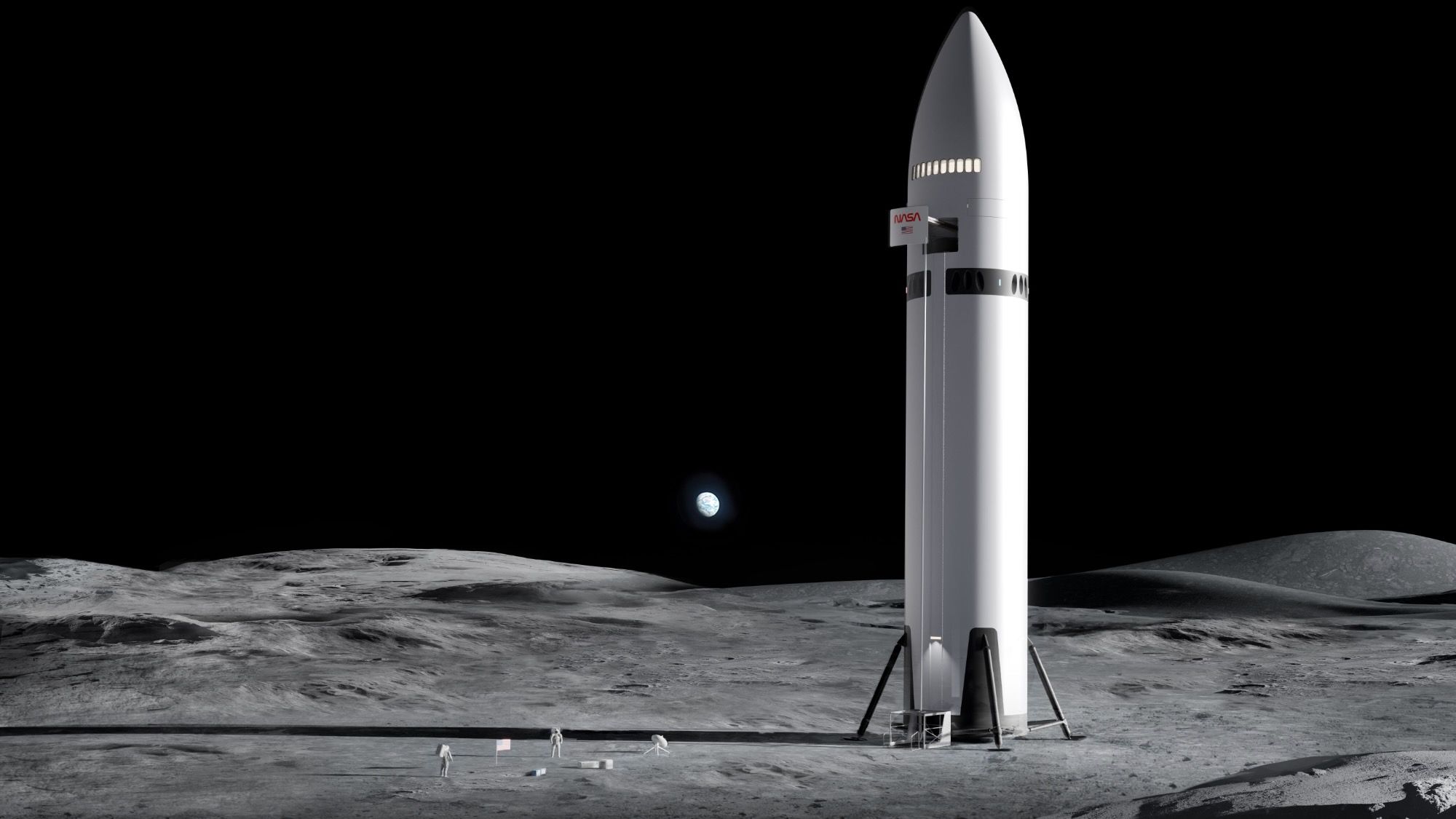
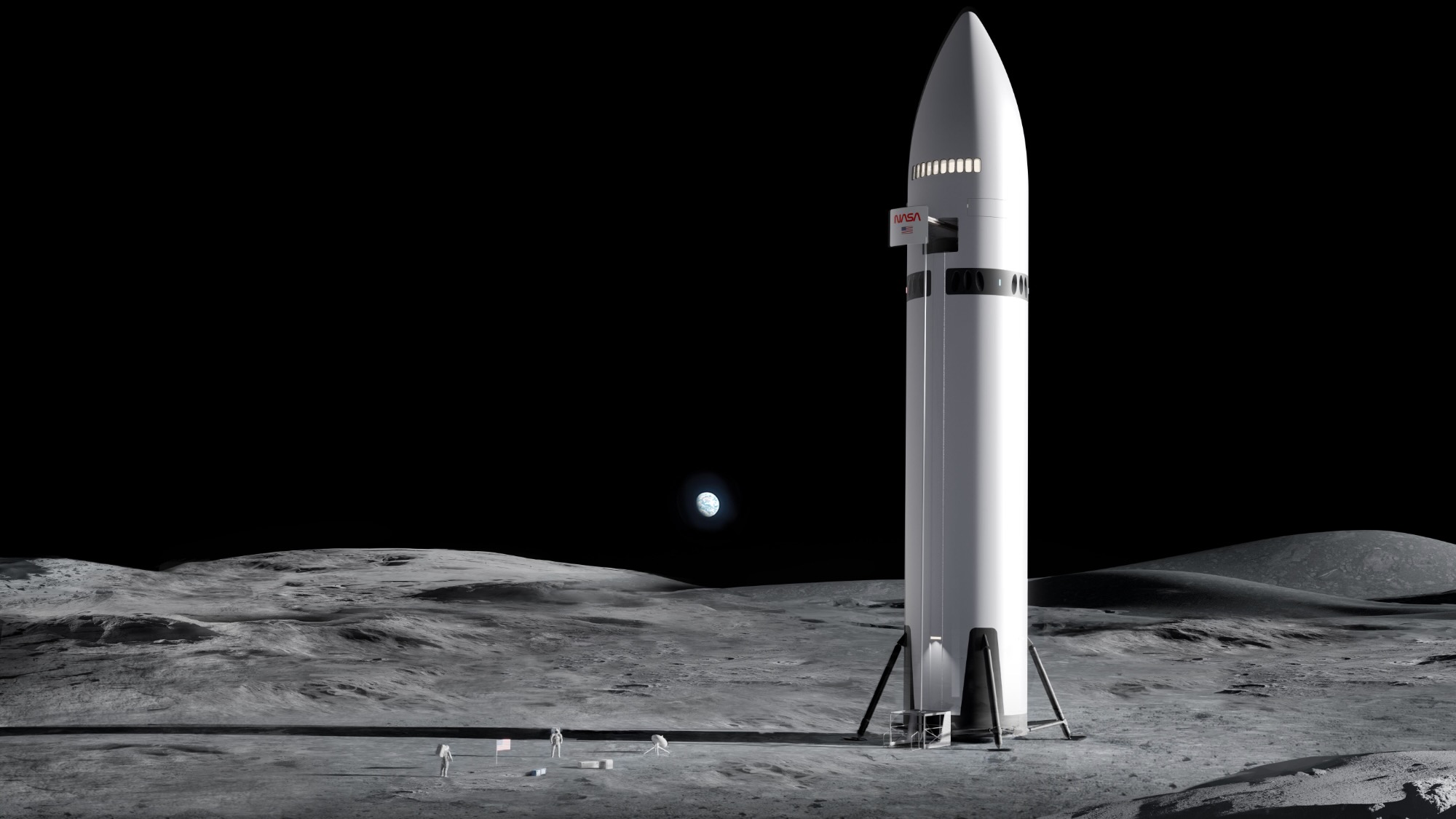
As CFO Bret Johnsen noted, the infrastructure required to support thousands of Starship launches per year is already in motion. If the current trajectory holds, the sight of a white rocket on the moon—as depicted in SpaceX’s recent concept art—may shift from an artist’s illustration to a routine industrial reality within the coming decades. Whether this leads to a "million times" increase in human-linked intelligence or creates unforeseen geopolitical friction, one thing is certain: SpaceX is no longer just aiming for orbit—it is aiming for the moon as a permanent industrial base.