In the rapidly evolving landscape of artificial intelligence, the narrative has long been dominated by the arms race of "frontier" Large Language Models (LLMs). From OpenAI’s GPT-4 to Anthropic’s Claude and Google’s Gemini, the industry has fixated on models that can write code, draft essays, and engage in complex, open-ended reasoning. However, a quiet shift is occurring. Developers are beginning to realize that using a massive, general-purpose "System Two" model to perform a simple, repetitive task—like sorting a support ticket or categorizing a user sentiment—is the computational equivalent of using a sledgehammer to hang a picture frame.
Enter Jev, the flagship model from TypeSafe AI. It has recently become the subject of intense debate across social media, YouTube, and developer forums. While influencers tout it as a revolutionary breakthrough, a deeper, more technical investigation reveals a more nuanced reality: Jev is not necessarily a "new" kind of AI, but rather a highly optimized, specialized architecture designed to reclaim efficiency in a world obsessed with scale.
Main Facts: What is Jev?
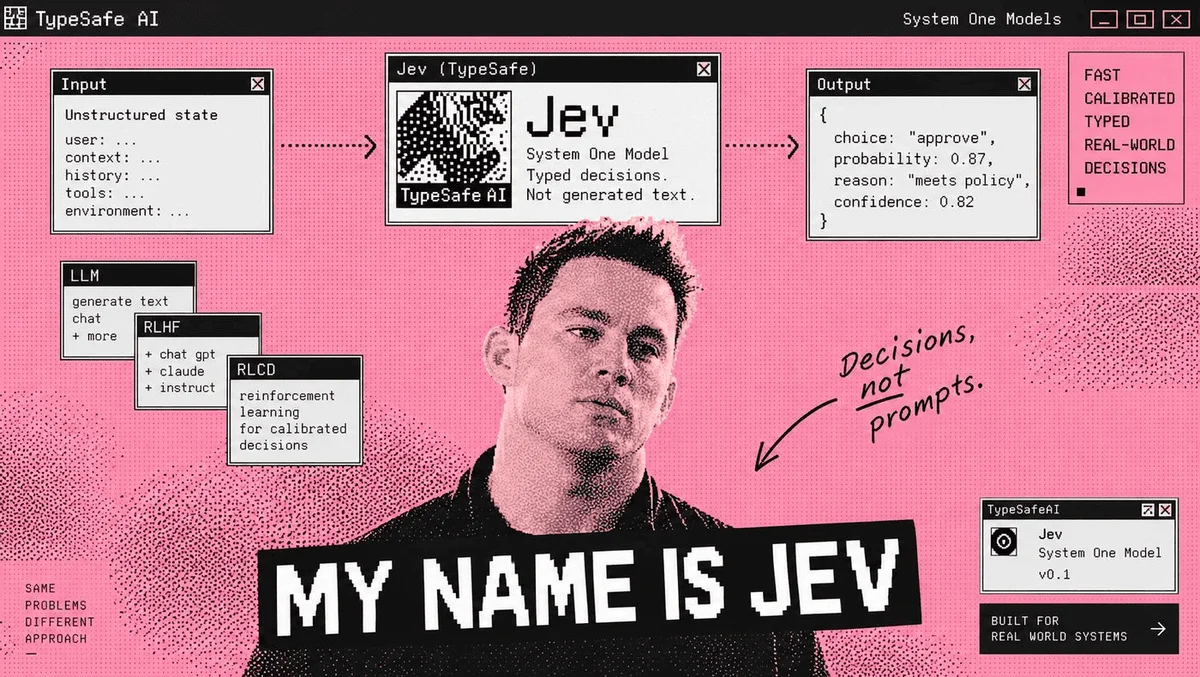
Jev is an AI model purpose-built for high-speed, structured decision-making. Unlike traditional LLMs, which are designed to generate natural language token by token, Jev is engineered to evaluate inputs against a fixed schema and output a probability distribution.
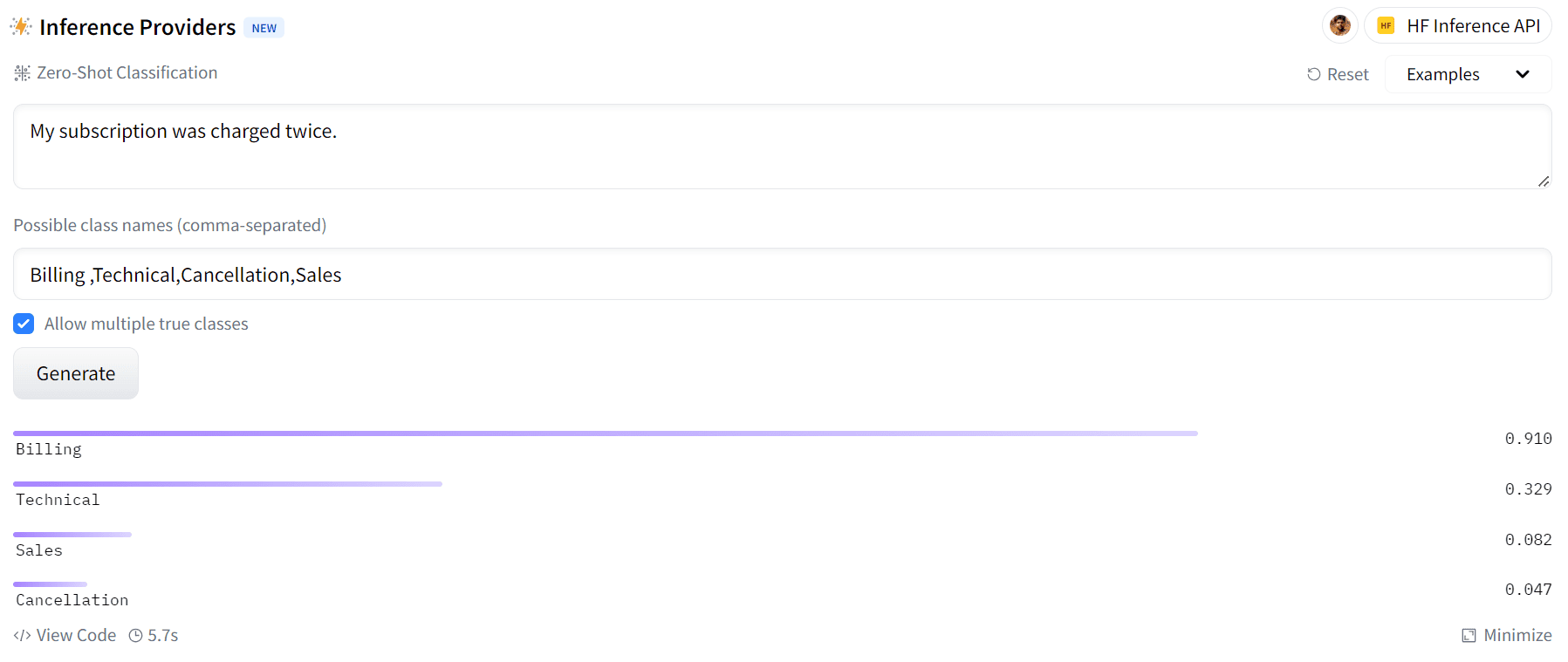
For example, when presented with a customer support query such as, "I upgraded yesterday but now I can’t access the features I paid for," a standard LLM might draft a lengthy, polite response. Jev, conversely, maps the input to a predefined set of labels: Technical, Sales, Billing, or Cancellation. It returns a numerical probability for each, allowing the software infrastructure to route the ticket or trigger an automated process based on the model’s confidence level.
The core differentiator here is the "System One" design philosophy. Drawing from the work of psychologist Daniel Kahneman, TypeSafe AI characterizes Jev as a "System One" model—fast, instinctive, and decisive—as opposed to the "System Two" nature of frontier models, which are slow, deliberate, and capable of complex multi-step reasoning.
Chronology: The Evolution of NLP and the Rise of Specialized Inference
To understand why Jev is creating such a stir, we must place it within the historical context of Natural Language Processing (NLP).
- The Early Days (Pre-2019): NLP was largely dominated by specialized architectures like BERT and RNNs, which were highly effective at classification but required extensive fine-tuning on labeled datasets.
- The Zero-Shot Era (2019–2020): The introduction of Natural Language Inference (NLI) models, such as Facebook’s BART-large-mnli, revolutionized the field. Engineers could suddenly perform "zero-shot" classification—giving a model arbitrary labels without retraining. This is the spiritual ancestor of Jev.
- The Generative Explosion (2022–Present): The release of ChatGPT shifted the focus to generative models. Developers began forcing these massive, expensive models to act as classifiers via "prompt engineering" and structured output constraints.
- The Return to Efficiency (2024–Present): Jev represents a pushback against the "LLM-for-everything" trend. TypeSafe AI is attempting to formalize the bridge between the flexibility of modern transformer architectures and the speed of traditional, specialized classification systems.
Supporting Data: Why Speed and Cost Matter
The primary appeal of Jev is its efficiency. In a commercial environment, the "cost per decision" is a critical metric. When an enterprise processes millions of customer interactions, using a frontier LLM for every single classification task is financially unsustainable and latency-heavy.
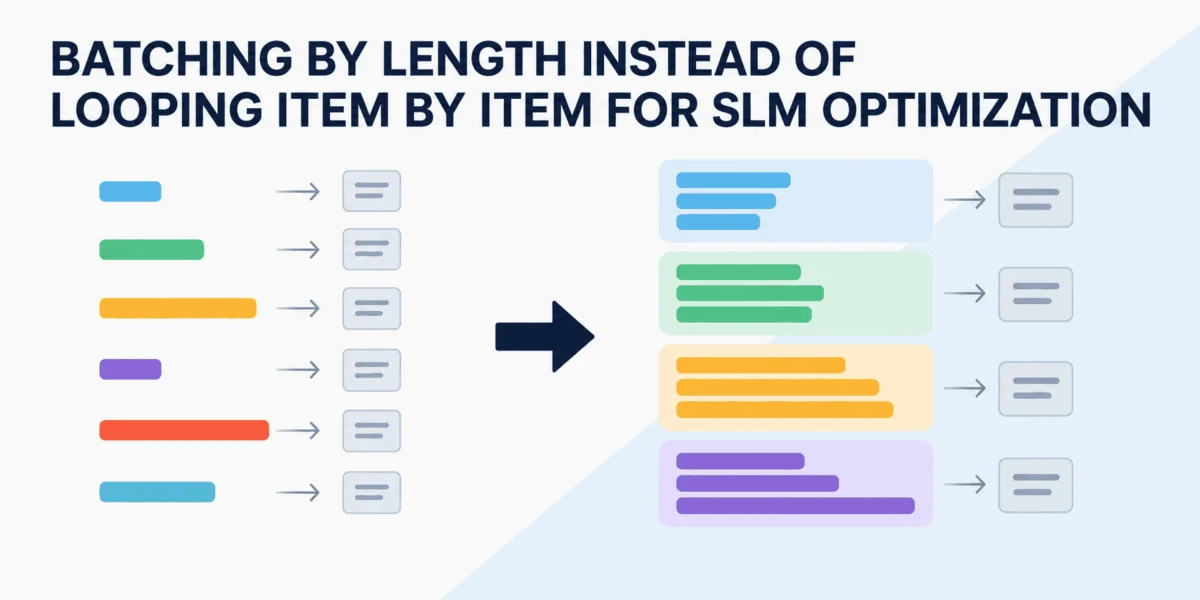
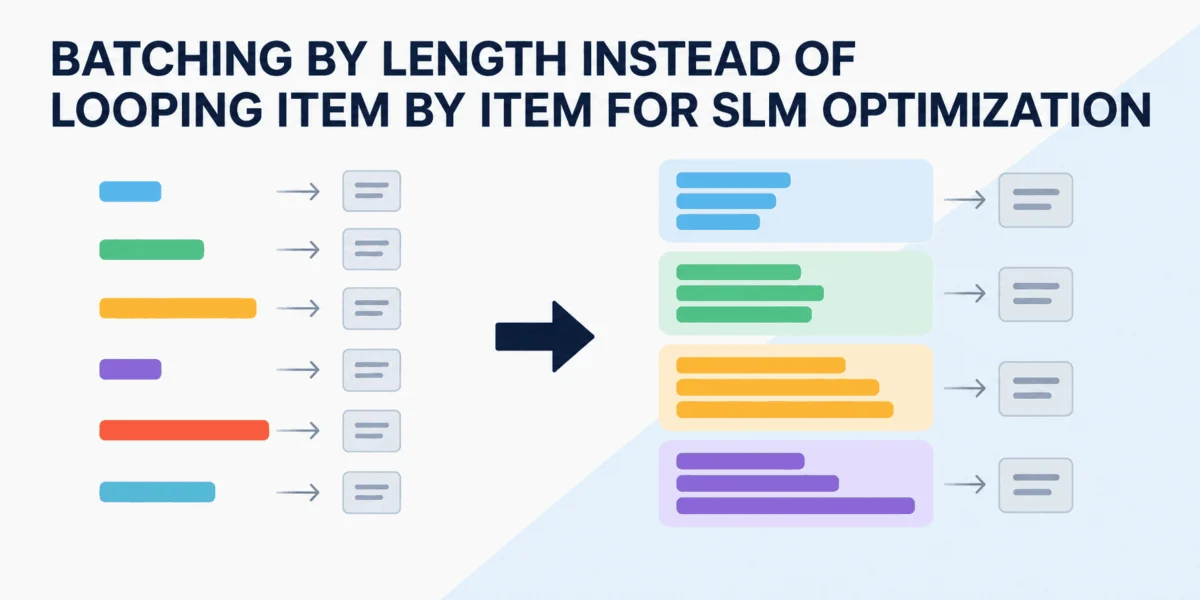
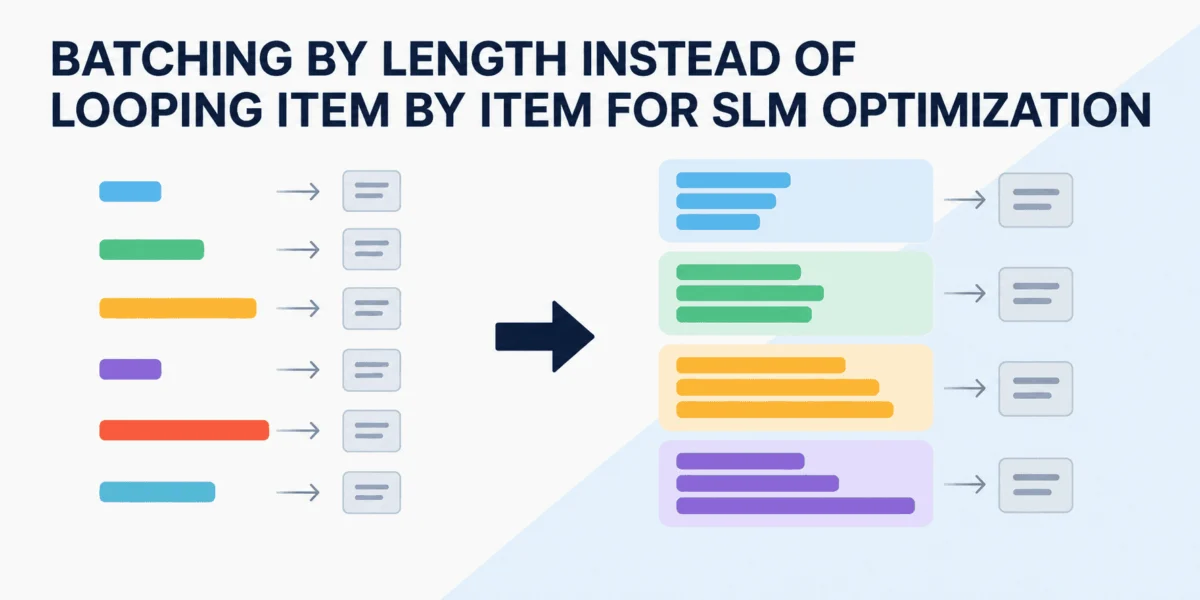
Jev’s architecture is optimized for parallel inference. While an LLM must wait for the sequential generation of tokens (a process that is inherently slow), Jev evaluates the input across all possible categories simultaneously. By stripping away the generative overhead—the need to maintain a "chat" context or "reason" through a problem—Jev achieves significantly lower latency.
The Calibration Advantage
A pivotal aspect of Jev is its training methodology, which TypeSafe AI calls RLCD (Reinforcement Learning for Calibrated Decisions). In machine learning, a model can be accurate but poorly "calibrated," meaning it might be 99% confident in a prediction that is actually wrong. Calibration ensures that the probability score reported by the model accurately reflects the likelihood of the answer being correct.
This is a massive advantage for developers. If Jev returns a 95% confidence score for a "Billing" classification, the software can trigger an automated refund. If it returns a 55% score, the software can automatically escalate the case to a human agent. This "uncertainty awareness" is a feature that many general-purpose LLMs struggle to provide consistently.

Official Responses and Independent Scrutiny
TypeSafe AI has been transparent about its performance goals, reporting an accuracy rate of approximately 68% on its internal workflow evaluations. However, as with any new AI technology, this figure invites skepticism.
Independent benchmarks are still in their infancy. While early tests in niche fact-checking scenarios have shown accuracy as high as 96.3%, these tests are currently limited in scope and volume. The primary contention among industry experts is that Jev’s accuracy is often measured against the outputs of frontier LLMs rather than ground-truth human data.
Furthermore, the "zero hallucination" claim requires a technical asterisk. Jev is a classification tool, not a creative engine. It cannot "hallucinate" in the sense of inventing facts because it is strictly bound by its schema. However, it can certainly make the wrong decision. If the schema is limited to "Technical" and "Billing," and the query is "Legal," the model will be forced to choose the "least wrong" category. This is a design constraint, not a magic bullet.
Implications: The Future of AI Integration
The rise of Jev carries significant implications for how we build the AI applications of tomorrow.
1. The Death of the "One Model Fits All" Fallacy
We are entering an era of "model-mix" architectures. A high-end, expensive LLM should be reserved for high-reasoning tasks, while specialized models like Jev handle the infrastructure, routing, and low-level decision-making. This tiered approach reduces costs, decreases latency, and improves the overall reliability of complex systems.
2. The Professionalization of "Decision Layers"
Jev highlights that AI is moving beyond "chatbots" and into "decision layers." When developers stop treating AI as a conversational partner and start treating it as a reliable software component, the entire user experience improves. A system that routes a support ticket correctly 99% of the time is more valuable to a business than a system that can explain the meaning of life but struggles to categorize an email.
3. Calibration as a New Frontier
The focus on RLCD is a signal that the industry is maturing. The next generation of AI will not just be about who has the most parameters; it will be about who has the most predictable models. Developers need to know exactly how much they can trust an AI’s output before they let it interact with a database or a customer’s credit card.
Conclusion: Is Jev Revolutionary?
To label Jev as "revolutionary" is perhaps to misunderstand the trajectory of AI development. It is not an invention of an entirely new physics; it is a refinement of a long-standing engineering challenge.
Classification, intent detection, and probabilistic modeling have been the bread and butter of data science for over a decade. What TypeSafe AI has done, however, is to take these familiar concepts and package them into a modern, accessible, and high-performance product that respects the constraints of a production environment.
Jev is not here to replace GPT-4. It is here to ensure that when we use AI, we are using the right tool for the job. In a world of over-hyped, overly complex models, there is something profoundly elegant about a tool that knows its purpose, delivers its output with calibrated confidence, and stays within its boundaries. For the developer looking to build scalable, reliable, and cost-effective AI applications, that is not just "familiar"—it is exactly what the industry needs.