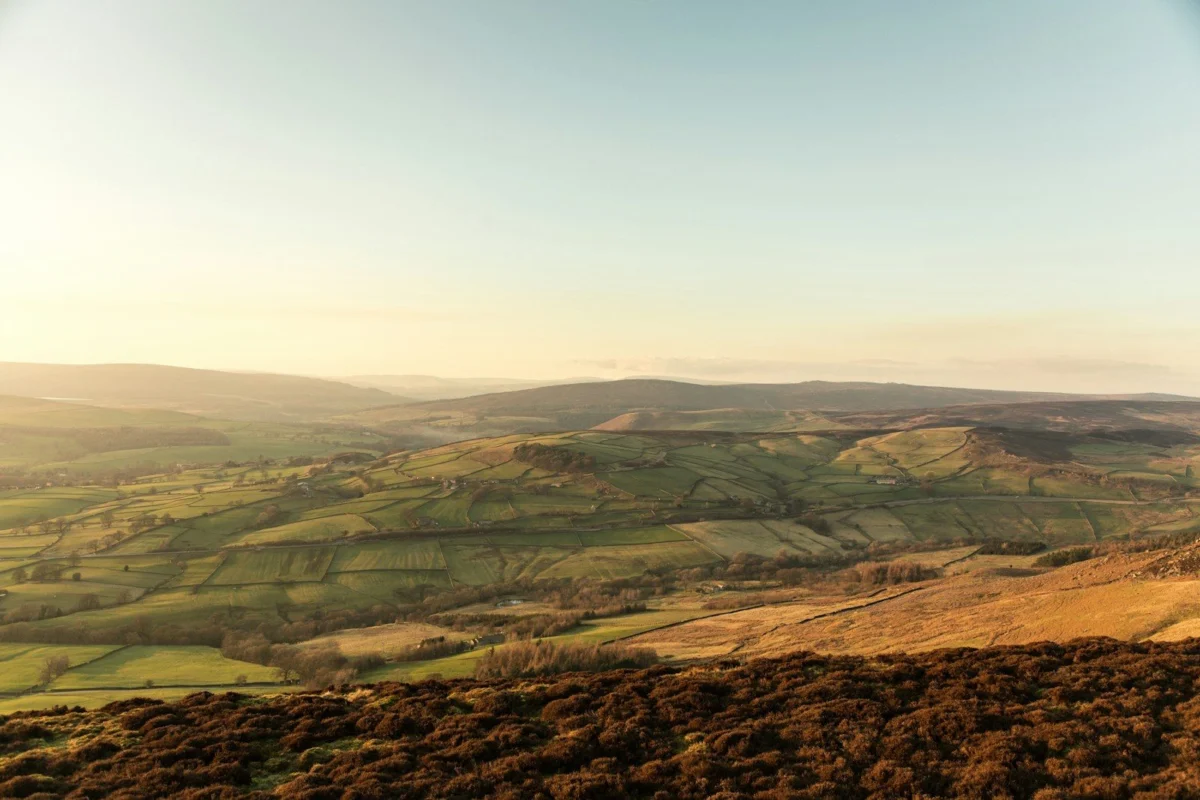
The UK government has officially announced a significant milestone in its ambitious "Shared Rural Network" (SRN) programme, confirming that over 150 4G mast upgrades are now live across the nation’s most iconic landscapes. From the rugged peaks of Eryri (Snowdonia) to the rolling expanses of the Yorkshire Dales, this infrastructure overhaul represents a paradigm shift for rural connectivity, effectively turning remote "not-spots" into digitally enabled corridors of commerce, safety, and communication.
Main Facts: A New Dawn for Rural Connectivity
The rollout, which leverages existing infrastructure to facilitate multi-operator access, has successfully extended high-speed 4G coverage across more than 5,684 square kilometres of previously underserved British territory. By upgrading these masts, the programme has unlocked seamless connectivity for users of EE, Virgin Media O2, Vodafone, and Three UK.
The primary objective of this initiative is to eliminate the "connectivity gap" that has historically plagued rural communities and hindered the tourism sector. By integrating these masts into the national grid, the government is not merely providing a convenience; it is providing a lifeline. The upgrades are designed to facilitate essential digital tasks, ranging from accessing government public services and remote working to enabling local businesses to process digital payments and manage real-time bookings. Furthermore, for the millions of tourists who frequent these national parks annually, the presence of reliable signal is a critical safety measure, ensuring that emergency services can be reached when accidents occur in remote, challenging terrain.
Chronology of the Shared Rural Network
The journey toward 95% 4G coverage across the UK landmass has been a multi-year endeavour marked by strategic public-private partnerships.
- The Inception: Recognising that the high cost of deploying infrastructure in low-density rural areas was a barrier for individual telecommunications companies, the government initiated the Shared Rural Network as a collaborative solution. The goal was to share costs and infrastructure to ensure that no part of the country was left behind in the digital age.
- The Phased Rollout: The programme began with extensive site surveys and negotiations with landowners and environmental bodies to ensure that the visual impact of mast upgrades on protected landscapes was minimised.
- The Mid-term Milestone: Throughout 2023, the focus shifted to technical integration. By synchronising the hardware to support all four major network providers, the programme ensured that a user’s choice of provider would no longer dictate their ability to access the internet in the countryside.
- The Current Achievement: As of this quarter, the programme has officially met its objective of extending 4G coverage to 95% of the UK landmass—a target achieved a full year ahead of the original government schedule. This rapid acceleration has been credited to enhanced inter-departmental cooperation and more efficient procurement processes.
Supporting Data: By the Numbers
The scale of the project is reflected in the distribution of the 42 newly active, multi-operator Shared Rural Network sites currently operating across the national park network. The geographic spread is as follows:
- England: 25 active sites, with a heavy concentration in the Lake District and the Yorkshire Dales, regions that have seen a surge in "work-from-anywhere" residents.
- Wales: 16 active sites, significantly bolstering the telecommunications resilience of Eryri (Snowdonia), a region previously notorious for its complete lack of mobile signal in deep valleys.
- Scotland: 1 active site in Loch Lomond and The Trossachs, serving as a pilot for more extensive deployments planned for the Scottish Highlands in the coming fiscal year.
The cumulative impact is an expansion of coverage area equivalent to the size of several small counties combined, effectively removing the digital "blind spots" that have persisted for over a decade in the UK’s most beautiful, yet isolated, regions.
Official Responses: The Vision for a Connected Britain
The initiative has garnered support from both government officials and industry experts who view the expansion as a prerequisite for modern national growth.
Minister of State for the Department for Digital, Culture, Media and Sport, Ian Murray, emphasised the human element of the project. "You should be able to switch off in the countryside without being cut off from the help and services you need," Murray stated. "These 150 masts are helping change that—giving walkers, visitors, and rural communities better access to signal when they are checking a route, contacting family, running a business, or calling for help."
The technical perspective is equally optimistic. Mike Hellers, Product Development Manager at the London Internet Exchange (LINX), underscored the importance of the backend infrastructure required to support this expanded mobile network. "Strengthening connectivity in rural areas is a key aspect of the UK’s growth ambition," Hellers remarked. "As more communities gain access to reliable 4G coverage, efficient traffic exchange and keeping data as local as possible will become increasingly important in delivering the low-latency, resilient services people expect."
Implications: Addressing Digital Poverty and Inclusion
While the hardware rollout is a triumph of engineering, experts warn that physical infrastructure is only the first step in the journey toward true digital equality.
Elizabeth Anderson, CEO of the Digital Poverty Alliance, highlighted that the "digital divide" is not merely about signal strength; it is about the ability to participate in the digital economy. "Connectivity continues to be taken for granted across the UK despite being something we all rely on so heavily," Anderson noted. "Rural communities, in particular, have long faced challenges as essential digital services such as healthcare, banking, and education shift online. This has a knock-on impact on wider employment and access opportunities."
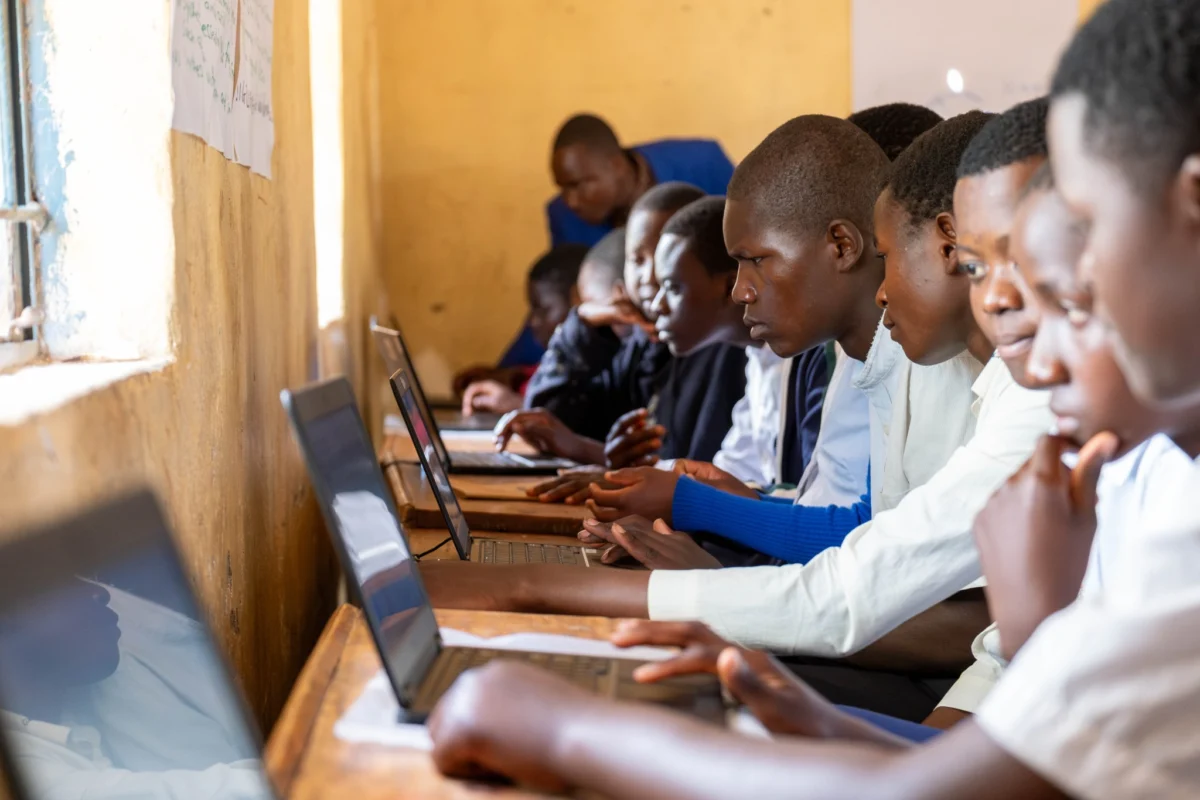
Anderson argues that the government’s next challenge must be "digital inclusion." This involves ensuring that residents in regions like Yorkshire have not only the signal but also the affordable, suitable devices necessary to leverage that signal for work and school. Furthermore, there is a pressing need for "digital literacy" programmes that ensure older populations or those less familiar with modern technology can navigate the shift to online-first public services.
The Future of Rural Connectivity
The successful deployment of these 150 masts sets a high bar for the UK’s digital infrastructure strategy. Looking ahead, the focus is likely to shift from 4G to the wider adoption of 5G in rural settings. As the Internet of Things (IoT) becomes more prevalent in agriculture—such as precision farming, automated livestock monitoring, and real-time soil analysis—the demand for high-bandwidth, low-latency data will only increase.
Moreover, the environmental and cultural preservation of these national parks remains a priority. Future mast upgrades will need to continue balancing technological progress with the aesthetic and environmental considerations of the National Trust and other conservation bodies. The goal is a "silent" technology footprint: infrastructure that is ubiquitous in its utility but invisible in the landscape.
Conclusion
The transformation of the UK’s national parks through the Shared Rural Network is a landmark achievement in the nation’s digital evolution. By ensuring that connectivity reaches the most remote corners of the country, the government is not only fostering economic resilience but also ensuring that the digital age is inclusive for all, regardless of geography.
As the nation celebrates this early milestone, the dialogue must now pivot to how these tools are utilised. With the hardware in place, the emphasis shifts to the software of society: the education, the devices, and the digital services that will ultimately define whether this investment translates into a long-term improvement in the quality of life for rural Britain. For the hiker lost on a Welsh trail, the small business owner in the Dales, or the remote worker in the Lake District, the world has just become a little bit smaller, a little bit safer, and significantly more connected.