In a landmark achievement for the burgeoning space economy, Solstar Space has successfully validated its "Deke" Space Communicator technology, marking a significant milestone in the quest to create a seamless, interconnected orbital environment. The recent demonstration, conducted during a high-stakes rendezvous and proximity operations (RPO) mission between a NASA CubeSat and a Momentus Vigoride-7 vehicle, proved that Wi-Fi-based data relay can function reliably in the harsh, high-velocity environment of Low Earth Orbit (LEO).
This demonstration represents more than just a successful hardware test; it signifies a shift in how orbital assets communicate. By leveraging the Iridium satellite constellation as a bridge back to Earth, Solstar is effectively creating an "Internet in Space," a necessity for the future of commercial space stations, orbital servicing, and debris removal missions.
The Core Achievement: Redefining Orbital Networking
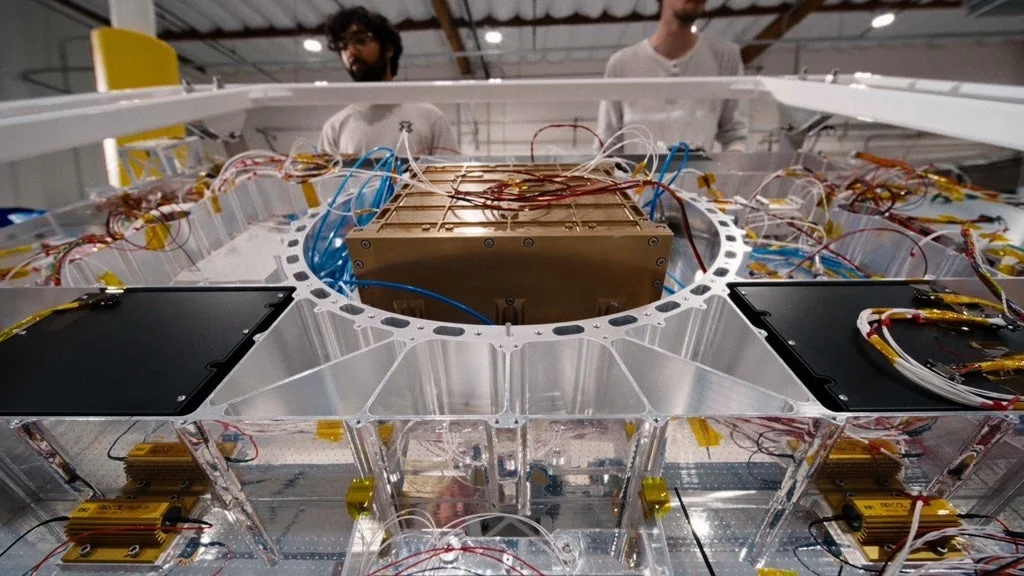
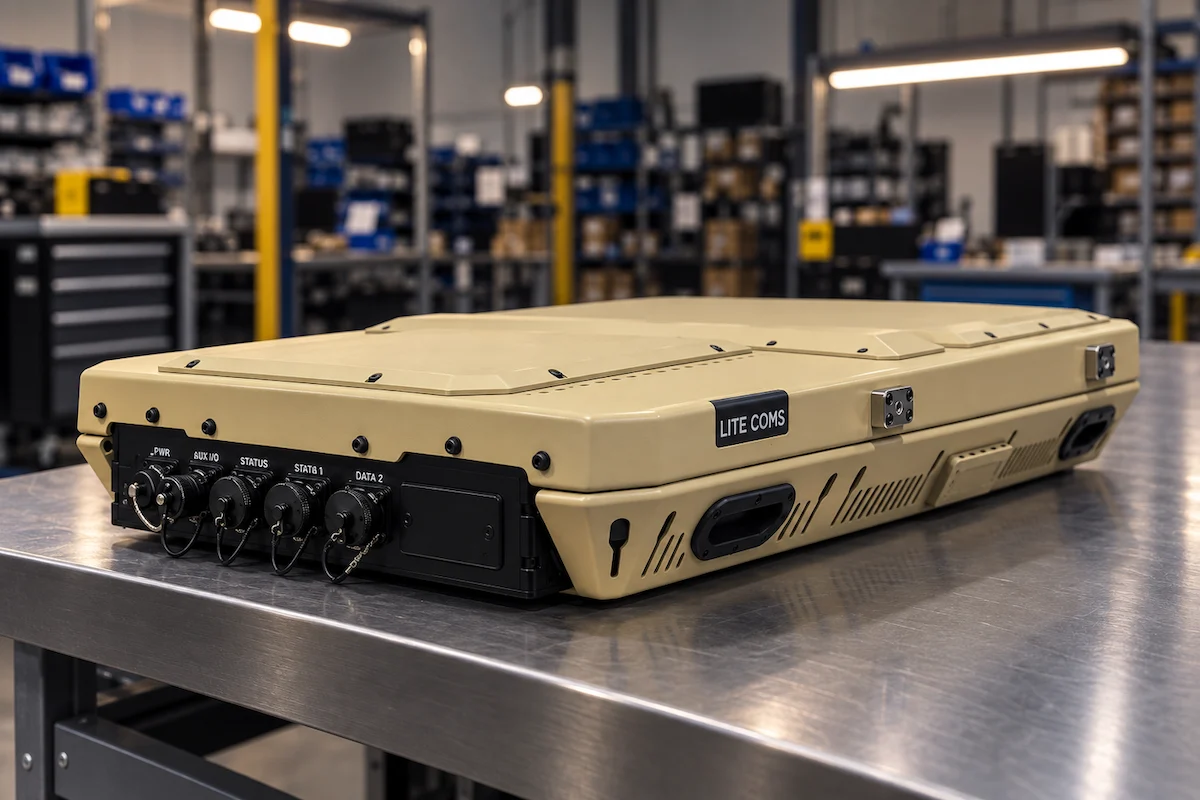
The primary objective of the mission was to test the feasibility of wireless data transmission between two distinct spacecraft operating in close formation. The Solstar Deke Space Communicator, integrated into the Momentus Vigoride-7 orbital service vehicle, acted as a central hub for mission-critical telemetry.
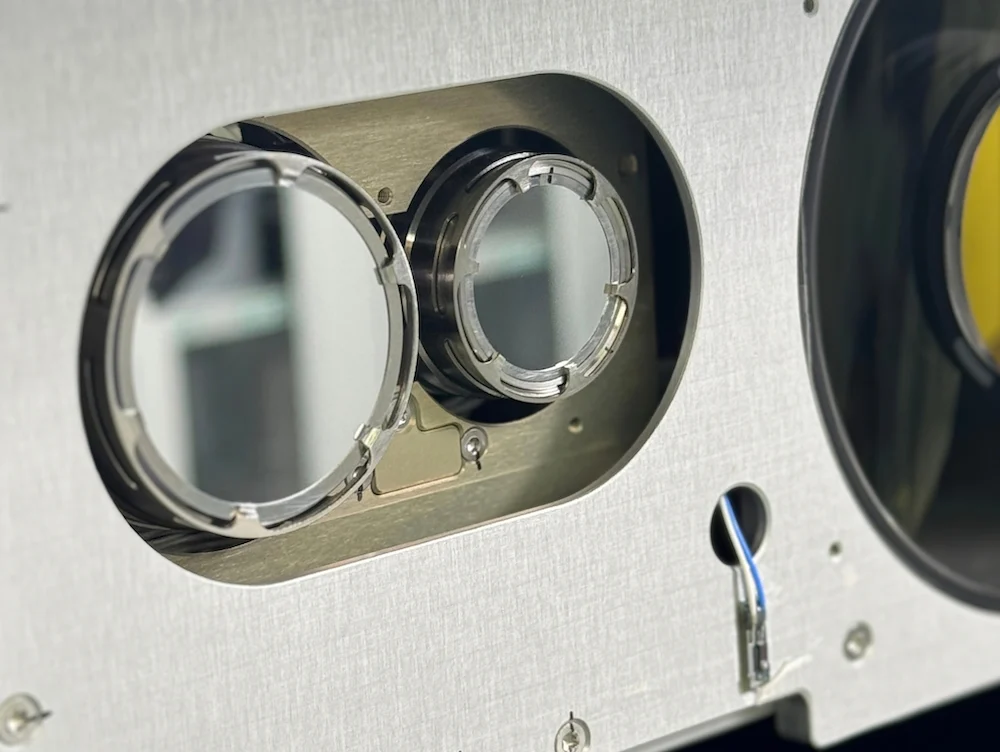
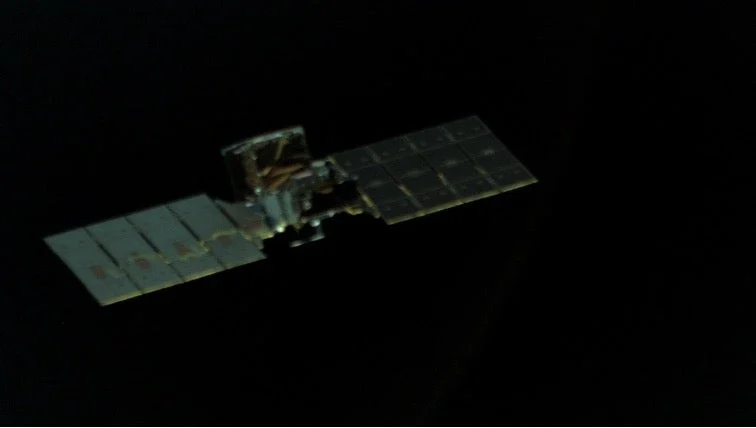
During the RPO demonstration, the NASA R5-S10 CubeSat maintained a precise formation with the Vigoride-7. As the CubeSat performed its proximity maneuvers, it captured high-fidelity imagery and sensor data intended to assess the health and structural integrity of the Vigoride vehicle. Instead of relying on traditional, complex point-to-point radio links that often require precise pointing and heavy bandwidth overhead, the CubeSat transmitted its findings to the Deke payload via Wi-Fi.
The payload successfully ingested over 2,300 distinct data files during a 30-minute operational window. These files included not only standard optical imagery but also critical infrared and LiDAR sensor data—datasets that are notoriously large and complex to transmit in real-time. Once collected by the Deke system, the information was relayed through the Iridium network to NASA’s Johnson Space Center (JSC), proving that near real-time, low-latency connectivity is achievable even during complex orbital maneuvers.
Chronology of the Demonstration
The success of the mission was the result of meticulous planning and a phased approach to orbital testing.
Phase 1: Integration and Pre-Flight Validation
Prior to launch, the Solstar Deke hardware underwent rigorous electromagnetic interference (EMI) testing to ensure that the Wi-Fi transmission would not disrupt the sensitive avionics of the Vigoride-7 or the NASA CubeSat. Once integrated, the system sat dormant, awaiting the specific orbital window required for the rendezvous.
Phase 2: Proximity Initiation
As the R5-S10 CubeSat reached the designated proximity zone, mission controllers at NASA and Momentus established the communications handshake. The Solstar payload was activated, scanning for the incoming signal from the CubeSat.
Phase 3: The Data Harvest
During the 30-minute "window of activity," the Deke communicator acted as an automated relay station. As the CubeSat flew in formation, it acted as a sensor platform, streaming data to the Vigoride-7. Solstar’s system successfully managed the packet switching, ensuring that no data was lost during the transmission from the small satellite to the larger orbital vehicle.
Phase 4: Ground Linkage
Once the data was onboard the Vigoride-7, the Deke communicator initiated the uplink to the Iridium constellation. This phase was the most critical, as it demonstrated the end-to-end viability of the system: from the sensor on the CubeSat to the terminal at Johnson Space Center.
Supporting Data and Technical Significance
The volume of data processed—2,300 files in just 30 minutes—is a testament to the efficiency of the Deke system. In the context of space operations, 30 minutes is an incredibly short timeframe to perform proximity assessments, transmit data, and verify the integrity of that data.
- Data Types: The transmission included high-resolution optical imagery, infrared thermal mapping, and LiDAR point clouds.
- Latency: By utilizing the Iridium network, Solstar bypassed the need for ground stations to be perfectly aligned with the spacecraft at the exact moment of the maneuver. This asynchronous capability allows for much greater flexibility in mission planning.
- Reliability: The mission confirmed that Wi-Fi protocols, adapted for space, can handle the high-velocity "handoffs" required when two objects are moving at over 17,000 miles per hour relative to the Earth.
Perspectives from Leadership: The Vision for a Connected Space
The success of the Deke demonstration has drawn praise from both the commercial and public sectors. For Solstar Space, this is the culmination of years of R&D focused on the "last mile" of space communications.
"This important program shows how Solstar’s technology can help spacecraft stay connected and deliver critical mission data in near real-time to flight controllers, space operators, and mission operations engineers," said Brian Barnett, Founder and CEO of Solstar Space. "We are laying the groundwork for more capable and coordinated activity in space. By treating space assets as nodes in a network, we are effectively moving away from the era of isolated, ‘one-off’ missions toward a future of collaborative, multi-spacecraft operations."
NASA’s involvement highlights the agency’s interest in fostering a commercial ecosystem that can support the next generation of exploration. For NASA, having a reliable, off-the-shelf solution for inter-satellite communication reduces the cost and complexity of developing proprietary radio systems for every small-satellite mission.
The Implications for the Future of Space Economy
The implications of this demonstration extend far beyond a single mission. The successful test of the Deke Space Communicator serves as a catalyst for several emerging trends:
1. The Rise of Orbital Servicing
As the number of satellites in LEO grows, the demand for "gas stations in space," orbital repair, and debris removal is increasing. These servicing missions require constant, high-bandwidth communication between the servicer and the client satellite. Solstar’s technology provides the standard "plug-and-play" connectivity required for these docking operations.
2. Multi-Spacecraft Formations
Scientific research, such as synthetic aperture radar (SAR) constellations or deep-space observation arrays, relies on multiple satellites flying in precise formation. The ability to share data instantly between these nodes without returning to the ground allows for more autonomous decision-making and better data synthesis.
3. Debris Mitigation
By enabling better imaging of derelict hardware, the Deke system supports the ongoing efforts of companies like Momentus to clean up the orbital environment. Improved telemetry and real-time imagery enable safer, more precise proximity operations, reducing the risk of accidental collisions during the removal of space debris.
4. Democratic Access to Space
Perhaps most importantly, this technology lowers the barrier to entry for smaller players. If a university or a startup can rely on a standard Wi-Fi-based communications protocol, they can focus their resources on their unique scientific payload rather than spending millions on developing a custom, long-range space radio.
Conclusion: A New Standard for Orbital Networking
The collaboration between Solstar, Momentus, and NASA serves as a blueprint for how the private sector and government agencies can work together to solve the fundamental challenges of space exploration. By proving that "in-space Wi-Fi" is not just a concept, but a viable, reliable tool for modern mission operations, Solstar Space has cleared a path for a more dynamic and interactive orbital ecosystem.
As we look toward the 2030s, the space economy will be defined by the density and connectivity of its assets. The Deke Space Communicator is a vital component of this transition, transforming the lonely silence of space into a bustling, connected network. The success of the Vigoride-7 mission is not just a moment in time; it is the beginning of a standardized, networked future for all who look to the stars.