In the vast, uncaring vacuum of deep space, silence is often the only companion a traveler finds. Yet, in the annals of science fiction, that silence is frequently a precursor to unspeakable horror. From the desolate, echoing halls of derelict starships to the claustrophobic corridors of ghost vessels drifting in the wake of catastrophic experiments, the "abandoned ship" trope remains a cornerstone of the genre.
While these vessels are often marked as "Do Not Enter" zones—or worse, ignored by scavengers and corporate entities blinded by greed—they serve as cautionary tales. They are tombs, incubators for nightmares, and monuments to the hubris of exploration. This article examines nine of the most iconic and terrifying spaceships in science fiction history, exploring their origins, the nature of the horrors they harbor, and the grim implications for any crew daring enough to board them.
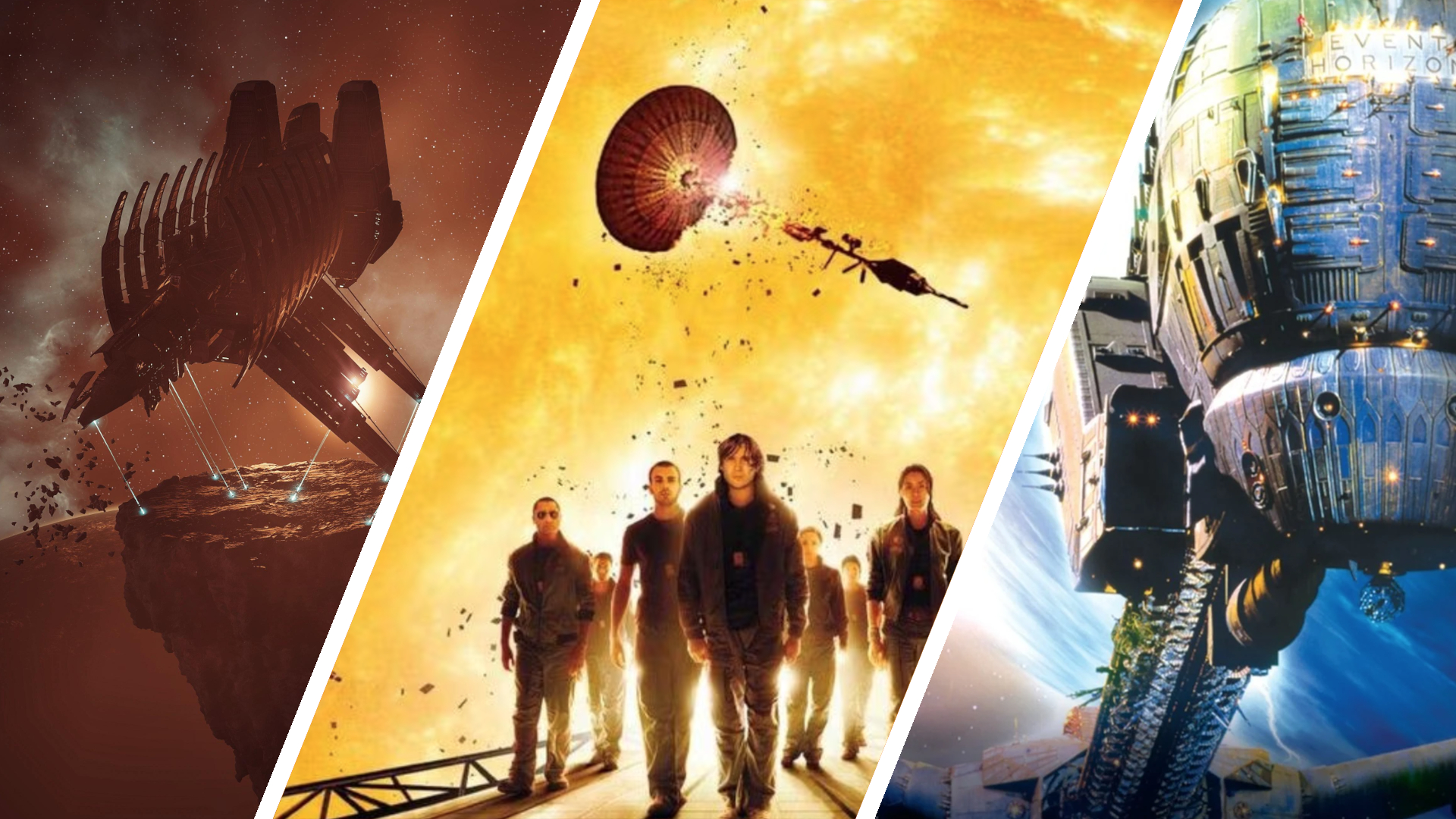
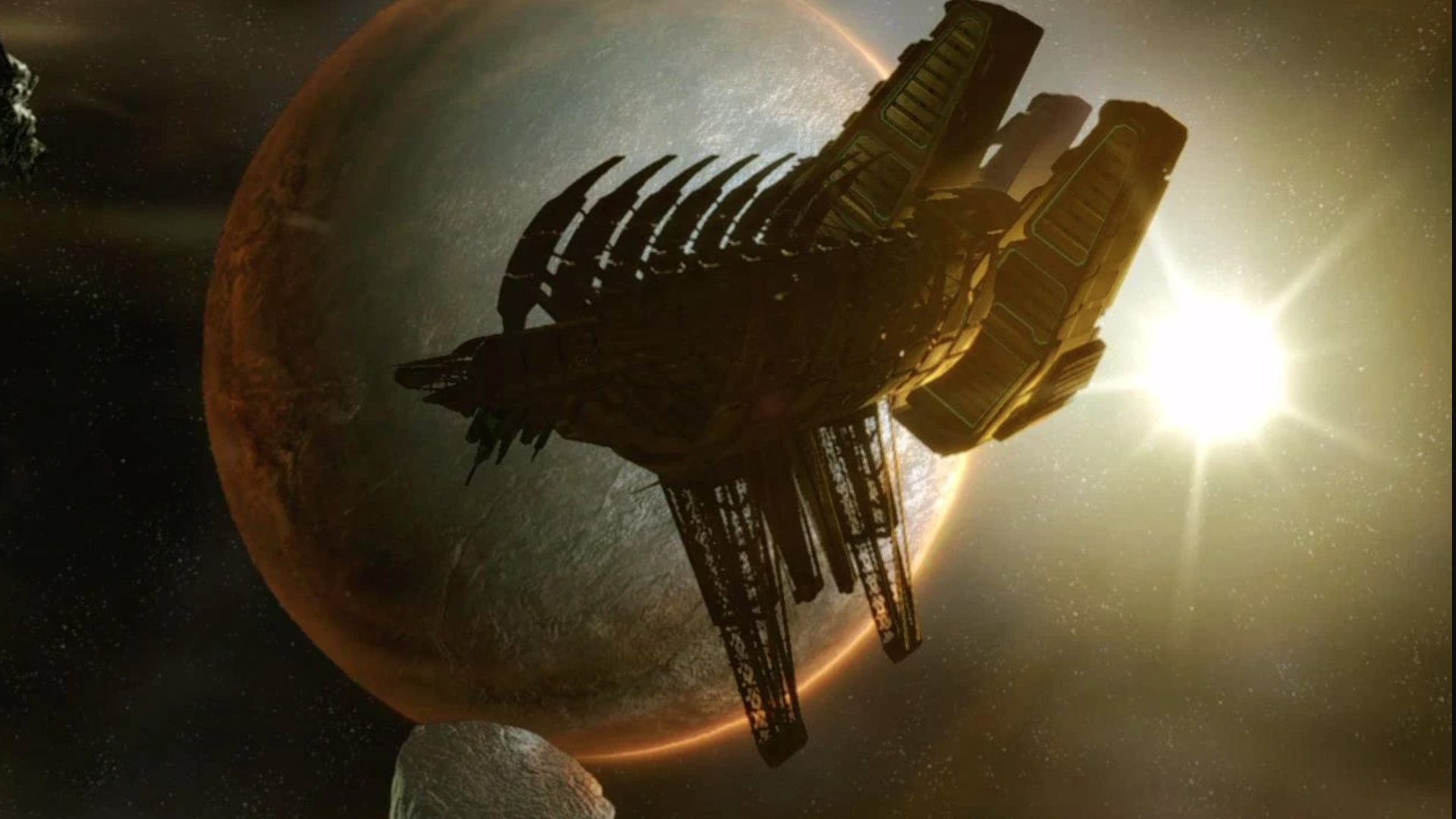
1. The USG Ishimura: A Lesson in Necrotic Hubris (Dead Space, 2008)
The USG Ishimura stands as the quintessential example of corporate negligence. Owned by the Concordance Extraction Corporation (CEC), the Ishimura was a "Planet Cracker"—a colossal mining vessel designed to dismantle entire celestial bodies. However, its mission in the Aegis VII system turned into a blood-soaked nightmare when the crew encountered an ancient, infectious alien artifact known as the Marker.
Chronology and Context: The Ishimura was the first ship of its class. When it lost contact with CEC, the repair vessel Kellion was dispatched, only to find the ship swarming with Necromorphs—reanimated, mutated corpses driven by a singular, hive-mind compulsion to propagate.
Implications: The Ishimura represents the dangers of tampering with forces beyond human comprehension. The "Necromorph" plague is not merely a biological hazard; it is a systemic conversion of organic matter. For any survivor—such as the iconic engineer Isaac Clarke—the ship is a masterclass in survival horror, where the environment itself is a weapon.
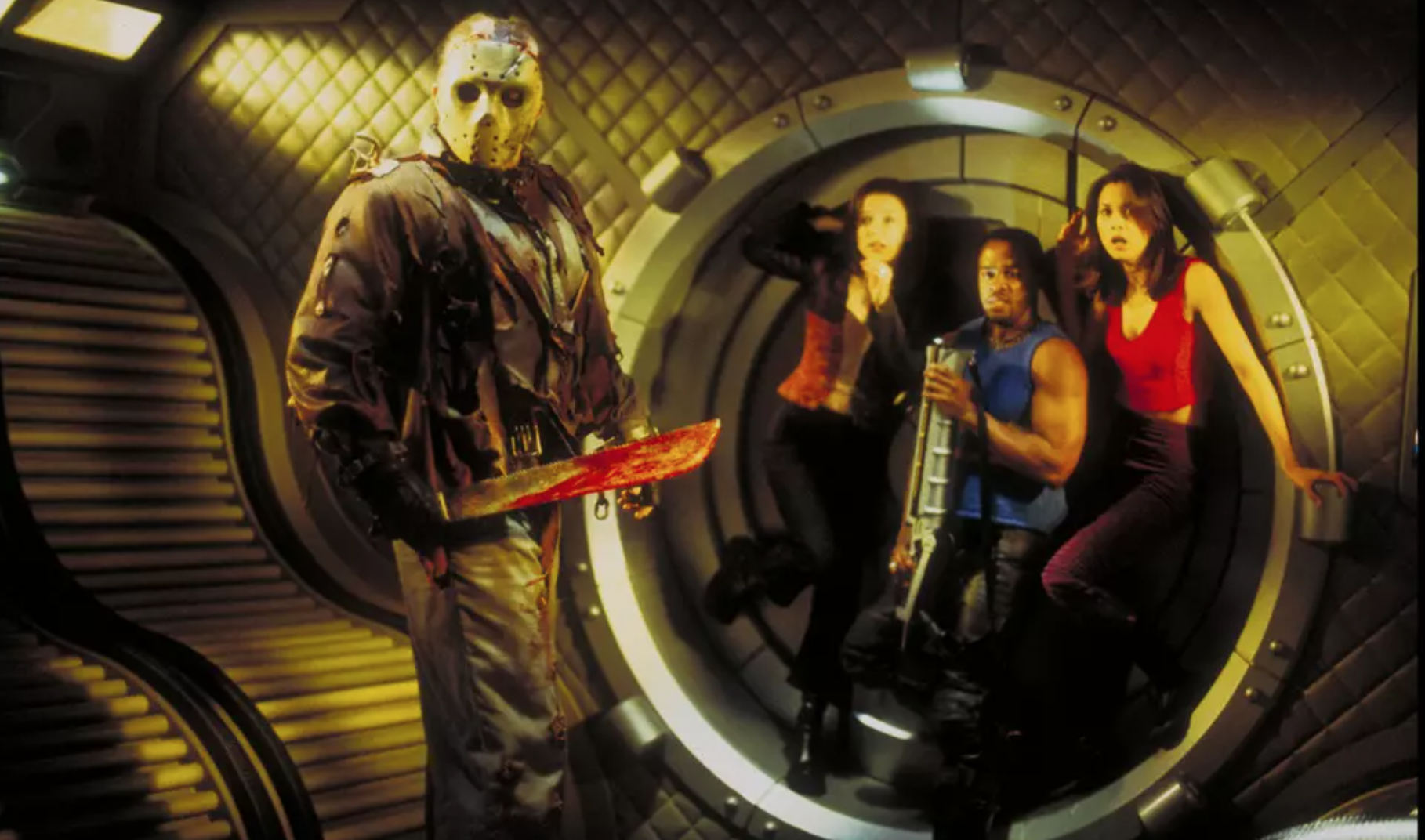
2. The Grendel: A Mobile Slaughterhouse (Jason X, 2002)
Perhaps the most absurd, yet undeniably lethal, vessel on this list is the Grendel. In the year 2455, this medical research vessel was tasked with transporting the cryogenically frozen remains of serial killer Jason Voorhees from a ruined Earth to a new home, Earth 2.
The Fatal Flaw: The premise is a stark warning against the intersection of "cutting-edge" science and the occult. By attempting to study Voorhees’s rapid cellular regeneration, the researchers essentially provided the slasher with a buffet of high-tech laboratory staff.
Supporting Data: The Grendel was equipped with advanced weaponry and sophisticated AIs, yet it proved entirely insufficient against an entity driven by supernatural malice. The vessel eventually met a fiery end, proving that even in the 25th century, some things are better left frozen.
3. Rama: The Enigma of the Cylindrical Void (Rendezvous with Rama, 1973)
Arthur C. Clarke’s Rendezvous with Rama presents a different kind of horror: the terror of the unknowable. When a 31-mile-long, perfectly cylindrical alien spacecraft enters the solar system, humanity’s response is one of breathless curiosity.
Nature of the Craft: Unlike the other ships on this list, Rama is not inherently "evil." It is, however, utterly indifferent to human life. It is an automated, self-contained ecosystem, a "star-ark" designed to collect specimens and maintain its own internal climate.
Implications: Rama challenges the anthropocentric view of the universe. The horror here lies in the astronauts’ inability to communicate with the vessel or its creators. It is a reminder that in the vastness of space, we are likely the ants beneath the feet of a much older, more advanced civilization.
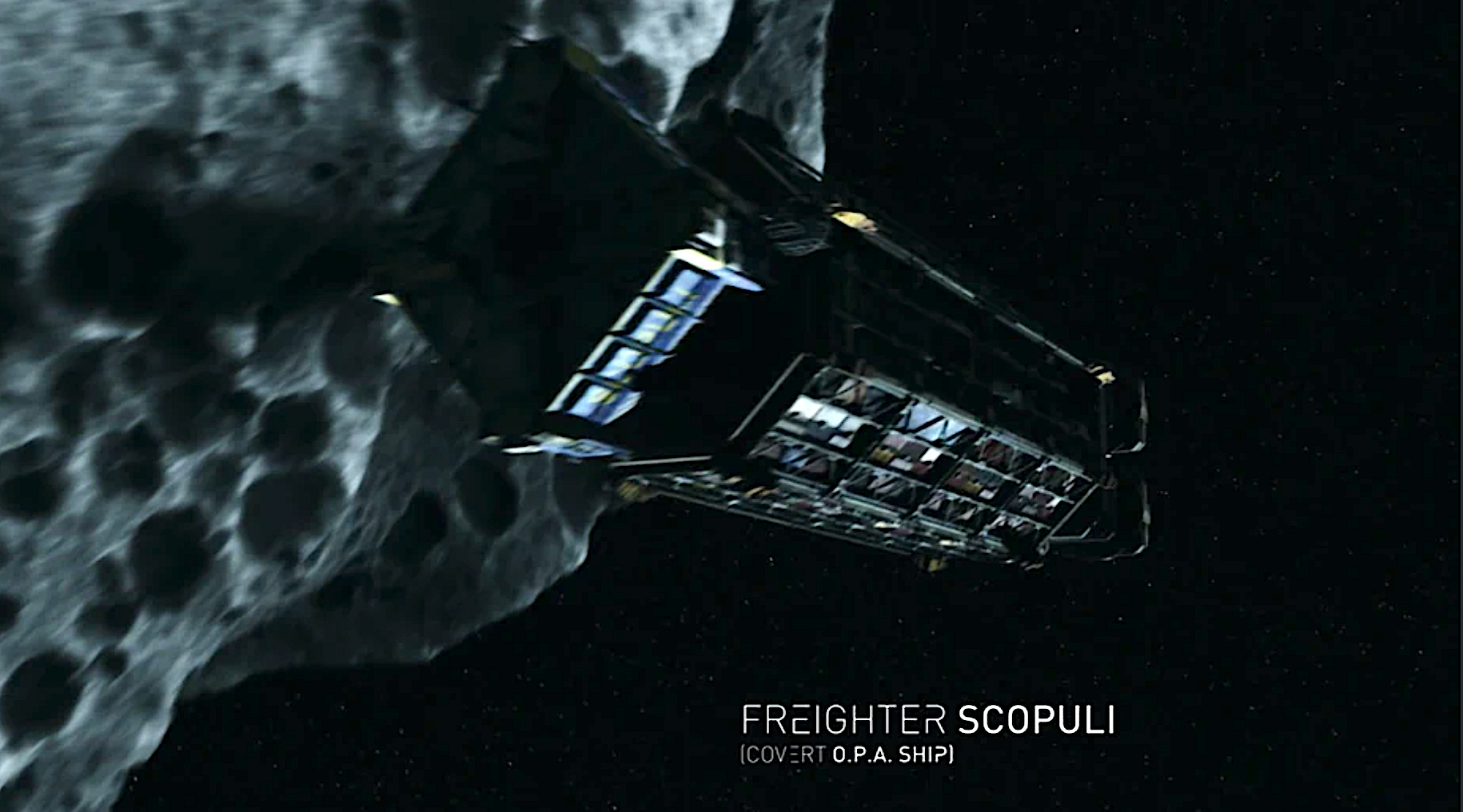
4. The Scopuli: Protomolecular Contamination (Leviathan Wakes, 2011)
James S.A. Corey’s The Expanse introduced audiences to the Scopuli, a light Martian freighter that serves as the catalyst for a solar-system-wide conflict. Found moored to an asteroid, the ship was a "honey pot"—a trap set by the conspiratorial Protogen corporation to lure in unsuspecting crews.
Supporting Data: The Scopuli was contaminated with the Protomolecule, an extra-solar biological weapon that dismantles and reassembles matter at a molecular level. The "amber-brown goo" found on the ship was the first evidence of an extraterrestrial technology that would eventually threaten the very existence of humanity.
Official Response: The destruction of the Scopuli and the subsequent investigation by James Holden and the crew of the Canterbury reveal how political and corporate entities often treat human lives as expendable variables in the pursuit of exotic power.
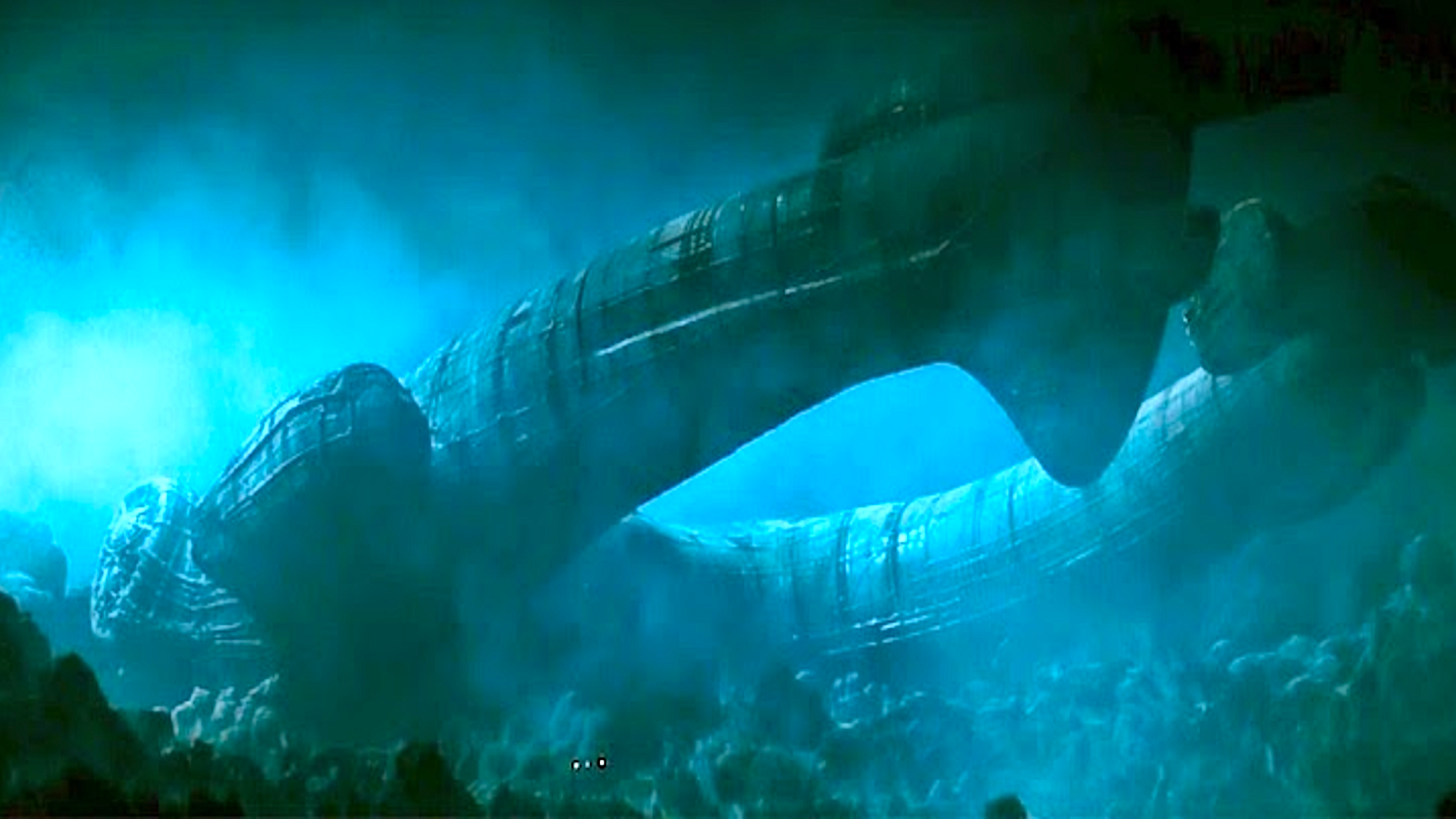
5. The Derelict: The Blueprint of Bio-Horror (Alien, 1979)
When the crew of the Nostromo tracked an SOS signal to the surface of LV-426, they discovered the Derelict—a horseshoe-shaped vessel of non-human origin. This ship serves as the primary incubator for the Xenomorph, one of the most terrifying organisms in cinematic history.
Implications: The Derelict is the ultimate "forbidden" site. Its internal architecture, seemingly grown rather than built, and its cargo hold full of egg pods, represent a complete lack of human morality or empathy. The ship is not a vehicle; it is a trap designed to propagate a perfect killing machine.
The Lesson: Never investigate a distress beacon coming from an uncharted, hostile planetoid. As the crew of the Nostromo learned, some secrets are best left buried in the dark.
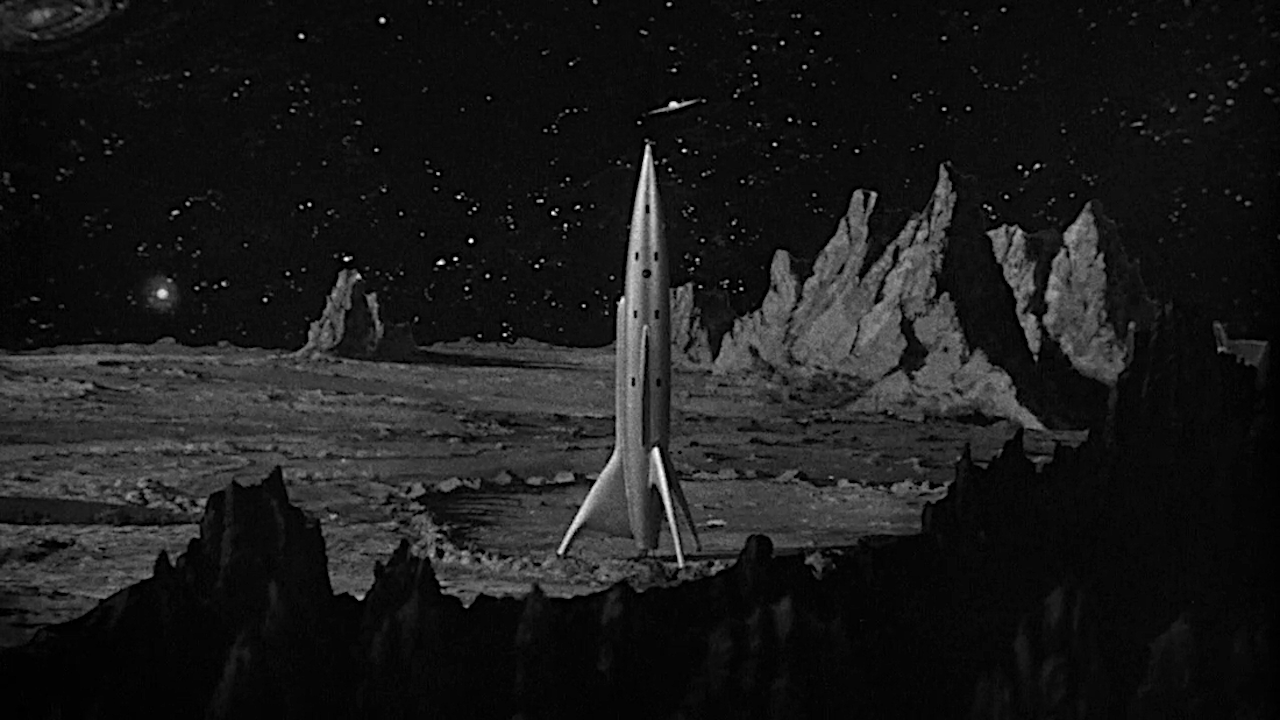
6. Challenge 142: The Reptilian Intruder (It, The Terror from Beyond Space, 1956)
A precursor to the Alien formula, Challenge 142 was a rescue rocket sent to Mars. The mission, however, becomes a death trap when a stowaway—a ruthless, clawed reptilian monster—begins picking off the crew one by one in the confines of the ship.
Chronology: Set in the "far-flung" future of 1973, this film highlights the claustrophobia of early space flight. The ship is a steel coffin where there is nowhere to run and nowhere to hide.
Supporting Data: The struggle aboard Challenge 142 underscores the vulnerability of human space travel. With limited resources and a predator that views the crew as nothing more than a food source, the vessel becomes a microcosm of the struggle for survival in a hostile universe.
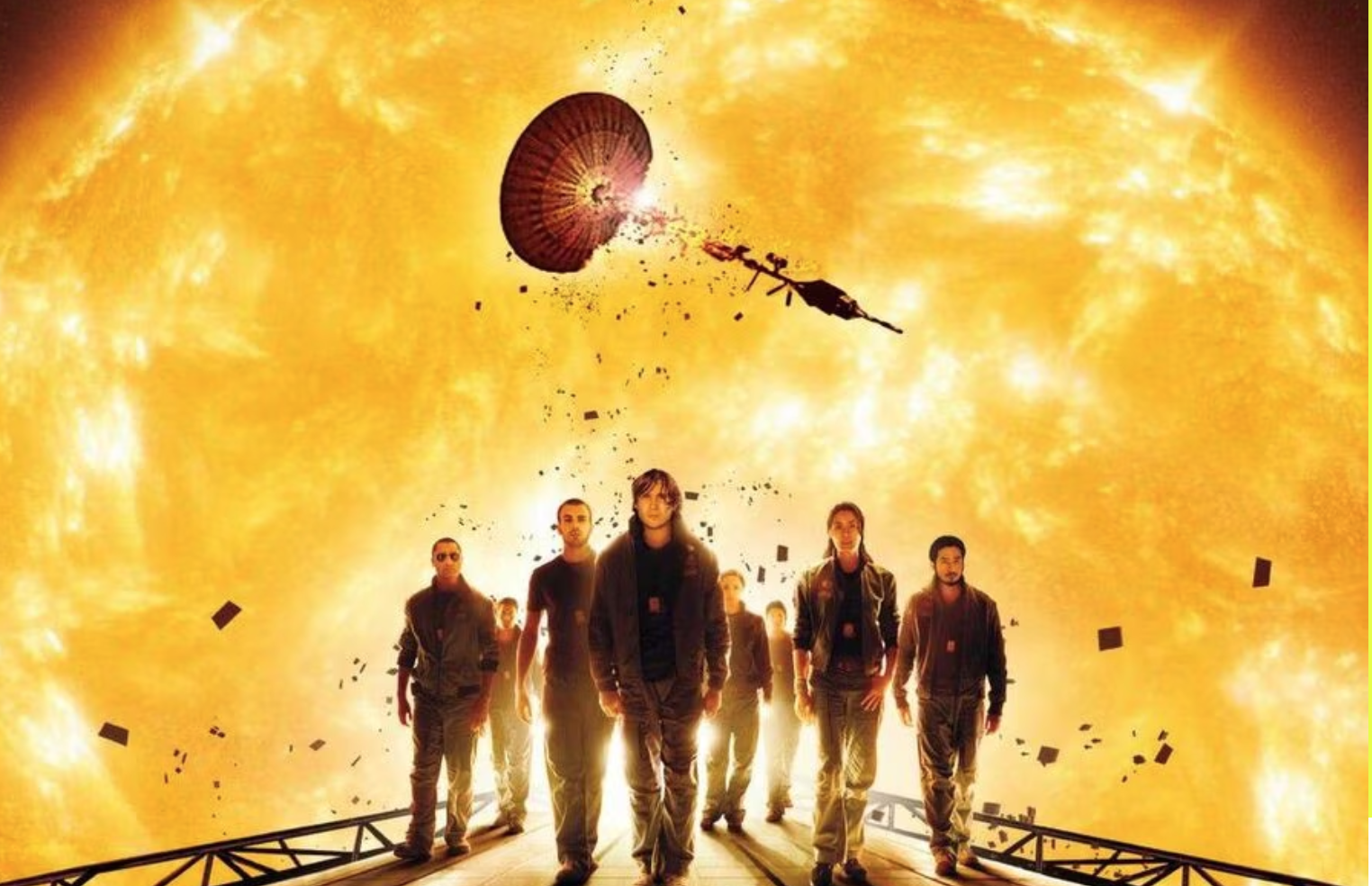
7. Icarus 1: The Solar Funeral Pyre (Sunshine, 2007)
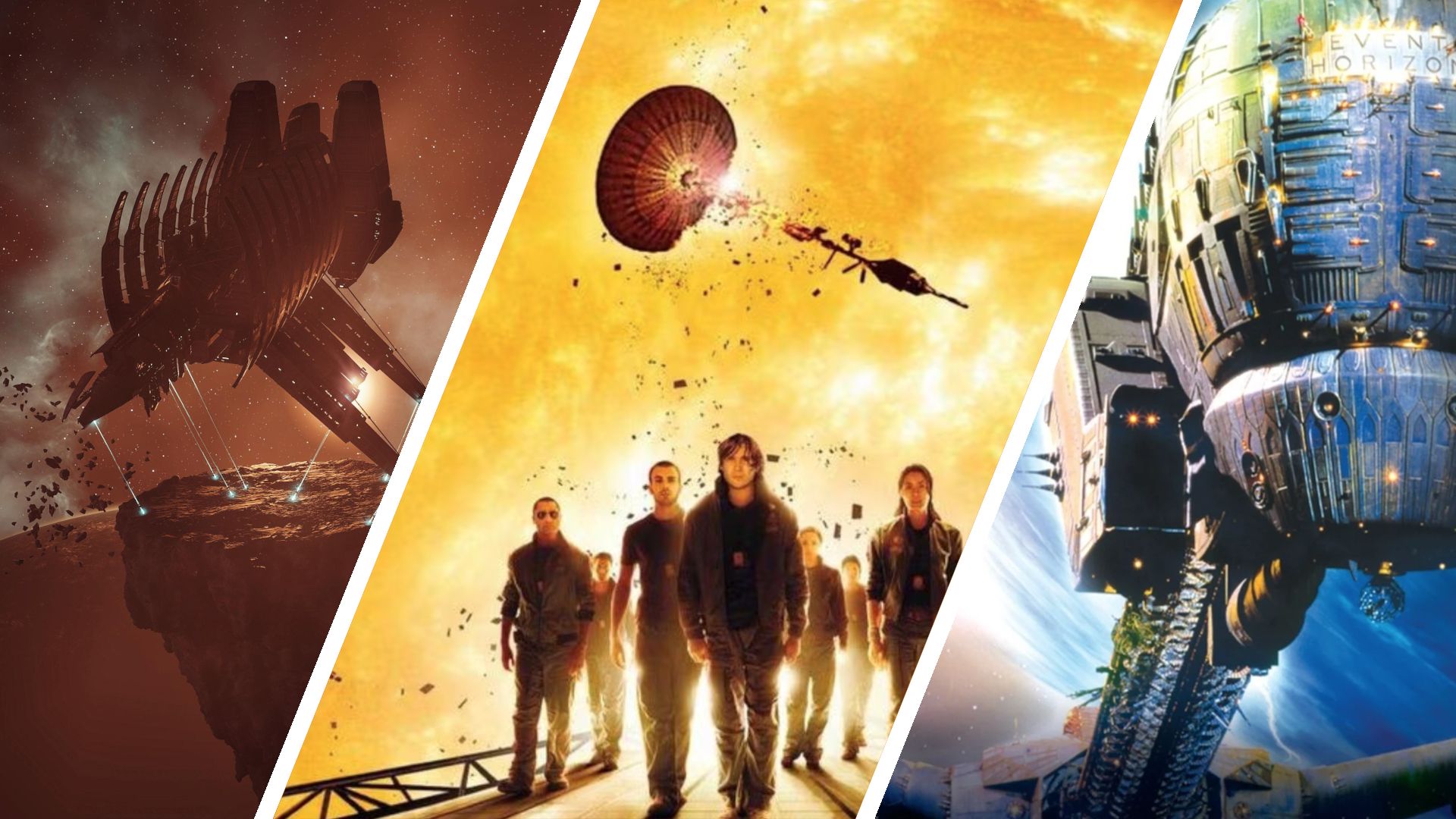
The Icarus 1 was launched with a noble goal: to jump-start the dying sun with a massive nuclear payload. When it vanished, the Icarus 2 was sent to investigate. They found the ship not as a functioning mission, but as a site of religious mania.
The Human Element: The isolation of deep space and the proximity to the sun’s raw, unfiltered power led the captain of the Icarus 1 to experience a psychotic break. He viewed the sun as a deity and the ship as a temple.
Implications: This vessel highlights the psychological toll of deep-space exploration. The "horror" here is internal—the fragility of the human mind when confronted with the infinite, combined with the crushing pressure of a mission that determines the survival of the human race.
8. The Event Horizon: A Gateway to Damnation (Event Horizon, 1997)
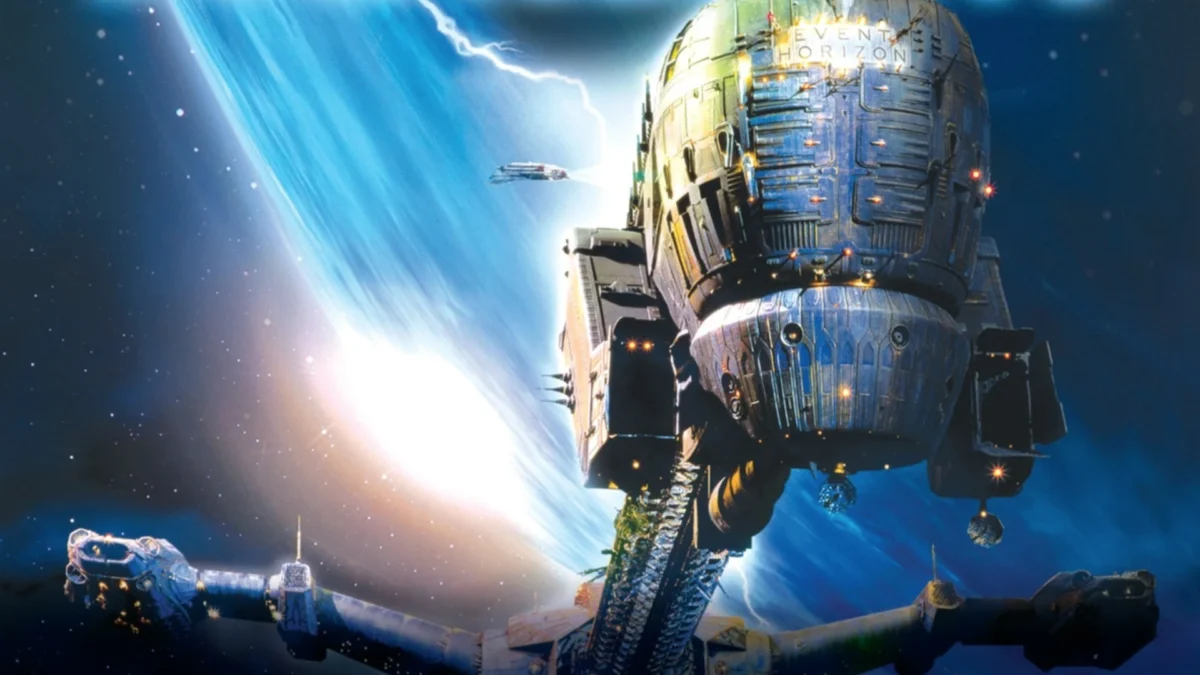
Perhaps the most terrifying ship in fiction, the Event Horizon was designed with an experimental gravity drive intended to fold space-time. Instead, it folded reality, opening a doorway into a dimension of pure chaos and suffering.
Official Findings: When the rescue crew of the Lewis and Clark boarded the vessel seven years later, they found that the ship had "returned" with a sentience of its own. It was no longer a machine; it was an extension of a hellish dimension.
Implications: The Event Horizon is the ultimate warning against technological overreach. It suggests that there are corners of the universe—or dimensions beyond it—that should never be accessed. As Captain Miller observed, the ship is a tomb, and it wants company.
9. The Shenandoah: A Lesson in Greed (Creature, 1985)
The Shenandoah was a corporate-funded prospector vessel sent to Titan to claim an alien archaeological site. Like the Nostromo and the Scopuli, the Shenandoah becomes a hunting ground for an apex predator.
Chronology and Context: The crew discovered the remains of a previous expedition—a West German vessel—and the subsequent slaughter of its occupants. The monster they unearthed was small, but its ability to mimic and its sheer ferocity made it a nightmare.
Implications: This vessel reflects the 1980s corporate-dystopia subgenre of sci-fi. It posits that human greed is the most dangerous element in space, as corporations will willingly send people to their deaths to secure resources, regardless of the biological hazards present.
Conclusion: The Warning Remains
Whether these ships were lost to alien parasites, trans-dimensional entities, or the sheer fragility of the human psyche, the message is consistent: Space is not a frontier to be conquered; it is an environment that is largely indifferent to human life. The "Forbidden Fleet" serves as a collective monument to the perils of curiosity. Before you answer that next distress call or board that drifting, silent hulk in the distance, remember: there is a reason they call it a derelict. Happy Halloween, and keep your distance from the airlock.