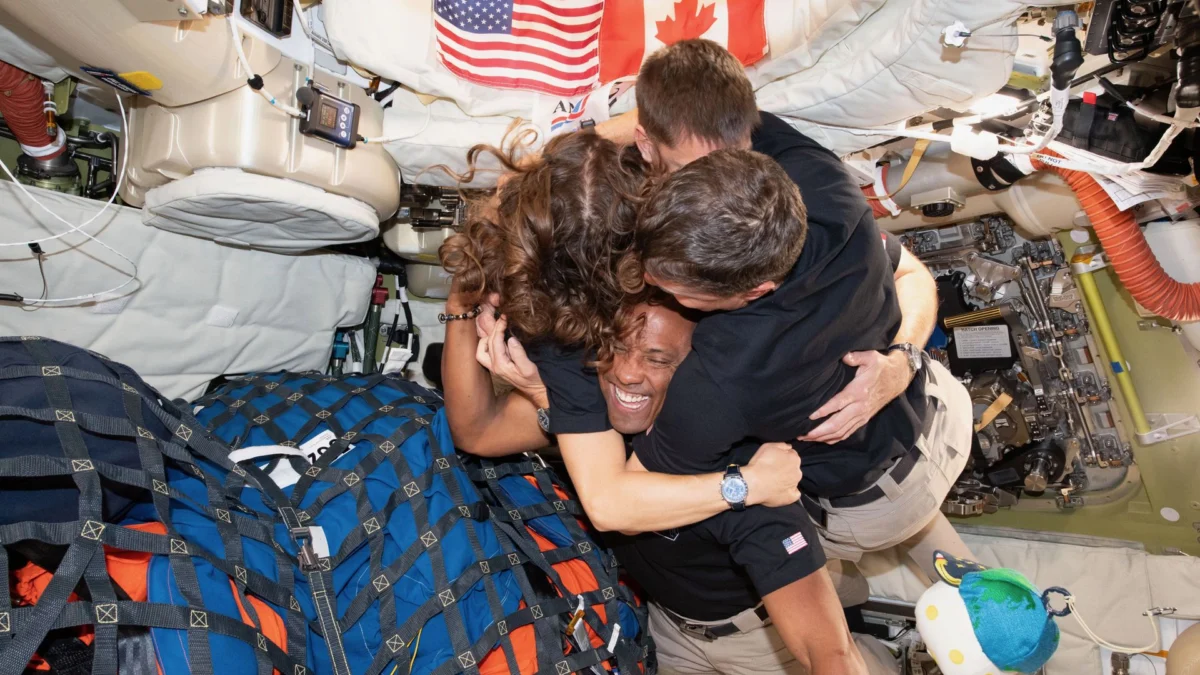
The historic mission that once again proved humanity’s capacity for deep-space travel has officially concluded its final chapter of personnel transitions. Reid Wiseman, the commander of NASA’s groundbreaking Artemis II mission, has been named the associate vice president and deputy director of the Jet Propulsion Laboratory (JPL), marking the final step in a post-mission exodus for the entire four-person crew.
This appointment, announced by Caltech, signifies a transition from the physical "edge of the possible"—the lunar far side—to the intellectual and technical "edge" of robotic exploration. As Wiseman prepares to step into his new role on November 30, he joins a growing trend of elite spacefarers pivoting from active flight status to high-level leadership, research, and academia.
The Final Piece of the Artemis II Puzzle
The Artemis II mission, which captivated the globe in April 2026, was more than just a 10-day loop around the moon; it was a cultural and technical touchstone. As the crew returned from the furthest reaches of space ever traveled by humans, they brought with them a sense of renewed purpose for the Artemis program. However, in the months following their splashdown, the quartet has collectively signaled that their time in the pressurized confines of an Orion capsule has reached its natural conclusion.
Wiseman’s appointment to the Jet Propulsion Laboratory completes a rapid-fire series of career shifts for the crew:
- Reid Wiseman (Commander): Appointed as Caltech associate vice president and deputy director of JPL.
- Victor Glover (Pilot): Transitioned to executive advisor to the president of California Polytechnic State University (Cal Poly).
- Christina Koch (Mission Specialist): Appointed as NASA’s acting deputy chief engineer, effective November 1.
- Jeremy Hansen (Mission Specialist): Returned to active duty with the Royal Canadian Air Force as a reservist.
The transition of these four individuals to such diverse fields—ranging from academic administration and engineering oversight to national defense—highlights the immense value placed on the operational experience of astronauts who have faced the unique pressures of deep-space flight.
A Legacy of Technical and Operational Excellence
Reid Wiseman’s transition is not merely a lateral move; it is a strategic acquisition for JPL. Wiseman, a retired U.S. Navy captain and veteran test pilot, brings a wealth of experience that is difficult to replicate. His background includes 165 days in orbit during ISS Expeditions 40 and 41, where he conducted two spacewalks totaling nearly 13 hours.
Beyond his flight hours, Wiseman served as NASA’s chief astronaut from 2020 to 2022. During this period, he was responsible for the grueling logistics of crew readiness, flight safety protocols, and the selection of personnel for future missions. This period of management was critical, as it coincided with the height of the Artemis program’s development, forcing Wiseman to balance the rigid requirements of legacy NASA systems with the agility required for the emerging commercial space sector.
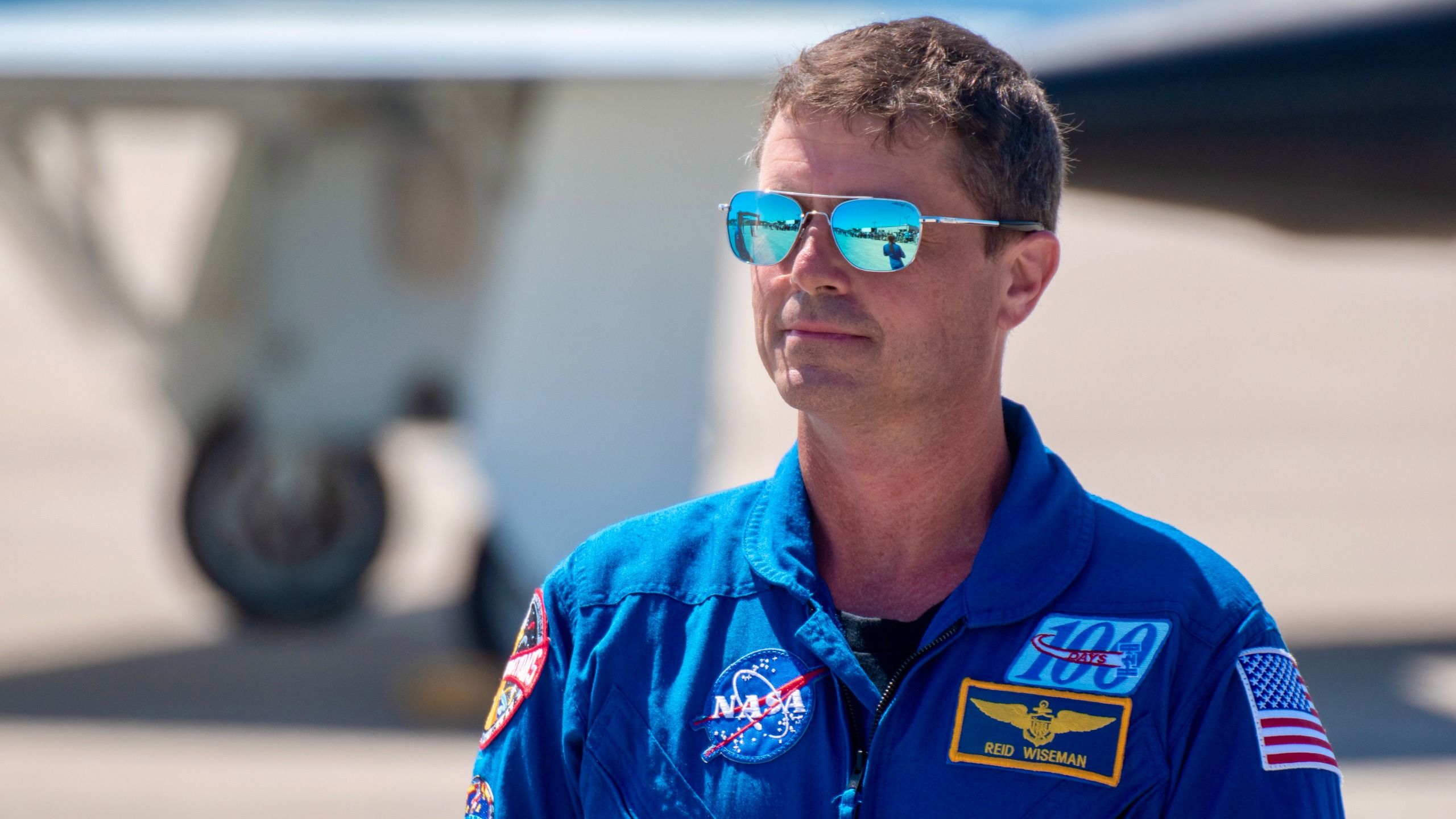
As the new deputy director, Wiseman will serve under Director Dave Gallagher. His mandate is clear: provide the "strategic leadership, stewardship, and continuous improvement" necessary to keep JPL at the forefront of space exploration.
The Mission: A Stepping Stone to 2028
The Artemis II mission serves as the foundation for the upcoming Artemis III and IV missions. By testing the Orion capsule’s life support and navigation systems in the harsh, radiation-heavy environment of deep space, Wiseman and his crew validated the hardware that will eventually support a permanent human presence on the moon.
Current projections for the Artemis program remain ambitious. NASA is targeting mid-2027 for the Artemis III flight test, which will integrate the Orion spacecraft with lunar landers provided by SpaceX (Starship) and Blue Origin (Blue Moon). This test is intended to be the final dress rehearsal before the program’s inaugural crewed lunar landing in 2028.
The success of these upcoming milestones relies heavily on the work done at institutions like JPL. While the public often focuses on the astronauts, the robotic missions that scout landing sites, map lunar resources, and provide deep-space communication are the silent partners of the Artemis program. Wiseman’s move to JPL effectively bridges the gap between the human-rated exploration of the Artemis missions and the robotic intelligence required to sustain a lunar base.
Official Responses and Strategic Implications
The selection of Wiseman has been met with universal praise from the highest echelons of the aerospace community. NASA Administrator Jared Isaacman emphasized the specific qualities that made Wiseman the ideal candidate for the JPL role: "Reid has spent his career at the edge of what is possible, and he has the technical judgment, operational experience, and leadership to help push that edge farther."
For his part, Wiseman reflected on his time in the lunar orbit with a sense of profound perspective. "I’ve explored the furthest reaches of what a human can explore at NASA," Wiseman stated during the announcement. "There were truly no words in the English vocabulary to describe seeing the sun disappear behind the moon from deep space. But that experience was really the jumping-off point to go do the impossible things that Caltech and JPL dream, dare together, and do for NASA and the nation."
The implication of this appointment is that JPL is preparing for a new era of integration. As NASA moves toward a permanent lunar and eventually Martian presence, the distinction between "robotic exploration" and "human exploration" is blurring. By placing a veteran of deep-space flight in a position of leadership at the laboratory responsible for the Perseverance and Curiosity rovers, the Europa Clipper, and the Voyager probes, the agency is signaling a move toward more cohesive, mission-critical synergy.
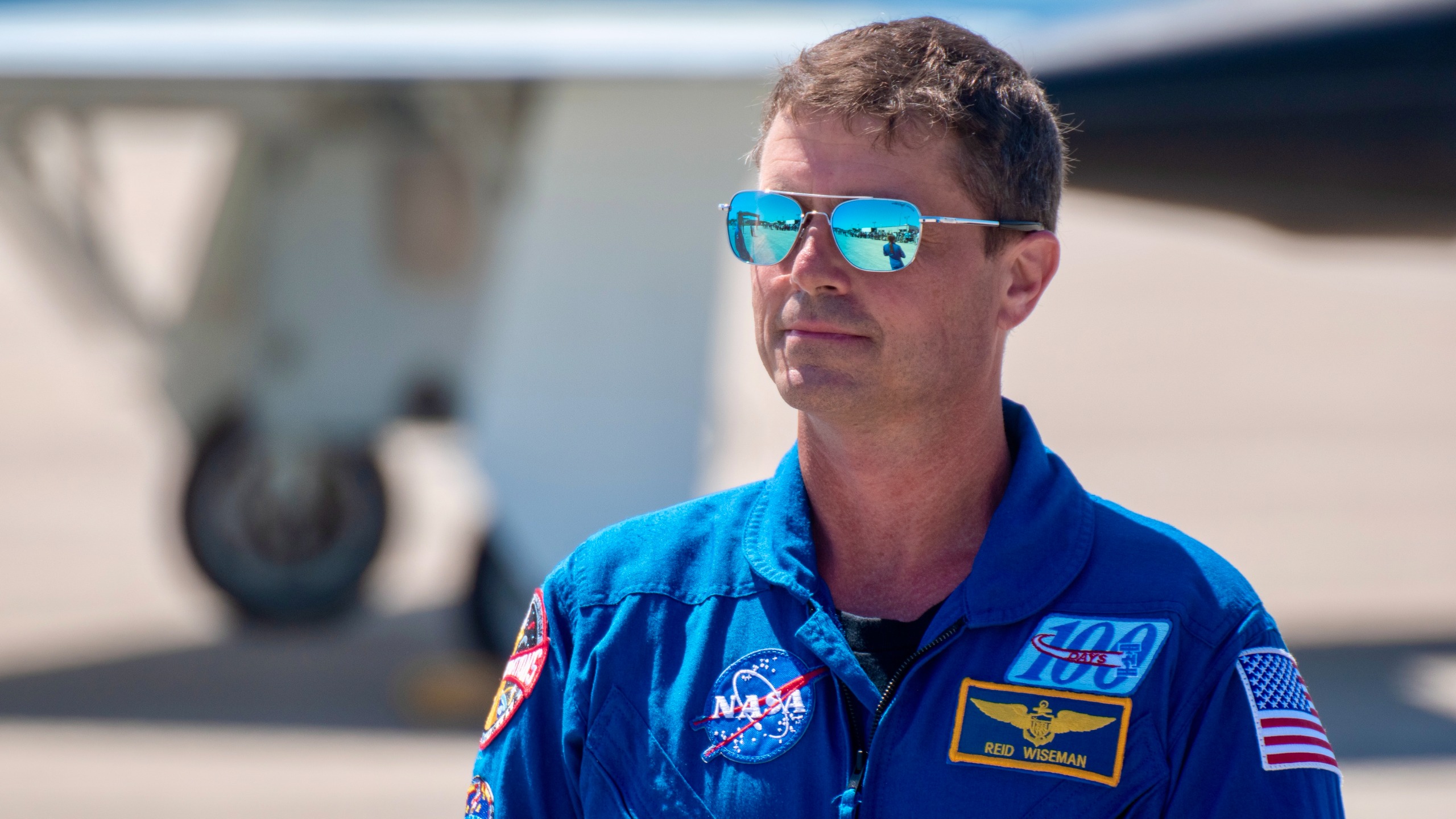
The Role of JPL: The "Brain" of NASA’s Exploration
To understand why Wiseman’s move is significant, one must understand the unique role of the Jet Propulsion Laboratory. Managed by Caltech, JPL is a federally funded research and development center that acts as the primary engine for NASA’s uncrewed planetary exploration.
The lab is responsible for:
- Planetary Science: Designing and operating the rovers and orbiters that uncover the history of Mars and the outer planets.
- The Deep Space Network (DSN): The primary global communication system for all of NASA’s interplanetary spacecraft. Without the DSN, human missions to the moon and beyond would be effectively "blind" and "deaf."
- Advanced Technology: Developing the autonomous systems, high-gain antennas, and landing technologies that will be essential for the next generation of lunar and Martian habitats.
Wiseman’s role as deputy director will involve overseeing these complex systems. His experience as an astronaut—someone who has relied on the very telemetry, communications, and life-support systems that JPL develops—provides him with a "user-perspective" that is rare in high-level research administration. He is not just an administrator; he is an end-user of the most critical technology in the solar system.
A Changing of the Guard
The departure of the Artemis II crew from active flight status does not signal a waning of interest in space, but rather a redistribution of talent. As the Artemis program transitions from the excitement of the "first return" to the grind of "permanent habitation," the leadership requirements have shifted.
The crew members have essentially taken on roles that support the long-term sustainability of the programs they helped launch. Whether it is Victor Glover mentoring the next generation of engineers at Cal Poly, or Christina Koch applying her flight experience to NASA’s engineering standards, these individuals are ensuring that the lessons learned from the Artemis II flight are institutionalized.
As Wiseman prepares to take his seat at JPL, the space community watches with anticipation. The mission to the moon was a triumph of the 21st century; the challenge of the coming decade will be to turn that triumph into a permanent, sustainable reality. With seasoned veterans now occupying key leadership roles across the government, academia, and research sectors, the foundation for that future has never been more robust.
For Reid Wiseman, the view from the moon was just the beginning. As he turns his attention toward the robotic frontiers of the Jet Propulsion Laboratory, he carries with him the hard-earned wisdom of a commander who has seen the sun set behind the lunar horizon—and who now returns to Earth to ensure that the path back to the moon remains clear for those who will follow.