By [Your Name/Journalistic Staff]
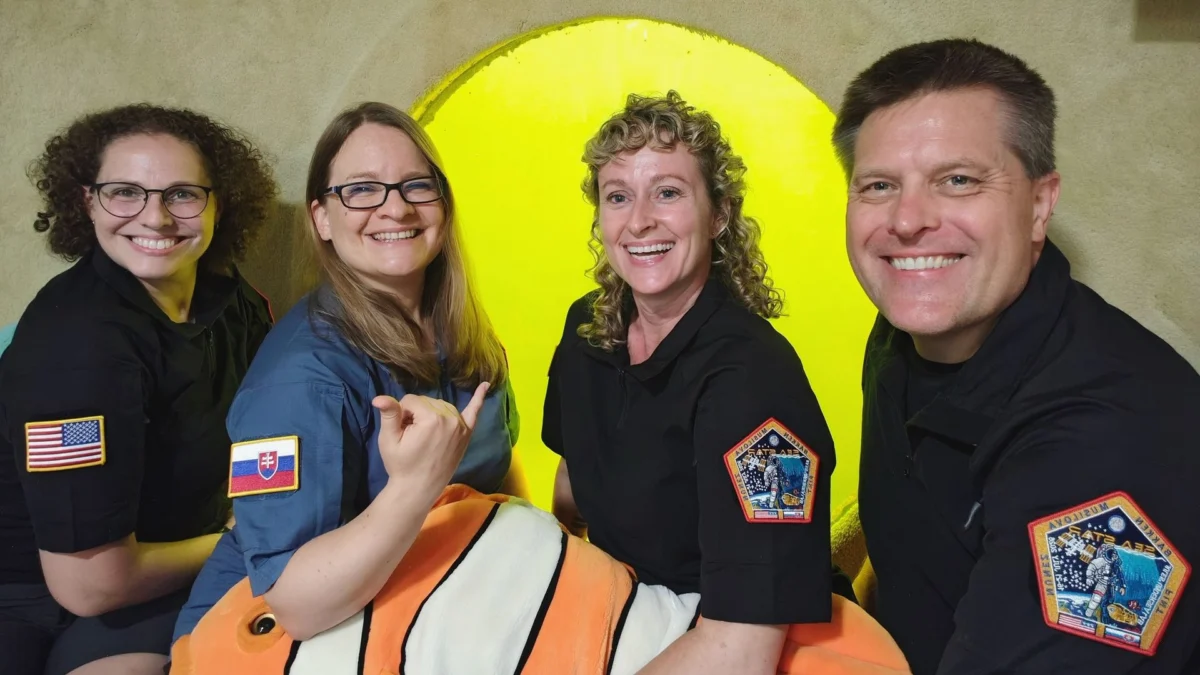
In the quiet, pressurized solitude of the Florida coast, 22 feet (7 meters) below the ocean’s surface, a small crew of four recently lived in a world that felt more like the Red Planet than the Sunshine State. The "SEA STAR" mission, led by astrobiologist Dr. Michaela Musilova, transformed the historic Jules’ Undersea Lab into a crucible for human endurance, mirroring the psychological and physical rigors of long-duration spaceflight.
For five days, the crew existed in a state of saturation, cut off from the surface world, tethered only by umbilical life-support cables and a deep-seated determination to understand how humans might one day thrive on Mars.
The Main Facts: An Earthbound Laboratory for Extraterrestrial Dreams
The Jules’ Undersea Lab, located near Key Largo, Florida, is one of the few places on Earth where "aquanauts" can live for extended periods in a high-pressure, isolated environment. Originally built in the 1970s under the moniker "La Chalupa," the facility was designed as a mobile, submersible research station.
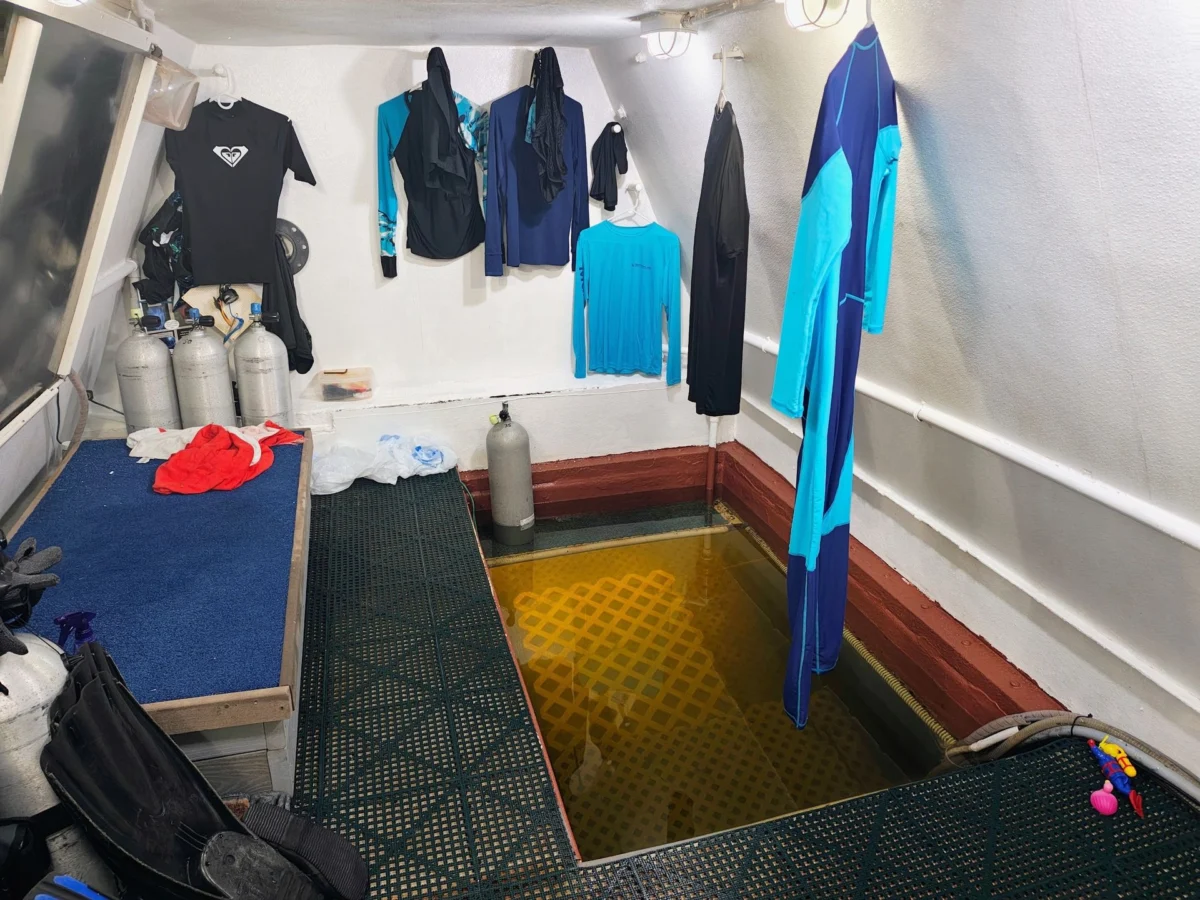
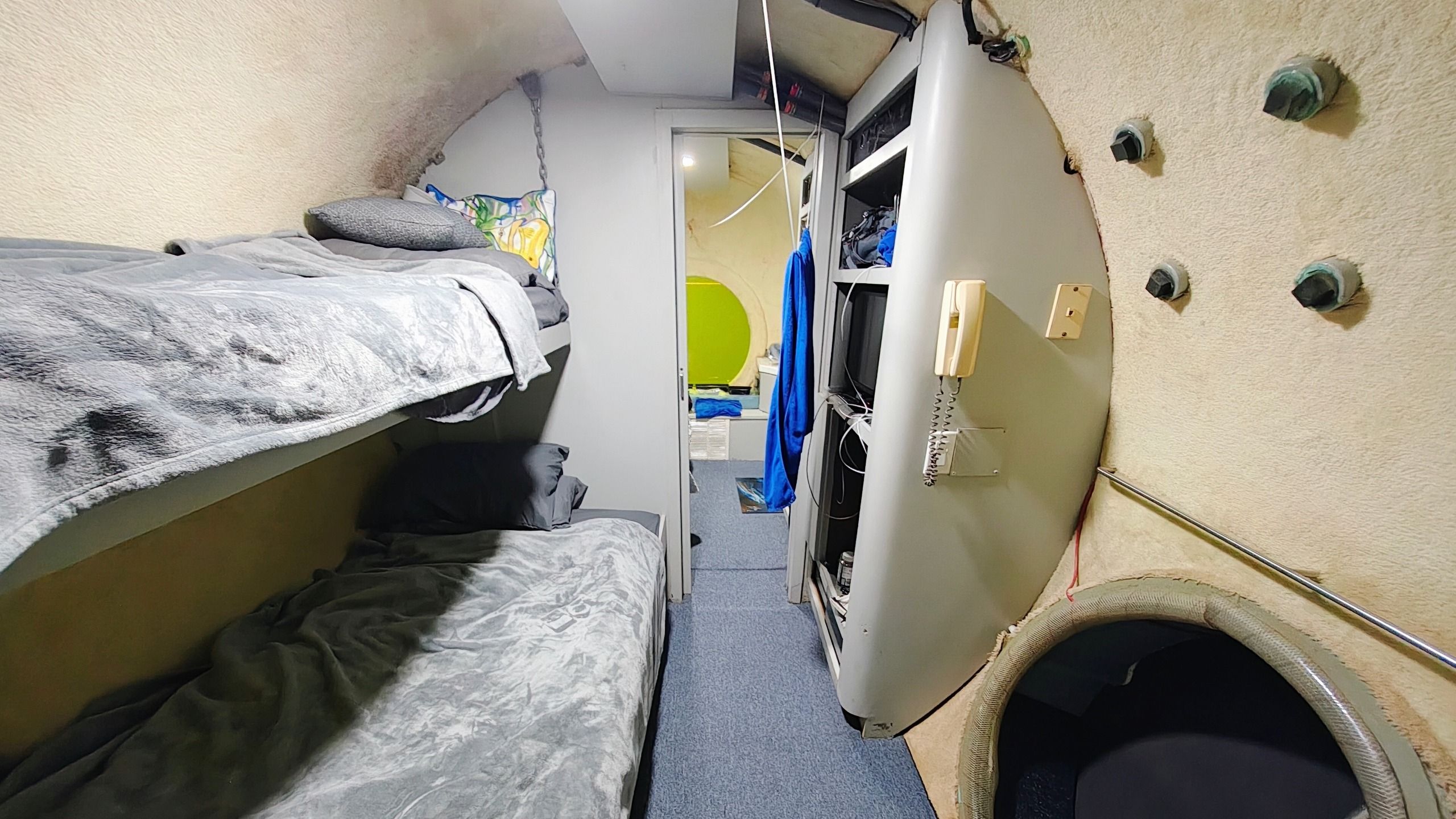
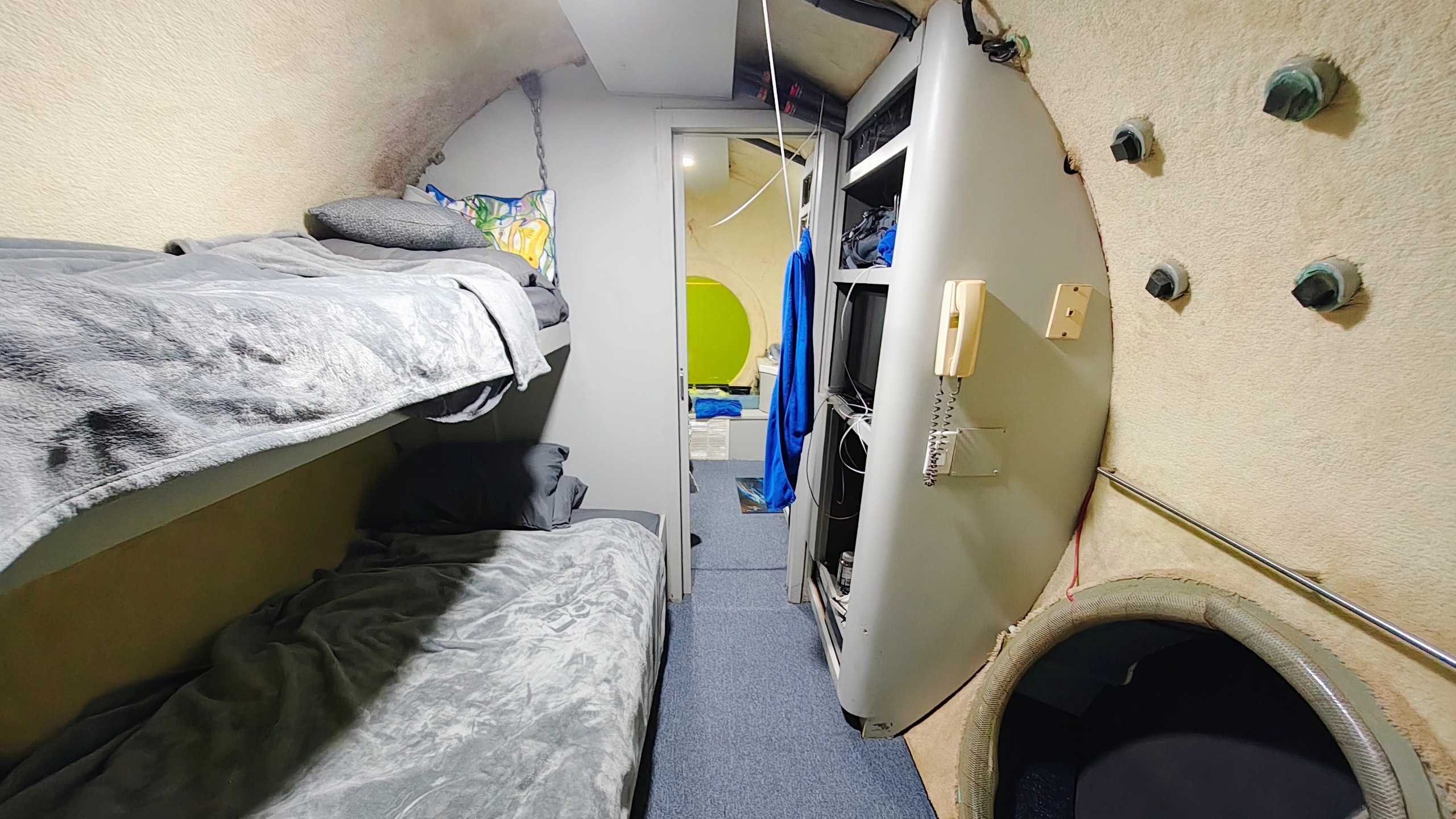
The habitat is a masterpiece of compact engineering. Inside, the crew navigates a galley, a combined dining and workspace, a rudimentary sanitation area, and sleeping quarters that can be divided to provide a semblance of privacy. The station is accessed via a "moon pool"—a direct opening to the ocean floor that acts as an airlock for divers.
The SEA STAR mission utilized this environment to test the limits of human performance. With space missions remaining rare and prohibitively expensive, facilities like this provide a vital proxy, allowing researchers to study team dynamics, cognitive fatigue, and life-support dependency in a closed-loop system where the "outside" world is inherently hostile to human life.
Chronology of the Mission: A Five-Day Odyssey
The mission began with a symbolic severance from the terrestrial world. The crew waved goodbye to their Mission Control team, signaling the start of a five-day blackout from normal life. Upon descending into the station, the transition was immediate: the world of sunlight and air was replaced by the constant hum of the life support systems.
- Day 1: Integration. The crew settled into the habitat, establishing routines and ensuring that all life-support systems—air, power, and fresh water—were functioning correctly.
- Days 2–4: The Grind of Exploration. The schedule was meticulously packed to mirror the daily life of astronauts on the International Space Station (ISS). Days were filled with rigorous research projects, medical monitoring, and cognitive performance testing.
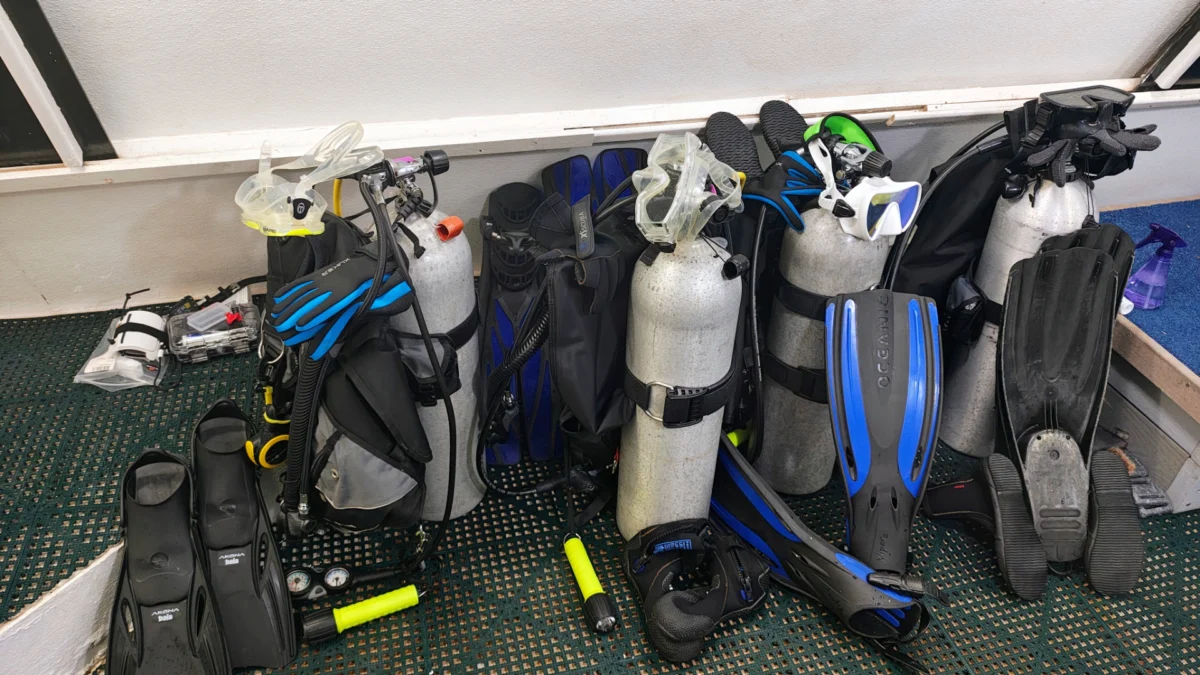
- The "Spacewalks": Between lab tasks, the crew performed "spacewalks"—submerged dives in full scuba gear. Unlike standard recreational diving, these were physically exhausting maneuvers that simulated the taxing nature of EVA (Extravehicular Activity) on a lunar or Martian surface.
- Day 5: Re-emergence. After 120 hours of total immersion, the crew completed their mission objectives, successfully navigating the psychological and physical stressors of their confined, pressurized home before surfacing.
Supporting Data: Engineering the Human Experience
Living 22 feet underwater requires a complex infrastructure. The habitat’s life support is largely provided by systems reminiscent of those developed for NASA’s early underwater experiments. All piping, fittings, and communication arrays are protected from the corrosive marine environment, ensuring the crew remains safe from the elements.
The internal pressure of the Jules’ Undersea Lab is approximately twice that of sea level. This is a crucial variable in the mission’s design. While astronauts on the ISS face microgravity—which causes muscle atrophy and requires hours of daily exercise—the SEA STAR crew faced "hyperbaric stress."
"I have been the Commander of 40 simulated space missions," notes Dr. Musilova. "Normally, we exercise for at least an hour or two during each mission to combat the effects of microgravity. Here, the pressure itself placed such a significant strain on our bodies that the physical fatigue from our daily tasks and ‘spacewalks’ was more than sufficient."
The dietary component also provided unique data. By utilizing a small, approved crock pot, the crew was able to prepare warm, simple meals like stews and oats. This small morale-boosting factor is a critical area of study for long-duration space missions, where psychological well-being is often as important as physical health.
Official Perspective: The Commander’s Insight
Dr. Michaela Musilova, an award-winning astrobiologist and the commander of this mission, emphasizes that the primary goal of the SEA STAR project was to bridge the gap between theoretical space training and the reality of extreme isolation.
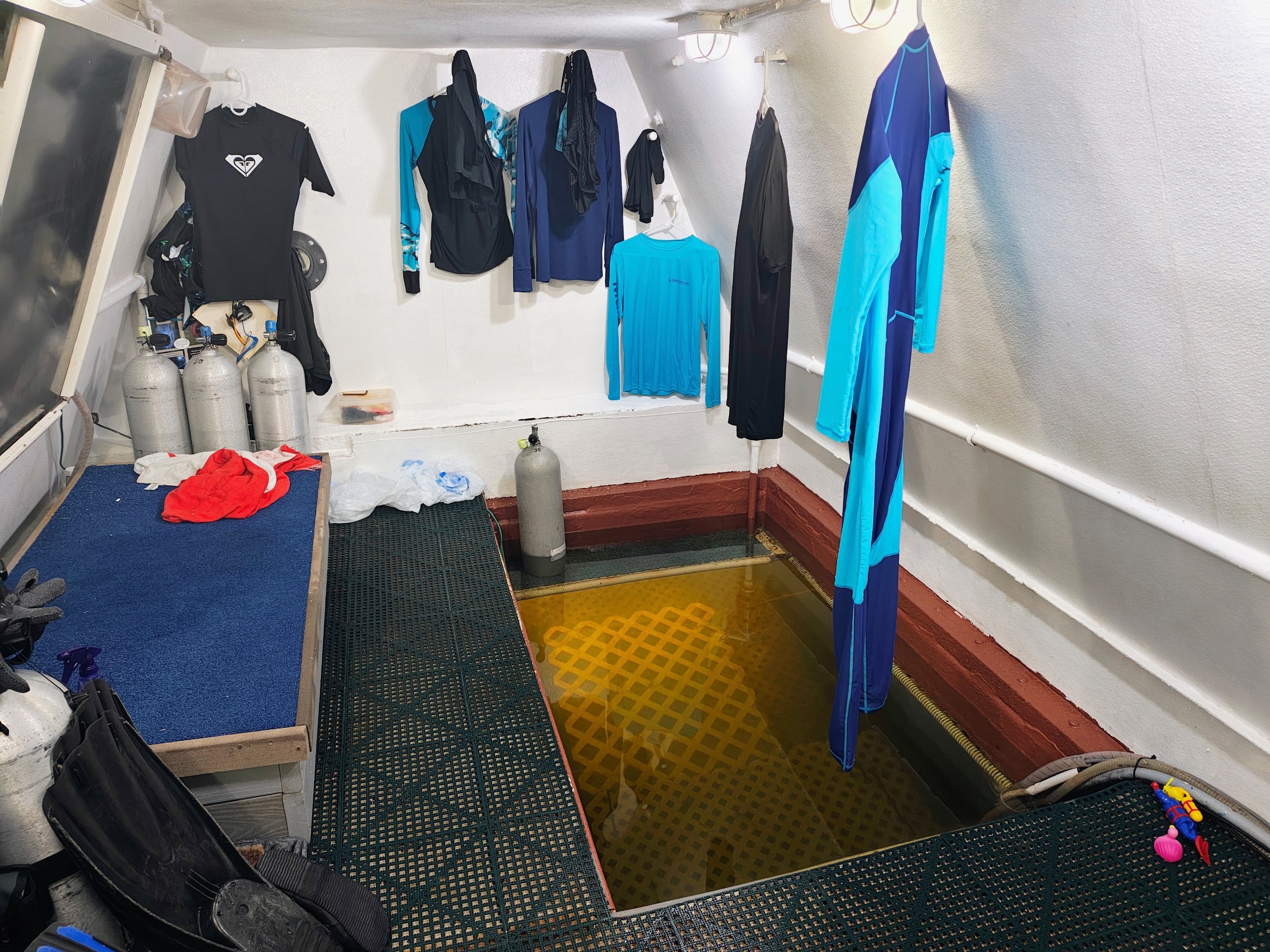
"Living underwater was surprisingly peaceful," Dr. Musilova observed. "There were no humans around us, except for my three crewmembers. Apart from the human noises we made, we couldn’t hear anything other than the life support systems keeping us alive."
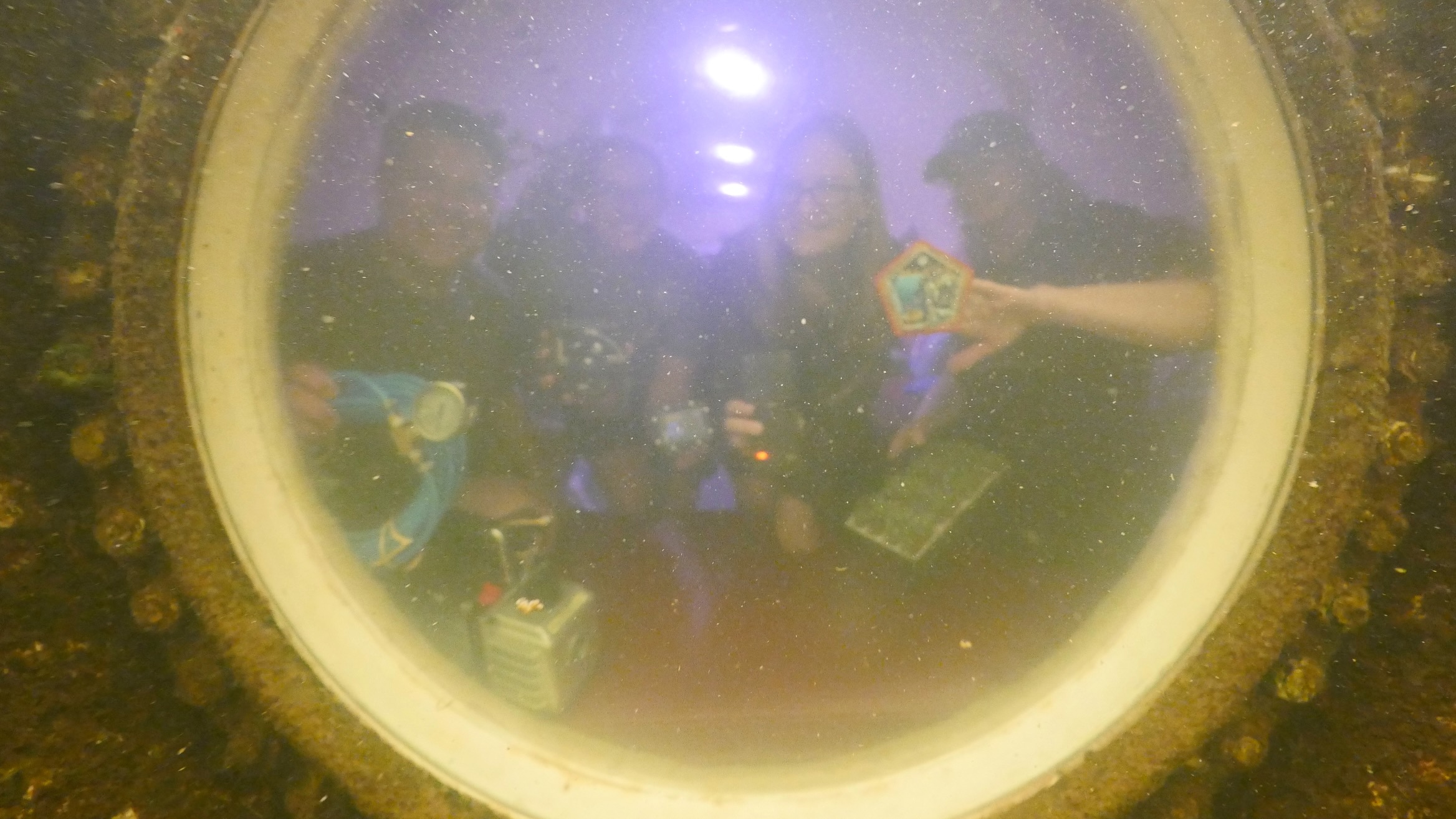
According to the mission’s internal reports, the psychological aspect was the most striking. The view from the station’s three windows—a constant, alien landscape of green water and marine life—served as a potent mental proxy for looking out at a Martian horizon. The lack of connection to the outside world, combined with the rigidity of the mission schedule, created a "Mars-like" environment that forced the crew to rely entirely on their own internal resources and their link to Mission Control.
Implications for Future Space Exploration
The success of the SEA STAR mission underscores several vital lessons for future interplanetary travel:
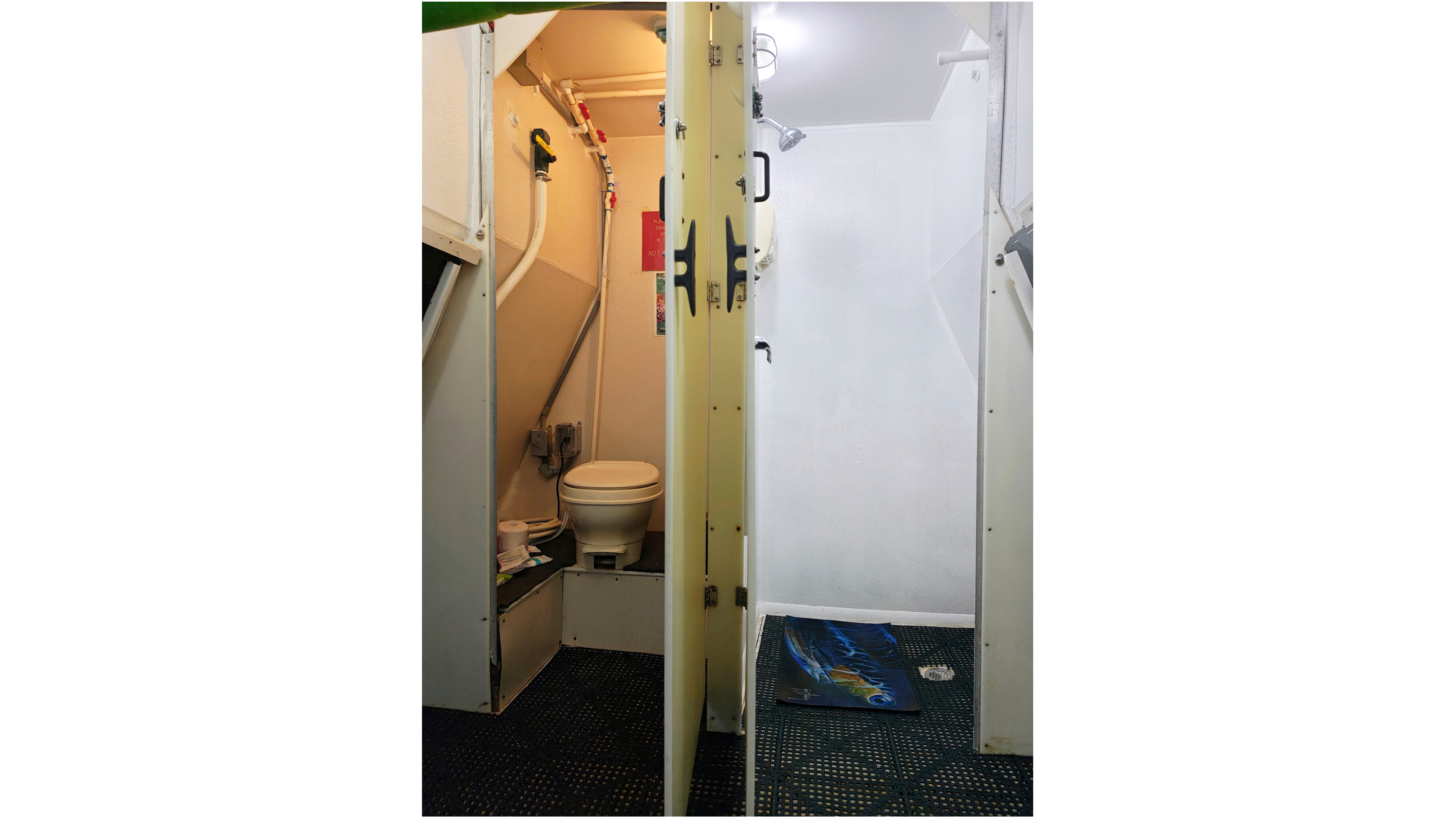
- Isolation Management: The mission demonstrated that when tasks are clearly defined and the team is cohesive, the psychological strain of extreme isolation can be effectively managed.
- Infrastructure Reliability: The reliance on robust, enclosed life-support systems proves that even in environments where the outside is lethal, human innovation can carve out a sanctuary.
- Cross-Training: Because the crew had to be proficient in everything from medical checkups to hardware maintenance and cooking, the mission highlighted the need for "generalist" astronauts who can handle multiple disciplines during long-duration missions.
- The "Small Joy" Factor: The data regarding the positive impact of warm food suggests that mission planners for NASA or private entities like SpaceX should prioritize small, morale-boosting comforts in their payload designs for Mars transit.
The Path Forward
As space agencies look toward the moon and beyond, the lessons learned from the "bottom of the sea" are increasingly relevant. Whether it is the pressure of the ocean or the vacuum of space, the constraints on human life are remarkably similar. By mastering the art of living in these extreme, Earth-based laboratories, researchers like Dr. Musilova are ensuring that when humanity finally steps onto the surface of another planet, we will be prepared for the challenges of the long, dark journey home.
Dr. Michaela Musilova continues to advance her research in extreme environments. For further updates on her work, you can visit her official website or follow her across social media platforms including Instagram, TikTok, and Threads at @astro_michaela.