By Industry Analysis Desk
November 7, 2026
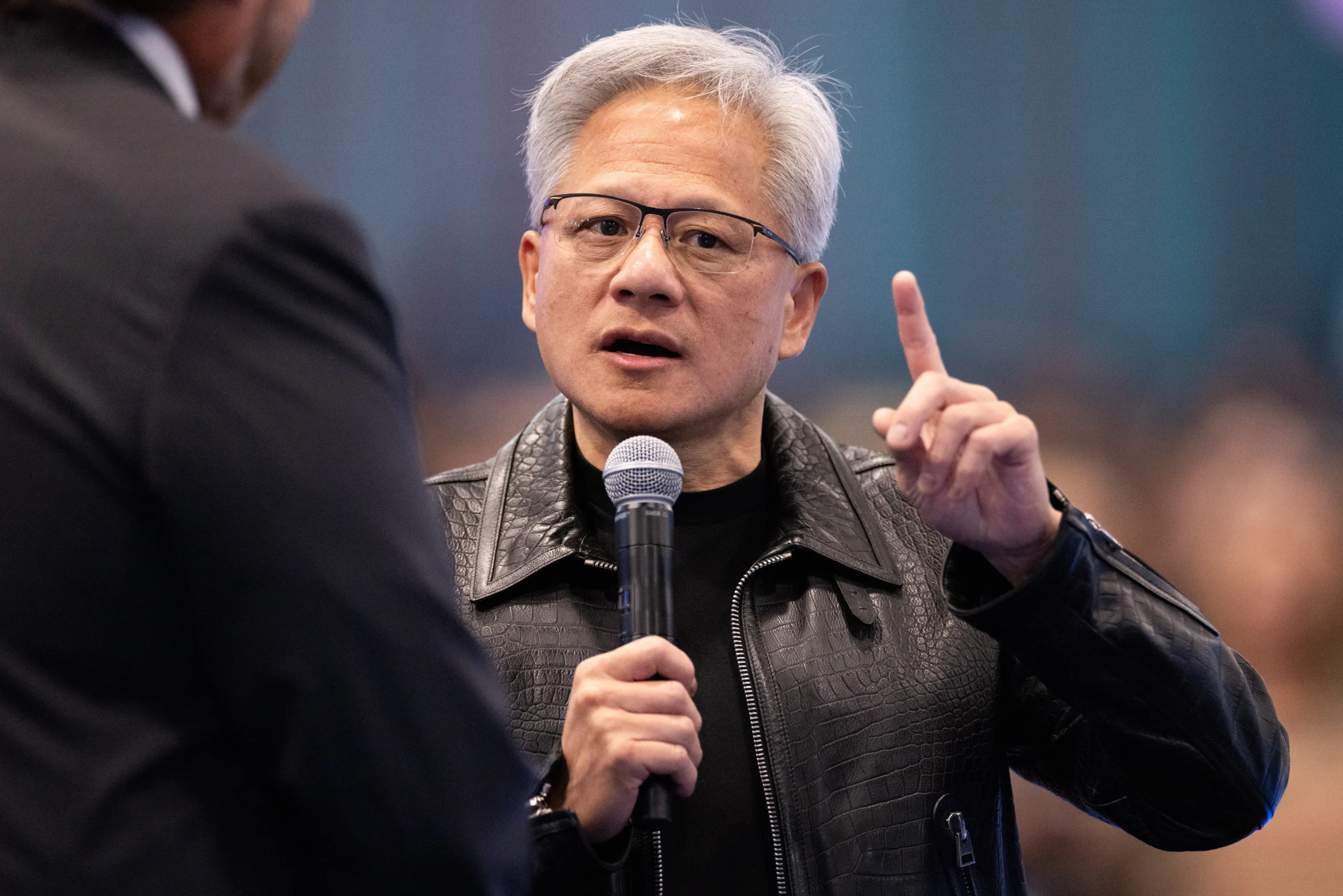
In a development that has sent shockwaves through the global semiconductor industry and prompted intense scrutiny from national security experts, newly surfaced intelligence reports suggest that Nvidia CEO Jensen Huang may have been the target of a targeted espionage operation by China’s Ministry of State Security (MSS).
The allegations, which first gained traction following a report by The New York Times, center on a classified memo circulated earlier this year. The document, purportedly derived from U.S. intelligence sources, outlines an elaborate attempt by Chinese intelligence to gain leverage over one of the most powerful figures in the global technology sector.
The Core Allegations: Espionage and Personal Compromise
At the heart of the controversy is Alice Huang, an executive at the Singapore-based technology firm Megaspeed. According to the intelligence memo, Chinese state actors allegedly recruited Alice Huang to cultivate a personal relationship with Jensen Huang, with the explicit goal of gathering sensitive information regarding Nvidia’s technological roadmap, supply chain logistics, and geopolitical strategy.
While The New York Times initially focused on the broader theme of the CEO being a target of foreign intelligence, The Financial Times later provided more granular—and damaging—details. The report indicates that the memo claimed a romantic relationship existed between the two individuals. This potential entanglement, if substantiated, represents a classic "honey trap" scenario frequently used by intelligence agencies to compromise high-value targets, particularly those in possession of critical dual-use technology secrets.
The proximity of a tech executive to the man currently steering the world’s most valuable AI hardware provider creates a significant vulnerability. Given Nvidia’s dominant position in the global AI race, its internal communications are arguably among the most sought-after assets by foreign powers, including China, which is currently struggling to overcome U.S.-imposed export restrictions on high-end compute chips.
A Chronology of the Intelligence Briefings
The sequence of events leading to this disclosure points to a prolonged period of monitoring by U.S. counter-intelligence agencies.
- Early 2026: U.S. intelligence agencies identify a pattern of behavior linking Alice Huang to Chinese state interests. Internal memos are drafted to warn stakeholders of the potential security breach.
- Spring 2026: The intelligence memo is circulated within select government circles. It identifies Jensen Huang as a primary target for "influence operations" orchestrated by the MSS.
- September 2026: Preliminary rumors regarding security concerns surrounding Nvidia’s executive team begin to circulate within intelligence and tech-investor communities.
- November 6, 2026: The New York Times publishes its initial investigation into the security risks surrounding Nvidia’s CEO, bringing the clandestine memo into the public sphere.
- November 7, 2026: Further reports from The Financial Times clarify the nature of the alleged relationship between the two Huangs, intensifying the pressure on Nvidia’s board to address the security concerns.
The "Hollow Shell" Investigation: A Broader Pattern of Deception
The allegations against the CEO are occurring against a backdrop of increasing anxiety regarding how Nvidia’s advanced hardware reaches sanctioned entities. A separate investigation by The New York Times into a Chinese firm named "New Matrix" has highlighted the systemic challenges Nvidia faces in vetting its international customer base.
New Matrix, a company authorized by the U.S. Department of Commerce to purchase advanced Nvidia chips, was recently investigated by reporters who visited the company’s listed business address. What they found was not a bustling tech enterprise, but a "hollow gray shell"—an empty office that suggests the entity is a front.
There are growing concerns that New Matrix may be a shell corporation for a blacklisted private equity firm, designed to bypass export controls and siphon off high-end AI processors that are vital for military-grade AI development in China. This discovery highlights a "whack-a-mole" reality for Nvidia: even when the company follows strict regulatory protocols, the sophisticated nature of Chinese shell companies makes it nearly impossible to ensure that the "end-user" is who they claim to be.
Official Responses and Corporate Strategy
Nvidia has been swift to address the mounting concerns, though the company’s responses have been measured and strictly framed.

In a statement to The New York Times, an Nvidia spokesperson characterized Jensen Huang’s interactions with Alice Huang as "not unusual," effectively downplaying the significance of the relationship. The spokesperson emphasized that Nvidia maintains robust internal security protocols and explicitly denied that the company shares classified information—or any proprietary data beyond standard customer agreements—with its partners.
"We sell the first, best, and most of our technology in America," the spokesperson stated, emphasizing the company’s compliance with U.S. export controls and its commitment to national security interests.
However, the contrast between the company’s public assurance and the intelligence community’s warnings has left a lingering skepticism. Shareholders and lawmakers are now asking whether the company’s internal vetting processes for high-level networking are sufficient to withstand the sophisticated efforts of a state-sponsored intelligence apparatus.
Implications for the Semiconductor Industry
The implications of these allegations extend far beyond the personal reputation of Jensen Huang. They threaten to shift the regulatory landscape for the entire semiconductor sector.
1. Increased Regulatory Scrutiny
If an intelligence memo concludes that the CEO of the world’s most vital chip company is being targeted for espionage, the U.S. government may move to implement even stricter oversight of Nvidia’s operations. This could include mandatory security clearances for top executives or direct federal oversight of the company’s international partnerships.
2. The "End-User" Dilemma
The New Matrix revelation demonstrates that the current export control framework is fundamentally flawed when faced with shell companies. If Nvidia is unable to effectively screen its clients, the U.S. government may move toward a more draconian "deny-by-default" approach, further limiting Nvidia’s ability to conduct business in international markets.
3. Geopolitical Tensions
The accusation that the MSS is targeting a U.S. CEO to facilitate tech transfer will inevitably exacerbate tensions between Washington and Beijing. It frames the semiconductor trade not merely as a commercial dispute, but as a core pillar of a cold-war style intelligence conflict.
4. Corporate Governance and Transparency
For investors, the situation raises difficult questions regarding the personal security and potential conflicts of interest among corporate leadership. The board of Nvidia will likely face significant pressure to conduct an independent investigation into the alleged relationship with Alice Huang and to provide a comprehensive audit of its compliance protocols.
Looking Forward
As of November 7, 2026, the situation remains fluid. The U.S. government has yet to release a formal indictment or official report corroborating the contents of the leaked memo, and the Chinese Ministry of Foreign Affairs has historically dismissed such allegations as "politically motivated smear campaigns."
For Jensen Huang, the coming weeks will be critical. His ability to maintain the trust of the U.S. government, his shareholders, and his board of directors will depend on his transparency and the company’s willingness to implement a more rigorous, intelligence-backed security framework.
In an era where AI supremacy is synonymous with national security, the line between a CEO’s business dealings and international espionage has become dangerously thin. As this story continues to unfold, the tech industry is watching closely, knowing that the outcome could rewrite the rules of engagement for how global technology firms interact with foreign entities in a world of deepening geopolitical divides.